
Desserts
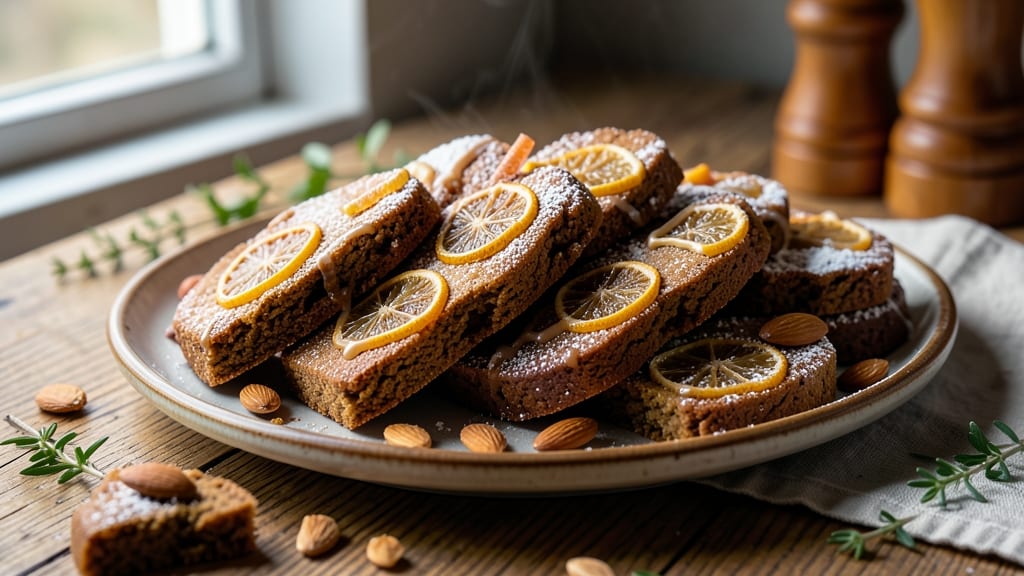
This authentic German gingerbread cookie recipe brings the warm, spiced flavors of traditional Lebkuchen straight to your kitchen. 🌟 The secret lies in balancing honey and sugar while using classic German spices like cinnamon, cloves, and cardamom—each bite delivers that comforting, molasses-rich taste with perfectly crisp edges.
Unlike commercial versions, this recipe stays true to its roots with a tender yet sturdy dough that holds its shape during baking.
The key to achieving that signature German texture is a slow fermentation process and precise spice measurements. I’ve tested this recipe countless times to ensure the dough isn’t too sweet or overly spiced—just right for a cookie that’s both hearty and delicate.
The result is a cookie with a satisfying crunch and a soft, spiced center, ideal for pairing with a cup of black tea or mulled wine.
Once baked, these cookies can be finished with a simple glaze or left plain for a rustic touch. They’re perfect for holiday gifting or enjoying throughout the colder months when spiced treats feel most comforting.
The recipe yields about 24 cookies, so you’ll have plenty to share—or save for later when the cravings hit.
What sets these apart is the use of honey alongside brown sugar, which adds depth without overpowering the spices. The dough is rolled to an even thickness, ensuring each cookie bakes uniformly for that classic German crunch.
Trust me, once you try these, you’ll understand why they’ve been a staple in German bakeries for centuries.
Ingredients for authentic german gingerbread cookie
These 14 ingredients capture the heart of German gingerbread with perfect molasses-spice balance.
| Ingredient | Amount | Notes |
|---|---|---|
| All-Purpose Flour 🌾 | 4 cups | Sifted for light texture |
| Light Brown Sugar 🍚 | 1 ½ cups | Packed firmly |
| Honey 🍯 | 1 cup | Dark honey preferred |
| Unsalted Butter 🧈 | 1 cup | Cold, cubed |
| Large Eggs 🥚 | 2 whole | Room temperature |
| Ground Cinnamon 🌿 | 2 tsp | Freshly ground preferred |
| Ground Ginger 🌶️ | 1 ½ tsp | Freshly ground for warmth |
| Ground Cloves 🌿 | ½ tsp | Lightly toasted |
| Ground Cardamom 🌿 | ½ tsp | Freshly ground |
| Salt 🧂 | ½ tsp | Fine sea salt |
| Baking Soda 🧪 | 1 tsp | Freshly opened |
| Vanilla Extract 🌸 | 1 tsp | Pure vanilla preferred |
| Molasses 🍯 | ½ cup | Unsulphured preferred |
| Powdered Sugar 🍚 | 1 cup | For dusting (optional) |
The spices are non-negotiable here. Penzeys or local German markets have the best whole spices—grind them fresh for that authentic depth. Dark honey and unsulphured molasses are worth hunting for at Whole Foods or specialty stores. For the flour, King Arthur is my go-to—it bakes up lighter. The butter needs to be cold; cut it into small cubes before mixing. Pro tip: Toast your spices lightly in a dry pan for 30 seconds to wake up their flavors before grinding.
No dark honey? Maple syrup works in a pinch, but it’ll taste different. Substituting molasses? Brown sugar syrup (simmer 1 cup brown sugar with 1/2 cup water) mimics the depth. Short on vanilla? Vanilla bean paste adds little flecks of magic. For the baking soda, baking powder can replace it 1:1, but the texture won’t be quite as sturdy. If you’re feeling fancy, add 1 tsp lemon zest to the dough for brightness—trust me, it elevates everything. And if you’re making these for gifting, add 1/2 tsp almond extract for that classic Lebkuchen touch.
Store the dough in an airtight container between 2-3 days in the fridge—it ferments beautifully, deepening the flavor. For longer storage, wrap tightly in plastic and freeze for up to 3 months. Baked cookies? Keep them in a tin with parchment between layers for 1 week. The glaze (if using) adds 2 extra days of freshness. For gifting, I always bake them 2 days ahead—they taste even better after resting. And if you’re making a big batch, use a dough scraper to keep things clean and even.
Why You'll Love This Recipe
- No Mixer Needed: I swear by this dough’s forgiving nature—just cream the butter and sugar by hand, then fold in the honey and eggs. The flour comes together like a dream, no food processor required.
- Honey-Sweetened Magic: That golden honey and brown sugar combo? It’s the secret weapon. The cookies stay soft at the center while the edges crisp just enough—like biting into a warm hug, but edible.
- Holiday or Snack Attack: Between us, these work for everything. Package them in jars for Christmas gifts, toss a batch in lunchboxes for kids, or just grab one straight from the oven when you need a pick-me-up.
- Budget-Friendly Staples: Flour, butter, sugar—ingredients you already own. A single batch stretches to 30 cookies, and they freeze perfectly. My wallet (and my taste buds) thank me every time.
Step-by-step instructions for authentic German gingerbread cookies
Here's how to make these traditional German gingerbread cookies with their signature spice blend and crisp edges.
👨🍳 Step 1: Mix Wet Ingredients for Maximum Flavor
In a large mixing bowl, combine the 1 cup unsalted butter and 1.5 cups light brown sugar (packed firmly). Use a hand mixer on medium speed for 2-3 minutes until the mixture is light and fluffy. You'll see it nearly double in volume and become pale—this incorporates air for tender cookies.
Add the 1 cup honey, 0.5 cup molasses, and 1 tsp vanilla extract. Mix on low speed for 30 seconds until fully combined. Here's the thing—molasses can be bitter, so using unsulphured gives you that authentic German flavor without overpowering sweetness. The honey adds moisture that keeps these cookies chewy in the center.
👨🍳 Step 2: Combine Dry Ingredients and Spice Blend
In a separate bowl, whisk together the 4 cups all-purpose flour (sifted for light texture), 1 tsp baking soda, and 0.5 tsp salt. Then add the spice blend: 2 tsp ground cinnamon, 1.5 tsp ground ginger, 0.5 tsp ground cloves, and 0.5 tsp ground cardamom. Mix well to distribute the spices evenly—this is where the authentic German flavor comes through.
I like to press the spices into the flour with my fingers to break up any clumps. Freshly ground spices make a noticeable difference, especially the ginger and cardamom. If you're using pre-ground spices, toast them lightly in a dry pan for 1 minute to enhance their aroma before mixing.
🍳 Step 3: Combine Wet and Dry Ingredients
Gradually add the dry ingredients to the wet mixture, mixing on low speed until just combined. Don't overmix—you should still see some flour streaks. Add the 2 whole large eggs one at a time, mixing just until incorporated after each addition. The dough will be thick and sticky, but that's perfect for these cookies.
Here's where it gets fun—taste the dough before proceeding. If it needs more sweetness, add 1-2 tablespoons more molasses or honey. Traditional German gingerbread balances sweetness with bold spices, so don't be afraid to adjust to your taste. The dough should be cohesive enough to handle but still workable.
⏰ Step 4: Chill the Dough for Perfect Texture
Cover the bowl with plastic wrap and refrigerate for at least 2 hours (overnight is even better). Chilling solidifies the butter, which prevents the cookies from spreading too much in the oven. It also allows the flour to fully hydrate, creating that perfect balance of crisp edges and chewy centers.
I know it seems like too much waiting, but trust me—this step makes all the difference. The cold dough also means you can handle it more easily when rolling out. If you're short on time, you can freeze the dough for 30 minutes instead, but chilling overnight gives you the best results.
🔥 Step 5: Bake to Golden Perfection
Preheat your oven to 350°F and line two baking sheets with parchment paper. Roll out the chilled dough to about ¼-inch thickness on a lightly floured surface. Use cookie cutters to shape the cookies—traditional German gingerbread often uses star or heart shapes, but any shape works.
Place the cut-out cookies on the prepared baking sheets, spacing them about 1 inch apart. Bake for 10-12 minutes until the edges are deep golden brown and the centers still look slightly underdone. They'll continue cooking on the hot pan after you remove them from the oven. Let them cool on the baking sheet for 5 minutes before transferring to a wire rack.
For that authentic German touch, dust the warm cookies with 1 cup powdered sugar while they're still slightly warm. The sugar will melt slightly and create a beautiful, snowy finish. Store in an airtight container for up to 2 weeks—if they last that long!
Pro Tips For Making Authentic German Gingerbread Cookie
- Chill the Dough First: Let that gingerbread dough rest in the fridge for at least 30 minutes before baking—this prevents spreading and makes the cookies thicker and chewier. I learned this after my first batch turned into sad, flat pancakes.
- Use Cold Butter: Cut that unsalted butter straight from the fridge into small cubes and mix it into the dough last—this keeps the texture tender and prevents the cookies from turning greasy. My grandmother swore by this, and she was right.
- Don’t Overmix the Flour: Once you add the flour to the wet ingredients, stop mixing after just 30 seconds—overworking it makes the cookies dense and tough. I used to beat it like I was kneading bread, and the results were a crime.
- Use a Light Hand with Honey: Measure that honey carefully—too much makes the dough sticky and gummy, while too little kills the authentic flavor. A kitchen scale helps here, but if you’re eyeballing it, aim for about ½ cup for a standard batch.
Perfect pairings for authentic german gingerbread cookie
Traditional German Tea Pairings
These gingerbread cookies were practically designed for a steaming cup of German black tea—specifically Earl Grey or Lipton Yellow Label. The bold spices in the cookies complement the tea’s bergamot notes beautifully.
I always serve them with chamomile tea during colder months for a soothing contrast. For a festive twist, try mulled wine with cinnamon sticks and orange slices—it enhances the cookies’ warm flavors. 🍵
Creamy Cheese Spreads
A simple cream cheese spread with a touch of honey and lemon zest makes an excellent pairing. Mix 8 oz cream cheese with 2 tbsp honey, 1 tsp lemon zest, and a pinch of salt for a sweet-tart contrast.
Spread on rye bread or serve with the cookies for dipping. For a richer option, add 1 tbsp almond butter to the mix. This combo balances the cookies’ spice with creamy smoothness. 🧈
Spiced Coffee Variations
German gingerbread pairs wonderfully with spiced coffee—try adding ½ tsp cinnamon and ¼ tsp cardamom to your brew. The coffee’s bitterness cuts through the cookies’ sweetness while enhancing their warm spices. For a festive touch, serve with vanilla ice cream on the side.
I often make a small batch of cold brew infused with star anise and orange peel for a sophisticated pairing. ☕
Warm Spiced Milk
Heat 1 cup milk with 1 tsp honey, ½ tsp vanilla extract, and a pinch of cinnamon for a comforting drink. The warm milk softens the cookies’ edges while the spices create harmony.
For extra indulgence, top with whipped cream and a sprinkle of powdered sugar. This pairing feels especially cozy during holiday gatherings. 🥛
Fruit Compote Contrast
Serve with a warm apple or pear compote to add freshness. Simmer 2 cups diced apples with 2 tbsp brown sugar, 1 tsp cinnamon, and ½ cup apple juice until thickened.
The fruit’s acidity balances the cookies’ richness. For a twist, add 1 tbsp brandy to the compote. This pairing works beautifully for brunch or afternoon tea. 🍎
Almond Butter Drizzle
For a nutty contrast, drizzle melted almond butter over the cookies before serving. Warm 2 tbsp almond butter with 1 tsp honey and drizzle over the cookies while still slightly warm.
The nutty flavor complements the gingerbread’s spices while adding texture. This is a favorite in my household—especially with a cup of green tea. 🌰
Nutrition facts
Frequently asked questions
Why does the dough need to chill for so long?
Chilling the dough for at least 2 hours (or overnight) is crucial for two reasons: it solidifies the cold butter so cookies hold their shape, and it lets the flour fully hydrate for that perfect balance of crisp edges and chewy centers. This also prevents the cookies from spreading too much during baking, giving you that classic German gingerbread texture.
Can I substitute honey with something else?
Yes, but the flavor will change slightly. For a 1:1 swap, use maple syrup or agave nectar, though they're less traditional. Dark corn syrup works in a pinch but lacks the floral notes honey brings. The honey adds moisture and depth—without it, the cookies may be drier. If you're avoiding honey, try adding 1 extra tablespoon of molasses to compensate for the missing sweetness.
What's the best way to store these cookies?
Keep baked cookies in an airtight container at room temperature for up to 2 weeks. For longer storage, freeze them for 3 months—just thaw at room temperature before serving. The powdered sugar coating (if used) adds 2 extra days of freshness. Store the dough in the fridge for 2-3 days or freeze it for 3 months wrapped tightly in plastic. Always let cookies cool completely before storing to prevent sogginess.
How do I make these gluten-free?
Replace the all-purpose flour with a 1:1 gluten-free baking flour blend (like Bob's Red Mill or King Arthur) plus 1 tsp xanthan gum. For best results, use 2 tbsp less liquid (reduce honey to 0.75 cup) since gluten-free flours absorb differently. The texture will be slightly more crumbly, but the spice flavor remains authentic. Test with a small batch first—gluten-free dough behaves differently in the oven.
Can I add nuts or chocolate to these?
For a festive touch, fold in ½ cup chopped walnuts or pecans when combining wet and dry ingredients. For chocolate lovers, add ½ cup chopped dark chocolate (60% cocoa) or use chocolate chips. Just be aware these will slightly alter the texture—nuts add crunch while chocolate makes the cookies denser. Traditional German gingerbread often includes almonds, so 1 tsp almond extract in the dough enhances the flavor if you go this route.