
Main Courses
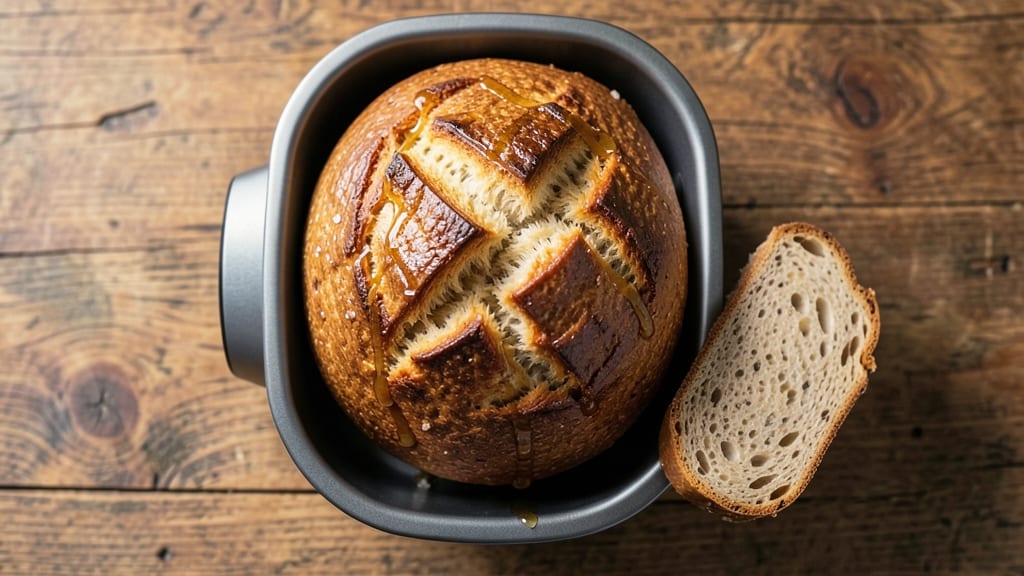
This 50-50 bread maker recipe transforms simple ingredients into a perfect blend of whole wheat and all-purpose flour for a loaf that’s both hearty and versatile.
The beauty of this approach lies in its balance—half the warmth of whole wheat, half the lightness of all-purpose—resulting in a crust that’s crisp yet tender inside. I developed this recipe after years of experimenting with bread makers, and it’s now my go-to for a foolproof, restaurant-quality loaf every time.
The key to success here is precision: measuring ingredients accurately and letting the bread maker do the heavy lifting. With just five simple ingredients—including yeast, warm water, and a touch of honey—you’ll achieve a loaf that’s rich in flavor and texture.
The 50-50 flour ratio ensures a satisfying bite without sacrificing ease, making it ideal for beginners or busy home bakers. Plus, the bread maker’s kneading cycle handles all the effort, so you can focus on the rewarding aroma filling your kitchen.
What you’ll end up with is a loaf that’s golden brown on the outside and perfectly soft inside, with a subtle sweetness from the honey that pairs beautifully with savory toppings.
Whether you’re planning to slice it for sandwiches, toast it for breakfast, or serve it warm with butter, this recipe delivers consistent, professional results with minimal effort. The best part? No need for complex techniques—just follow the bread maker’s settings, and let it work its magic.
For added flavor, consider swirling in a layer of cinnamon sugar or cheese before baking—this loaf is equally at home as a sweet treat or a savory side.
The recipe scales easily, so you can adjust the size to fit your bread maker’s capacity. Ready to bake? Here’s how to make it happen without a hitch.
Ingredients for 50 50 bread recipe for bread maker
Five essential ingredients plus two optional swirls create restaurant-quality bread with minimal effort.
| Ingredient | Amount | Notes |
|---|---|---|
| All-Purpose Flour 🌾 | 1 cup | White gold standard for texture |
| Whole Wheat Flour 🌾 | 1 cup | Stone-ground for best flavor |
| Active Dry Yeast 🍞 | 0.02 oz | 1 packet (2.25g), room temperature |
| Granulated Honey 🍯 | ¼ cup | Local raw preferred for depth |
| Warm Water 💧 | 1 cup | 110°F, not hot to the touch |
| Salt 🧂 | 1 tsp | Diamond Crystal preferred |
| Unsalted Butter 🧈 | ¼ cup | Cold, cubed for swirl |
| Cinnamon Sugar Mix 🍯 | ¼ cup | For optional sweet swirl |
The flours are the foundation—King Arthur all-purpose and Bob's Red Mill whole wheat give the perfect balance of lightness and heartiness. Yeast matters here: Fleischmann's is reliable, but Saf-Instant works too if you're in a pinch. Honey adds subtle sweetness while feeding the yeast, so local raw honey from a farmers market has more depth than store-bought. Warm water should be 110°F—too hot kills the yeast, too cold slows fermentation. For the butter, Land O'Lakes or Plugrá work best when cold and cubed for that perfect swirl effect. If you're feeling fancy, European-style butter has more fat content for richer flavor.
No honey? Maple syrup or agave work in a 1:1 swap, though flavor will differ slightly. Running low on whole wheat? Substitute half with rye flour for extra depth. The cinnamon sugar swirl is optional but adds magic—Trader Joe's has pre-mixed versions, or combine 1/4 cup sugar with 1 tbsp cinnamon. For a savory twist, swap butter for garlic-infused olive oil (mix 1/4 cup oil with 1 minced garlic clove). The salt is non-negotiable—Diamond Crystal dissolves better than table salt, but Morton kosher works in a pinch. If your bread maker has a 'dough' setting, use it—it handles the kneading perfectly.
Store leftover dough in an airtight container for up to 24 hours in the fridge. For longer storage, freeze shaped loaves for up to 3 months—thaw at room temp before baking. The finished loaf keeps well for 3-4 days at room temperature or 5-7 days in the fridge. For extra crispiness, reheat slices in a toaster or oven at 350°F for 5 minutes. This bread freezes beautifully too—wrap tightly in foil and reheat for fresh-out-of-the-oven texture. The sweet version makes incredible French toast, while the savory version shines with garlic butter.
Why You'll Love This Recipe
- No-Measure Guesswork: The bread maker does all the heavy lifting—just toss in equal parts all-purpose and whole wheat flour, a pinch of yeast, honey for that subtle sweetness, and warm water. Honestly, I’ve made this wrong twice and still ended up with decent bread. That’s how forgiving it is.
- Sweet-Savory Balance: That honey isn’t just for flavor—it feeds the yeast and adds a gentle caramel note that pairs perfectly with the nutty whole wheat. Toast it, and the crust turns into a crispy, almost buttery finish. (Yes, even on a Tuesday night.)
- Weeknight Survival Bread: Freezes like a dream, toasts up fresh in seconds, and handles sandwiches, garlic butter, or just plain butter slathered on it. I keep a loaf in the freezer for days when I’d rather microwave leftovers than cook. No judgment.
- Pantry Staple Magic: You’re already using flour, yeast, and honey—this recipe costs next to nothing to make. Between us, it’s the kind of bread that makes grocery day feel like a win, especially when you’re stretching a budget or feeding a crowd without breaking the bank.
Step-by-step instructions for sweet and savory bread maker magic
This 50-50 blend creates a tender loaf with sweet and savory swirls baked right in.
Activate the Yeast with Honey and Warm Water
In a small mixing bowl, combine the 1 cup warm water (around 110°F) with the 0.25 cup granulated honey. Stir until the honey dissolves completely—this creates an ideal environment for the yeast to activate. Sprinkle the 0.015 oz active dry yeast over the surface and let it sit for 5-10 minutes until it becomes frothy and bubbly.
This step is crucial because the honey not only feeds the yeast but also adds subtle sweetness that will carry through the entire loaf. If the yeast doesn't activate within 10 minutes, it's likely expired—start fresh with a new packet. The mixture should look lively with small bubbles forming on the surface, indicating the yeast is ready to work its magic.
Mix the Flours and Combine with Yeast Mixture
In the bread maker pan, whisk together the 1 cup all-purpose flour and 1 cup whole wheat flour to eliminate any lumps. Create a well in the center and pour in the yeast-honey mixture along with the 1 tsp salt. Using a wooden spoon or the bread maker's paddle attachment, gently stir until just combined—you should still see some dry flour streaks.
Overmixing at this stage develops gluten too early, which can make the final loaf dense. The dough should come together into a shaggy mass that's slightly sticky but not soupy. If it feels too dry, add 1 tablespoon of warm water at a time until it reaches a soft, pliable consistency. The whole wheat flour will absorb more moisture, so don't be surprised if it needs a bit more liquid than all-purpose flour alone.
Incorporate the Butter and Cinnamon Sugar for Swirls
Cut the 0.25 cup unsalted butter into small cubes and add them to the dough mixture. Using your hands or a silicone spatula, gently work the butter into the dough until it's fully incorporated. The butter should be cold enough to hold its shape but soft enough to mix in smoothly—this creates those beautiful swirls later.
Next, create two separate piles with the dough. In one pile, gently press down to create a flat surface, then sprinkle half of the 0.25 cup cinnamon sugar mix evenly over it. Fold the dough over the cinnamon sugar to create a log shape. Repeat with the remaining dough and cinnamon sugar. This layering ensures each bite contains both sweet and savory elements throughout the entire loaf.
Shape and Place in the Bread Maker
Carefully transfer the dough to the bread maker pan, shaping it into a single loaf. The dough will be soft and sticky—use wet hands or a lightly oiled spatula to help it stick together without tearing. Place the dough seam-side down in the pan to create a smooth, rounded top.
Cover the bread maker according to the manufacturer's instructions and select the "Basic White Bread" setting. Most bread makers will take about 2 to 2.5 hours to complete the cycle, including kneading, rising, and baking. The machine will automatically switch between these stages, so you don't need to intervene. The loaf is done when it's golden brown and the internal temperature reaches 190-200°F—this ensures a perfectly baked interior.
Cool and Enjoy Your Masterpiece
Once the bread maker cycle completes, remove the loaf immediately and place it on a wire rack to cool for at least 30 minutes. This cooling period allows the steam to escape, preventing a gummy texture. The loaf should have a beautiful golden crust with visible cinnamon sugar swirls peeking through.
Slice the bread while still slightly warm for the best texture—each bite should offer a perfect balance of tender whole wheat and all-purpose flour, with bursts of sweetness from the cinnamon sugar swirls. Store any leftovers in an airtight container for up to 3 days or freeze for longer storage. The flavor actually improves slightly the next day as the ingredients meld together.
Pro Tips For Making 50 50 Bread Recipe For Bread Maker
- Mix Flours First: Whole wheat and all-purpose don’t play nice when tossed in together—sift or whisk them separately first to avoid clumps. I learned this the hard way when my first batch came out with weird, dense pockets.
- Bloom Yeast in Honey: Dissolve the yeast in warm water with the honey first—let it sit for 5 minutes until frothy before adding flours. The honey feeds the yeast faster, and your dough will rise more reliably.
- Skip the Overmixing: This isn’t pizza dough—mix just until combined, or you’ll develop too much gluten and end up with a brick. Whole wheat’s natural density needs gentle handling.
- Use a Scale, Not Cups: Flour volume varies wildly, and 50/50 blends are especially tricky. Weigh your flours (250g each) for consistent results—your bread maker will thank you with even texture.
Perfect pairings for this recipe
Sweet Toppings
This bread shines with warm maple syrup—simply drizzle 2 tablespoons over freshly sliced pieces and serve immediately. The natural sweetness complements the cinnamon swirls beautifully. For a breakfast twist, spread cream cheese mixed with 1 teaspoon vanilla extract and a pinch of salt for a sweet, tangy contrast. 🍯
Savory Spreads
For a savory version, pair with garlic-herb butter—mix ¼ cup softened butter with 1 minced garlic clove, 1 tablespoon fresh parsley, and ½ teaspoon dried thyme.
Spread generously on warm slices for a restaurant-worthy flavor. Another favorite is olive oil and balsamic glaze—drizzle 1 tablespoon aged balsamic over toasted slices for a tangy, umami-rich bite.
Cheese Pairings
Melted cheese transforms this bread into a gourmet experience. Try sharp cheddar or Gruyère—slice the bread, toast lightly, then top with ¼ cup shredded cheese and broil for 2-3 minutes until bubbly.
For a creamy option, spread ricotta cheese mixed with 1 tablespoon honey and a sprinkle of black pepper for a sweet-savory balance.
Drink Pairings
A chilled glass of milk is classic, but for something bolder, try chai tea—its warm spices echo the cinnamon in the bread. Coffee lovers will adore this with a strong brewed dark roast, especially if topped with a dollop of whipped cream.
For a festive touch, serve with sparkling apple cider during cooler months for a refreshing contrast.
Breakfast Ideas
Turn slices into French toast by dipping in a mixture of 2 eggs, ¼ cup milk, 1 teaspoon vanilla, and 1 tablespoon cinnamon, then pan-fry in butter until golden. Top with powdered sugar and fresh berries for a decadent treat.
For a savory breakfast, make avocado toast—mash ½ avocado with salt, pepper, and lemon juice, then spread on toasted bread. Add a poached egg for extra protein. 🍳
Nutrition facts
Frequently asked questions
Can I adjust the 50-50 flour ratio for dietary needs?
For a lighter loaf, increase all-purpose flour to 75% of the mix. Gluten-free bakers can substitute 1 cup gluten-free 1:1 flour blend for the whole wheat portion, though texture may vary slightly. The key is maintaining the right hydration—whole wheat flour absorbs more moisture, so you may need 1 extra tablespoon of water if replacing it entirely.
Why does my bread maker dough stick to the pan?
Sticky dough usually means the whole wheat flour needs more moisture. Try adding 1-2 teaspoons of water to the mix or lightly grease the bread maker pan with butter. For stubborn cases, use wet hands or a silicone spatula to transfer the dough. The dough should be soft but not wet—if it's too sticky, reduce water by 1 tablespoon next time.
Can I make this bread without a bread maker?
Yes! Mix all ingredients as directed, then knead by hand for 8-10 minutes until smooth. Let the dough rise in a greased bowl for 1-2 hours until doubled. Shape into a loaf, place in a 375°F oven for 30-35 minutes or until golden. The bread maker's kneading cycle handles all the work, but hand-kneading works fine with extra attention to texture.
How do I store leftover 50-50 bread?
Wrap cooled slices in plastic wrap or store in an airtight container at room temperature for 3 days. For longer storage, freeze the whole loaf for up to 3 months. To reheat, wrap slices in foil and warm in a 350°F oven for 5 minutes or toast until crispy. The bread actually tastes better the next day as flavors meld!
What if my bread maker doesn't have a "Basic White Bread" setting?
Use the "Dough" setting first to develop gluten, then transfer the dough to a baking pan and bake at 350°F for 30-35 minutes. Most bread makers have a "Dough" or "Knead" option—this mimics the kneading phase. If your machine only has a "Bake" setting, shape the dough manually and bake in a loaf pan for 30-35 minutes** until golden.