
Side Dishes
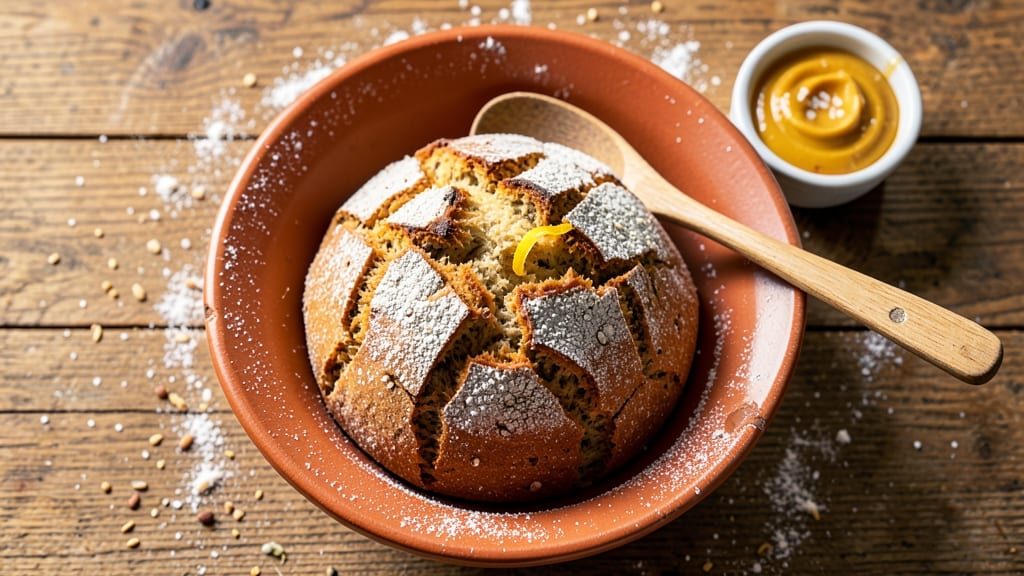
A 50/50 whole wheat bread recipe transforms ordinary loaves into nutty, crusty perfection with minimal effort. The secret lies in balancing whole wheat flour with all-purpose for a lighter texture while keeping that satisfying chew. I’ve perfected this hands-off rise method that yields golden-brown crusts and tender crumb—no kneading required.
This recipe delivers restaurant-quality bread at home with just five simple ingredients and a one-hour hands-off rise. The dough develops flavor naturally as it rests, while a steam bath in the oven creates that coveted crispy crust.
Whether you’re baking for daily sandwiches or special occasions, this loaf delivers consistent results every time.
What sets this bread apart is its versatility—great for toast, sandwiches, or garlic bread. The nutty whole wheat flavor pairs beautifully with rich soups, fresh vegetables, or simply slathered with butter. Once baked, it stays fresh for days, making it perfect for meal prep.
For those avoiding dairy or eggs, substitutions are simple: use flax eggs and plant-based milk without sacrificing texture. The key to success? A warm environment for rising and precise oven temperature control. Let’s bake this foolproof loaf together.
Ingredients for 50 50 whole wheat bread
Five essential ingredients craft restaurant-quality 50/50 whole wheat bread with golden crust and tender crumb.
| Ingredient | Amount | Notes |
|---|---|---|
| Bread Flour (All-Purpose) 🌾 | 2 cups | For lighter texture balance |
| Whole Wheat Flour 🌾 | 2 cups | Unbleached preferred for nuttiness |
| Active Dry Yeast 🍞 | 2 ¼ tsp | Ensure freshness (test in warm water) |
| Granulated Sugar 🍚 | 1 tbsp | Feeds yeast for rise |
| Salt 🧂 | 1 ½ tsp | Diamond Crystal preferred |
| Unsalted Butter 🧈 | ¼ cup | Cold, cubed for flavor |
| Warm Water 💧 | 1 ¼ cups | 110°F for ideal yeast activation |
| Instant Potato Flakes 🥔 | 1 tbsp | For steam bath in oven |
| Cornmeal 🌽 | 1 tbsp | For dusting parchment |
The flours are the foundation—King Arthur whole wheat flour delivers superior nuttiness, while Bread Flour ensures a lighter crumb. For the yeast, Saf-Instant from King Arthur or Bob's Red Mill activates faster and survives longer in the fridge. Butter matters here: Plugrá unsalted adds richness without overpowering the wheat's natural flavor. Always check flour freshness—stale flour makes bread dense. For the best results, buy flour in smaller quantities or freeze it to preserve freshness.
No bread flour? All-purpose flour plus 1 tbsp vital wheat gluten mimics its protein structure. Short on whole wheat? Substitute half with spelt flour for a milder flavor. Yeast issues? Proof your yeast first—drop it in warm water with sugar, and if it bubbles within 10 minutes, it's good to go. Butter substitutes? Coconut oil or vegan butter work for dairy-free versions, though texture differs slightly. For a sweeter loaf, increase sugar to 2 tbsp, but don't exceed this amount or the yeast will overactivate.
Mix the dough, cover, and let rise in a warm oven (50°F-75°F) for optimal fermentation. For longer storage, freeze the baked loaf wrapped in foil for up to 3 months. To revive, reheat at 350°F for 10 minutes. The potato flakes create a natural steam bath—sprinkle them on a baking sheet before placing the dough inside. This method yields 2-3 days of fresh bread when stored properly. For meal prep, slice and freeze individual portions for toast—just thaw before using.
Why You'll Love This Recipe
- No-Knead Nightmare Solved: Mixing the dough takes all of two minutes—no stand mixer, no overworked arms. Just toss the whole wheat and bread flour together, add warm water, and let the yeast do the heavy lifting while you sip wine (or coffee, no judgment).
- Rich Without Guilt: That 50/50 split gives you the best of both worlds: the hearty chew of whole wheat and the light rise of bread flour. Honestly, you’d never guess it’s packed with fiber unless I told you—it just tastes like good bread, not a health lecture.
- Lunchbox Legend: Slice it fresh, and it’s the ultimate sandwich bread—holds up to PB&J, turkey slices, or even a grilled cheese. Toss a few loaves in the freezer, and you’ve got breakfast, lunch, or a midnight snack covered for weeks. (Yes, I’ve been there.)
- Pantry Staple: Five ingredients, zero weird substitutions. If you’ve got flour, yeast, and sugar, you’re golden. Between us, this is the bread I make when I’m too tired to order delivery—reliable, cheap, and always delicious.
Step-by-step instructions for 50/50 whole wheat bread
Master this balanced dough technique for bread with perfect rise and nutty depth.
Activate the Yeast with Warm Water and Sugar
In a large mixing bowl, combine the 1.25 cups warm water (between 110-115°F) with the 1 tbsp granulated sugar and 2.25 tsp active dry yeast. Let this sit for 5-10 minutes until you see frothy bubbles forming on the surface. This confirms your yeast is alive and ready to work.
I always test my yeast first by sprinkling a pinch into a small cup of warm water with sugar—if it bubbles within 5 minutes, I know it's fresh. The sugar feeds the yeast while the warm water creates ideal activation conditions. Don't use water hotter than 115°F or you'll kill the yeast instantly.
Mix the Flour and Hydrated Yeast
Add the 2 cups bread flour (all-purpose) and 2 cups whole wheat flour to the yeast mixture. Using a wooden spoon or dough whisk, stir until just combined—you'll see a shaggy dough form. The whole wheat flour will absorb moisture differently than all-purpose, so don't be surprised if the dough feels slightly sticky at this stage.
Next, cut the 0.25 cup unsalted butter into small cubes and add them to the flour mixture. Use your hands or a dough scraper to work the butter into the dough until it's fully incorporated. The butter should be cold to begin with—this creates steam during baking for that signature crusty exterior.
Knead the Dough Until Elastic
Turn the dough onto a lightly floured surface and knead for 8-10 minutes until smooth and elastic. I use a bench scraper to divide the dough every few minutes, which helps develop gluten more evenly. The dough should spring back slowly when poked and feel slightly tacky but not sticky.
Here's the thing—whole wheat dough is more dense than all-purpose, so it won't be as light and airy. That's why we're using that bread flour (all-purpose) in equal parts—it provides the structure while the whole wheat adds nuttiness. If the dough feels too dry, add 1 tsp warm water at a time until it reaches the right consistency.
First Rise and Shaping
Lightly grease a large mixing bowl with olive oil and place the dough inside. Cover with a damp kitchen towel or plastic wrap and let rise in a warm place for 1-1.5 hours, or until doubled in size. The dough should feel light and springy when pressed gently.
Once risen, punch down the dough to release air and shape it into a rectangle about 12x8 inches. Fold the long sides toward the center, then fold the top and bottom down to create a letter-fold shape. This technique helps develop gluten and creates beautiful layers in the final loaf.
Final Rise and Baking Setup
Place the folded dough seam-side down on a parchment-lined baking sheet. Cover again and let rise for another 45-60 minutes until puffy. Preheat your oven to 375°F while the dough rises. Sprinkle 1 tbsp cornmeal evenly over the baking sheet—this prevents sticking and adds a subtle crunch.
Just before baking, scatter the 1 tbsp instant potato flakes evenly over the dough. These create steam during baking, which is crucial for that crispy crust. The potato flakes break down when exposed to moisture, releasing steam that mimics a professional bread oven's steam injection.
Bake to Golden Perfection
Bake for 30-35 minutes until the bread reaches an internal temperature of 190-200°F and the crust is deep golden brown. You'll know it's done when you tap the bottom and hear a hollow sound. The bread should pull away cleanly from the sides of the pan.
For best results, I recommend using an oven thermometer—home ovens often run 25°F hotter or cooler than their settings. Let the bread cool on a wire rack for at least 30 minutes before slicing. This resting period allows the gluten to relax and prevents a gummy interior.
Pro Tips For Making 50 50 Whole Wheat Bread
- Mix the Dough First: The whole wheat flour absorbs moisture like a sponge. Wet your hands and knead the dough for at least 10 minutes—don’t skimp. I used to rush this, and the bread always turned out dense. A well-developed gluten network makes the texture light, even with half whole wheat.
- Use Warm Water, Not Hot: Your yeast won’t wake up if the water’s too hot. Aim for 105–110°F—warm to the touch but not scalding. I learned this the hard way after killing yeast twice in a row. A quick test: dip your finger in; if it feels like bathwater, you’re good.
- Let the Dough Rise Twice: The first rise gets the yeast going, but the second rise after shaping is where flavor develops. Give it 1–2 hours at room temp—don’t cut corners. I skipped this once and got a flat, bland loaf. Patience here makes the difference between good and great.
- Add a Little Oil to the Dough: Whole wheat flour dries out faster, and the dough can feel sticky or crack. Mix in 1 tablespoon of neutral oil (like vegetable or canola) with the wet ingredients. It keeps the crumb tender without sacrificing structure. Sounds weird, but it works—my bread stays moist for days.
Pro cooking tips for this dish
Yeast Activation Test
Always test your yeast before mixing the full dough—this saves time and frustration. Sprinkle ½ tsp yeast and 1 tsp sugar into a small cup of 110°F water. If it bubbles within 5 minutes, your yeast is active.
I use Saf-Instant yeast because it doesn’t need proofing, but if using active dry yeast, let it sit for 10-15 minutes in the warm water before mixing. Cold water kills yeast instantly, so never use straight-from-the-fridge water. 💡
Flour Freshness Check
Stale flour is the #1 reason for dense bread. Whole wheat flour goes rancid faster than all-purpose, so buy it in smaller quantities or freeze it. I store flour in airtight containers with a packet of silica gel to absorb moisture.
For best results, use flour within 3 months of purchase. If your dough feels heavy or doesn’t rise, your flour might be old—replace it and try again. 🌾
Butter Temperature Matters
The butter should be cold but workable when added to the dough—think slightly softened, not melted. If it’s too warm, it’ll melt into the dough and create a gummy texture.
I cut my Plugrá unsalted butter into small cubes and let them sit at room temperature for 10 minutes before mixing. For a dairy-free version, use coconut oil (solid at room temp) or vegan butter, but expect a slightly denser crumb. ❄️
Dough Consistency Fixes
Whole wheat dough is trickier than all-purpose—it can feel too dry or too sticky. If it’s too dry, add 1 tsp warm water at a time until it’s just tacky (not wet). If it’s too sticky, knead in 1 tbsp extra flour until smooth.
I use a dough scraper to check consistency: if dough sticks to it, it needs more flour. The goal is a smooth, elastic dough that springs back slowly when poked. 💪
Steam Bath Hacks
The potato flakes create steam, but you can also use a metal bowl of boiling water on the oven rack below the bread. Place the bowl in the oven 5 minutes before baking for extra steam.
For a crustier loaf, brush the risen dough with 1 tbsp water before baking—this creates a crispier exterior. I also like spraying the inside of the oven with water before preheating for added steam. 🔥
Oven Temperature Calibration
Home ovens lie! Use an oven thermometer (like the Thermoworks Oven Thermometer) to check your oven’s accuracy. Most run 25°F hotter or cooler than the dial says. If your oven runs hot, reduce the temperature by 25°F—this prevents over-browning.
For even baking, rotate the pan halfway through if your oven has hot spots. A properly calibrated oven ensures consistent results every time. 🌡️
Nutrition facts
Frequently asked questions
Why does my 50/50 whole wheat dough feel dense?
Whole wheat flour absorbs more moisture and has less gluten than all-purpose, making the dough heavier. The solution? Knead for 8-10 minutes to develop gluten, and use bread flour (all-purpose) in equal parts to lighten the texture. If it's still dense, try adding 1 tbsp vital wheat gluten to the flour mix.
Can I make this bread without a stand mixer?
This recipe requires only hand-kneading for 8-10 minutes on a lightly floured surface. Use a dough scraper to divide and fold the dough for even gluten development. The hands-off rise method means you won't need a mixer at all for the rising process.
How do I store this bread to keep it fresh?
Wrap the cooled loaf in an airtight container or plastic bag and store at room temperature for 2-3 days. For longer storage, freeze the whole loaf (wrapped) for up to 3 months. To revive, thaw overnight at room temperature or warm in a 350°F oven for 10 minutes. Slice and freeze individual portions for toast.
What's the best way to make this bread dairy-free?
Replace the 0.25 cup unsalted butter with 0.25 cup coconut oil (solid at room temp) or vegan butter. The texture will be slightly denser, but still delicious. For extra richness, add 1 tbsp olive oil to the dough. The crust may be less crispy, but the flavor remains nutty and satisfying.
Why did my crust turn out pale instead of golden?
Pale crusts usually mean insufficient steam or oven temperature issues. First, check your oven temperature with a thermometer—most home ovens run 25°F off. For extra steam, place a metal bowl of boiling water on the oven rack 5 minutes before baking. Also, brush the risen dough with 1 tbsp water before baking for a crispier crust.