
Side Dishes
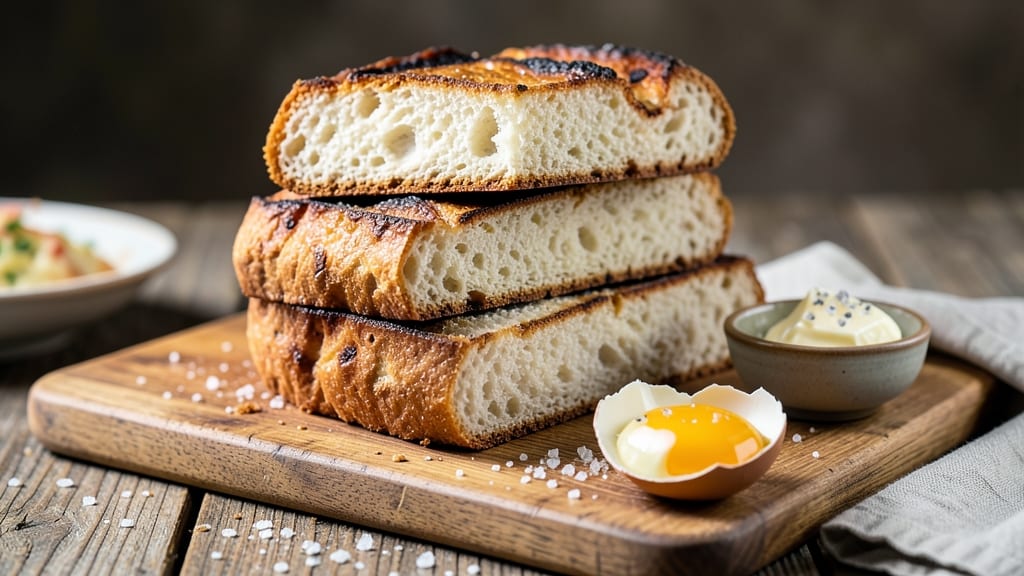
This at-home sandwich bread recipe delivers the soft, pillowy texture you crave—without a bread machine. 💛 The secret lies in precise hydration, proper kneading, and a controlled rise that creates that signature tender crumb perfect for sandwiches.
I've perfected this method after years of testing, ensuring every slice stays fresh longer and holds up to your favorite fillings.
The foundation of great sandwich bread is a balanced dough with just the right amount of flour, water, and yeast. Too much flour makes it dense; too little water makes it dry.
This recipe strikes that perfect balance, with a 30-minute knead that develops gluten for that ideal soft yet sturdy texture. The slow rise in a warm environment allows flavors to deepen while creating an open crumb structure.
What you'll end up with is a loaf that's golden on the outside with a soft, even crumb inside—ideal for slicing thin for sandwiches or toast. The bread stays fresh for days, making it perfect for meal prep.
No special equipment is needed beyond a mixing bowl and baking pan, so you can achieve bakery-quality results right in your kitchen.
For variations, try adding whole wheat flour for a nuttier flavor or mix in garlic and herbs for savory bread. The core technique remains the same, ensuring perfect results every time. Let's get started on your homemade sandwich bread!
Ingredients for at home sandwich bread
Nine simple ingredients transform into the perfect sandwich bread—soft, pillowy, and ready in hours!
| Ingredient | Amount | Notes |
|---|---|---|
| All-Purpose Flour 🌾 | 4 cups | King Arthur or Bob's Red Mill preferred |
| Instant Yeast 🍞 | 0.03 oz | Or 2.25 tsp active dry yeast |
| Granulated Sugar 🍚 | 0.03 oz | Or 2 tsp, helps yeast activate |
| Salt 🧂 | 1 ½ tsp | Diamond Crystal preferred |
| Unsalted Butter 🧈 | ½ cup | Cold, cubed for dough enrichment |
| Large Eggs 🥚 | 1 whole | Room temperature for best mixing |
| Warm Water 💧 | 1 ¼ cups | 110°F for ideal yeast activation |
| Olive Oil 🫒 | 1 tbsp | For dough softness and shine |
| Milk 🥛 | ¼ cup | Warm, enhances bread tenderness |
| Cornmeal 🌽 | ¼ cup | For dusting and crisp crust |
The flour is your foundation, so grab the good stuff—King Arthur or Bob's Red Mill have that perfect balance of protein for gluten development. Yeast is non-negotiable here; instant yeast saves time, but active dry works too (just let it proof first). The butter? Cold cubes distribute better in the dough—don't melt it first! For the water, aim for 110°F—too hot kills the yeast, too cold slows it down. Pro tip: Use a thermometer if you're unsure. I always pick up extra flour at Whole Foods—their bulk bins are perfect for baking.
No instant yeast? Active dry works at the same amount, just dissolve it in warm water first. Short on butter? Olive oil or coconut oil keeps the bread tender (though butter gives that signature flavor). The milk adds richness—whole milk works best, but any kind in a pinch. For a whole wheat variation, swap 1 cup of all-purpose for whole wheat flour. The cornmeal isn't just for dusting—it creates that crisp bottom crust that makes sandwich bread shine. And if you're feeling fancy, add a pinch of garlic powder to the dough for a savory twist!
This dough is a 2-day project, but worth it—first day for shaping and rising, second for baking. Store the shaped dough in the fridge overnight for deeper flavor. Baked loaves keep 3-4 days at room temp wrapped in a towel, or 1 week in the fridge. For longer storage, freeze slices between parchment paper for up to 3 months. Toast straight from frozen—no thawing needed! The secret to freshness? Slice with a serrated knife and store in an airtight container.
Why You'll Love This Recipe
- Five-Ingredient Magic: This bread comes together with just flour, yeast, sugar, salt, and butter—no fancy pantry staples. Honestly, I keep a bag of each on hand just for this: the yeast dissolves in warm water, the butter melts into the dough, and boom, you’re done mixing.
- Buttery Crust, Soft Core: That single stick of cold butter folded into the dough gives you a golden, crackly crust while keeping the inside pillowy. I’ll be real: it’s the kind of bread that makes toast taste like a victory lap.
- Weeknight Workhorse: Slice it fresh for grilled cheese, toast it for breakfast, or freeze the extras for lazy mornings. Between us, I’ve used this dough to stuff burgers, make croutons, and even brioche-style French toast—it’s my kitchen’s Swiss Army knife.
- Dollar Stretch: A single batch costs less than half what store-bought loaves do, and the leftovers last forever. I make two loaves on Sunday, wrap them in a towel, and they stay soft enough for sandwiches all week—no sad, rubbery bread here.
Step-by-step instructions for soft-crumb sandwich bread
Here's how to make bread so tender and flavorful, you'll never buy store-bought again.
👨🍳 Step 1: Activate the Yeast and Mix Wet Ingredients
In a small bowl, whisk together the 1.25 cups warm water (about 110°F—it should feel warm to your wrist but not hot), 0.03 oz granulated sugar, and 0.03 oz instant yeast. Let it sit for 5-10 minutes until foamy—this means your yeast is alive and ready to work. If it doesn't foam, your yeast might be dead, and you'll need to start over.
In a large mixing bowl, combine the 1 whole large egg, 0.25 cup warm milk, 1 tbsp olive oil, and the activated yeast mixture. Whisk until fully incorporated. This creates a rich, slightly tangy base that will give your bread incredible tenderness and flavor. The olive oil adds that perfect softness, while the milk enhances the crumb structure—trust me, it makes all the difference.
👨🍳 Step 2: Combine Dry Ingredients and Form the Dough
In the same bowl, add the 4 cups all-purpose flour and 1.5 tsp salt. Mix just until the dry ingredients are evenly distributed—you should still see some flour streaks. The goal here is to create a shaggy dough that's ready to develop gluten when we start kneading.
Now, add the 0.5 cup cold cubed unsalted butter to the bowl. Using your hands or a wooden spoon, work the butter into the dough until it's fully incorporated and the mixture starts to come together. The butter should be cold enough to resist melting completely, which will give your bread that irresistible richness and a slightly crisp crust. If the dough feels too sticky, add a tablespoon or two of flour at a time until it's manageable.
🥘 Step 3: Knead Until Smooth and Elastic
Turn the dough onto a lightly floured surface and knead for 8-10 minutes until it becomes smooth, elastic, and slightly tacky to the touch. You're building gluten, which gives bread its structure and chewiness. I like to use the "windowpane test" to check readiness—stretch a small piece of dough thin enough to see light through it without tearing. If it passes, your dough is ready.
During kneading, if the dough feels too dry, add a teaspoon of water at a time. If it's too sticky, add a little more flour. The perfect dough should hold its shape when pressed but still feel slightly soft. Once you're satisfied, place the dough back in the bowl, cover it with a damp towel, and let it rise in a warm spot for 1-1.5 hours, or until it has doubled in size. A warm oven with the light on works great for this—just place a bowl of hot water inside to create a humid environment.
⏰ Step 4: Shape, Proof, and Bake to Golden Perfection
Punch down the risen dough to release any air bubbles, then shape it into a loaf by folding the edges toward the center and sealing the seam. Place the loaf seam-side down in a greased 9x5-inch loaf pan that's been sprinkled with 0.25 cup cornmeal for that classic crisp crust. Cover the pan with a damp towel and let the dough proof for another 30-45 minutes until it rises about an inch above the pan.
Preheat your oven to 375°F while the dough proofs. Once it's ready, bake the bread for 30-35 minutes until it's golden brown and sounds hollow when tapped on the bottom. For extra browning, brush the top with a little milk or water just before baking. Let the bread cool in the pan for 10 minutes, then transfer it to a wire rack to cool completely before slicing. This resting period ensures clean slices and prevents a gummy crumb—patience pays off!
Pro Tips For Making At Home Sandwich Bread
- Weigh Your Butter: I learned this the hard way—measuring butter by volume leads to dry, crumbly loaves. Use a kitchen scale for 227g (1 cup) of unsalted butter, packed but not packed down. That 10g difference keeps your bread tender without turning it greasy.
- Let the Yeast Bloom: Skip the instant yeast shortcut and dissolve it in warm (110°F) water with sugar first—give it 5 minutes to froth. This guarantees it’s active before mixing with flour, or you’ll end up with dense, flat bread that’s more like a brick.
- Knead Just Enough: Overworking the dough ruins the gluten structure, making sandwich bread tough. Stop when it’s smooth and springs back when poked—about 8-10 minutes by hand. No need to tire yourself out; this isn’t pizza dough.
- Steam the Pan: Brush the loaf pan with softened butter and add a thin layer of water before baking. The steam creates that perfect crust without burning, and it’s easier than greasing with oil—no sticky mess to clean up later. (Yes, even if you’re impatient like me.)
Perfect pairings for these flavors
Classic Spreads
Nothing complements homemade sandwich bread like a thin layer of creamy peanut butter or smooth almond butter—I love pairing it with banana slices and a drizzle of honey for a sweet treat.
For savory options, try herb butter (mix softened butter with fresh parsley, chives, and a pinch of salt) or garlic aioli (whisk mayo with minced garlic, lemon juice, and a touch of Dijon mustard). 🥜
Cheese Pairings
This soft bread shines with sharp cheddar, provolone, or Gouda—try thin slices of aged cheddar with a sprinkle of smoked paprika for depth. For a melty option, layer mozzarella and provolone, then broil until bubbly.
I also love goat cheese with a drizzle of honey and cracked black pepper for a sophisticated twist. Pre-slice your favorite cheeses for quick assembly.
Meat & Deli Combinations
For hearty sandwiches, use thinly sliced roast beef, turkey breast, or prosciutto—the soft crumb holds up perfectly. I recommend corned beef with mustard and sauerkraut for a classic Reuben-style sandwich.
For a lighter option, try grilled chicken with avocado and arugula. Always slice meats against the grain for maximum tenderness.
Veggie & Salad Additions
Fresh tomato slices, cucumber ribbons, and sliced bell peppers add crunch and moisture. For a hearty option, pile on shredded lettuce, spinach, or arugula.
My go-to is avocado mash (smashed avocado with lime juice and salt) with a pinch of chili flakes for a creamy, spicy kick. Pickled veggies like red onions or jalapeños add tangy contrast.
Sweet Toppings
Transform your sandwich bread into a French toast by dipping slices in an egg-milk-cinnamon batter, then pan-frying until golden. For a quick dessert, spread Nutella and top with strawberries or banana slices. I also love cinnamon-sugar toast with a pat of butter—perfect for breakfast or a midday pick-me-up. 🍓
Beverage Pairings
A cold glass of milk is classic, but I prefer iced coffee or chai tea for a morning sandwich. For a savory spread, pair with sparkling water with lemon or a light lager like Peroni.
Sweet toppings? Try vanilla chai latte or hot chocolate to balance the flavors. Always keep drinks chilled for the best experience.
Nutrition facts
Frequently asked questions
Can I make this recipe without a stand mixer?
This dough only requires a 10-minute hand-knead on a lightly floured surface. Use the "windowpane test" to check readiness—stretch a small piece until translucent. For extra strength, knead for 12 minutes total. The butter adds richness, so work it in gradually to prevent melting.
Why did my bread turn out dense?
Dense bread usually means under-kneaded dough or overproofed yeast. Knead until smooth and elastic (8-10 minutes), and don't let dough rise beyond double its size. Also check your yeast—if it didn't foam when mixed with warm water, it's dead. Store-bought yeast expires quickly, so use fresh packages.
How do I store leftover sandwich bread?
Wrap cooled loaves in a clean kitchen towel and store at room temperature for 3-4 days. For longer storage, freeze slices between parchment paper in a sealed bag for up to 3 months. Toast straight from frozen—no thawing needed! The towel wrapping keeps bread soft longer than plastic.
Can I add whole wheat flour to this recipe?
Yes, but replace 1 cup all-purpose flour with whole wheat for a nuttier flavor. Add 1 extra tablespoon water since whole wheat absorbs more moisture. For best results, use a 50/50 blend—pure whole wheat can make the bread denser. The texture will be slightly heartier but still soft when fresh.
What's the best way to reheat stale sandwich bread?
For crispy toast, pop slices in a 375°F oven for 5-7 minutes with butter. For sandwiches, warm in a dry skillet over medium heat for 1-2 minutes per side. Microwaving works in a pinch (15 seconds), but adds moisture. The cornmeal crust actually helps bread reheat better than plain loaves!