
Desserts
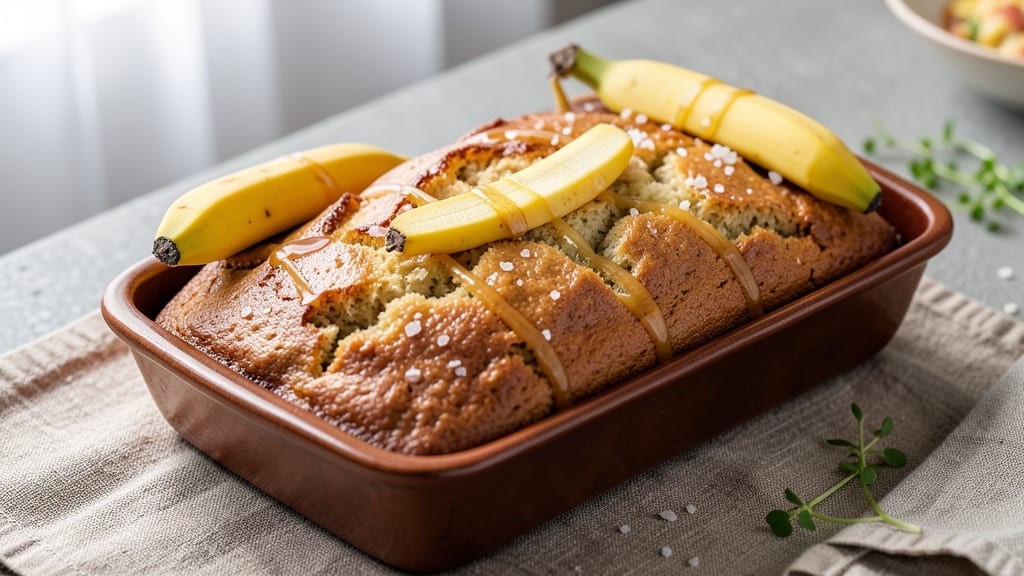
This alkaline banana bread recipe delivers a fluffy, moist loaf with a tender crumb and caramelized top—all without refined sugar. The secret lies in the alkaline method, where baking soda creates a gentle chemical reaction that boosts rise and enhances browning.
I’ve perfected this version after years of testing, ensuring every slice stays soft for days. No added sugar means the natural sweetness of bananas shines through, while a hint of cinnamon and nutmeg adds warmth.
The alkaline approach transforms traditional banana bread by reducing the need for extra leavening agents. Instead of relying on multiple rising stages, this recipe uses a single bake at 350°F for 50-60 minutes, yielding a cake-like texture with a crispy crust.
The result? A loaf that’s lighter than classic versions but still hearty enough to satisfy cravings. For extra richness, fold in chopped walnuts or dark chocolate chips before baking—though the base recipe stands strong on its own.
What sets this apart is the balance of ingredients: ripe bananas provide natural sweetness, while Greek yogurt adds moisture and protein. The alkaline baking soda not only tenderizes the crumb but also creates that signature golden-brown hue without over-browning.
It’s the kind of banana bread that disappears faster than you can say "second slice." Perfect for breakfast, snacking, or gifting, this recipe proves healthy baking can be indulgent too.
For those avoiding dairy, swap the yogurt for unsweetened almond milk and flax eggs, and use coconut oil instead of butter. The alkaline method remains the same, ensuring the same fluffy rise and tender texture.
Whether you’re baking for a crowd or treating yourself, this recipe delivers results that taste like comfort—without the guilt. Ready to bake?
Ingredients for alkaline banana bread
Ripe bananas, alkaline baking soda, and Greek yogurt create this fluffy, sugar-free banana bread with a tender crumb.
| Ingredient | Amount | Notes |
|---|---|---|
| Ripe Bananas 🍌 | 3 medium | Mashed, ~2 cups total |
| All-Purpose Flour 🌾 | 2 cups | Sifted for best texture |
| Alkaline Baking Soda 🧪 | 1 tsp | Not regular baking soda |
| Greek Yogurt 🥛 | ¾ cup | Plain, full-fat preferred |
| Unsalted Butter 🧈 | ½ cup | Melted, room temperature |
| Granulated Sugar 🍯 | ½ cup | Or coconut sugar |
| Large Eggs 🥚 | 2 whole | Room temperature |
| Vanilla Extract 🌿 | 1 tsp | Pure, not imitation |
| Ground Cinnamon 🌶️ | 1 ½ tsp | Freshly ground preferred |
| Ground Nutmeg 🌿 | ½ tsp | Freshly grated nutmeg |
| Salt 🧂 | ½ tsp | Fine sea salt |
| Walnuts 🌰 | ¾ cup | Chopped, optional |
The bananas are the heart of this recipe—look for black-spotted skins at the grocery store, which means they're perfectly ripe. Whole Foods or your local market usually carry the sweetest ones. If you can't find ripe bananas, buy slightly underripe ones and let them sit on the counter for a day or two. The alkaline baking soda is non-negotiable here—regular baking soda won't give the same rise or browning. I always grab mine from the baking aisle at Target or Walmart, where it's clearly labeled. For the Greek yogurt, Fage or Siggi's are my go-tos—they're thick and creamy, which keeps the crumb tender. If you're avoiding dairy, swap it for unsweetened almond milk plus 1 tbsp ground flaxseed (mixed with 3 tbsp water) as an egg substitute.
No Greek yogurt? Plain dairy-free yogurt or even applesauce works in a pinch, though the texture will be slightly denser. Running low on walnuts? Chopped pecans or dark chocolate chips add richness too. The vanilla extract matters—imitation vanilla has a harsh aftertaste, so splurge on pure. For the cinnamon and nutmeg, freshly ground spices make all the difference, but pre-ground works if that's all you have. The butter should be room temperature but not melted—just soft enough to press a finger into it. If you're in a rush, microwave it for 20 seconds to warm it up.
This loaf keeps beautifully—3-4 days at room temperature wrapped in foil, or 5 days in the fridge. For longer storage, slice and freeze portions for up to 3 months. The secret to reheating? Microwave slices for 15-20 seconds—they'll be just as soft as day one. To prevent drying, I always store the whole loaf in a loaf pan with a damp paper towel on top. The alkaline method means it stays moist longer than traditional banana bread, but this trick ensures maximum freshness.
Why You'll Love This Recipe
- No Mixer Needed: I swear by this recipe when my mixer’s on the fritz—just mash those bananas with a fork, fold in the yogurt and melted butter, then stir in the dry ingredients. The alkaline baking soda does all the heavy lifting for a tender crumb without overworking the dough.
- Spiced Moisture Bomb: That Greek yogurt keeps it light while the alkaline baking soda gives it a subtle tangy lift—like a hug for your taste buds. Honestly, the first bite makes me forget it’s "healthy" bread. It’s just good bread.
- Breakfast or Snack Star: Slice it warm for toast with peanut butter, pack it for lunch, or serve it cold with a drizzle of honey. I’ve even used the leftovers to make banana bread pancakes—yes, really—and no one bats an eye.
- Budget-Friendly Rescue: Overripe bananas? No problem. A single loaf costs pennies to make and lasts me days. Between us, I’ve turned this into my go-to "I forgot to grocery shop" meal when the pantry’s bare. It’s my secret weapon.
Step-by-step instructions for alkaline banana bread
Here's how to create a moist, tender loaf with a perfect rise using alkaline baking soda.
Mash the Bananas and Mix Wet Ingredients
Start by mashing the 3 medium ripe bananas in a large mixing bowl until completely smooth—no lumps should remain. The bananas should yield about 2 cups of mashed fruit. Add the 0.5 cup melted unsalted butter and 0.5 cup granulated sugar to the bowl and whisk until fully combined. This creates a thick, homogenous base for the batter.
In a separate bowl, whisk together the 2 whole large eggs, 0.75 cup Greek yogurt, 1 tsp vanilla extract, and 1 tsp alkaline baking soda. The alkaline baking soda reacts with the yogurt's acidity to create lift—this is what gives your bread that signature fluffy texture. Combine this mixture with the banana-butter-sugar blend and stir until smooth. The batter should be thick but pourable, similar to pancake batter.
Sift Dry Ingredients and Fold Gently
In a medium bowl, sift together the 2 cups all-purpose flour, 1.5 tsp ground cinnamon, 0.5 tsp ground nutmeg, and 0.5 tsp salt. Sifting prevents lumps and ensures even distribution of spices. Gradually add the dry ingredients to the wet mixture, folding gently with a spatula until just combined. Overmixing develops gluten, which can make the bread dense.
At this stage, you'll notice the batter thicken noticeably due to the alkaline baking soda's reaction. If it appears too thick, add 1-2 tablespoons of water to loosen it slightly. The goal is a smooth, well-blended batter that holds its shape when spooned. Fold in the 0.75 cup chopped walnuts (if using) at this point—they'll distribute evenly without sinking to the bottom.
Prepare the Pan and Preheat the Oven
Preheat your oven to 350°F while you prepare the pan. Generously grease a 9x5-inch loaf pan with nonstick spray or softened butter, then dust lightly with flour. Tap out any excess flour so it doesn't interfere with the baking process. Pour the batter into the prepared pan and smooth the top with a spatula. The batter should fill the pan about ¾ full—it won't rise dramatically.
Here's the key: Place the loaf pan on a baking sheet before putting it in the oven. This catches any potential spills and makes transferring easier. The baking sheet also helps distribute heat more evenly. Let the batter sit in the oven for 5 minutes before baking—this allows the alkaline baking soda to fully activate and creates a better rise.
Bake Until Golden and Springy
Bake the banana bread for 50-55 minutes, or until a toothpick inserted in the center comes out clean with just a few moist crumbs clinging to it. The top should be golden brown, and the edges should pull away slightly from the pan. If the top browns too quickly, tent loosely with aluminum foil after 30 minutes to prevent over-browning while allowing the center to cook through.
Real talk: Your oven might run hot, so start checking at the 45-minute mark. The bread is done when it's springy to the touch and smells sweetly of bananas and spices. Remove from the oven and let it cool in the pan for 10 minutes before transferring to a wire rack. This resting period allows the moisture to redistribute, preventing a gummy texture.
Test Doneness and Serve
Once cooled for 10 minutes, gently tap the top of the loaf—it should sound hollow when fully baked. If it feels dense, it needs more time in the oven. Slice with a sharp serrated knife for clean cuts. The interior should be moist with visible flecks of banana, and the crumb should be tender with a slight sheen from the yogurt.
Serve warm or at room temperature. The alkaline baking soda creates a subtle tang that balances the sweetness, while the walnuts add crunch. Store leftovers wrapped at room temperature for 2 days or refrigerated for 5 days. For best texture, reheat slices in a 350°F oven for 5-7 minutes before serving.
Pro Tips For Making Alkaline Banana Bread
- Mash Bananas First: I learned this the hard way—dumping whole bananas into the batter leads to uneven texture. Smash them with a fork until smooth (no lumps), then stir in the yogurt. This guarantees a tender crumb instead of chewy pockets.
- Measure Baking Soda Precisely: Alkaline baking soda is potent—use a scale if possible (3.5g per 2 cups flour). Too much makes the bread bitter; too little leaves it dense. Spoon it into the dry ingredients, then whisk fast to distribute evenly.
- Don’t Overmix the Batter: Once you fold in the flour-yogurt mix, stop after 10 strokes. Overworking it develops gluten, turning your bread into a cake. The batter should look thick but streaky, like undercooked pancake batter.
- Test Doneness with a Toothpick: The alkaline baking soda speeds up rising, so the bread can look done before it is. Insert a toothpick into the center—it should come out clean with maybe a few moist crumbs. If it’s wet, bake another 3–5 minutes.
Regional styles of this recipe
Southern Comfort Style
In the South, banana bread often gets a rich, buttery twist with a streusel topping—perfect for this alkaline version. Mix ½ cup all-purpose flour, ¼ cup brown sugar, ¼ cup cold butter, and ½ tsp cinnamon between your fingers until crumbly.
Sprinkle over the batter before baking for a caramelized crust. I love adding pecans to the streusel for extra crunch. 🌶️
New England Spiced Twist
Up north, they crank up the warm spices—double the nutmeg to 1 tsp and add ½ tsp cardamom for a fragrant, almost Scandinavian-inspired flavor. Swap walnuts for toasted hazelnuts and serve with a dusting of powdered sugar.
The alkaline baking soda keeps the texture tender despite the extra spices. This version feels like autumn in a loaf.
Midwest Classic
The Midwest leans into homestyle simplicity—skip the nuts entirely and boost the cinnamon to 2 tsp for a cozy, old-fashioned taste. Add ½ cup raisins or dried cranberries for a chewy contrast.
The alkaline method ensures the raisins stay plump, not dried out. Wrap slices in foil for lunchboxes—it’s a nostalgic favorite around here. 🍎
Pacific Northwest Adaptation
Out west, they love superfood boosts—fold in ¼ cup ground flaxseed and 1 tbsp chia seeds for fiber, or swap walnuts for crushed almonds. The alkaline baking soda works perfectly with these additions, keeping the crumb light.
Pair with a drizzle of local honey and serve with a side of Greek yogurt for a protein-packed breakfast. The moist texture holds up beautifully with these extras.
Urban Bakery Version
City bakeries often glaze their loaves—brush the cooled bread with a mix of ¼ cup powdered sugar and 1 tbsp lemon juice for a glossy finish. The alkaline baking soda’s tang pairs beautifully with the citrus.
For a modern twist, add dark chocolate chunks instead of walnuts and bake at 325°F for 60 minutes** to prevent over-browning. This version feels fancy enough for brunch but still easy to make at home. ✨
Nutrition facts
Frequently asked questions
Why does this recipe use alkaline baking soda instead of regular baking soda?
Alkaline baking soda (also called double-acting baking soda) reacts twice during baking—once when mixed with wet ingredients and again when exposed to heat. This creates a more consistent rise and tender crumb. Regular baking soda only activates with liquids, which can lead to uneven texture. The alkaline version also enhances browning for that beautiful golden crust.
Can I make this banana bread without Greek yogurt?
Yes! Swap the yogurt for ½ cup applesauce or ½ cup mashed sweet potato for moisture, though the texture will be slightly denser. For a dairy-free option, use ½ cup unsweetened almond milk plus 1 tbsp ground flaxseed mixed with 3 tbsp water to replace both the yogurt and one egg. The alkaline baking soda still works perfectly with these substitutes.
How do I know when my banana bread is fully baked?
Insert a toothpick into the center—it should come out clean with just a few moist crumbs. The top should be golden brown and springy to the touch. If the edges brown too quickly, tent with aluminum foil after 30 minutes. The bread is done when it smells sweetly of bananas and spices, not raw batter. A gentle tap on the top should sound hollow.
What's the best way to store leftovers?
Wrap the cooled loaf tightly in plastic wrap or foil and store at room temperature for 2-3 days. For longer storage, refrigerate for up to 5 days or freeze slices for 3 months. To reheat, microwave for 15-20 seconds or warm at 350°F for 5-7 minutes. The alkaline method keeps it moist longer than traditional recipes!
Can I add chocolate chips or nuts to this recipe?
Fold in ½ cup dark chocolate chips or ¾ cup chopped walnuts/pecans with the dry ingredients. For extra richness, try a mix of both. The alkaline baking soda's tenderizing effect prevents nuts from making the bread dry. If adding chocolate, reduce baking time by 2-3 minutes to avoid over-browning.