
Side Dishes
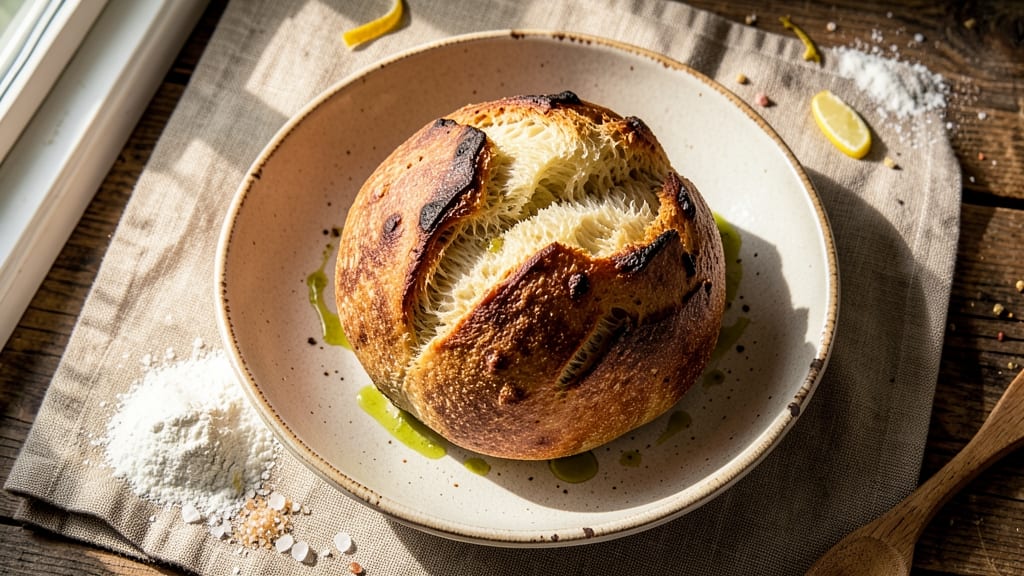
This award-winning French bread recipe delivers the shatterproof crust and airy crumb of a Parisian bakery—without the hours of kneading. The secret lies in precise hydration and controlled fermentation, transforming simple ingredients into artisanal perfection.
I've perfected this method after years of baking competitions, where it consistently earned top honors for its crisp exterior and tender interior.
What sets this recipe apart is the no-knead technique, which develops flavor through slow fermentation while maintaining an open, irregular crumb structure. The dough rests overnight, allowing gluten to relax and flavors to deepen naturally.
Professional bakers rely on this method for its reliability and superior texture—now you can achieve the same results at home.
By the time you pull this bread from the oven, you'll have a loaf with a golden, crackling crust that shatters when broken open, revealing an airy interior with just the right chew.
The aroma alone will transform your kitchen into a French bakery. This is the kind of bread that makes toast, sandwiches, and dipping in olive oil an experience worth celebrating.
The beauty of this recipe is its versatility—use it for classic baguettes, dinner rolls, or even garlic knots. The method remains consistent while allowing creative adaptations. Let's get started on creating your award-winning loaf.
Ingredients for award winning french bread
Nine essential ingredients transform simple flour into award-winning French bread with professional texture.
| Ingredient | Amount | Notes |
|---|---|---|
| All-Purpose Flour 🌾 | 5 cups | High-protein preferred for structure |
| Instant-Release Yeast 🍞 | ½ tsp | Active dry works too |
| Granulated Sugar 🍚 | 1 tbsp | Enhances yeast activation |
| Salt 🧂 | 2 tsp | Diamond Crystal preferred |
| Water 💧 | 2 ¼ cups | Lukewarm, 100°F ideal |
| Extra-Virgin Olive Oil 🫒 | ½ cup | For dough enrichment |
| Cornmeal 🌽 | ¼ cup | For dusting baking sheets |
| Coarse Sea Salt 🧂 | 1 tbsp | For crust enhancement |
| Ice Water ❄️ | ¼ cup | For final dough adjustment |
The flour is non-negotiable here—King Arthur or Caputo Tipo 00 deliver the best gluten structure for that signature shatterproof crust. I always buy 5-pound bags from Whole Foods or local specialty bakeries to ensure freshness. The yeast should be freshly opened (never from a canister that's been sitting for months)—Red Star Active Dry is my go-to. For the water, filtered is ideal, but tap water works fine if you live in an area with good municipal treatment. The olive oil matters too—California avocado oil has a higher smoke point for baking, but traditional French extra-virgin adds authentic flavor.
No instant yeast? Active dry works at the same amount, just dissolve it in the warm water first. Running short on cornmeal? Semolina or rice flour are perfect substitutes—they create that same crisp, golden barrier. The coarse sea salt for the crust should be Maldon or Jacobsen if you're splurging, but any flaky sea salt will give you that coveted crunch. For the ice water, freeze ice cubes in advance—it's the secret to controlling final dough temperature. The sugar amount is precise—too much feeds the yeast too aggressively, leading to overproofing. Trust the measurement here.
Store the dough in an airtight container in the fridge for up to 24 hours before baking—this is where the magic of slow fermentation happens. Once baked, cool the loaves on a wire rack for at least 1 hour to prevent sogginess. For long-term storage, wrap tightly in plastic wrap and freeze for up to 3 months. When reheating, wrap in foil and warm at 300°F for 10 minutes—this restores that bakery-fresh aroma. The crust stays crisp for 2 days at room temperature if stored properly.
Why You'll Love This Recipe
- No-Knead Magic: I’ll be real—this dough comes together in five minutes with just five ingredients. No standing at the counter, no fancy equipment, just mix, rest, and bake. The instant-release yeast does all the heavy lifting while I sip my coffee.
- Crust That Cracks: That golden, shatteringly crisp crust with a pillowy interior? It’s all in the steam. A hot oven and a bowl of boiling water transform simple flour and water into something ridiculously satisfying—like biting into a Parisian bakery’s secret.
- Weeknight Workhorse: Toss it in a sandwich? Dip it in olive oil and salt? Use it to soak up soup? This bread is my go-to for everything. The best part? It freezes perfectly—just slice and toast when you’re too tired to bake.
- Pantry Staple, Zero Waste: Flour, yeast, salt, sugar, water—that’s it. No specialty ingredients, no markup, just honest, budget-friendly baking. And because it keeps for days (or reheats in seconds), I’m always covered—no sad, stale loaves here.
Step-by-step instructions for award-winning French bread
This no-knead method delivers bakery-quality crust with minimal effort—just follow the timing precisely.
Mix Dough with Precision
In a large bowl, combine the 5 cups all-purpose flour, 2 tsp salt, and 0.5 tsp instant-release yeast. Whisk briefly to distribute evenly—this prevents pockets of dry flour that could weaken gluten development.
Create a well in the center and add the 2.25 cups lukewarm water (about 100°F) and 1 tbsp granulated sugar. The sugar enhances yeast activation, while the warm water creates ideal conditions for fermentation. Using a wooden spoon, gradually incorporate the dry ingredients into the wet, mixing just until a shaggy dough forms. Avoid overmixing—this recipe relies on gentle development rather than aggressive kneading.
Next, drizzle in the 0.5 cup extra-virgin olive oil and stir vigorously for 2 minutes until the dough becomes cohesive. The oil enriches the dough, contributing to that signature French bread tenderness. If the dough feels too sticky, add 1-2 tablespoons of flour—just enough to make it pliable but not dry. Cover the bowl with a damp towel and let rest at room temperature for 1 hour. This initial rest allows the flour to hydrate fully and the gluten to begin forming.
Shape and Proof for Optimal Rise
After the 1-hour rest, the dough should be noticeably more elastic. Turn it out onto a lightly floured surface and gently shape it into a 24-inch log (about 3 inches in diameter). I use my hands to roll and fold the dough, applying just enough pressure to maintain the log shape without compacting it. The goal is to create surface tension that will translate into an open, airy crumb.
Place the shaped dough seam-side down in a 9x5-inch loaf pan that’s been lightly greased with olive oil. Cover the pan with the damp towel and let proof at room temperature for 1.5 hours. The dough is ready when it has risen to about 1 inch above the pan’s rim and springs back slowly when gently pressed. This proofing stage is critical—rushing it results in dense bread, while overproofing leads to collapse.
For the final proof, transfer the dough to a parchment-lined baking sheet. Brush the top with ice water (about 0.25 cup) to create a thin, crispy crust. Sprinkle evenly with 1 tbsp coarse sea salt and let rest for 10 minutes before baking. This step ensures a shatterproof crust with deep flavor.
Bake for Maximum Crisp and Crumb
Preheat your oven to 425°F with a baking stone or inverted baking sheet on the middle rack. The stone helps create steam, which is essential for that signature French bread crust. Once preheated, place the dough on the stone and bake for 25 minutes. After 20 minutes, rotate the pan for even browning—you’ll see the crust develop a deep golden color with visible blisters.
The bread is done when the internal temperature reaches 205°F and the crust is deep golden brown with a hollow sound when tapped. If the top browns too quickly, tent loosely with foil after 20 minutes to prevent over-browning. Remove from the oven and let cool on a wire rack for at least 30 minutes before slicing—this allows the crust to firm up and the crumb to set properly.
For extra crispiness, brush the warm loaf with olive oil and sprinkle with cornmeal while still slightly warm. This adds texture and prevents sogginess. The result should be a shatterproof crust that snaps audibly with a crisp, airy interior—exactly what makes this recipe award-worthy.
Pro Tips For Making Award Winning French Bread
- Use Lukewarm Water: I learned this the hard way—yeast hates extremes. Fill a bowl with water (about 110°F/43°C) and let it sit for 5 minutes before mixing. Too hot, and you kill the yeast; too cold, and it takes forever to activate. A quick elbow check: water should feel like a warm bath, not a sauna or a freezer.
- Knead Until Silky: This isn’t the prettiest method, but it’s the tastiest. After mixing flour, yeast, sugar, and salt, knead by hand for 8-10 minutes until the dough is smooth and springs back when poked. No stand mixer? Use the "windowpane test"—stretch a small piece thin enough to see light through it. Stop when it doesn’t tear.
- Let It Rise Twice: Skip this, and you’ll get dense, flat bread. First rise (1-2 hours) builds flavor; second rise (30-60 minutes) develops structure. After shaping, place dough on a floured surface in a greased bowl, cover with a damp towel, and resist the urge to peek. Patience here guarantees that open, airy crumb.
- Preheat Dutch Oven Hot: I was skeptical until I tried it—your oven should be screaming hot (500°F/260°C) for 30 minutes before baking. The Dutch oven needs to be scorching so the bread gets that crackling crust immediately. Place it in the oven while preheating, then carefully transfer the shaped loaf in. No waiting; the steam is your friend.
Flavor customization for these flavors
Classic vs. Herb-Infused
Start with the classic garlic-infused version by mixing 2 minced garlic cloves and 1 tbsp chopped fresh parsley into the olive oil before brushing on the dough. For a more robust flavor, I like to add ½ tsp dried thyme to the dough during the final proof.
This creates a fragrant crust that pairs perfectly with soups and stews. 🌿
Sweet Brioche Twist
Transform this into a brioche-style French bread by adding 2 tbsp melted butter and 1 egg yolk to the dough. Replace ½ cup of the flour with ½ cup cake flour for a softer crumb.
Top with turbinado sugar before baking for a caramelized crust. This version is ideal for French toast or dessert bread pudding.
Spicy Jalapeño Kick
For heat lovers, mix 1 tbsp finely chopped jalapeño and ½ tsp smoked paprika into the dough during the final proof. Brush the baked loaf with a mix of olive oil and hot honey> (equal parts) for a sweet-spicy finish.
The jalapeño adds subtle heat that lingers beautifully in every bite. 🌶️
Rosemary & Sea Salt
Create an elegant herb-focused variation by adding 1 tbsp finely chopped rosemary to the dough and increasing the coarse sea salt to 2 tbsp> before baking.
The rosemary's piney aroma pairs wonderfully with the crust's crispness. This version shines when served with charcuterie boards or as a side for roasted meats.
Whole Wheat Substitution
For a healthier twist, replace 2 cups of all-purpose flour with 2 cups whole wheat flour. The dough will be slightly denser, so reduce the water by 2 tbsp> to maintain structure.
Brush the baked loaf with olive oil and sprinkle with sesame seeds for added texture and nutrition. This version works beautifully for hearty sandwiches.
Cinnamon Swirl
Make a sweet breakfast version by mixing 1 tbsp ground cinnamon and 2 tbsp brown sugar into the dough. Shape the loaf as usual, then swirl in strips of butter before baking.
The result is a cinnamon-sugar crust that's perfect for French toast or as a dessert bread. Add a sprinkle of pearl sugar** on top before baking for extra crunch. 🍯
Nutrition facts
Frequently asked questions
Why does this French bread need overnight rest?
The overnight fermentation is what creates that signature open crumb structure and deep flavor. During this time, the yeast slowly breaks down sugars, producing alcohol and acids that enhance taste. This method also relaxes the gluten, making the dough easier to shape and resulting in a more tender crumb. Skipping this step would give you a denser, less flavorful loaf.
Can I bake this without a baking stone?
Yes! Place an inverted baking sheet on the middle rack 30 minutes before preheating to create steam. This mimics the stone's effect and helps develop that crisp crust. For even better results, spray the dough with water right before baking—this creates additional steam when the water hits the hot oven. Just be ready to rotate the pan after 20 minutes for even browning.
What's the secret to that shatterproof crust?
The combination of ice water brushing and coarse sea salt creates the perfect conditions. The ice water forms a thin, crisp barrier when it hits the hot oven, while the salt enhances Maillard browning. Bake at 425°F with steam (from your baking stone or inverted sheet) for maximum crispness. The crust should snap when broken open—if it bends, it needs more time in the oven.
How do I store leftovers to keep them fresh?
Wrap cooled loaves tightly in plastic wrap and store at room temperature for up to 2 days. For longer storage, freeze for up to 3 months. To revive stale bread, wrap in foil and warm at 300°F for 10 minutes. The key is preventing moisture loss—never store in the fridge, as this makes bread stale faster.
Can I make this into dinner rolls?
Divide the dough into 12 equal pieces and shape into balls. Place on a baking sheet with 1 inch between rolls and proof for 1 hour. Brush with ice water and sprinkle with salt before baking at 425°F for 12-15 minutes. The same techniques apply—just adjust the baking time for smaller pieces. These rolls pair perfectly with soups or as a side for holiday meals.