
Side Dishes
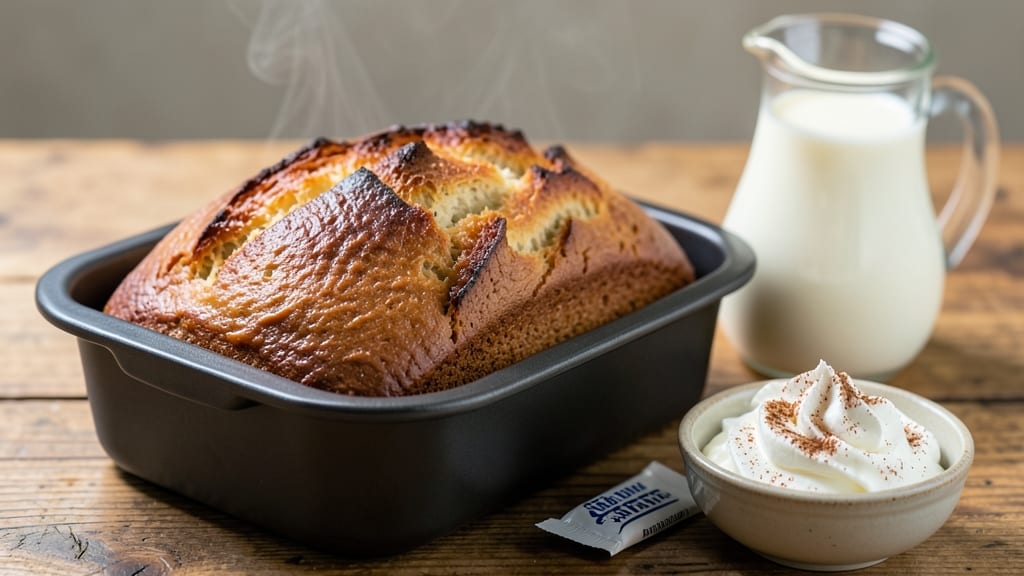
This Amish sweet bread machine recipe transforms a simple kitchen tool into a golden, swirled masterpiece with minimal effort. The secret lies in enriched dough—rich with butter, eggs, and milk—that creates a tender crumb and crusty crown you’d expect from a bakery.
I’ve adapted traditional Amish techniques for the bread machine, ensuring that slow rise and gentle kneading deliver that signature texture without the fuss of hand-mixing.
The dough’s magic comes from a vanilla-infused swirl that cuts through the richness, balancing sweetness with warmth. Unlike quick breads, this recipe relies on the machine’s slow rise cycle to develop flavor and structure, mimicking the patience of Amish baking traditions.
With just a few adjustments—like adding raisins or cinnamon—you can customize it to suit any occasion, from Sunday suppers to holiday gatherings.
What you’ll end up with is a loaf that’s soft yet sturdy, with a crackly crust and a tender crumb that practically melts in your mouth.
The bread machine does all the heavy lifting—kneading, rising, and even baking—while you focus on the finishing touches, like brushing the top with melted butter for extra shine. Perfect for sandwiches, toast, or simply enjoying warm from the pan.
This method is foolproof for beginners but still delivers restaurant-quality results, making it ideal for those who want tradition without the time commitment. Let’s get started—your bread machine is about to become your new best friend.
Ingredients for amish sweet bread machine
Four cups flour kickstarts this Amish-inspired dough, enriched with butter and eggs for that signature tender crumb.
| Ingredient | Amount | Notes |
|---|---|---|
| All-Purpose Flour 🌾 | 4 cups | Sifted for even texture |
| Granulated Sugar 🍚 | ½ cup | For sweetness balance |
| Unsalted Butter 🧈 | ½ cup | Softened, full-fat preferred |
| Large Eggs 🥚 | 2 whole | Room temperature for blending |
| Whole Milk 🥛 | 1 cup | Warmed slightly for dough |
| Active Dry Yeast 🍄 | 0.03 oz | 1 packet (2 1/4 tsp) |
| Vanilla Extract 🌸 | 2 tsp | Pure, high-quality preferred |
| Salt 🧂 | 1 tsp | Diamond Crystal preferred |
| Brown Sugar 🍯 | ¼ cup | Packed for swirl sweetness |
| Ground Cinnamon 🌿 | 1 tsp | For vanilla swirl warmth |
| Melted Butter 🧈 | 2 tbsp | For crust brushing |
| Raisins 🍇 | ½ cup | Optional, for texture |
The flour is non-negotiable here—King Arthur or Gold Medal work best for that perfect crumb structure. Butter matters too: Land O'Lakes or Plugrá brands give the best flavor, and always use full-fat for richness. Eggs should be at room temperature—cold eggs make the dough tough. For the yeast, Saf-Instant or Fleischmann's are reliable, but check the expiration date—old yeast won't activate. The vanilla extract? Nestlé Pure or McCormick are my go-tos, but any pure extract works. Pro tip: warm your milk slightly before adding it to the dough—just enough to feel cozy to the touch—this helps the yeast wake up faster.
No raisins? Chopped dates or apricots work beautifully for that sweet, chewy contrast. Short on brown sugar? Substitute white sugar plus a pinch of molasses for depth. The cinnamon can be swapped for cardamom or nutmeg if you're feeling adventurous, but stick with cinnamon for classic Amish flavor. If you're using a bread machine pan, make sure it's lightly greased—nonstick spray works best. And if your machine doesn't have a swirl function, just spoon the brown sugar-cinnamon mixture in a line down the center before starting the cycle. The dough will mix it in naturally during kneading.
This dough keeps beautifully in the fridge for up to 48 hours if you want to prep ahead—just let it sit at room temperature for 30 minutes before baking. The finished loaf stays fresh for 3-4 days wrapped in a clean kitchen towel, but honestly? It's even better the next day when the flavors meld. For freezing, slice the cooled loaf and store in a sealed bag for up to 3 months. Toasting frozen slices works perfectly—just add a few extra seconds. And if you're making this for a crowd, double the recipe—most bread machines can handle it with a slightly longer kneading time.
Why You'll Love This Recipe
- No-Knead Magic: I swear by this dough—just dump the flour, sugar, and butter into the machine, add eggs and milk, and let it do the work. No rolling, no fuss, just hands-off perfection while you sip coffee.
- Buttery Sweet Payoff: That rich blend of warm vanilla and melted butter? It’s like a hug in bread form. The crust stays tender, the crumb is pillowy, and honestly, it’s the kind of thing that makes me want to bake just to eat it fresh from the pan.
- Breakfast or Snack Hero: Serve it toasted with jam for a lazy morning or split into rolls for sandwiches—it’s my go-to for quick meals. Even my picky teenage nephew grabs seconds when it’s around.
- Pantry Staple Power: Uses basic ingredients you already own, and a single batch stretches into days of toast, French toast, or even breadcrumbs for meatballs. Between us, this is the recipe that saves my grocery budget every month.
Step-by-step instructions for Amish sweet bread machine recipe
Here's how to transform simple ingredients into a golden, swirled loaf with a crisp crust and tender interior.
Prepare the Dough in the Bread Machine
In the bread machine pan, combine the 4 cups all-purpose flour, 0.5 cup granulated sugar, 1 tsp salt, and 0.03 oz active dry yeast. This dry mix forms the foundation of our dough, and the yeast will activate beautifully once we add liquid. Make a well in the center and add the 2 whole large eggs, 1 cup whole milk, and 2 tsp vanilla extract.
Use the dough hook attachment if your machine has one, or simply close the lid and select the "Dough" setting. The machine will knead the dough for about 3-5 minutes until it's smooth and elastic. You'll know it's ready when it forms a cohesive ball that pulls away cleanly from the sides of the pan. The dough should be slightly tacky but not sticky—if it's too wet, add 1 tablespoon of flour at a time until it reaches the right consistency.
Create the Vanilla Swirl Filling
While the dough kneads, prepare the sweet filling by mixing 0.25 cup packed brown sugar, 1 tsp ground cinnamon, and 0.5 cup raisins in a small bowl. This combination gives the bread its signature warm, spiced sweetness. If you prefer a softer texture, you can lightly pulse the raisins in a food processor to break them up slightly, but I like them whole for a pleasant surprise in every bite.
Once the dough has finished kneading, remove it from the machine and place it on a lightly floured surface. Gently flatten it into an oval shape about ½-inch thick. Using a rolling pin, spread the brown sugar-cinnamon-raisin mixture evenly over the dough, leaving a ½-inch border around the edges. This ensures the filling stays contained during baking.
Shape and Rise the Dough
Carefully roll the dough into a log, starting from one of the long sides. Seal the seam by pinching the edges together firmly. Gently shape it into a 12-inch loaf by rolling it back and forth on the floured surface. This step is crucial—if the dough resists, let it rest for 5 minutes before continuing. Place the shaped loaf seam-side down in a greased 9x5-inch loaf pan.
Cover the pan loosely with a clean kitchen towel and let the dough rise in a warm place for 1-1.5 hours, or until it has nearly doubled in size. You'll see the dough puff up significantly and feel light when pressed gently. If the kitchen isn't warm enough, place the pan near a slightly warm oven (with the oven off) to encourage even rising. Overproofing can cause the bread to collapse, so keep an eye on it.
Bake to Golden Perfection
Preheat your oven to 350°F while the dough rises. Once the dough has risen sufficiently, brush the top of the loaf with 2 tbsp melted butter using a pastry brush. This step creates that beautiful, golden crust we all love. If you're feeling fancy, sprinkle a little extra granulated sugar on top for added crunch and sweetness.
Bake the loaf for 30-35 minutes, or until it reaches an internal temperature of 190-200°F and the top is deep golden brown. Tap the bottom of the loaf—it should sound hollow when done. If the top browns too quickly, tent it loosely with aluminum foil to prevent over-browning while ensuring the interior cooks through. The bread is ready when it pulls away cleanly from the pan and has a crisp crust with a tender, fluffy interior.
Cool and Serve
Remove the loaf from the oven and let it cool in the pan for 10 minutes. This allows the bread to set slightly and makes slicing easier. Transfer it to a wire rack to cool completely before slicing. The bread will continue to firm up as it cools, and the flavors will meld beautifully. Serve warm for the best experience—perhaps with a pat of butter or a drizzle of honey to enhance its natural sweetness.
This Amish sweet bread is perfect for breakfast, dessert, or as a delightful treat anytime. The vanilla swirls and cinnamon-kissed raisins create a harmonious balance of flavors, while the bread machine does all the hard work for you. Enjoy every slice of this comforting classic!
Pro Tips For Making Amish Sweet Bread Machine
- MEASURE MILK PRECISELY: That recipe calls for 1 cup whole milk, but don’t eyeball it—use a kitchen scale for 240 grams. I learned this the hard way when my dough came out either too stiff or gummy; milk’s water content varies by brand, and this recipe is sensitive to it.
- SOFTEN BUTTER RIGHT: Take the butter out of the fridge exactly 1 hour before mixing—no more, no less. Too soft and it melts into the dough, making it greasy; too firm and the machine struggles to cream it properly. Room temperature matters more than you’d think.
- DON’T OVERMIX THE DOUGH: Once the machine’s kneading cycle starts, stop checking on it. I used to peek every 30 seconds, and my bread always turned out dense. Let the machine do its job—overworking the gluten makes this sweet bread tough instead of tender.
- USE COLD EGGS FOR RISE: Chill those eggs for 10 minutes before adding them to the dough. Cold eggs hydrate the flour more evenly, which helps the yeast activate smoothly and gives you a better rise. Warm eggs? Your bread might collapse faster than you can say “sourdough.”
Common mistakes when making perfect results
Over-Kneading Dough
The bread machine does most of the work, but I’ve seen beginners leave the dough in too long, thinking more kneading equals better texture. Over-kneading develops too much gluten, making the bread tough instead of tender.
Most machines stop automatically, but if yours doesn’t, aim for 3-5 minutes max—the dough should pull away cleanly from the pan but still feel slightly tacky. If it looks like store-bought bread dough, you’ve gone too far. 💡
Skipping the Warm Rise
Amish bread traditions emphasize a slow, warm rise for flavor development, but many bread machine users skip this step. Without it, your loaf will lack that signature depth.
If your kitchen is chilly, place the dough near a warm oven (with light on) or use a proofing box set to 80°F. Never rush this—1-1.5 hours is ideal for that perfect rise. Overproofing is worse, but underproofing means a dense loaf.
Ignoring Dough Temperature
Cold ingredients (especially eggs and butter) can shock the yeast, slowing fermentation and leading to a flat loaf. Always use room-temperature eggs and softened butter (about 65°F). Warm the milk slightly too—just enough to feel cozy to the touch.
Cold dough rises slower and may not develop enough structure. I’ve ruined batches by skipping this, and the difference is night and day. ❄️
Filling Too Close to Edges
When adding the cinnamon-sugar swirl, leaving a ½-inch border is key—otherwise, the filling leaks out during baking, creating a messy loaf. If you’re nervous about shaping, flatten the dough slightly thicker (½-inch) to contain the filling better.
Pro tip: Use a pastry brush to gently pat the filling into the dough before rolling—this helps it adhere without spreading.
Overbaking for Crust Color
Amish bread should have a golden-brown crust, but many overbake to achieve this, drying out the interior. Check for doneness at 30 minutes—the internal temp should be 190-200°F.
If the top browns too fast, tent with foil. A hollow tap on the bottom confirms doneness. Overbaking turns the crumb gummy, and no one wants that. 🔥
Using Old Yeast
Expired yeast is the silent killer of bread machine recipes. Always check the package date—yeast loses potency over time, even if stored properly. For this recipe, use Saf-Instant or Fleischmann’s (fresh within 4 months). If your dough doesn’t rise after 30 minutes, your yeast is likely dead.
Test it by mixing a pinch with warm water and sugar—if it bubbles within 5 minutes, it’s active. No bubbles? Start over. 🍄
Nutrition facts
Frequently asked questions
Can I make this Amish sweet bread without a bread machine?
Yes! The dough can be mixed by hand, but the texture will differ slightly. Knead the dough on a floured surface for 8-10 minutes until smooth, then shape and let it rise in a greased bowl for 1-1.5 hours in a warm place. Bake at 350°F for 30-35 minutes in a loaf pan. The bread machine’s gentle kneading creates a lighter crumb, but hand-mixing still yields delicious results.
Why does my Amish sweet bread turn out dense?
Dense bread usually means the dough didn’t rise enough or was over-kneaded. Ensure your yeast is fresh and ingredients are room temperature. Let the dough rise in a warm spot (80°F) for the full 1-1.5 hours. Also, avoid over-kneading—stop when the dough pulls away cleanly from the pan but still feels slightly tacky.
Can I substitute raisins in this recipe?
Try chopped dates, dried cranberries, or even chocolate chips for a twist. For a fruitier flavor, use diced apples or pears, but toss them in lemon juice first to prevent browning. If using nuts, chopped pecans or walnuts add crunch—just reduce the sugar slightly to balance the sweetness.
How do I store leftover Amish sweet bread?
Wrap the cooled loaf tightly in a clean kitchen towel or plastic wrap to keep it soft. Store at room temperature for 3-4 days, or freeze slices in a sealed bag for up to 3 months. For extra freshness, place an apple slice near the bread—it releases moisture to prevent drying. Toasting frozen slices works perfectly!
What’s the best way to reheat sliced Amish sweet bread?
For warm, fresh-tasting slices, wrap them in a damp paper towel and microwave for 10-15 seconds. Alternatively, toast slices in a 350°F oven for 3-5 minutes until golden. Avoid the microwave without moisture—it can dry out the bread. For a crispy crust, broil for 1-2 minutes on high.