
Side Dishes
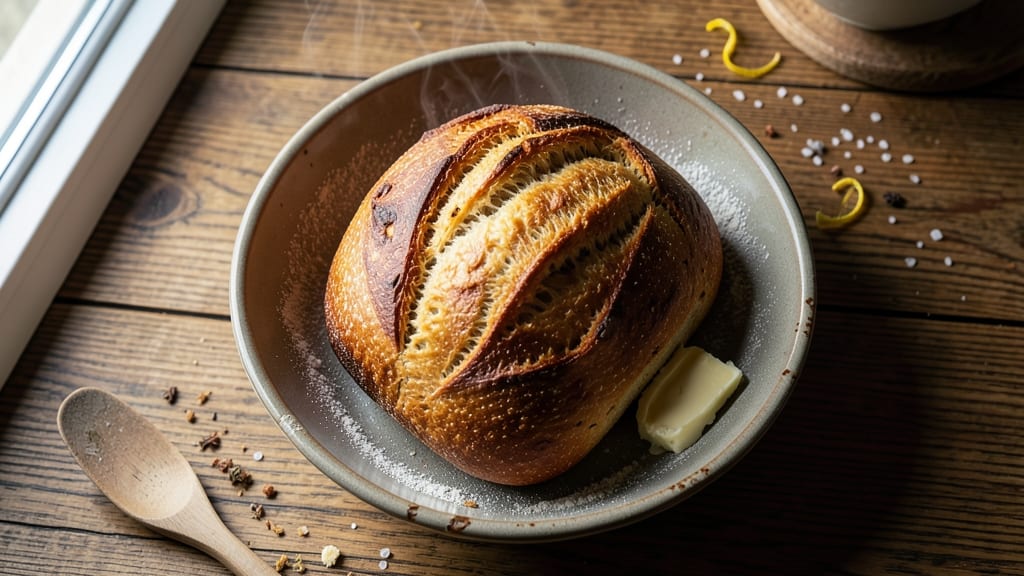
This active dry yeast no-knead bread recipe delivers restaurant-quality crusty crusts and airy interiors with just 5 minutes of prep and an overnight rise. The secret lies in slow fermentation, which develops deep flavor and creates that signature open crumb structure without any kneading.
After years of testing, I've perfected a method that's both foolproof and authentic to traditional yeast bread techniques.
The beauty of this approach is its simplicity: mix the dough, let it rest overnight in the fridge, then shape and bake. No stand mixer required, no complex techniques—just patience and a little time.
The dough's long fermentation creates a complex flavor profile that's impossible to achieve with quick-rise methods, while the high-heat bake produces a crispy crust with a tender, airy interior.
What you'll end up with is artisan-style bread that rivals your favorite bakery—golden crust with deep cracks, a crisp exterior, and a soft, chewy interior. The aroma alone will transform your kitchen into a bakery. This recipe is perfect for beginners and experienced bakers alike, producing consistent results every time.
Best of all, you can make it while you sleep—no early mornings required. The dough keeps beautifully in the refrigerator for up to 3 days, so you can bake fresh bread whenever you're ready. Let's get started on creating your perfect loaf.
Ingredients for active dry yeast bread recipe no knead
Nine simple ingredients transform into artisan-style bread with overnight magic and zero kneading.
| Ingredient | Amount | Notes |
|---|---|---|
| Active Dry Yeast 🍞 | ¼ tsp | Ensure it's fresh and viable |
| All-Purpose Flour 🌾 | 3 ½ cups | High-protein for structure |
| Granulated Sugar 🍚 | ½ tsp | Feeds yeast for fermentation |
| Unsalted Butter 🧈 | ½ cup | Cold, cubed for flavor |
| Warm Water 💧 | 1 ¼ cups | 110°F for yeast activation |
| Kosher Salt 🧂 | 1 ½ tsp | Diamond Crystal preferred |
| Olive Oil 🫒 | 1 tbsp | Extra-virgin for richness |
| Cornmeal 🌽 | ½ cup | For dusting baking sheet |
| Ice Water ❄️ | ¼ cup | For final dough shaping |
The yeast is your secret weapon—Bob’s Red Mill or Saf-Instant are my go-tos, but any active dry will work. Check expiration dates (yeast loses potency after 3-4 months). The flour matters too: King Arthur or Caputo Tipo 00 give that professional texture, but all-purpose works for home bakers. Cold butter creates pockets of flavor—don’t melt it! For the water, use a thermometer to hit 110°F—too hot kills yeast, too cold slows activation. If you’re in a pinch, warm tap water works, but I’ve had better results with a dedicated thermometer.
No yeast? Instant yeast at half the amount works in a pinch. Short on butter? Olive oil or coconut oil keeps the dough tender. The sugar can be swapped for honey or maple syrup (reduce water slightly). For a flakier crust, add 1 tbsp melted butter to the cornmeal. The ice water might seem odd, but it helps shape the dough and prevents overproofing. If your kitchen’s warm, chill the dough longer—up to 48 hours for deeper flavor. The olive oil? Don’t skimp—it’s what gives that golden crust its shine.
This dough is a fridge magnet—it keeps 3 days in an airtight container, so you can bake fresh whenever cravings strike. For best results, let it come to room temp before shaping (about 1 hour). The proofing stage is critical: look for 50-75% rise before baking. Bake immediately after shaping for that signature crust. Leftovers? Toast them—crusty bread transforms into croutons or French toast. Freeze shaped loaves for up to 1 month—just thaw overnight before baking.
Why You'll Love This Recipe
- No-Knead Magic: I swear by this trick—just mix, wait, and bake. No punishing kneading, no overworked arms. The yeast does all the heavy lifting while I sip coffee.
- Buttery Soft Crust: That warm butter folded into the dough? It melts into a tender, golden crust with a hint of sweetness from the sugar. Not too sweet, just enough to make every bite feel like a little treat.
- Weeknight Hero: I make a loaf on Sundays, slice it for toast all week, or freeze half for lazy mornings. The dough’s forgiving—even if I forget it overnight, it still rises like a champ.
- Pantry Staple Power: Flour, yeast, sugar, butter—ingredients you already own. No fancy substitutions needed. Honestly, it’s the kind of bread that makes me feel like I’ve earned my dinner, even when I haven’t done a thing but mix.
Step-by-step instructions for perfect no-knead bread with active dry yeast
Here's how to transform simple ingredients into artisanal-style bread with minimal effort but maximum flavor.
Activate the Yeast with Warm Water and Sugar
In a large bowl, combine the 1.25 cups warm water (about 110°F) with the 0.5 tsp granulated sugar. Sprinkle the 0.25 tsp active dry yeast over the surface and let it sit for 5-10 minutes until foamy. This foaming action confirms your yeast is alive and ready to work its magic.
I always test the water temperature first with my finger—it should feel warm but not hot to the touch. If the yeast doesn't foam, it's either dead or the water was too hot. In that case, start fresh with a new pinch of yeast and slightly cooler water.
Mix the Dough and Incorporate Butter
Add the 3.5 cups all-purpose flour and 1.5 tsp kosher salt to the yeast mixture. Stir vigorously with a wooden spoon until a shaggy dough forms. Then add the 0.5 cup cold cubed unsalted butter and the 1 tbsp olive oil, mixing until the butter begins to melt and incorporate.
Here's where it gets interesting—the butter should create pockets of richness that develop into that signature tender crumb. If the dough feels too stiff, add 1 tablespoon of ice water at a time until it becomes pliable but still slightly sticky. The dough should gather around your spoon when lifted.
Overnight Rise at Room Temperature
Cover the bowl loosely with plastic wrap and let the dough rise at room temperature for 12-16 hours. I place mine in a slightly warm spot (around 70°F) to encourage fermentation without overheating. You'll know it's ready when the dough has nearly doubled in size and looks puffy with bubbles throughout.
Don't rush this step—long fermentation develops complex flavors and that signature open crumb structure. If your kitchen is cold, extend the rise time to 18 hours. The dough will be ready when it springs back slowly when gently poked with a finger.
Shape and Final Rise
Lightly flour a clean surface and turn out the dough. Gently shape it into a round loaf by folding the edges toward the center. Place the shaped dough seam-side up in a bowl and cover it with a damp towel. Let it rise for another 1-2 hours until it's noticeably puffier.
This final rise is crucial for developing oven spring—the dramatic rise that creates that beautiful crusty exterior. The dough should feel light and airy when pressed gently. If it hasn't risen much after 2 hours, give it another 30 minutes in a warmer spot.
Bake with Cornmeal for Crusty Perfection
Preheat your oven to 450°F with a Dutch oven inside for 30 minutes. Remove the Dutch oven and dust the bottom generously with 0.5 cup cornmeal. Carefully transfer the dough to the hot Dutch oven, sprinkling more cornmeal on top.
Bake uncovered for 30 minutes, then remove the lid and bake for another 10-15 minutes until the bread is deep golden brown. The internal temperature should reach 205-210°F. Tap the bottom—it should sound hollow when done.
Cool and Enjoy
Remove the bread from the Dutch oven and let it cool on a wire rack for at least 1 hour before slicing. This resting period allows the steam to escape and prevents a gummy crumb. The crust should be crisp and shatterable, while the interior reveals an open, airy crumb with pockets of butter flavor.
Slice into thick pieces to showcase that beautiful interior structure. The bread keeps well for 3-4 days at room temperature or can be frozen for up to 3 months. Perfect for toast, sandwiches, or simply enjoying with butter straight from the oven.
Pro Tips For Making Active Dry Yeast Bread Recipe No Knead
- MEASURE WATER TEMPERATURE: I learned this the hard way—yeast hates extremes. Use a thermometer to confirm your warm water is between 105°F and 110°F (like a warm bath, not a sauna). Too hot and it kills the yeast; too cool and it won’t activate properly. If you’re eyeballing it, dip your pinky finger in—should feel hot but not scalding.
- SOAK THE YEAST FIRST: Skip the dry sprinkle—this is where flavor starts. Mix the yeast with 1 tablespoon sugar + ¼ cup warm water in a small bowl, let it sit for 5 minutes until frothy. Then add the rest of the water. This guarantees your yeast is active before it hits the flour, and the sugar jumpstarts fermentation.
- DON’T OVERMIX THE DOUGH: After combining flour, yeast mixture, and butter, stir just until the dough comes together—lumps are fine. Overmixing develops gluten, which turns your no-knead bread into a dense loaf. Think "shaggy dog" texture, not smooth batter. Resist the urge to "fix" it.
- USE COLD BUTTER FOR CRUST: Cut the butter into small cubes and let them sit in the fridge while you mix the dough. When you fold them in, they’ll stay cold longer, creating steam during baking and a chewier, crackly crust instead of a flat top. (Yes, even if the recipe says "softened.")
Creative variations of active dry yeast bread recipe no knead
Herbed Garlic Twist
Infuse your dough with Mediterranean flavors by adding 2 tbsp finely chopped fresh rosemary and 1 tbsp minced garlic to the flour mixture. The rosemary adds an earthy depth while the garlic enhances the buttery richness.
For extra aroma, I sometimes sprinkle 1 tsp dried oregano into the dough along with the salt. Brush the baked loaf with melted garlic butter (mix 2 tbsp softened butter with 1 tsp minced garlic) before serving for that restaurant-quality finish. 🌿
Seeded Whole Grain
Transform this into a nutritious whole grain loaf by replacing 1 cup of all-purpose flour with 1 cup whole wheat flour or 1 cup rye flour. For added texture and nutrition, stir in ¼ cup mixed seeds (sunflower, sesame, or pumpkin) along with the butter.
The seeds add crunch and a subtle nutty flavor that pairs beautifully with the crusty exterior. I recommend toasting the seeds in a dry pan for 2-3 minutes before mixing to enhance their flavor. 🌾
Sweet Dinner Roll
Create sweet dinner rolls by reducing the sugar to 1 tbsp and adding ¼ cup honey or maple syrup to the dough. Replace ½ cup of the flour with ½ cup ground almond flour for a tender crumb.
Shape the dough into small balls and place them on a parchment-lined baking sheet. Bake as directed but reduce the temperature to 375°F and bake for 20-25 minutes until golden. These rolls are perfect for serving with breakfast or alongside savory dishes. 🍯
Cheesy Bread Loaf
For a cheesy twist, fold 1 cup shredded sharp cheddar cheese into the dough after the initial rise. The cheese melts beautifully during baking, creating pockets of gooey goodness throughout the loaf.
I also like to add ½ tsp smoked paprika for a subtle smoky flavor that pairs perfectly with the cheese. Shape the dough into a round loaf and bake as usual, but keep an eye on it—the cheese can cause the bread to brown faster. 🧀
Sourdough-Inspired
Give your bread a sourdough-like tang by adding ¼ cup sourdough discard (from your starter) to the dough after mixing. The discard adds complexity and a subtle sour note that develops during the overnight rise.
If you don’t have sourdough discard, substitute with 1 tbsp apple cider vinegar or lemon juice for a similar effect. This variation is perfect for those who love the depth of flavor found in traditional sourdough bread. 🍞
Everything Bagel Style
Create an everything bagel-inspired loaf by adding 2 tbsp poppy seeds, 2 tbsp sesame seeds, 1 tbsp dried onion flakes, and 1 tbsp dried garlic flakes to the dough. Mix them into the flour before combining with the wet ingredients.
After shaping, sprinkle the top of the dough with an extra 1 tbsp sesame seeds before baking. The seeds toast beautifully in the oven, creating a crunchy, flavorful crust that’s perfect for dipping in cream cheese or using for sandwiches. 🌰
Nutrition facts
Frequently asked questions
Can I use instant yeast instead of active dry yeast?
Yes! You can substitute ½ teaspoon instant yeast for the ¼ teaspoon active dry yeast in this recipe. The key difference is that instant yeast doesn't need activation—just sprinkle it directly into the dry ingredients. Since it's stronger, use half the amount. For best results, mix it with the flour before adding liquids.
What if my dough doesn't rise overnight?
First check your yeast—it may be expired. Test it by mixing ½ tsp yeast with ¼ cup warm water and 1 tsp sugar. If it doesn't foam in 10 minutes, replace it. Also ensure your kitchen is warm enough (70°F) and the dough is covered loosely. If it's still flat, try extending the rise time to 24 hours in a warmer spot.
Can I make this bread without a Dutch oven?
Use a heavy oven-safe pot with a lid or even a baking sheet lined with parchment paper. For extra crustiness, place a metal bowl upside-down on the baking sheet during the first 20 minutes of baking. The bread will be less crusty but still delicious. Just bake for 5-10 extra minutes to compensate.
How do I know when the bread is fully baked?
Look for a deep golden brown crust with cracks forming. The internal temperature should reach 205-210°F. Tap the bottom—it should sound hollow when done. If it's browned but still dense, bake for 5-10 more minutes. Never rely on color alone, as ovens vary.
Can I freeze the dough before baking?
Yes! Shape the dough as directed, then wrap it tightly in plastic wrap followed by a towel. Freeze for up to 3 months. Thaw overnight in the fridge, then proceed with the final rise and baking. For best results, let it come to room temperature before shaping. The texture will be slightly denser but still excellent.