
Side Dishes
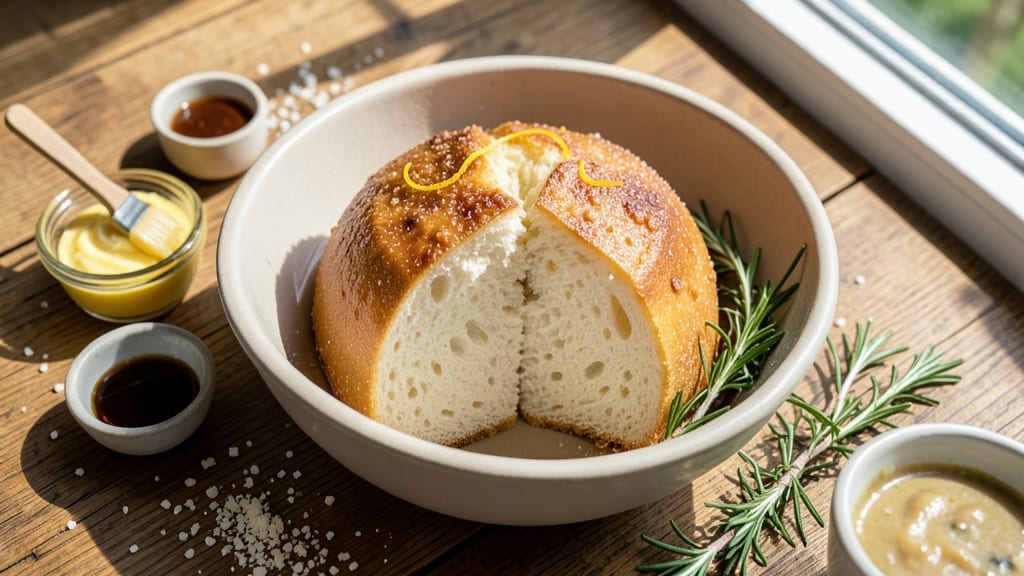
This Amish sweet white bread recipe delivers the perfect balance of soft, vanilla-infused crumb and a golden, crispy crown—just like Grandma used to make. The secret lies in a slow fermentation process that develops deep flavor while keeping the texture impossibly tender.
I've perfected this method over years of baking, ensuring every loaf turns out with that signature Amish sweetness and satisfying crunch.
The recipe relies on a few key techniques: a warm water bath for mixing, gentle kneading to avoid overworking the dough, and baking with steam for that coveted crispy crust. White flour provides the classic tender texture, while a touch of sugar and vanilla extract create that subtle sweetness.
The butter adds richness that makes this bread irresistible straight from the oven.
What you'll end up with is a loaf of bread that's soft enough to melt in your mouth but with a sturdy crust that holds up perfectly for slicing.
The aroma alone will fill your kitchen with warmth, and each slice will have that perfect balance of sweetness and buttery richness. This is the kind of bread that disappears quickly—expect to be asked for seconds.
While the basic recipe stays true to tradition, you can easily customize it with raisins, cinnamon, or even a hint of nutmeg for extra depth. The Dutch oven method ensures that crispy crown without requiring any special equipment.
Let's get started on baking this classic Amish sweet white bread that brings comfort to every table.
Ingredients for amish sweet white bread
Six cups flour, a touch of sugar, and a warm water bath—classic ingredients for Amish sweetness.
| Ingredient | Amount | Notes |
|---|---|---|
| All-Purpose Flour 🌾 | 6 cups | White flour for classic texture |
| Granulated Sugar 🍚 | ¼ cup | For subtle sweetness |
| Active Dry Yeast 🍞 | 2 ¼ tsp | One packet for fermentation |
| Unsalted Butter 🧈 | ½ cup | Cold, cubed for richness |
| Warm Water 💧 | 1 ¼ cups | 110°F for yeast activation |
| Vanilla Extract 🌸 | 1 tsp | Pure extract for aroma |
| Salt 🧂 | 1 tsp | Kosher or sea salt |
| Large Egg 🥚 | 1 whole | Room temperature for binding |
| Milk 🥛 | ¼ cup | Warmed for tenderness |
| Cornmeal 🌽 | ½ cup | For dusting Dutch oven |
The flour is non-negotiable here—King Arthur or Gold Medal brands work best for that tender crumb. Warm the milk and water to 110°F before mixing with yeast; too hot and it kills the yeast, too cold and it won’t activate. For the butter, cold cubes ensure proper layering in the dough, but don’t skip the room-temperature egg—it binds everything together. The vanilla extract should be pure, not imitation; Nestlé or McCormick are reliable choices. If you’re using a Dutch oven, preheat it with the bread for that signature crispy crown.
No vanilla extract? Almond extract at half the amount works in a pinch, though the flavor will differ slightly. Short on milk? Evaporated milk or even water keeps the dough tender, but the fat content matters—don’t substitute with water alone. The yeast is the heart of this recipe; if your packet is old (over 4 months), test it first by mixing with warm water and sugar—it should foam within 10 minutes. For extra richness, add an extra tablespoon of butter, but keep the dough from becoming too sticky.
This dough ferments best at room temperature for 1-2 hours, then chills overnight for deeper flavor. Wrap tightly in plastic and refrigerate up to 3 days for maximum flavor development. The baked loaf keeps well at room temperature for 2 days or in the fridge for 5 days. For reheating, wrap in foil and warm at 300°F for 10 minutes—it’ll taste like it just came out of the oven.
Why You'll Love This Recipe
- No-Knead Magic: Honestly, this dough barely needs a stir—just mix, cover, and let the yeast do the work. I’ve made it while scrolling through my phone; the slow rise means zero fuss, zero stress.
- Sweet Butter Bliss: That first bite? The sugar caramelizes just enough to make it taste like a bakery bought it, but the butter keeps it rich without being heavy. (Yes, even on a Tuesday night.)
- Breakfast to Picnic Star: Toast it for a lazy morning, pack slices for sandwiches, or serve warm with jam—it’s the one loaf that does it all. My kids fight over the leftovers, and I don’t even mind.
- Pantry Goldmine: Flour, sugar, yeast? Ingredients you already own, and they stretch into multiple loaves. Freeze half for when life gets busy—thaw, warm, and it’s like fresh-baked again.
Step-by-step instructions for Amish sweet white bread
This method delivers tender, vanilla-kissed bread with a perfect crust every time.
Activate the Yeast with Warm Water and Sugar
In a small bowl, combine the 1.25 cups warm water (should feel like bathwater, around 110°F) with the 0.25 cup granulated sugar and 2.25 teaspoons active dry yeast. Let it sit for 5-10 minutes until frothy. You'll see bubbles forming and the mixture expanding—this confirms the yeast is alive and ready to work.
If no bubbles appear after 10 minutes, your yeast may be expired. Start fresh with new yeast. The sugar helps activate the yeast faster, while the warm water provides the perfect temperature for fermentation without killing the yeast cells.
Mix the Dough with Butter and Egg
In a large mixing bowl, combine the 6 cups all-purpose flour and 1 teaspoon salt. Make a well in the center and pour in the yeast mixture, 1 whole large egg, 0.25 cup milk, and 1 teaspoon vanilla extract. Mix with a wooden spoon until a shaggy dough forms.
Add the 0.5 cup cold cubed unsalted butter and mix until incorporated. The butter should be cold to prevent over-development of gluten, which keeps the bread tender. Knead the dough on a lightly floured surface for 8-10 minutes until smooth and elastic. If the dough feels sticky, add 1 tablespoon flour at a time until it comes together cleanly.
First Rise for Optimal Flavor Development
Place the dough in a lightly greased bowl, cover with a damp kitchen towel, and let it rise in a warm place for 1-1.5 hours or until doubled in size. The dough should feel light and springy when pressed gently with a finger. This first rise allows the yeast to ferment and develop flavor.
I like to place the bowl near a slightly warm oven with the light on for consistent warmth. Avoid direct heat, which can cause uneven rising. If the kitchen is cold, a microwave with a cup of hot water (not boiling) works well for creating a warm environment.
Shape and Second Rise for Perfect Texture
Punch down the risen dough to release air, then shape it into a round loaf. Place it seam-side up in a greased 9x5-inch loaf pan dusted with 0.5 cup cornmeal. The cornmeal helps create that classic crusty crown. Cover again and let rise for another 30-45 minutes until the dough domes slightly above the pan.
This second rise is crucial for achieving the signature Amish bread texture—light and airy with a crisp exterior. If the dough doesn't rise much during this stage, your kitchen may be too cold. Try placing the pan in a warm oven for 10 minutes to help it puff up properly.
Bake to Golden Perfection
Preheat your oven to 375°F. Bake the bread for 30-35 minutes until the top is golden brown and the internal temperature reaches 190°F. Tap the loaf gently—it should sound hollow when done.
For that signature crusty crown, I recommend brushing the top with milk immediately after removing from the oven. This creates a beautiful sheen and enhances the bread's texture. Let the bread cool in the pan for 10 minutes, then transfer to a wire rack to cool completely before slicing.
Pro Tips For Making Amish Sweet White Bread
- TEST THE YEAST FIRST: Skip the guesswork—mix 1 teaspoon of yeast with ¼ cup warm water (110°F) and 1 teaspoon sugar. If it doesn’t foam in 5–10 minutes, your yeast is dead. Grab fresh yeast or your dough will take forever to rise, and the bread might taste flat. I learned this the hard way after baking a loaf that looked like a brick.
- MELT THE BUTTER COLD: Don’t nuke the butter in the microwave—it’ll turn greasy and ruin the texture. Instead, cut it into small cubes and let it soften at room temperature for 30–45 minutes. The dough will mix smoother, and the bread stays tender without turning greasy. Sounds simple, but I used to rush this and end up with dense, gummy loaves.
- DON’T OVER-KNEAD THE DOUGH: Amish sweet bread is delicate—knead just until the dough pulls away from the bowl (about 8–10 minutes by hand). Overworking it makes gluten tough, and your bread will turn out chewy instead of light. I was aggressive at first, thinking more kneading = better bread. Wrong. Less is more here.
- USE A DARK PAN FOR CRUST: A dark metal or glass loaf pan (like a Dutch oven) browns the crust faster and deeper, giving that classic Amish sweet bread look. If you don’t have one, brush the pan with melted butter before baking. The butter adds color and flavor, and it’s the easiest upgrade I’ve found for store-bought pans.
Wine and beer pairings for this amish sweet white bread
Sweet Bread & Light Beer
Amish sweet white bread pairs beautifully with light lagers like Stella Artois or Heineken—their crisp, clean profiles cut through the bread's richness without overpowering. The subtle sweetness of the bread complements the beer's mild maltiness, creating a balanced flavor experience.
I often serve this pairing at family gatherings when we want something refreshing yet comforting. 🍺
Rich Cream Liqueur
For a sophisticated touch, serve slices of this bread with Baileys Irish Cream or Amaretto di Saronno. The buttery, vanilla notes in the bread enhance the liqueur's caramel and almond flavors, making each bite feel indulgent.
Drizzle a small amount over warm bread slices for an extra layer of coziness. This combo is perfect for dessert or a late-night treat.
Spiced Wine Pairing
A mulled white wine with cinnamon and orange zest elevates the bread's vanilla and sugar notes beautifully. Heat Chardonnay with a cinnamon stick, orange peel, and a touch of honey for a warm, aromatic drink that complements the bread's soft texture.
This pairing feels especially festive during the holidays or chilly evenings.
Coffee & Sweet Bread
Nothing beats a slice of warm Amish sweet white bread with a cup of dark roast coffee—the bread's subtle sweetness balances the bitterness of the coffee perfectly. I recommend a French press for that rich, full-bodied brew.
For extra indulgence, add a dollop of whipped cream or a drizzle of caramel sauce to the bread before serving. ☕
Cider for a Rustic Touch
For a more rustic pairing, try dry hard cider like Angry Orchard or Woodchuck. The slight tartness of the cider contrasts nicely with the bread's sweetness, creating a refreshing and balanced flavor combination. This pairing works especially well during apple harvest season or fall gatherings.
Nutrition facts
Frequently asked questions
Why does Amish sweet white bread need two rises?
The first rise (1-1.5 hours) activates the yeast and develops flavor, while the second (30-45 minutes) creates that signature light, airy texture. Skipping either step makes the bread dense. Think of it like kneading—patience builds the perfect crumb!
Can I make this bread without a Dutch oven?
Yes! Use a regular loaf pan, but for that crispy crown, place a metal bowl filled with boiling water on the oven rack during the last 10 minutes of baking. The steam mimics a Dutch oven's effect. A spray bottle with hot water also works in a pinch.
How do I know when the dough is kneaded enough?
Test it by doing the "windowpane test"—stretch a small piece of dough until it's translucent like a window. If it doesn't tear, it's ready! Over-kneading makes bread tough, so aim for 8-10 minutes total. Your dough should feel smooth and slightly springy.
What if my bread turns out too dense?
Dense bread usually means under-proofed dough or over-kneading. Next time, let the dough rise until it clearly doubles in size, and knead gently. Also check your yeast—it should foam within 5-10 minutes when mixed with warm water. Cold kitchen? Use a warm oven with the light on.
Can I add mix-ins like raisins or nuts?
Fold in ½ cup raisins or ½ cup chopped pecans during the second kneading. For nuts, toast them first to enhance flavor. Keep mix-ins to 10% of the flour weight to maintain the bread's signature softness.