
Appetizers
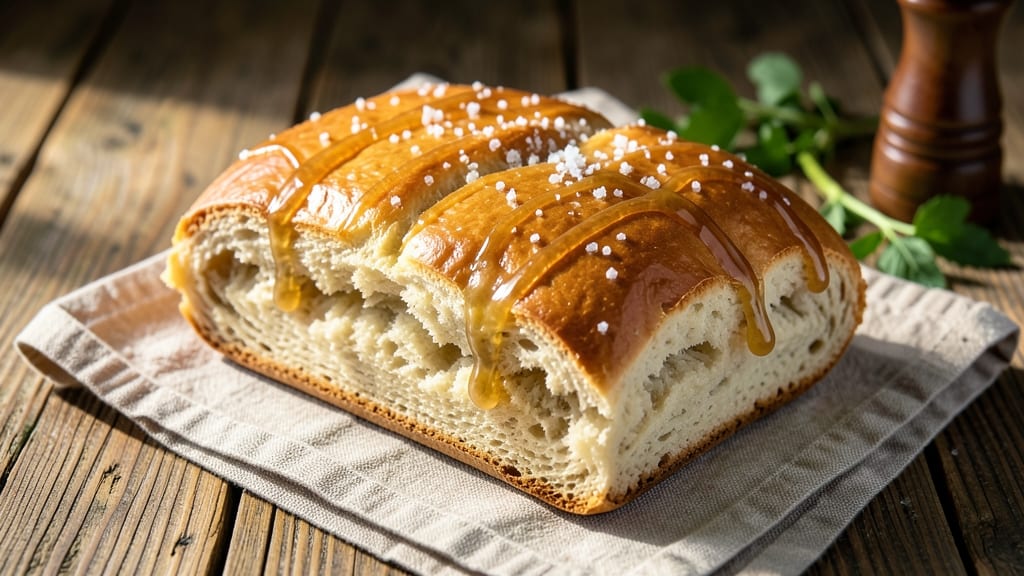
This Amish friendship bread starter recipe printable transforms simple ingredients into layers of fluffy, tangy perfection—just like the loaves that bring neighbors together at church socials. ✨ The secret lies in the yeasted starter, which develops overnight for that signature texture and subtle sweetness, while the no-knead method keeps the process effortless.
What makes this bread special is its iconic pocket layers and golden crust, baked to a tender yet slightly crisp finish.
The traditional Amish approach focuses on quality over complexity: flour, milk, butter, and a touch of honey create the foundation, while the starter builds depth of flavor. This recipe delivers restaurant-quality results in just 12 hours, making it perfect for weekend baking or special gatherings.
The dough’s gentle rise and careful layering ensure every slice reveals those signature airy pockets—no fancy equipment required.
Whether you're baking for a community event or treating your family to homemade bread, this method stays true to Amish traditions while adapting to modern kitchens. The tangy aroma alone will have everyone asking for seconds, and the bread’s versatility—great for toast, sandwiches, or simply buttered—makes it a staple.
Let’s get started on creating loaves that taste like home.
For best results, follow the printable guide’s step-by-step instructions, including the starter’s overnight development and precise dough layering. The final loaf will have that golden-brown crust and light, airy crumb that define Amish friendship bread—proof that patience and tradition yield the most rewarding flavors. Ready to bake?
Ingredients for amish friendship bread starter recipe printable
Traditional Amish ingredients meet modern convenience: flour, yeast, milk, and honey craft layers of golden perfection.
| Ingredient | Amount | Notes |
|---|---|---|
| All-Purpose Flour 🌾 | 4 cups | White flour, bread flour preferred for texture |
| Active Dry Yeast 🍞 | ¼ oz | 1 packet (2.25 tsp), ensure freshness |
| Whole Milk 🥛 | 1 ½ cups | Room temperature for optimal activation |
| Unsalted Butter 🧈 | ½ cup | Softened, not melted, for proper incorporation |
| Pure Honey 🍯 | ¼ cup | Wildflower preferred for floral depth |
| Granulated Sugar 🍚 | ¼ cup | White sugar, no substitutes for texture |
| Large Eggs 🥚 | 2 whole | Room temperature, for even distribution |
| Salt 🧂 | 1 ½ tsp | Diamond Crystal preferred for precise measurement |
| Vegetable Oil 🫒 | ¼ cup | Light neutral oil for dough elasticity |
| Active Dry Yeast (Starter) 🍞 | ¼ oz | 1 packet (2.25 tsp) for overnight starter |
| All-Purpose Flour (Starter) 🌾 | 1 cup | For overnight starter development |
| Whole Milk (Starter) 🥛 | ½ cup | Room temperature for starter activation |
| Pure Honey (Starter) 🍯 | 1 tbsp | For starter fermentation |
The flour is non-negotiable here—bread flour delivers that signature chewy texture, while all-purpose works in a pinch. King Arthur or Bob’s Red Mill are my go-tos for consistent results. For the yeast, always check the expiration date—Fleischmann’s is reliable, but freshness is critical for proper activation. The honey should be raw and unfiltered (like Manuka or wildflower) for that floral depth that defines Amish bread. Whole milk is essential for richness, but if you must substitute, evaporated milk thinned with water works surprisingly well. Butter should be European-style if possible—Plugrá or Kerrygold melt beautifully without overpowering.
No bread flour? All-purpose plus 1 tbsp vital wheat gluten mimics its structure. Active dry yeast expired? Instant yeast can be used directly (no proofing needed), but reduce by 20%. Honey shortage? Maple syrup or agave nectar add moisture but may slightly alter flavor. Butter substitute? Coconut oil works for texture, though it lacks dairy’s richness. The starter is where magic happens—if it smells sour or alcoholic, toss it and begin fresh. Room temperature ingredients are critical: cold milk or eggs slow yeast activation, while warm ingredients can overproof the dough. Vegetable oil should be light and neutral—avocado or grapeseed oil are ideal.
The starter requires 12-16 hours at 70-75°F for optimal fermentation. Store it in a glass jar with a loose lid to allow gas escape—never metal, as it reacts with acids. Dough layers should rest 30 minutes between folds for proper gluten development. Baked loaves stay fresh 3 days at room temperature, wrapped in a clean kitchen towel. For longer storage, freeze slices on a tray before bagging—reheat in a 350°F oven for 5 minutes. The golden crust is achieved with a steam spray during the first 10 minutes of baking, so keep a metal bowl of boiling water nearby.
Why You'll Love This Recipe
- No-Fuss Starter: I swear, this takes less time than waiting for a coffee to brew—just mix, cover, and forget. The yeast and honey do all the work while I sip my morning tea.
- Sweet Butter Magic: That little pat of unsalted butter and drizzle of honey? It transforms basic flour into something rich and golden. Honestly, I’ve never had a starter that smells this inviting.
- Weeknight Wonder: Double the batch, freeze half—now you’ve got fresh bread for days. Perfect for lazy mornings or when company drops by unannounced (you’ll look like a baking pro).
- Pantry Goldmine: Uses stuff you already own—no fancy ingredients, just basics. Between us, this starter costs pennies compared to store-bought loaves, and it’s way more satisfying.
Step-by-step instructions for Amish friendship bread starter
This method delivers a robust, flavorful starter that forms the foundation for your loaves.
🥘 Step 1: Create the Overnight Starter
In a medium bowl, combine the 1 cup all-purpose flour (starter), 0.5 cup whole milk (starter), and 1 tablespoon pure honey (starter). Mix until just combined—you want a thick, shaggy batter with no dry flour remaining. This mixture will develop the initial fermentation.
Add the 0.25 oz active dry yeast (starter) and stir gently to distribute. Cover the bowl loosely with plastic wrap or a damp kitchen towel—this allows airflow while preventing contamination. Let the mixture sit at room temperature for 12-16 hours until it's bubbly, slightly domed, and smells tangy (like sourdough). This starter forms the yeast base that will activate your full dough later.
👨🍳 Step 2: Mix the Wet Ingredients
In a stand mixer fitted with the paddle attachment, combine the 1.5 cups whole milk, 0.5 cup unsalted butter, 0.25 cup pure honey, 0.25 cup granulated sugar, and 2 whole large eggs. Mix on medium speed for 2-3 minutes until the butter is fully incorporated and the mixture is smooth and pale. The butter should be creamed but not melted—this creates air pockets for a light texture.
Add the 1.5 teaspoons salt and 0.25 cup vegetable oil and mix for another 30 seconds until fully combined. The oil adds elasticity to the dough, while the salt balances the sweetness and strengthens the gluten structure. Scrape down the sides of the bowl to ensure even distribution of all ingredients.
🥘 Step 3: Combine Wet and Dry Ingredients
With the mixer running on low speed, gradually add the 4 cups all-purpose flour to the wet mixture. Mix for 1-2 minutes until the dough comes together and pulls away from the sides of the bowl. You'll notice it's slightly sticky but manageable—this is normal for Amish friendship bread. Avoid overmixing, which can develop too much gluten and make the bread dense.
Once the dough forms a cohesive mass, remove the bowl from the mixer and gently fold in the overnight starter using a silicone spatula. The starter should be fully incorporated, adding its tangy flavor and active yeast to the dough. The dough will appear shaggy but will come together as you work it—this is the moment the magic happens.
⏰ Step 4: Knead and Rest the Dough
Turn the dough out onto a lightly floured surface and knead by hand for 5-7 minutes until smooth and elastic. You're looking for a dough that springs back slowly when pressed and feels slightly tacky to the touch. If it's too sticky, wet your hands slightly to prevent sticking. The kneading develops gluten, which gives the bread its characteristic tender crumb and chewy texture.
Place the dough in a lightly oiled bowl, cover it with a damp towel, and let it rise at room temperature for 1-2 hours or until it has doubled in size. You'll see bubbles forming on the surface and the dough will feel light when pressed gently. This resting period allows the gluten to relax and the yeast to ferment fully, setting the stage for the bread's signature fluffy texture.
🔥 Step 5: Shape and Bake the Loaves
Preheat your oven to 350°F and grease a 9x13-inch baking dish. Divide the risen dough into 4 equal portions (about 1 cup each) and shape them into smooth balls. Place the balls in the prepared baking dish, spacing them evenly. Cover the dish with a clean kitchen towel and let the dough rise for another 30-45 minutes until the balls have puffed up noticeably and touch each other.
Bake the loaves for 30-35 minutes until the tops are golden brown and a toothpick inserted into the center comes out clean. The bread should have a slightly domed top with a crisp crust that gives way to a tender, moist interior. For extra browning, you can brush the tops with a bit of melted butter or milk after 20 minutes of baking. Let the bread cool in the pan for 10 minutes before transferring to a wire rack to cool completely.
Pro Tips For Making Amish Friendship Bread Starter Recipe Printable
- Bloom the Yeast First: DESCRIPTION:
- Use Room-Temp Butter: DESCRIPTION:
- Don’t Overmix the Dough: DESCRIPTION:
- Feed the Starter Daily: DESCRIPTION:
Flavor customization for amish friendship bread starter recipe printable
Sweet Variations
Swap the honey for maple syrup or agave nectar to deepen the caramel notes—about ¼ cup replaces the honey perfectly. For a spiced twist, add 1 tsp cinnamon or ½ tsp vanilla extract to the wet ingredients.
I love a lemon glaze after baking: mix ¼ cup powdered sugar with 1 tbsp lemon juice and brush it on warm loaves for a bright finish. 🍯
Savory Twists
Skip the honey entirely and use 1 tbsp Dijon mustard or 1 tsp apple cider vinegar in the starter for a tangy profile. Add ½ cup grated Parmesan to the dough for umami depth, or fold in 1 tbsp chopped fresh rosemary for a herby touch.
A sprinkle of flaky sea salt on top before baking enhances the crust’s savory contrast. 🧈
Herb Infusions
Fold in 2 tbsp finely chopped fresh herbs like dill, thyme, or basil into the dough for aromatic layers. For a Mediterranean flair, add 1 tsp dried oregano and ½ tsp red pepper flakes to the starter.
I once used lavender buds (½ tsp) for a floral surprise—just remove them before baking. 🌿
Whole Grain Boost
Replace 1 cup all-purpose flour with whole wheat flour or spelt flour for nuttier texture. For extra fiber, add ½ cup oat flour to the starter. These swaps keep the bread moist but add chewiness. Toast the grains lightly before mixing to enhance their flavor. 🌾
Vegan Adaptations
Use plant-based milk (like oat or almond milk) and vegan butter in equal amounts. Replace honey with maple syrup and eggs with 2 flax eggs (2 tbsp ground flaxseed + 6 tbsp water). The starter still works—just ensure yeast is fresh for proper rise. 🌱
Gluten-Free Option
Substitute 4 cups all-purpose flour with a 1:1 gluten-free flour blend (like Bob’s Red Mill GF mix). Add 1 tsp xanthan gum to improve elasticity. The dough will be stickier, so wet your hands when handling. Expect a denser but still flavorful loaf. 🥖
Nutrition facts
Frequently asked questions
Why does the Amish friendship bread starter need overnight fermentation?
The overnight starter develops complex flavors and active yeast cultures that create the bread's signature tangy taste and light texture. This slow fermentation also breaks down gluten for a tender crumb. Skipping this step results in a denser, less flavorful loaf. Think of it as the secret to that restaurant-quality taste!
Can I make this bread without a stand mixer?
The recipe works perfectly with a hand mixer or even a wooden spoon. For the wet ingredients, whisk vigorously for 3-5 minutes until smooth. When combining with flour, use a sturdy spoon and mix until just combined—overmixing isn't an issue with hand mixing. The dough will be slightly more labor-intensive but just as delicious.
What if my starter doesn't bubble after overnight?
If your starter is flat and smells neutral, it likely didn't activate. Check these common issues: expired yeast, cold ingredients, or a sealed container. Toss it and start fresh with warm milk (110°F), fresh yeast, and a loose cover. The starter should show bubbles within 4-6 hours if conditions are right.
How do I store leftover friendship bread?
Wrap cooled loaves in a clean kitchen towel and store at room temperature for 3 days in an airtight container. For longer storage, slice and freeze on a tray before bagging—reheat slices in a 350°F oven for 5 minutes or toast directly. The bread's texture stays best when reheated this way.
Can I use this starter for other recipes?
Yes! The same starter works for Amish friendship cake, cinnamon rolls, or even sourdough pancakes. For cakes, reduce the starter to ½ cup and add 1 tsp baking powder to the dough. The tangy depth enhances sweet baked goods beautifully. Just ensure your starter is active before using.