
Side Dishes
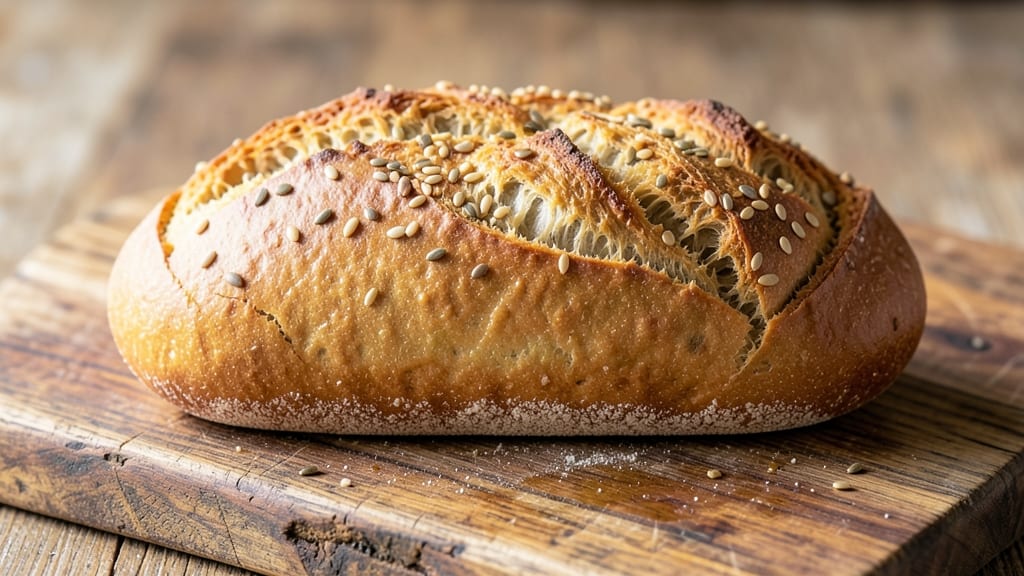
This adding spelt flour to bread recipe transforms traditional loaves with its nutty, slightly sweet complexity—perfect for those seeking ancient grains with modern appeal. The flour's lower gluten content means we'll focus on hydration and fermentation to achieve that signature open crumb and tender crumb structure.
I've baked dozens of variations, and this method consistently delivers a loaf with both rustic charm and reliable structure.
What sets spelt flour apart is its nutty depth and moist crumb, which requires adjustments to standard bread techniques. We'll use a slightly higher hydration level (around 75%) and longer fermentation to develop flavor while maintaining a tender texture.
The dough will be stickier than wheat-based doughs, so proper handling is key to avoiding frustration.
By the time you pull this loaf from the oven, you'll have a golden-brown crust with an open crumb structure and that signature spelt flavor—mildly sweet with a hint of nuttiness.
The texture is denser than white bread but lighter than whole wheat, making it ideal for sandwiches, toast, or serving alongside soups.
The beauty of this recipe lies in its versatility—use it as a base for sourdough, add seeds for extra crunch, or blend with wheat flour for a lighter texture. Let's get started with a method that respects the grain's unique qualities while delivering foolproof results.
Ingredients for adding spelt flour to bread
Four cups of flour, one nutty transformation—your pantry meets ancient grains.
| Ingredient | Amount | Notes |
|---|---|---|
| Spelt Flour 🌾 | 3 cups | Stone-ground preferred for texture |
| All-Purpose Flour 🌾 | 1 cup | For structural balance |
| Active Dry Yeast 🍞 | ¼ oz | Or 2 1/4 tsp (1 packet) |
| Warm Water 💧 | 1 ½ cups | 105°F-110°F ideal |
| Honey 🍯 | 1 tbsp | Or maple syrup for vegan |
| Sea Salt 🧂 | 1 ½ tsp | Diamond Crystal preferred |
| Olive Oil 🫒 | 1 tbsp | Extra-virgin for richness |
| Whole Flaxseeds 🌱 | ¼ cup | For crunch and nutrition |
| Toasted Sesame Seeds 🌿 | 2 tbsp | Optional for flavor |
| Cornmeal 🌽 | 2 tbsp | For dusting baking sheet |
| Ice Water ❄️ | ½ cup | For final dough adjustment |
Spelt flour is the star here, and Bob's Red Mill or King Arthur make the best stone-ground versions—look for vibrant color and a nutty aroma right out of the bag. The all-purpose flour is non-negotiable for structure; spelt alone makes a dense, crumbly loaf. If you can't find spelt flour, blend whole wheat and white flour at a 3:1 ratio as a rough substitute, but the flavor won't be the same. The yeast should be fresh—if it smells musty or takes more than 5 minutes to dissolve in warm water, toss it. Honey adds sweetness and helps with browning, but maple syrup works perfectly for vegan versions—just reduce other liquids slightly.
No sesame seeds? Skip them—they're just for crunch. Running low on flaxseeds? Sunflower seeds or pumpkin seeds work in a pinch, though they'll change the flavor profile. The olive oil matters here—use something with good fruity notes; California Avocado Ranch or Colavita are my go-tos. For the water, filtered is best, but tap water works if you live in a soft-water area. If your dough feels too sticky after mixing, add ice water 1 tbsp at a time—spelt dough is naturally more hydrated than wheat-based doughs. And if you're blending with wheat flour, stick to a 70:30 ratio max—any more and you lose that signature spelt flavor.
This dough needs time—at least 2 hours of bulk fermentation at room temperature, then another hour in the fridge if you're baking the next day. Store the flour in an airtight container in a cool, dark place for up to 6 months—spelt flour goes rancid faster than wheat flour. The baked loaf keeps well wrapped at room temperature for 3 days or frozen for 3 months. I always slice mine before freezing—just thaw overnight on the counter. Pro tip: Brush the crust with melted butter right after baking for extra richness (or olive oil for vegan).
Why You'll Love This Recipe
- No Yeast Fuss: I’ll be honest—this bread comes together faster than my old 3-hour sourdough experiments. Just mix the spelt flour, all-purpose flour, and yeast with warm water and honey, let it rise once, and you’re done. No kneading, no waiting around, just hands-off magic.
- Honey-Soft Crust: That touch of honey isn’t just for sweetness—it keeps the crust tender without being cloying. The spelt flour adds a subtle nutty depth, while the yeast gives it that airy, pillowy texture. It’s the kind of bread you’ll reach for instead of grabbing store-bought.
- Weeknight Hero: Between us, this is my go-to when I’m too tired to plan. A batch lasts me four days—perfect for toast, sandwiches, or dipping in olive oil. And if I make two loaves? Freezer-friendly for when I forget to bake.
- Budget-Friendly Staple: Spelt flour might sound fancy, but it stretches further than you’d think when mixed with all-purpose. A little honey replaces sugar, and yeast is cheaper than pre-made dough. It’s the kind of recipe that makes grocery day feel less stressful.
Step-by-step instructions for ancient grain loaves with nutty depth
Here's how to transform spelt flour into a rich, nutty loaf with perfect texture.
Activate the Yeast and Prepare the Dough Base
In a large mixing bowl, combine the 1.5 cups warm water (between 105°F-110°F) with the 1 tbsp honey and 0.25 oz active dry yeast. Let this sit for 5-10 minutes until frothy—this confirms your yeast is alive and ready to work. If it doesn't bubble, your yeast might be dead, and you'll need to start over.
To the yeast mixture, add the 3 cups spelt flour, 1 cup all-purpose flour, 1.5 tsp sea salt, and 1 tbsp olive oil. Using a wooden spoon or dough whisk, stir until a shaggy dough forms. The spelt flour will absorb moisture differently than white flour, so don't be surprised if the dough feels slightly drier initially. This is normal—we'll adjust with the flaxseeds and ice water later.
Incorporate Flaxseeds and Begin Kneading
Add the 0.25 cup whole flaxseeds to the dough and mix thoroughly. The flaxseeds will add a subtle nutty flavor and extra fiber, but they'll also help bind the dough since spelt flour has a lower gluten content than all-purpose. Transfer the dough to a lightly floured surface and knead for 8-10 minutes until smooth and elastic.
Here's the thing—spelt dough is trickier to handle than white flour dough. It's less elastic and can tear easily, so knead gently but firmly. You'll know it's ready when it springs back slowly when poked (not quickly like high-gluten dough). If it feels too sticky, add 1-2 tablespoons of ice water at a time until it comes together cleanly.
First Rise and Flavor Development
Lightly oil a large bowl, place the dough inside, and cover with a damp towel. Let it rise in a warm place for 1.5-2 hours, or until doubled in size. The spelt dough will rise more slowly than white flour dough, so be patient—rushing this step leads to dense loaves. You'll see the dough puff up and develop small bubbles along the surface.
After the first rise, punch down the dough to release air, then fold in the 2 tbsp toasted sesame seeds. These add an aromatic depth that pairs beautifully with spelt's natural nuttiness. Cover and let it rest for another 20 minutes to relax the gluten before shaping. This resting period ensures the sesame seeds distribute evenly and the dough holds its shape better during baking.
Shape and Final Proof
Divide the dough into 4 equal portions (about 8 oz each) and shape into boules or batards. For boules, cup your hands over the dough and roll it gently on the counter to create surface tension. For batards, roll the dough into a log shape, sealing the seam underneath. Place the shaped loaves on a baking sheet dusted with 2 tbsp cornmeal—this prevents sticking and adds a subtle crunch.
Cover the loaves loosely with plastic wrap or a towel and let them proof for 45-60 minutes until puffy and slightly domed. The spelt dough will rise more slowly, so check frequently. When ready, the dough should spring back very slowly when poked—this indicates proper fermentation. Preheat your oven to 375°F while the loaves proof to ensure even baking.
Bake to Golden Perfection
Bake the loaves for 30-35 minutes until they're deep golden brown and sound hollow when tapped on the bottom. The interior temperature should reach 190-200°F. Spelt bread benefits from steam during baking, so you can create steam by placing a baking sheet with ½ cup water in the oven's lower rack for the first 10 minutes of baking.
For extra crispiness, transfer the loaves to a wire rack and let them cool completely before slicing. The crust will harden as it cools, but the interior will remain tender and moist. This bread shines when served warm with olive oil and sea salt, or toasted with honey for a sweet-savory balance. The nutty depth from the spelt pairs beautifully with the sesame seeds' earthy flavor.
Pro Tips For Making Adding Spelt Flour To Bread
- Mix the Flours First: Spelt flour absorbs moisture faster than all-purpose, so whisk both flours together before adding water—this keeps your dough from turning into glue. I learned this the hard way when my first batch turned into a sad, sticky mess.
- Use Honey Sparingly: That sweet liquid feeds the yeast, but too much will make your bread taste cloying. Stick to 1-2 tablespoons per recipe, and let the yeast activate in warm water for 5 minutes first—this gives it time to work without overpowering the flavor.
- Don’t Skip the Autolyse: Mix the wet ingredients (water, honey, yeast) with just the all-purpose flour first, let it rest for 20 minutes, then fold in the spelt. This step improves gluten development and prevents a dense, crumbly loaf—trust me, your bread will thank you.
- Weigh Your Flours: Scooping spelt flour by volume leads to inconsistent results—it’s lighter than all-purpose and packs differently. Use a kitchen scale for accuracy, especially if you’re replacing more than half with spelt. (Yes, even if you’re impatient like me.)
Dietary considerations for this adding spelt flour to bread
Gluten Sensitivity
Spelt flour contains gluten, though it has a lower gluten content than modern wheat varieties. This makes it a better option for those with mild gluten sensitivities or who enjoy the nuttier flavor of ancient grains.
The 75% hydration in this recipe helps create a tender crumb that's easier to digest than dense whole wheat bread. If you're gluten-sensitive but not celiac, I recommend trying this recipe first—many people tolerate spelt better than modern wheat. 🌾
Nut-Free Options
This recipe includes flaxseeds and sesame seeds, which are common allergens. For a nut-free version, simply omit the seeds or replace them with sunflower seeds or pumpkin seeds.
The flavor will shift slightly, but the bread will still maintain its structure. Always check seed packaging for allergen warnings, as cross-contamination can occur during processing.
Vegan Adaptations
This recipe is naturally vegan-friendly with just one small adjustment: replace the honey with maple syrup or agave nectar. The sweetness is crucial for yeast activation and crust browning, so don't skip it.
I've found that 1 tbsp maple syrup works perfectly, though you may need to reduce other liquids slightly since maple syrup is thicker than honey. The final loaf will have a slightly deeper caramelized crust when using maple syrup. 🍯
Whole Grain Benefits
Spelt is a whole grain, meaning it retains all parts of the kernel—bran, germ, and endosperm. This makes it richer in fiber, B vitamins, and minerals like magnesium and zinc compared to refined white flour.
The flaxseeds add even more fiber and omega-3 fatty acids. For maximum nutrition, store your flour in an airtight container and use it within 6 months to preserve freshness and prevent rancidity.
Sourdough Conversion
Want to make this a sourdough spelt loaf? Replace the commercial yeast with ¼ cup active sourdough starter (fed and bubbly). The fermentation process will take longer—8-12 hours at room temperature—but the flavor will develop incredible depth.
For best results, use a 1:1:1 ratio of spelt flour, water, and starter in your starter jar for 24 hours before using. The longer fermentation helps break down the spelt's phytic acid, making it easier to digest. 🍞
Nutrition facts
Frequently asked questions
Why does spelt flour make bread stickier than regular flour?
Spelt flour has a lower gluten content than all-purpose flour, which means it can't stretch and form as strong a network. The dough absorbs more moisture, creating a stickier texture. To compensate, use a 75% hydration level (like this recipe) and knead gently but firmly for 8-10 minutes to develop just enough structure. Adding 1 tbsp ice water at a time helps if the dough feels too wet.
Can I substitute spelt flour with whole wheat flour?
While both are whole grains, they behave differently—spelt has a milder, nuttier flavor and better texture for bread. For a rough substitute, blend 3 parts whole wheat flour with 1 part all-purpose flour, but expect a denser loaf. The flavor won't be identical, and the crumb will be less tender. If you're experimenting, start with a 50/50 blend and adjust hydration as needed.
How do I know when spelt dough is properly risen?
Spelt dough rises more slowly than wheat dough—look for 50-75% increase in size and small bubbles forming on the surface. When ready, the dough should spring back very slowly when poked (not quickly like high-gluten dough). For visual confirmation, use a toothpick: if it leaves a slight indentation that doesn't spring back immediately, it's ready. Patience is key—rushing this step leads to dense bread.
What's the best way to store spelt flour to prevent rancidity?
Spelt flour goes rancid faster than wheat flour due to its higher fat content. Store it in an airtight container in a cool, dark place (like your pantry) and use it within 3-6 months. For longer storage, freeze the flour in a sealed bag for up to 1 year. Check for freshness by smelling—if it has a bitter or off odor, replace it. The nutty aroma should be pleasant, not sharp.
Can I make this bread without seeds for a smoother texture?
Omit the flaxseeds and sesame seeds for a smoother crumb, but you'll lose some nutritional benefits and texture contrast. If you skip them, add 1 extra tbsp olive oil to maintain moisture. The bread will still have excellent flavor from the spelt itself—just expect a slightly denser texture. For extra richness, brush the baked loaf with melted butter or olive oil while still warm.