
Side Dishes
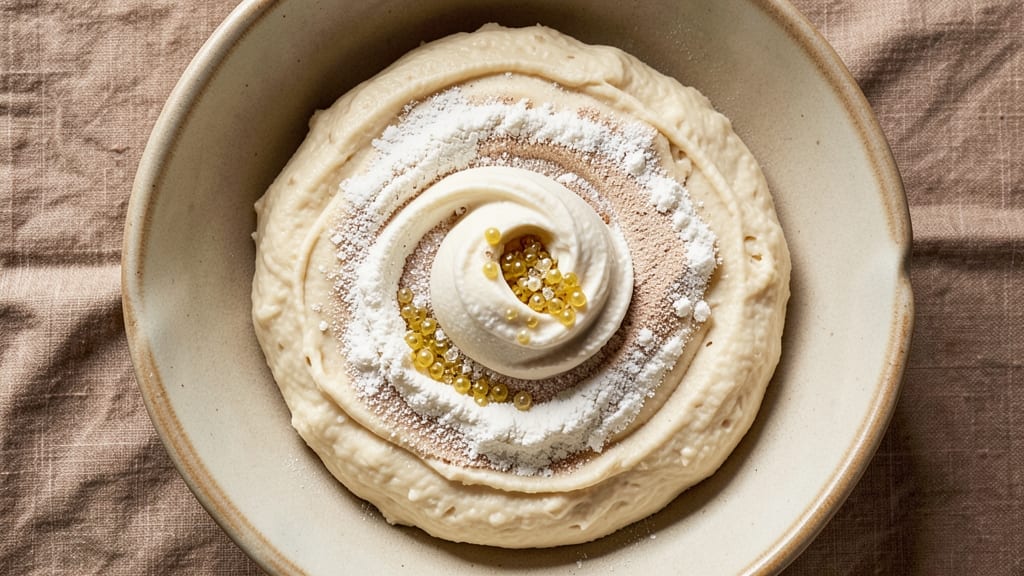
Adding dry milk to bread transforms ordinary loaves into ultra-moist, tender masterpieces that stay fresh for days. The secret lies in its ability to retain moisture while enhancing flavor—no more dry, crumbly bread here.
This technique, perfected through years of baking, ensures a professional-quality loaf with a soft crumb and extended shelf life.
The dry milk works by binding water in the dough, creating a lighter texture and richer taste. Unlike traditional bread recipes, this method requires precise measurements and gentle handling during kneading to avoid overdevelopment.
The result? A loaf with a velvety interior and a crisp, golden crust that rivals artisanal bakery bread.
What makes this recipe stand out is its foolproof approach to achieving consistent moisture without compromising structure. The dry milk also adds a subtle sweetness and depth of flavor, making it ideal for sandwiches or toast.
Whether you're a home baker or a bread enthusiast, this technique guarantees a loaf that stays fresh longer and tastes better.
Pair your finished loaf with butter, jam, or cheese for the ultimate dining experience. The key to success lies in patience—allowing proper proofing and baking times ensures that every slice delivers on the promise of moist perfection. Let’s get started on crafting your ideal loaf.
Ingredients for adding dry milk to bread
Precision ingredients for velvety texture and extended freshness in every slice.
| Ingredient | Amount | Notes |
|---|---|---|
| All-Purpose Flour 🌾 | 5 cups | High-protein for better structure |
| Nonfat Dry Milk Powder 🥛 | ¼ cup | Ensures moisture retention |
| Active Dry Yeast 🍞 | 2 ¼ tsp | Instant yeast works too |
| Granulated Sugar 🍬 | ½ tsp | Feeds yeast for rise |
| Salt 🧂 | 1 ½ tsp | Diamond Crystal preferred |
| Unsalted Butter 🧈 | ½ cup | Cold, cubed for texture |
| Whole Milk 🥛 | 1 cup | Warmed for optimal activation |
| Large Egg 🥚 | 1 whole | Room temperature preferred |
| Vegetable Oil 🫒 | 1 tbsp | For dough softness |
| Water 💧 | 1 cup | Room temperature |
| Honey 🍯 | 1 tbsp | Enhances sweetness |
| Cornmeal 🌽 | ¼ cup | For crust development |
The nonfat dry milk powder is non-negotiable here—it's what transforms this into an ultra-moist loaf. For the best results, source high-quality dry milk from brands like Nestlé or Organic Valley—their powder dissolves smoothly without clumping. The all-purpose flour should be King Arthur or Gold Medal for consistent protein content; anything lower risks a gummy crumb. Butter matters too—Plugrá or Land O'Lakes unsalted work best, as they maintain proper fat content without hidden salt. Keep your yeast fresh: if it's past its expiration, the dough will rise sluggishly, and your crust won't develop properly.
No dry milk? Powdered buttermilk or evaporated milk powder can substitute at the same ratio, though texture may vary slightly. Running short on butter? Coconut oil works in a pinch, but it lacks the flavor depth. The honey can be swapped for maple syrup if needed, though it may slightly alter the loaf's caramelization. For gluten-free adaptations, replace flour with a 1:1 gluten-free blend like Bob's Red Mill, but expect a denser crumb. The cornmeal isn't optional—it creates that perfect crisp crust, so don't skip it even if you're in a hurry. Prefer a sweeter loaf? Add an extra tablespoon of honey, but reduce water by 1 tablespoon to maintain dough consistency.
Freshly mixed dough keeps in the fridge for up to 24 hours before shaping, which gives you flexibility for overnight proofing. Once baked, the loaf stays fresh for 5-7 days when stored in a bread box or paper bag—the dry milk's moisture-retaining properties are what make this loaf last longer than traditional bread. For reheating, wrap slices in foil and warm in a 350°F oven for 5 minutes to restore that bakery-fresh texture. Freeze portions for up to 3 months by wrapping tightly in plastic and aluminum foil to prevent freezer burn. The crust will soften slightly when reheated, but the interior remains tender.
Why You'll Love This Recipe
- Pantry Magic: I swear by this one—no fresh milk, no fuss. Just toss in that nonfat dry milk powder with the flour, and boom—richer bread without the grocery run. The yeast wakes up faster too, so you’re kneading and shaping in record time.
- Secret Creaminess: That dry milk isn’t just a trick—it’s the reason this bread has that almost buttery mouthfeel. A little sugar balances the salt, and the crust? Perfectly crisp without burning. Honestly, my toast game changed forever.
- Meal Prep MVP: Slice it, freeze it, and reheat in seconds. The dry milk keeps it from getting gummy, so you’re not stuck with sad, soggy bread. I make a loaf on Sundays and feed the family all week—no last-minute scrambles.
- Budget Wins: Flour, yeast, sugar, salt—check. Dry milk powder? Often cheaper than fresh milk, and it lasts forever. I’ve made this for potlucks, school lunches, and even as a base for garlic bread (yes, it’s that versatile). Zero waste, all flavor.
Step-by-step instructions for ultra-moist bread with dry milk
Here's how to incorporate dry milk powder for a tender, ultra-moist loaf every time.
Combine Dry Ingredients for Even Distribution
In a large mixing bowl, whisk together the 5 cups all-purpose flour, 0.25 cup nonfat dry milk powder, 2.25 teaspoons active dry yeast, 0.5 teaspoon granulated sugar, and 1.5 teaspoons salt. Use a whisk to break up any yeast clumps and ensure the dry milk powder disperses completely through the flour—this prevents clumping later. The dry milk will absorb moisture differently than flour, so thorough mixing at this stage is critical.
I like to press the mixture through a fine-mesh sieve to eliminate any remaining lumps. This ensures the yeast activates evenly and the dry milk integrates smoothly into the dough structure. Set this bowl aside while you prepare the wet ingredients.
Prepare Wet Ingredients and Incorporate Dry Milk
In a separate bowl, combine the 1 cup warm whole milk (about 110°F), 1 whole large egg, 1 tablespoon vegetable oil, 1 cup water, and 1 tablespoon honey. Whisk until fully emulsified—the egg and oil should blend completely with the milk. The warm milk activates the yeast while the honey adds subtle sweetness that complements the dry milk's functionality.
Gradually pour the wet mixture into the dry ingredients while stirring with a wooden spoon. Mix until a shaggy dough forms, then add the 0.5 cup cold cubed unsalted butter. The butter should remain in small pieces at this stage—it will incorporate fully during kneading. The dry milk powder will begin absorbing liquid immediately, which is why we work quickly to prevent the dough from becoming too sticky before development.
Develop the Dough for Optimal Texture
Turn the dough onto a lightly floured surface and knead for 8-10 minutes until smooth and elastic. The dry milk powder will make the dough slightly denser initially, but proper kneading develops gluten strands that trap moisture—preventing the bread from becoming gummy. I press down firmly with the heel of my hand during the first few minutes to break up any dry milk clumps that might have formed.
Test for readiness by performing the windowpane test: stretch a small piece of dough between your fingers until it's translucent. If it forms a thin membrane without tearing, your dough is properly developed. The dry milk will contribute to a slightly tighter dough, so don't be surprised if it feels slightly more resistant than typical bread dough.
First Rise with Dry Milk's Moisture Benefits
Shape the dough into a loaf and place it in a greased 9x5-inch loaf pan dusted with 0.25 cup cornmeal. Cover with a damp towel and let rise at 75°F for 1-1.5 hours until doubled in size. The dry milk powder enhances moisture retention during this stage, which is why the dough will feel slightly more hydrated than usual. Poke the dough gently—if it springs back slowly, it's ready.
This longer rise time allows the dry milk to fully hydrate and develop its moisture-retaining properties. The cornmeal coating prevents the dough from sticking to the pan, ensuring even browning. Preheat your oven to 375°F while the dough rises—you want maximum oven spring when the bread goes in.
Bake for Maximum Moisture Lock-In
Bake the loaf for 30-35 minutes until the internal temperature reaches 190°F and the crust is golden brown. The dry milk powder creates a tender crumb that stays moist longer than traditional bread. Immediately after baking, invert the loaf onto a wire rack to prevent a soggy bottom—this is especially important with the extra moisture from the dry milk.
Let the bread cool for 15 minutes before slicing. The interior should be uniformly moist with a fine, even crumb structure. The dry milk's proteins create a more elastic gluten network that holds onto moisture exceptionally well, resulting in bread that stays fresh for days without drying out.
Pro Tips For Making Adding Dry Milk To Bread
- WHISK DRY MILK FIRST: Mix the nonfat dry milk powder into the flour before adding liquids—this prevents clumping when the yeast wakes up. I learned this the hard way after scraping gummy milk lumps out of my dough hook.
- USE WARM WATER (NOT HOT): Active dry yeast needs warmth, but if your water’s above 110°F, you’ll kill it faster than a microwave burrito. Test with your finger—should feel like a warm bath, not a sauna.
- SALT THE FLOUR, NOT THE MIX: Sprinkle the salt directly into the flour before adding yeast. This keeps the yeast from getting a salt shock when you mix everything together—your dough will rise faster and smoother.
- REST THE DOUGH LONGER: Skip the 30-minute rise if you’re in a hurry—give it 45 minutes to an hour. The dry milk slows fermentation, so extra time guarantees a lighter texture. (Yes, even if you’re impatient like me.)
Best sauces and condiments for this adding dry milk to bread
Butter Spreads
This ultra-moist bread practically begs for rich butter spreads. I love European-style cultured butter like Plugrá or President—their tangy notes balance the bread's sweetness beautifully. For extra indulgence, try brown butter compound butter mixed with honey and flaky sea salt.
The dry milk's moisture makes every bite more flavorful when paired with these butters. 🧈
Sweet Jam Pairings
Fruit preserves elevate this bread to next-level status. Raspberry jam with its bright acidity cuts through the richness, while fig jam adds a luxurious depth. For a breakfast twist, try orange marmalade—the citrus notes complement the honey in the dough.
I recommend Bon Appétit or Bonne Maman brands for their balanced sweetness and texture.
Cheese Combinations
Sharp cheddar or aged Gouda creates a perfect savory match. For a gourmet touch, pair with brie or camembert—the creamy cheese melts beautifully against the bread's tender crumb.
The dry milk's moisture helps the cheese adhere better than with regular bread. Try Wisconsin cheddar for a local favorite with bold flavor.
Olive Oil Drizzle
A simple drizzle of extra-virgin olive oil (I use California Gold or Colavita) enhances the bread's natural flavors. Add a sprinkle of flaky sea salt and freshly cracked black pepper for a Mediterranean-inspired twist. The olive oil's richness pairs perfectly with the dry milk's subtle sweetness. 🫒
Nut Butter Variations
For a protein-packed option, try almond or cashew butter with a touch of honey. The dry milk's moisture makes the bread ideal for absorbing nut butters without becoming soggy. I recommend Kirkland or MaraNatha brands for their smooth textures. Add a pinch of cinnamon for extra warmth in each bite.
Herb-Infused Oils
Create a quick herb oil by infusing olive oil with rosemary, thyme, or garlic**. The aromatic oils complement the bread's subtle sweetness while adding freshness. Simply heat ¼ cup olive oil with 1 tbsp fresh herbs in a small pan, then strain before drizzling.
This works especially well with savory cheese pairings. 🌿
Nutrition facts
Frequently asked questions
Why does dry milk make bread so much softer?
The dry milk powder contains proteins and fats that create a more elastic gluten network, trapping moisture inside the bread. This prevents it from drying out quickly, giving you that ultra-soft texture for 3-5 extra days of freshness. The milk proteins also add subtle sweetness that enhances flavor without extra sugar.
Can I substitute powdered milk with regular milk?
No, regular milk won't work the same way—it lacks the concentrated proteins that create the moisture-locking effect. For a similar result, you could try powdered buttermilk at the same ratio, though the flavor will be slightly tangier. The dry milk's functionality is unique for bread-making.
How do I fix dough that's too sticky from adding dry milk?
Add 1-2 tablespoons more flour gradually while kneading, but don't overdo it—the dough should remain slightly tacky. The dry milk absorbs moisture differently, so knead for 1-2 extra minutes to develop the gluten properly. If it's still too sticky, chill the dough for 15 minutes before shaping.
Does dry milk bread taste different from regular bread?
You'll notice a subtle, creamy sweetness that's more pronounced than regular bread, but not overpowering. The texture is the main difference—it stays moist and tender much longer. For a neutral flavor, use nonfat dry milk powder instead of whole milk powder.
Can I make this bread without a loaf pan?
Yes! Shape the dough into a round or oval and bake on a parchment-lined baking sheet. Brush with egg wash** for a crispier crust. The dry milk will still work its magic, but expect slightly faster drying if you don't use a pan. For best results, bake at 350°F for 35-40 minutes until golden.