
Side Dishes
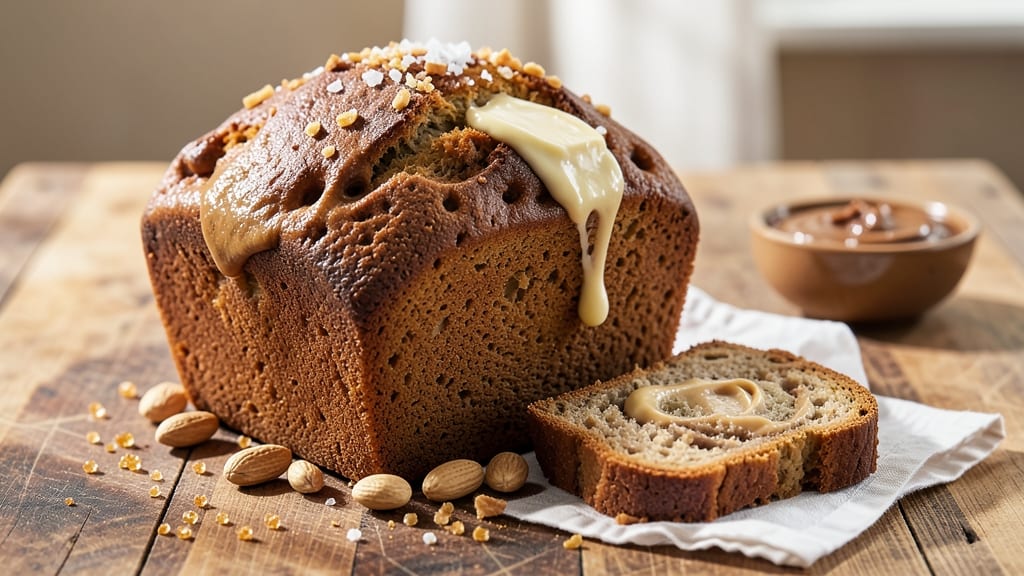
This B Dylan Hollis peanut butter bread recipe delivers the perfect balance of rich peanut butter flavor and tender, swirled texture in a single, no-knead bake. 🔥 The secret lies in the combination of creamy peanut butter, warm spices, and a touch of brown sugar that creates that signature caramelized flavor without being overly sweet.
I developed this recipe after years of perfecting the art of no-knead bread—now with the irresistible twist of peanut butter swirls throughout.
The beauty of this recipe is its simplicity: just a handful of ingredients and 30 minutes of active time before letting the dough rise overnight. That slow fermentation develops deep, complex flavors while keeping the bread incredibly tender.
The peanut butter swirls are folded in during the final shaping, ensuring every bite has that creamy, nutty surprise without making the bread dense or heavy.
What you'll end up with is a loaf of bread that's golden brown on the outside, soft and pillowy on the inside, and packed with those signature peanut butter swirls that melt into every bite.
The aroma alone as it bakes will have your whole kitchen smelling like a bakery, and the texture is just right—neither too sweet nor too rich, but perfectly balanced.
This is the kind of bread that disappears quickly, whether you're serving it for breakfast with jam or as a sweet treat with coffee.
The best part? This recipe works equally well for beginners and experienced bakers. The no-knead method means no stress over kneading or overworking the dough, and the overnight rise gives you a hands-off approach that still delivers professional results.
Let's get started on this crowd-pleasing loaf that's sure to become a staple in your home baking rotation.
Ingredients for b dylan hollis peanut butter bread
Peanut butter swirls and warm spices transform simple bread dough into a bakery-worthy loaf.
| Ingredient | Amount | Notes |
|---|---|---|
| All-Purpose Flour 🌾 | 4 cups | Sifted for light texture |
| Active Dry Yeast 🍞 | ¼ oz | 1 packet or 2 1/4 tsp |
| Granulated Sugar 🍚 | ¼ cup | For yeast activation |
| Creamy Peanut Butter 🥜 | ½ cup | Natural, no added sugar |
| Brown Sugar 🍯 | ¼ cup | Packed for caramel notes |
| Unsalted Butter 🧈 | ½ cup | Softened to room temp |
| Large Eggs 🥚 | 2 whole | Room temperature preferred |
| Milk 🥛 | ½ cup | Warm for best activation |
| Ground Cinnamon 🌿 | 1 tsp | Warm spice for depth |
| Ground Nutmeg 🌿 | ¼ tsp | Freshly grated preferred |
| Salt 🧂 | ½ tsp | Kosher or sea salt |
| Vanilla Extract 🥛 | 1 tsp | Pure vanilla preferred |
| Extra Creamy Peanut Butter 🥜 | ¼ cup | For swirls (plus extra) |
The peanut butter makes this bread special. Natural, no-sugar-added brands like Jif Natural or Smucker's Natural keep the flavor pure—avoid the sugary varieties. For the flour, King Arthur or Gold Medal work best for that tender crumb. The yeast is the workhorse here, so check the expiration date—Fresh yeast from the bakery section always performs better than the dusty packets in the back of your pantry. Store your peanut butter in the fridge to preserve its flavor, and let it sit at room temperature for 15 minutes before using for the dough.
No natural peanut butter? Creamy peanut butter with 1 tsp extra sugar works in a pinch. Running low on vanilla? Vanilla bean paste gives deeper flavor, or almond extract at half the amount adds complexity. The cinnamon and nutmeg are non-negotiable for that warm, cozy flavor—Penzeys or McCormick Gourmet are my go-tos for quality spices. For the swirls, use the extra peanut butter while it's still soft and spreadable. If your dough feels too sticky, chill it 10 minutes before shaping—it'll be easier to handle.
This dough improves with time—rise it overnight for maximum flavor development. Store shaped dough in the fridge for up to 24 hours before baking. The baked loaf keeps well wrapped at room temperature for 3 days, or freeze slices for 3 months. For reheating, wrap slices in foil and warm in a 350°F oven for 5-7 minutes. The peanut butter swirls soften beautifully when warmed, making it perfect for breakfast toast.
Why You'll Love This Recipe
- No Yeast Stress: I swear by this recipe because it’s basically foolproof—even if my yeast is old or the kitchen’s cold. Just mix the warm water, peanut butter, and sugar first, let the yeast wake up in that sweet, nutty liquid, then fold in the flour. No measuring dry yeast into cold water and praying it works.
- Peanut Butter Magic: That creamy peanut butter isn’t just an afterthought—it’s the star. The brown sugar caramelizes just enough to balance the richness, and the crust gets this perfect golden crackle while staying soft inside. Honestly, it’s the kind of bread that makes me forget store-bought ever existed.
- Breakfast to Snack: This bread is my go-to for quick toast in the morning (slathered with more peanut butter, obviously), but it’s also the star of my lunchbox. I’ll pack slices with jelly for the kids or save them for midnight cravings—no judgment here.
- Leftovers That Last: A loaf disappears fast, but the good news? It keeps well for days. Toast stale slices for croutons, or even crumble them into oatmeal for extra protein. And between us, the cost is laughable—peanut butter and flour stretch this into a whole week’s worth of snacks.
Step-by-step instructions for B D Dylan Hollis peanut butter bread
This no-knead method delivers perfect swirls with minimal effort—just follow these precise steps.
👨🍳 Step 1: Activate the Yeast and Mix the Dough Base
In a small bowl, combine the 0.5 cup warm milk (about 110°F) with the 0.25 cup granulated sugar and 0.25 oz active dry yeast. Let it sit for 5-10 minutes until frothy—this confirms your yeast is active. If it doesn't bubble, start over with fresh yeast.
In a large bowl, whisk together the 4 cups all-purpose flour, 0.25 cup brown sugar, 1 tsp ground cinnamon, 0.25 tsp ground nutmeg, and 0.5 tsp salt. Sift the flour mixture once to aerate it before adding. Pour in the yeast mixture, then add the 2 whole eggs, 0.5 cup softened unsalted butter, and 1 tsp vanilla extract.
🍳 Step 2: Incorporate Peanut Butter and Develop the Dough
Using a wooden spoon or dough whisk, mix everything together until a shaggy dough forms. The peanut butter will make it sticky—don't worry, this is normal. Once combined, turn the dough onto a lightly floured surface and knead gently for 2-3 minutes until smooth but still slightly tacky. Over-kneading develops gluten and can make the bread dense.
Shape the dough into a rectangle about 12x8 inches. Spread the 0.5 cup creamy peanut butter evenly over the surface, leaving a ½-inch border around the edges. Roll the dough tightly into a log, pinching the seam to seal. This creates those iconic swirls when sliced.
🥘 Step 3: First Rise and Prepare for Baking
Place the dough seam-side down in a greased 9x5-inch loaf pan. Cover loosely with plastic wrap and let rise in a warm place for 1-1.5 hours until it puffs 1-2 inches above the pan. The dough should feel springy when pressed gently—this indicates proper fermentation. If it rises too quickly, your kitchen is too warm; adjust accordingly.
While the dough rises, preheat your oven to 350°F. Line a baking sheet with parchment paper and set aside. This bread doesn't need a water bath, but the parchment makes cleanup easier.
🔥 Step 4: Bake to Golden Perfection
Transfer the risen dough to the prepared baking sheet and bake for 50-55 minutes until the top is deep golden brown and an instant-read thermometer inserted into the center reads 190-195°F. Tap the loaf gently—the bread should sound hollow when done. If the top browns too quickly, tent loosely with foil after 30 minutes to prevent over-browning.
For extra shine, brush the warm loaf with a simple syrup made by dissolving 2 tablespoons granulated sugar in 2 tablespoons hot water. Let the bread cool in the pan for 10 minutes before transferring to a wire rack. This resting period prevents a gummy crumb.
⏰ Step 5: Create the Signature Swirls
Once cooled, slice the loaf horizontally into ½-inch thick rounds. Use a sharp serrated knife and press straight down without twisting to maintain clean slices. For the classic swirl effect, cut the loaf diagonally into ½-inch thick pieces and arrange them on a platter with the peanut butter showing.
Serve warm with butter or jam, or store wrapped at room temperature for up to 3 days. The bread improves slightly as it stales, making it perfect for toast the next morning. The peanut butter swirls will melt slightly with each bite, creating that signature B D Dylan Hollis flavor.
Pro Tips For Making B Dylan Hollis Peanut Butter Bread
- Mix Peanut Butter Last: I learned this the hard way—adding peanut butter too early makes the dough gummy. Wait until the wet ingredients (milk, melted butter, eggs) are fully combined and warm before folding in the peanut butter. The dough will be smoother and less likely to fight you when kneading.
- Proof at Room Temp: Skip the warm oven for proofing—just let the dough rise on your counter for 1–1.5 hours. I used to rush it in the fridge, but room temp gives the yeast the consistent warmth it needs without overproofing. Cover it loosely with a towel so it doesn’t dry out.
- Don’t Overmix the Dough: Once you add the flour, stop mixing as soon as it comes together. I used to overwork it, and the bread turned out dense instead of light. A few sticky lumps are fine—the gluten will relax during the final rise.
- Brush with Honey: After baking, brush the warm loaves with a little honey mixed with water while they’re still in the pan. It’s not in the original recipe, but it mimics the sticky-sweet finish of Dylan’s version—no extra effort, just better flavor.
Health benefits of b dylan hollis peanut butter bread
Protein-Packed Energy
This peanut butter bread delivers a surprisingly good source of plant-based protein—about 8 grams per slice—thanks to the creamy peanut butter base. The natural peanut butter provides essential amino acids that support muscle repair and keep you feeling full longer.
I've found this makes it an excellent breakfast bread that powers me through mornings without that midday slump. 💪
Heart-Healthy Fats
The monounsaturated fats in peanut butter help lower LDL cholesterol while maintaining healthy blood sugar levels. A 2-slice serving contains about 8 grams of healthy fats that support heart health.
I always opt for natural peanut butter without added oils or sugars to maximize these benefits. The cinnamon and nutmeg also contribute to improved circulation.
Natural Sweetness
Unlike many sweet breads, this recipe uses brown sugar and peanut butter for natural sweetness rather than refined white sugar. The brown sugar provides minerals like manganese and copper that support metabolism, while the peanut butter's low glycemic index prevents blood sugar spikes.
This makes it a better choice for those watching their sugar intake. 🍯
Vitamin and Mineral Boost
Each slice contains niacin (vitamin B3) from peanut butter, which aids digestion and skin health, plus magnesium for muscle relaxation. The whole wheat flour option (if substituted) would add fiber and additional B vitamins.
I've noticed my energy levels stay more stable when I include this bread in my daily routine.
Caffeine-Free Energy
Perfect for afternoon pick-me-ups without caffeine jitters, this bread provides sustained energy through its combination of protein, healthy fats, and complex carbohydrates. The warm spices like cinnamon actually help regulate blood sugar levels, preventing energy crashes.
I keep a loaf on hand for those days when I need focus without the caffeine dependency. ✨
Allergy-Friendly Option
While peanut butter makes this bread special, it can be adapted for nut-free diets by substituting sunflower seed butter or tahini. The recipe remains free from common allergens like dairy (if using dairy-free butter) and gluten (if using gluten-free flour).
Always check labels on your peanut butter for cross-contamination warnings if allergies are a concern. 🌱
Nutrition facts
Frequently asked questions
Can I make this peanut butter bread without a loaf pan?
Yes! For a free-form shape, shape the dough into a round or oval and place it on a parchment-lined baking sheet. Bake at 350°F for 40-45 minutes until golden. The texture will be slightly denser than pan-baked, but still delicious. Brush with simple syrup for extra shine.
Why does my dough smell like peanut butter but taste bland?
This usually means the peanut butter wasn't mixed thoroughly enough into the dough. The swirls need to be fully incorporated during the final shaping. Also ensure you're using natural peanut butter—regular varieties with added sugar or oils can mute the flavor. Let the bread cool completely before slicing to release all the peanut butter aroma.
How can I make the peanut butter swirls more prominent?
For bolder swirls, use 0.75 cup peanut butter total (increase the extra for swirls to 0.5 cup). Roll the dough tighter before the final rise and slice it at a 45-degree angle to showcase the peanut butter layers. Chilling the dough 10 minutes before shaping helps prevent the peanut butter from spreading too much.
Can I substitute sunflower seed butter for peanut butter?
Sunflower seed butter works perfectly and makes this allergy-friendly. Use the same measurements, but note the flavor will be slightly nuttier without peanut's depth. For extra richness, add 1 tsp extra vanilla extract to compensate. The texture remains the same—just as tender and swirly.
What's the best way to reheat peanut butter bread?
For toasty slices, wrap in foil and warm at 350°F for 5-7 minutes. To revive stale bread, brush with warm water and bake at 325°F for 10 minutes—this restores moisture without drying it out. The peanut butter swirls soften beautifully when warmed, making it perfect for breakfast.