
Side Dishes
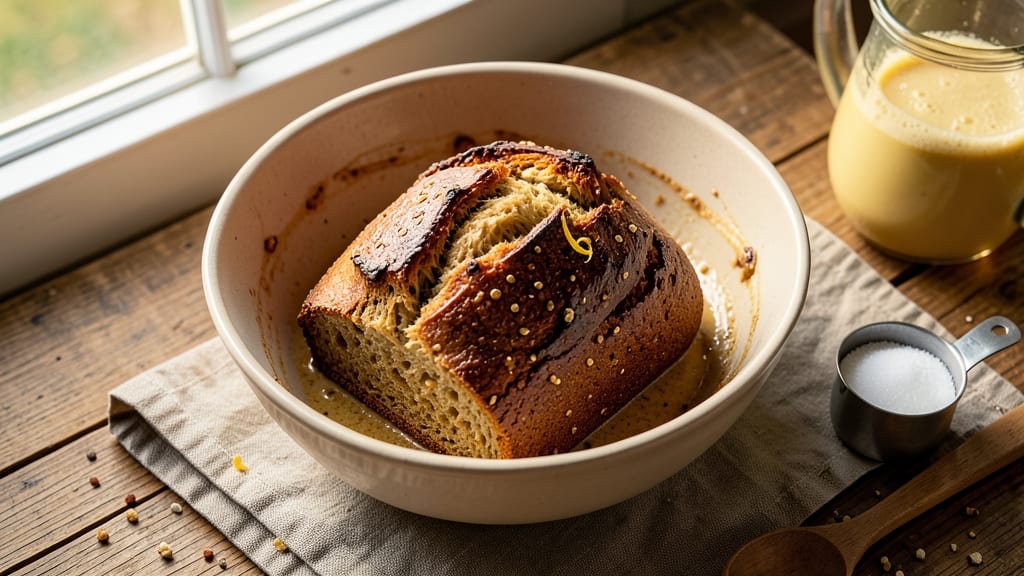
This active dry yeast whole wheat bread recipe transforms dense whole grains into a light, airy loaf with a crisp crust and fermented tang—no specialized equipment required. The secret lies in proper hydration and fermentation, which develop flavor while creating an open crumb structure.
I've perfected this method over years of baking, ensuring your first attempt yields a loaf that rivals artisanal bakery bread.
What sets this recipe apart is its balance of tradition and simplicity. You'll use a standard 50% hydration dough (meaning equal parts flour and water by weight) that develops gluten through gentle kneading and a single rise.
The active dry yeast activates at room temperature, creating a gentle fermentation that enhances the bread's depth of flavor without overproofing. For an even heartier crust, bake in a Dutch oven—though I'll show you how to achieve great results with a standard pan too.
The result is a loaf with a golden, crackly crust and tender, evenly textured crumb that stays fresh for days. The whole wheat flour adds nutty richness while maintaining a light structure, and the fermentation process reduces phytic acid, making the nutrients more bioavailable.
This bread is perfect for sandwiches, toast, or serving alongside soups—its flavor deepens as it cools, making it even more satisfying the next day.
Whether you're a beginner or experienced baker, this recipe builds confidence by breaking down each step clearly. We'll cover everything from mixing to baking, including troubleshooting tips for common issues like dense crumb or slow rise.
Ready to bake bread that tastes like it came from a professional bakery? Let's get started with the ingredients.
Ingredients for active dry yeast whole wheat bread
Nine simple ingredients transform whole wheat into artisanal-style bread with crisp crust and open crumb.
| Ingredient | Amount | Notes |
|---|---|---|
| Active Dry Yeast 🍞 | 2 ¼ tsp | Ensure expiration date is recent |
| Whole Wheat Flour 🌾 | 4 cups | Unbleached, high-protein preferred |
| All-Purpose Flour 🌾 | 2 cups | For lighter texture balance |
| Granulated Sugar 🍚 | ¼ cup | Feeds yeast fermentation |
| Salt 🧂 | 1 ½ tsp | Diamond Crystal preferred |
| Warm Water 💧 | 2 ¼ cups | 110°F (43°C) ideal |
| Extra-Virgin Olive Oil 🫒 | 1 tbsp | For dough elasticity |
| Honey 🍯 | 1 tbsp | Optional for crust shine |
| Cornmeal 🌽 | ¼ cup | For dusting parchment |
The yeast is non-negotiable—King Arthur or Bob's Red Mill brands activate reliably. Whole wheat flour varies wildly; King Arthur's high-protein blend prevents dense loaves. Measure flour by weight if possible (4 cups ≈ 12 oz), but scooping and leveling works too. Warm water should feel like bathwater—too hot kills yeast, too cool slows fermentation. I always use a thermometer to confirm 110°F. The all-purpose flour isn't cheating—it lightens the crumb while keeping whole grains' nutty notes. Skip this and you'll get a dense, heavy loaf.
No whole wheat flour? White whole wheat works perfectly—lighter color, same nutrients. Out of honey? Maple syrup or agave at the same amount adds shine without altering flavor. Olive oil substitutes? Melted coconut oil or vegetable oil both work, though olive oil's fruity notes enhance the crust. For a richer tang, add 1 tsp apple cider vinegar to the water—it mimics sourdough's depth. The cornmeal is optional but creates that signature bakery-style crust when brushed on before baking. Pre-fermenting the yeast in water with sugar for 5 minutes ensures full activation before mixing.
This dough keeps 24 hours in the fridge, covered, for deeper flavor. Shape and refrigerate overnight for a more developed taste. For best results, bake within 48 hours of mixing. The loaf stays fresh 5 days wrapped at room temperature, or freeze for 3 months in slices. I portion mine into 1-inch slices before freezing—they toast up perfectly without drying out. Leftovers? Toast or make croutons with olive oil and garlic powder.
Why You'll Love This Recipe
- No-Knead Magic: I swear by this trick—just mix the yeast with warm water and sugar first, let it bubble for 5 minutes, then fold in the flours. No stand mixer, no fuss, and the dough practically assembles itself while you sip your coffee.
- Nutty, Warm Depth: That whole wheat flour gives it a satisfying heft, but the all-purpose blend keeps it tender. Honestly, the crust gets this golden, crackly finish that’s almost too pretty to eat—until you do.
- Weeknight Workhorse: Toss a loaf in the freezer Monday morning, and you’ve got toast, sandwiches, or garlic bread ready all week. Between us, this is the bread I reach for when I’m too tired to think past "feed the family."
- Budget Crust Perfection: Five ingredients, zero waste—this loaf costs me pennies compared to store-bought, and it actually lasts. I’ll be real: my kids fight over the ends, and I still save half for soup dipping the next day.
Step-by-step instructions for fermented whole wheat bread
Here's how to craft a rustic loaf with deep flavor and satisfying texture—no fancy equipment needed.
Activate the Yeast with Warm Water and Sugar
In a large mixing bowl, combine the 2.25 cups warm water (tested at 110°F—it should feel like bathwater) with the 0.25 cup granulated sugar and 2.25 tsp active dry yeast. Let this sit for 5-10 minutes until you see frothy bubbles forming on the surface. This confirms your yeast is alive and ready to work.
I always check the water temperature first—too hot kills yeast, too cold slows fermentation. If no bubbles appear within 10 minutes, your yeast may be expired or the water too cool. Start fresh with new yeast if this happens.
Mix the Dough with Wet and Dry Ingredients
Add the 4 cups whole wheat flour, 2 cups all-purpose flour, 1.5 tsp salt, and 1 tbsp extra-virgin olive oil to the yeast mixture. Using a wooden spoon or dough whisk, stir vigorously for 2-3 minutes until a shaggy dough forms. The whole wheat flour will make this dough stickier than all-purpose, so don't be surprised if it clings to your tools.
Once combined, add the 1 tbsp honey and mix again. The honey adds subtle sweetness and helps create a slightly crisp crust. Cover the bowl with a damp kitchen towel and let it rest for 10 minutes—this allows the flour to hydrate fully before kneading.
Knead Until Elastic and Smooth
Turn the dough onto a lightly floured surface and knead for 8-10 minutes by hand (or 5-6 minutes in a stand mixer with a dough hook). You're looking for a smooth, elastic dough that springs back when poked. The whole wheat flour makes this dough denser, so it'll feel heavier than white bread dough—don't overwork it or it'll develop gluten too much.
If the dough feels too sticky, wet your hands slightly and keep kneading. The goal is a cohesive ball that doesn't tear easily. Once achieved, place the dough back in the bowl, cover, and let it rise in a warm spot for 1-1.5 hours or until doubled in size. You'll see bubbles forming on the surface and along the sides of the bowl.
Shape and Proof the Dough
Gently punch down the risen dough to release air, then shape it into a round loaf by pulling the edges toward the center and sealing the seam. Place it seam-side up on a baking sheet lined with parchment paper. Brush the top lightly with water, then sprinkle with 0.25 cup cornmeal for texture and easy release.
Cover loosely with the damp towel and let it proof for another 30-45 minutes until it's puffy and nearly doubled again. The dough should feel firm to the touch but still spring back slightly when pressed. This second rise develops the bread's open crumb structure—don't skip it, even if you're eager to bake.
Bake for a Crisp Crust and Open Crumb
Preheat your oven to 375°F with a Dutch oven inside for 20 minutes (this creates steam for a better rise). Carefully transfer the dough (still on its parchment) into the hot Dutch oven. Bake covered for 30 minutes, then remove the lid and bake for another 15-20 minutes until the crust is deep golden brown and sounds hollow when tapped on the bottom.
The internal temperature should reach 190-200°F when measured with an instant-read thermometer. Let the bread cool on a wire rack for at least 30 minutes before slicing—this prevents a gummy crumb. The crust will be crisp, the interior tender with a slight tang from the whole wheat fermentation.
Pro Tips For Making Active Dry Yeast Whole Wheat Bread
- Bloom the Yeast First: Skip mixing dry yeast straight into flour—it’s lazy and unreliable. Instead, dissolve it in warm (not hot) water with sugar first, then wait 5–10 minutes until it’s frothy. Whole wheat flour’s natural acids can kill yeast on contact, and this step guarantees it’s active before committing to the dough.
- Mix Wet Ingredients Last: Combine all-purpose flour, whole wheat flour, salt, and sugar first, then add yeast mixture last. Whole wheat’s high protein can overwork when wet, leading to a tough dough. This order keeps gluten development in check—your bread will stay tender, not chewy.
- Don’t Over-Knead the Dough: Whole wheat dough resists kneading like a stubborn mule. Stop when it’s smooth but still slightly tacky (about 8–10 minutes by hand). Overworking it turns bread dense and gummy—your future self will thank you for resisting the urge to "fix" it by adding more flour mid-knead.
- Proof in a Warm Spot: Your oven’s light-on setting (with a bowl of hot water nearby) works better than a cold counter. Whole wheat dough rises slower than white flour, so aim for 1–1.5 hours until it’s puffy but not collapsed. Patience here means a lighter loaf—not a brick.
Wine and beer pairings for this recipe
Crisp White Wine
For this hearty whole wheat loaf, I reach for a dry Riesling from Germany or a Sauvignon Blanc from New Zealand. The crisp acidity cuts through the bread's nutty richness, while the slight mineral notes complement the fermented tang.
A chilled glass of Pinot Grigio also works beautifully—its citrus brightness refreshes your palate after each bite. 🍷
Malty Amber Ale
Beer lovers should try a Belgian-style amber ale like Allagash Curieux or a German Märzen. The malt sweetness balances the whole wheat's earthiness, while the caramel notes enhance the bread's crust.
For a lighter option, a wheat beer with a hint of clove adds a lovely contrast to the bread's nutty profile. 🍺
Coffee or Tea Pairings
If you're serving this bread with breakfast, pair it with a dark roast coffee—the bread's crusty texture and nutty notes stand up to bold coffee flavors. For a cozy afternoon, try Earl Grey tea with its bergamot aroma, which complements the bread's honeyed crust.
The tannins in black tea also help cleanse your palate between bites. ☕
Seasonal Variations
In summer, I love pairing this bread with sparkling rosé—its bubbles and fruity notes refresh the palate. For winter, a rich Chardonnay with buttery notes adds warmth to the meal.
The bread's versatility makes it perfect for any season, and the right beverage enhances its rustic charm every time. 🌟
Nutrition facts
Frequently asked questions
Why does this recipe use both whole wheat and all-purpose flour?
Whole wheat flour adds nutritional benefits and nutty flavor, but it can make bread dense if used alone. The 2 cups all-purpose flour lightens the texture while keeping the health benefits. This blend creates a perfect balance between structure and tenderness.
Can I make this bread without a Dutch oven?
Yes! If you don't have a Dutch oven, bake the dough on a lined sheet pan. For extra crust development, place a metal bowl filled with boiling water on the lower oven rack to create steam. The bread will still rise well, though the crust may be slightly less crackly.
How do I know when the dough is fully kneaded?
The dough is ready when it's smooth, elastic, and springs back slowly when poked. For whole wheat dough, it should feel slightly heavier than white bread dough. Knead for 8-10 minutes by hand—test by stretching a small piece gently. If it resists but doesn't tear, it's perfect.
What if my dough doesn't rise properly?
Cold environments or old yeast are common culprits. Ensure your water is 110°F and yeast is fresh (within 4 months). Place the bowl in a warm spot (like a turned-off oven with light on) to speed up fermentation. If it still doesn't rise, your yeast may be inactive—start fresh with new yeast.
Can I add seeds or nuts to this recipe?
Try 1/2 cup sunflower seeds or 1/3 cup chopped walnuts mixed into the dough. For extra crunch, sprinkle seeds on top before baking. Just reduce flour by 1/4 cup to maintain proper hydration. Toast seeds first for enhanced flavor.