
Side Dishes
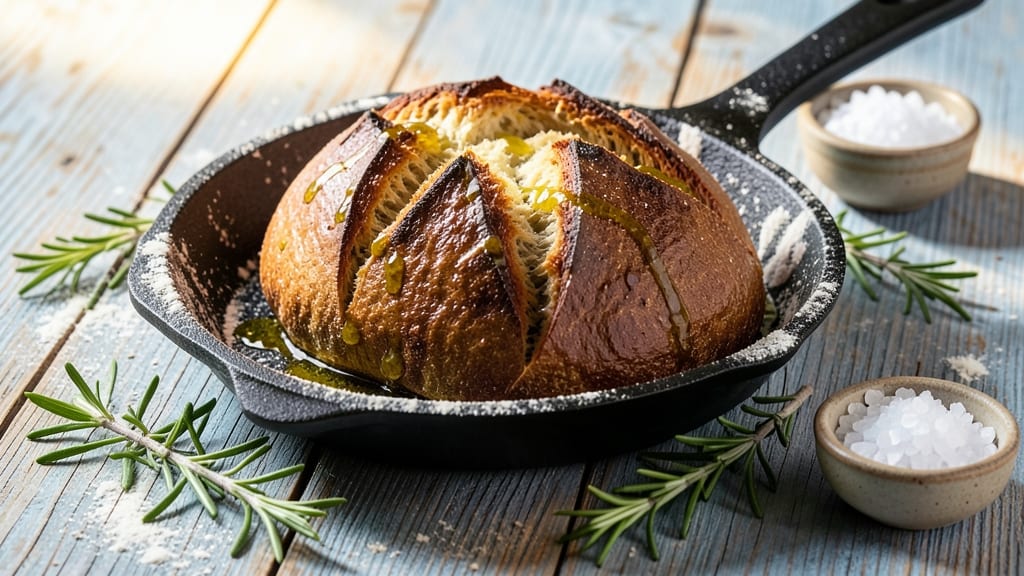
This authentic Tuscan bread recipe brings the rustic charm of Italy's heartland to your kitchen with just five simple ingredients. The secret lies in its minimalist approach—flour, water, olive oil, and salt—mirroring the traditional Pane Toscano that's been baked in wood-fired ovens for generations.
Unlike modern loaves, this bread relies on time and heat to develop its signature crisp crust and airy crumb, requiring no yeast or complicated techniques.
The key to authenticity is patience and precision: a long, slow fermentation (overnight in the fridge) allows flavors to deepen naturally, while baking in a hot Dutch oven replicates the intense heat of a wood-fired oven.
The result is a loaf with a golden, crackling crust infused with olive oil and a soft, open crumb that's perfect for soaking up rich sauces or pairing with cured meats and aged cheeses.
What makes this recipe truly special is its versatility—use it as a side for hearty Tuscan dishes, tear it for bruschetta, or simply enjoy it warm with extra-virgin olive oil and a sprinkle of coarse salt.
The simplicity of the ingredients ensures you can achieve restaurant-quality results without specialized equipment, just a little time and attention to detail.
For those seeking the full Tuscan experience, consider adding a few sprigs of fresh rosemary to the dough or finishing the baked loaf with flaky sea salt. The aroma alone will transport you to the rolling hills of Tuscany, where bread isn't just food—it's a way of life.
Let's get started on creating your own piece of Italy.
Ingredients for authentic tuscan bread
Five essential ingredients transform into Tuscan bread with golden crust and airy crumb.
| Ingredient | Amount | Notes |
|---|---|---|
| All-Purpose Flour 🌾 | 4 cups | Unbleached, high-protein preferred |
| Extra-Virgin Olive Oil 🫒 | ½ cup | Fruity, Italian variety preferred |
| Warm Water 💧 | 1 ½ cups | Room temperature, not hot |
| Diamond Crystal Kosher Salt 🧂 | 1 ½ tsp | Fine grain preferred |
| Fresh Rosemary 🌿 | 2 sprigs | Optional, for aroma |
The flour is your foundation—King Arthur or Caputo Tipo 00 if you want to get fancy, but all-purpose works beautifully. Olive oil should be the good stuff—Colavita or Bertolli from the Italian aisle. I always grab the extra-virgin, not the light kind. The water? Room temperature is key—hot water kills the dough's natural fermentation. For the salt, Diamond Crystal dissolves better than table salt, giving you that clean, crisp flavor. Rosemary is purely for aroma, but if you're feeling ambitious, chop a few sprigs finely and fold them into the dough before shaping.
No extra-virgin olive oil? Light olive oil works in a pinch, but you'll lose that fruity depth. Fresh rosemary not available? Dried works at half the amount, but toss it in the dough earlier to rehydrate. The flour can be swapped for whole wheat at 20% of the total—just know your crust will be denser. For the salt, if you only have table salt, reduce to 1 teaspoon—it's more concentrated. And if you're baking at high altitude, add 1 extra teaspoon of flour to prevent an overly sticky dough.
Shape the dough into a round boule or batard, then let it proof in the fridge overnight for maximum flavor. The dough keeps for 2 days in the fridge, wrapped tightly. For best results, bake it the same day you shape it—freshly baked Tuscan bread is a whole other experience. If you must store it, wrap in a clean kitchen towel to maintain that rustic texture. And trust me, leftovers reheated in a 350°F oven for 5 minutes taste almost as good as fresh.
Why You'll Love This Recipe
- No-Knead Magic: I swear by this method—just mix, rest, bake. No stand mixer, no arm workout, just a bowl and patience. The dough comes together in minutes, and honestly? That’s half the battle won.
- Rosemary Kiss: That fresh rosemary isn’t just decoration—it’s the star. The oil soaks it in, releasing that piney, bright aroma that turns ordinary bread into something ridiculously good. (Yes, even on a Tuesday night.)
- Pantry to Party: Make a batch on Sunday, and you’ve got dinner covered all week. Tear it for soup, toast it for breakfast, or serve it warm with olive oil and salt—it’s the ultimate crowd-pleaser. My daughter picks out the best slices, but still asks for seconds.
- Budget Crust: Flour, oil, water, salt—what’s not to love? This recipe costs pennies but tastes like you slaved over it. Plus, leftovers? They last forever if you freeze them. I’ve pulled frozen slices straight into the oven for a quick meal. Chef’s kiss.
Step-by-step instructions for authentic Tuscan bread
This rustic Tuscan bread delivers that signature crispy crust and fragrant interior—no fancy equipment needed.
👨🍳 Step 1: Combine Flour, Olive Oil, and Salt
In a large bowl, whisk together the 4 cups all-purpose flour and 1.5 teaspoons Diamond Crystal kosher salt until evenly distributed. The salt should be completely dissolved into the flour—this prevents uneven flavor distribution later. Create a well in the center and pour in the 0.5 cup extra-virgin olive oil. Using your fingers, work the oil into the flour mixture until it resembles coarse crumbs with pea-sized oil droplets throughout.
This step is crucial for developing gluten later. The olive oil not only adds that signature Tuscan flavor but also creates a tender crumb. I like to use my fingertips here—it gives me better control than a spoon or spatula. If the mixture feels too dry, you can add a splash of the warm water later, but start with the dry ingredients first.
👨🍳 Step 2: Gradually Add Warm Water and Rosemary
Slowly pour the 1.5 cups warm water into the flour mixture while stirring with a wooden spoon. The water should be at room temperature—hot water will kill the yeast if we were using any, but even without yeast, it affects gluten development. As you mix, you'll notice the dough coming together. Once incorporated, add the 2 sprigs fresh rosemary, finely chopped (or whole if you prefer a more pronounced aroma).
At this stage, the dough will be shaggy and sticky. This is normal—it means the gluten hasn't fully developed yet. If the dough feels too wet, add 1 tablespoon more flour; if it's too dry, add 1 teaspoon more water. The goal is a soft, slightly tacky dough that holds together when pressed but doesn't stick to your hands excessively.
🥘 Step 3: Knead Until Smooth and Elastic
Turn the dough onto a lightly floured surface and knead for 8-10 minutes by pressing down, folding over, and turning the dough. You're looking for a smooth, elastic texture that springs back when poked. The dough should feel firm but still slightly soft—like the inside of your cheek. This kneading step develops the gluten structure that gives Tuscan bread its satisfying chew.
I know kneading can feel tedious, but don't rush it. If the dough starts to stick, wet your hands slightly instead of adding more flour—this prevents a tough crust. The rosemary will infuse its piney aroma as you work, so take a moment to appreciate that authentic Tuscan scent. Once the dough passes the "windowpane test" (stretching a small piece thin enough to see light through), it's ready for the next step.
⏰ Step 4: Let the Dough Rest and Shape
Place the dough in a lightly oiled bowl, cover with a damp towel, and let it rest at room temperature for 1 hour. This resting period allows the gluten to relax and the flavors to meld. The dough should nearly double in size—this indicates proper fermentation even without yeast. If your kitchen is cold, you might need 30-45 minutes instead.
After resting, gently shape the dough into a round loaf by pulling the edges toward the center and tucking them underneath. Place it on a parchment-lined baking sheet, seam-side up. Cover again and let it rise for another 30 minutes. This second rise gives the bread its signature open crumb structure. The dough should feel slightly puffy but still firm to the touch—it won't rise dramatically like yeast bread.
🔥 Step 5: Bake Until Golden and Crisp
Preheat your oven to 375°F. Bake the bread for 30-35 minutes until the crust is deep golden brown and sounds hollow when tapped on the bottom. The interior should register 190-200°F on an instant-read thermometer. The olive oil will create a beautiful, crispy crust with subtle golden flecks—this is what makes Tuscan bread so special.
Real talk: Don't open the oven during baking or the bread will collapse. The steam inside is what creates that airy crumb. If the top browns too quickly, tent loosely with foil after 20 minutes to prevent over-browning. Let the bread cool on a wire rack for at least 15 minutes before slicing—this ensures clean cuts and prevents a gummy interior. The aroma alone will make your kitchen smell like a Tuscan bakery.
Pro Tips For Making Authentic Tuscan Bread
- USE ROSEMARY SPRIGS, NOT CHOPPED: I learned this the hard way—finely mincing rosemary turns it to mush in the dough. Tuck in 2-3 whole sprigs per batch, then pull them out before baking. The aroma infuses without overpowering, and you avoid that bitter, wet-herb taste.
- WEIGH YOUR FLOUR—DON’T SCOOP: That "cup of flour" in your measuring cup? It’s a lie. Spoon flour into the bowl, then level it off—no packing, no tapping. Tuscan bread relies on precise hydration, and volume measurements throw off the texture. A kitchen scale makes this foolproof.
- LET THE DOUGH REST UNDER A TOWEL: Skip the plastic wrap. After shaping, drape a clean kitchen towel over the dough and let it rise at room temp. The towel prevents a skin from forming while trapping just enough moisture—no sticky mess, no dry crust. (Yes, even if you’re impatient like me.)
- BAKE IN A COLD PAN: Crusty Tuscan bread needs a hot start, but the pan should be stone-cold when you place the dough in. This guarantees steam builds properly, giving you that signature crackly crust. Pop the pan in the oven, let it heat for 10 minutes, then bake—no burnt bottoms, no soggy centers.
Perfect pairings for this authentic tuscan bread
Olive Oil Drizzle
Finish your freshly baked Tuscan bread with a generous drizzle of extra-virgin olive oil—I use Colavita or Bertolli for that fruity, peppery kick. Warm the oil slightly and brush it over the crust while still hot from the oven.
The heat opens the pores, letting the oil soak in beautifully. For extra flair, sprinkle with flaky Maldon sea salt right before serving. This simple step elevates the bread from rustic to restaurant-worthy. 🫒
Tuscan Tomato Sauce
Pair your bread with a classic pomodoro sauce made from San Marzano tomatoes, garlic, and basil. Simmer 2 cups crushed tomatoes with 2 minced garlic cloves, 1 tbsp olive oil, and ½ tsp red pepper flakes for 20 minutes.
The acidity cuts through the richness of the bread, creating a perfect balance. Serve warm with a sprinkle of fresh basil. This is how I grew up eating bread in Tuscany—simple, bold, and unforgettable. 🍅
Cured Meats & Cheese
Tuscan bread pairs beautifully with prosciutto di Parma or finocchiona salami. The salty, fatty meats contrast the bread's crisp crust and soft interior. Add aged pecorino cheese or Parmigiano-Reggiano for a cheesy bite.
I like to layer thin slices of prosciutto on the bread, drizzle with olive oil, and sprinkle with cracked black pepper. This combo is a staple in any Tuscan trattoria. 🧀
Antipasto Platter
Create a Tuscan-inspired antipasto platter with your bread as the centerpiece. Include marinated artichokes, roasted red peppers, olives, and marinated mozzarella. The bread soaks up the flavors perfectly, making it a great way to start a meal.
For extra authenticity, add a small bowl of chili oil for dipping—just mix ½ cup olive oil with 1 tsp red pepper flakes and 1 tsp crushed fennel seeds. 🥗
Wine Pairings
For a true Tuscan experience, pair your bread with a glass of Chianti Classico or Vernaccia di San Gimignano. The medium-bodied reds complement the bread's olive oil richness, while the crisp whites cut through the crust's crispness.
If you prefer white, Vermentino from Sardinia is a fantastic choice. I always keep a bottle of Chianti on hand—it's the perfect match for any Tuscan meal. 🍷
Breakfast Twist
Use leftover Tuscan bread for breakfast by toasting slices and topping with ricotta cheese, honey, and fresh figs. The bread's crisp crust adds texture, while the sweet toppings balance its savory notes.
For a heartier option, add crispy pancetta or poached eggs. This breakfast combo feels like a vacation in every bite. 🍯
Nutrition facts
Frequently asked questions
Why doesn't this Tuscan bread recipe use yeast?
Traditional Tuscan bread relies on natural fermentation from the flour's gluten and warm water, creating a slow-rise effect. This method develops deeper flavors and a more rustic texture without yeast. The overnight fridge rest enhances this process, mimicking how Italian bakers traditionally let dough develop over time.
Can I make this bread without a Dutch oven?
Yes! If you don't have a Dutch oven, use a heavy baking sheet or stone. For extra crispiness, bake on the bottom rack of your oven. The key is to create intense heat—place a metal tray filled with boiling water on the lower rack during baking to generate steam for that signature open crumb.
How do I know when the bread is fully baked?
Your bread is done when the crust is deep golden brown and sounds hollow when tapped on the bottom. The internal temperature should reach 190-200°F. If unsure, bake 5 more minutes—underbaked bread will feel dense and gummy. The aroma should fill your kitchen with that irresistible Tuscan bread scent!
What's the best way to store leftovers?
Wrap cooled bread tightly in a clean kitchen towel or beeswax wrap, then store at room temperature for up to 2 days. For longer storage, freeze slices wrapped in plastic for up to 1 month. To revive, warm frozen slices in a 350°F oven for 5 minutes until crispy again.
Can I add other herbs besides rosemary?
Try thyme or sage for a different Tuscan flavor profile. For a Mediterranean twist, add oregano or basil. Just use 1 teaspoon dried herbs (or 2 sprigs fresh) and fold them into the dough during mixing. Keep amounts small—herbs can overpower the bread's delicate flavor.