
Side Dishes
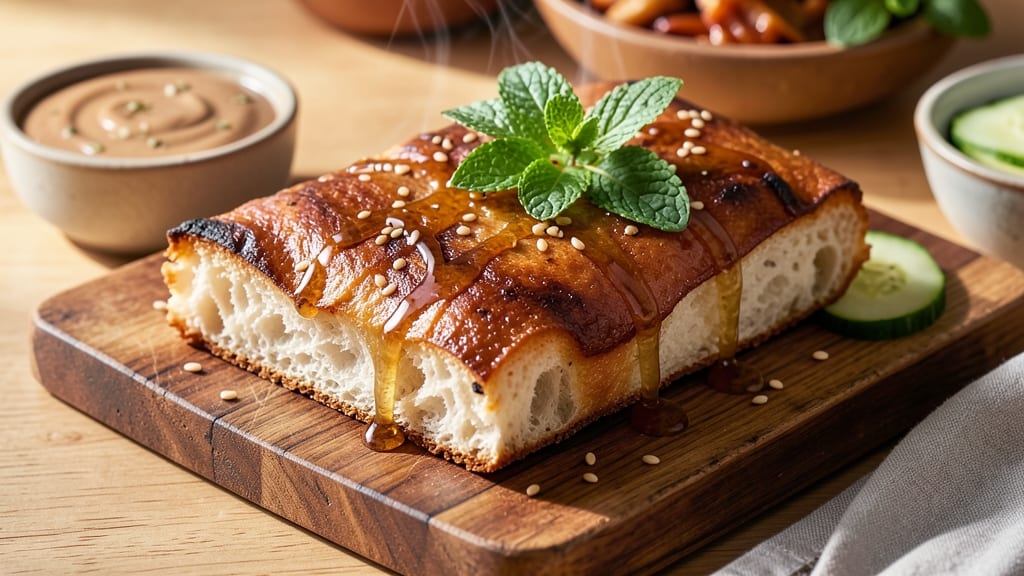
This Arabic shawarma bread recipe delivers the signature flaky, melt-in-your-mouth layers that make every bite irresistible. 🌟 The secret lies in a precise dough technique—layered with butter and folded like a croissant—that creates those signature shatteringly crisp yet tender sheets.
Perfect for serving with shawarma, hummus, or fresh salads, this bread transforms any meal into a restaurant-worthy experience.
What sets this recipe apart is the foolproof folding method, which builds layers without requiring professional skills. Each fold traps air and butter, ensuring that golden, crispy exterior and buttery interior that defines authentic shawarma bread.
The dough rests overnight for maximum flavor development, so you can prepare it ahead and bake fresh when ready.
By the time it emerges from the oven, your bread will have perfectly crisp edges that shatter at the slightest touch, while the inside remains soft and pillowy.
The aroma alone—warm, buttery, and slightly nutty—will have everyone gathering around the table. This is the kind of bread that disappears faster than the main dish.
Serve it warm alongside your favorite shawarma fillings, or enjoy it as a snack with garlic butter and sesame seeds. The beauty of this recipe is its versatility—it works as a side, a snack, or even a base for open-faced sandwiches. Let’s get started!
Ingredients for arabic shawarma bread
Twelve simple ingredients create restaurant-quality shawarma bread with signature flaky layers.
| Ingredient | Amount | Notes |
|---|---|---|
| All-Purpose Flour 🌾 | 5 cups | High protein for elasticity (12-13%) |
| Unsalted Butter 🧈 | 1 ½ cups | Cold, cubed, European-style preferred |
| Granulated Sugar 🍚 | ¼ cup | Fine grain for even dissolving |
| Instant Yeast 🍞 | ½ tsp | Fresh yeast works too (1.5 tsp) |
| Salt 🧂 | 1 ½ tsp | Diamond Crystal preferred |
| Whole Milk 🥛 | ¾ cup | Room temperature for activation |
| Large Eggs 🥚 | 1 whole | Room temperature for best mixing |
| Water 💧 | ¼ cup | Lukewarm for yeast activation |
| Sesame Seeds 🌰 | ¼ cup | Toasted for enhanced flavor |
| Vegetable Oil 🫒 | 2 tbsp | For greasing pans and brush |
| Cornmeal 🌽 | ½ cup | For dusting baking sheets |
| Semolina Flour 🌾 | ¼ cup | Optional for extra crunch |
The butter is non-negotiable here—European-style unsalted butter with high fat content (82%+) delivers that signature melt-in-your-mouth texture. Plugrá or President brands are my go-to, but any good-quality butter works. Keep it cold when cutting into cubes—this prevents the dough from over-softening during the folding process. For the flour, King Arthur or Gold Medal are reliable choices, but any high-protein (12-13%) all-purpose flour will work. The sesame seeds should be toasted in a dry pan for 2-3 minutes before using—they'll release their nutty aroma and add an extra layer of flavor to every bite.
No European butter? Use regular unsalted butter and add 0.25 tsp salt to compensate. Running low on whole milk? 2% milk or even water works in a pinch, though the dough might be slightly less tender. For the yeast, if you're using fresh, 1.5 tsp equals 0.5 tsp instant yeast. The semolina is optional but worth it—it adds that signature crunch to the top layer. If you can't find it, extra coarse cornmeal works too. For the folding technique, the key is patience—each fold should be precise and even. Don't rush it; those layers are what create the shatteringly crisp texture.
The dough can be made up to 24 hours ahead and stored in the fridge—this actually enhances the flavor. When ready to bake, let it sit at room temperature for 1-2 hours before shaping. The baked bread stays fresh for 2 days at room temperature if wrapped tightly in foil, but it's best enjoyed warm. Freeze the shaped loaves (before baking) for up to 1 month—just thaw overnight in the fridge before baking. Pro tip: Brush the baked bread with melted butter and sprinkle with extra sesame seeds while still warm for maximum flavor impact.
Why You'll Love This Recipe
- No-Knead Magic: I swear by this dough—just mix, rest, and roll. That butter-sugar combo makes it tender without the fuss of kneading, and the yeast does all the work while I sip coffee.
- Sweet Butter Crunch: Honestly, the sugar isn’t just for flavor—it caramelizes into a golden crust when you brush it with melted butter. That crispy edge with the creamy center? Chef’s kiss, every time.
- Weeknight Wrap Hero: Between us, this bread is my go-to for lazy nights. Stuff it with shawarma, falafel, or even PB&J—it holds up like a pro and tastes better than store-bought.
- Budget-Friendly Staple: Four ingredients, endless possibilities. A batch lasts me days, and I freeze extras for when I’m too tired to bake. (Yes, even on a Tuesday night.)
Step-by-step instructions for Arabic shawarma bread
Here's how to craft those legendary flaky layers that make shawarma unforgettable.
👨🍳 Step 1: Mix the Dough Base for Maximum Elasticity
In a stand mixer fitted with the dough hook attachment, combine the 5 cups all-purpose flour, 1.5 tsp salt, and 0.5 tsp instant yeast. Mix on low speed for 30 seconds just to distribute the dry ingredients evenly. This high-protein flour is key—it develops gluten that gives the bread its signature chew and structure.
In a separate bowl, whisk together the 0.75 cup whole milk, 1 large egg, and 0.25 cup lukewarm water. The milk should be room temperature—cold milk slows yeast activation and weakens gluten development. Gradually add the wet ingredients to the dry while mixing on low speed. The dough will start pulling away from the sides of the bowl almost immediately.
🍳 Step 2: Incorporate Butter for Laminated Layers
Cut the 1.5 cups cold unsalted butter into ½-inch cubes—this keeps it firm enough to create distinct layers. Add the butter to the dough and mix on low speed for 2-3 minutes until the butter pieces are the size of small grapes. You're looking for a rough, shaggy dough with visible butter chunks.
Here's where the magic happens: cover the bowl with plastic wrap and refrigerate for 1 hour. This chilling step is non-negotiable—it firms up the butter so it doesn't melt during shaping, which is crucial for those signature flaky layers. The dough should be cold but still pliable when you're ready to proceed.
🥘 Step 3: Shape and Layer for Perfect Flakiness
On a lightly floured surface, divide the chilled dough into 12 equal portions (about 4 oz each). Roll each portion into a 12-inch log, keeping the seams tight. The goal is to create long, even cylinders—any irregularities will show up in the final product. Wrap each log in plastic and return to the fridge for 30 minutes to maintain coldness.
Preheat your oven to 375°F and line two baking sheets with parchment paper. Brush the logs lightly with 2 tbsp vegetable oil and sprinkle generously with 0.25 cup toasted sesame seeds—this adds that signature shawarma crunch. Arrange the logs 2 inches apart on the prepared sheets, leaving room for them to puff up dramatically during baking.
⏰ Step 4: Bake to Golden Perfection
Bake for 20-25 minutes until the bread is deep golden brown with crisp edges. You'll see those beautiful flaky layers start to separate as they bake—this is your visual cue that it's ready. The bread should sound hollow when tapped on the bottom, and the internal temperature should reach 190°F at the thickest part.
For that extra crunch, immediately sprinkle 0.25 cup semolina flour over the hot bread. The semolina will toast instantly, adding texture that contrasts beautifully with the tender interior. Let the bread cool on a wire rack for 10 minutes before serving—this prevents sogginess and makes slicing easier.
🔥 Step 5: Serve Warm and Fresh
Slice the cooled bread diagonally into ½-inch thick pieces. The layers should separate cleanly with minimal effort—if they're sticking together, your butter wasn't cold enough during shaping. Serve immediately with your favorite shawarma fillings, or store in an airtight container for up to 3 days (though fresh is always best).
Here's the thing about shawarma bread—the best way to eat it is straight from the oven, still warm and crackling with each bite. The flaky layers should practically melt in your mouth while the crispy exterior provides satisfying resistance. That's the hallmark of authentic Arabic shawarma bread, and now you've got the technique to make it at home.
Pro Tips For Making Arabic Shawarma Bread
- KNEAD LESS, REST MORE: I used to overwork the dough thinking more kneading meant better texture, but shawarma bread needs a gentle touch. After mixing flour, yeast, sugar, and butter, let it rest 30 minutes before shaping—this relaxes the gluten and makes rolling easier. (Yes, even if you're impatient like me.)
- USE COLD BUTTER: Cut that unsalted butter into small cubes and toss it into the dry flour before adding liquid—this keeps the dough from getting too soft. Warm butter melts faster and makes the dough sticky, which is a nightmare when rolling thin. Trust me, cold butter = crispy layers.
- SKIP THE OVERPROOFING: This dough rises fast, but don’t let it double in size or you’ll end up with dense, chewy bread. Aim for just under 50% growth—press a finger into it and watch it spring back slowly. Overproofing is the #1 reason shawarma bread turns out flat and sad.
- ROLL THIN, STACK TIGHT: The secret to those perfect, flaky layers isn’t magic—it’s patience. Roll each rectangle thinner than you think (about 1/8-inch), then stack them like a Jenga tower before baking. If you’re lazy and roll them thick, you’ll get a brick, not shawarma bread. (I know, I’ve done it.)
Flavor customization for this dish
Garlic Butter Twist
Swap the sesame seeds for a garlic butter finish that takes this bread to the next level. After baking, brush each log with melted butter mixed with 1 minced garlic clove and a pinch of salt.
For extra richness, add 1 tsp lemon juice to the butter mixture—this brightens the flavors and cuts through the richness. 🌟 The garlic infuses the warm bread beautifully, creating a flavor profile that pairs perfectly with spicy shawarma.
Spiced Olive Oil Drizzle
Infuse 2 tbsp olive oil with 1 tsp ground cumin, ½ tsp smoked paprika, and ½ tsp coriander by heating gently for 3 minutes. Brush this fragrant oil over the baked bread just before serving.
The warm spices add depth and complexity, making each bite taste like a little Middle Eastern feast. This works especially well if you're serving the bread with lamb or chicken shawarma.
Sweet and Savory Sesame-Glaze
Combine 2 tbsp honey with 1 tbsp soy sauce and 1 tsp toasted sesame oil in a small saucepan. Simmer for 2 minutes until slightly thickened, then brush over the warm bread. The sweetness balances the savory notes of the sesame seeds, creating a caramelized crust that's irresistible.
This variation is a crowd-pleaser, especially for those who enjoy a touch of sweetness in their bread.
Everything Bagel Seasoning
For a playful twist, sprinkle 1 tbsp everything bagel seasoning over the bread after baking. The mix of sesame seeds, poppy seeds, garlic, onion, and salt adds a familiar yet exciting flavor profile.
This works surprisingly well with both sweet and savory shawarma fillings, and it's a great way to introduce this bread to those who might be new to Middle Eastern flavors.
Herb-Infused Butter Layers
Before the final fold, mix 1 tbsp finely chopped fresh herbs (like parsley, thyme, or dill) into ½ cup of the butter cubes. The herbs will infuse the dough during the folding process, creating layers that are aromatic and fresh.
After baking, brush the bread with additional melted butter for extra richness. This variation is perfect for those who love herbaceous flavors in their bread.
Cinnamon-Sugar Crunch
For a dessert-style variation, mix 2 tbsp granulated sugar with 1 tsp ground cinnamon and sprinkle this over the bread just before baking. The sugar caramelizes beautifully, creating a sweet, crunchy topping that contrasts with the buttery layers.
Serve this version with a cup of Arabic coffee or as a sweet snack. It’s a fantastic way to repurpose leftover dough or create a special treat for dessert lovers.
Nutrition facts
Frequently asked questions
Can I make this shawarma bread without a stand mixer?
While a stand mixer makes the process easier, you can mix the dough by hand. Use a large mixing bowl and a wooden spoon or your hands to combine the dry ingredients first, then gradually incorporate the wet ingredients. For the butter, cut it into small pieces and work it into the dough using your fingers or a pastry cutter. The key is to keep everything cold—this helps create those signature flaky layers even without a mixer.
Why is my shawarma bread not flaky?
Flakiness comes from proper butter layering and chilling. If your bread isn't flaky, your butter may have melted during the folding process. Always keep the dough cold between folds, and make sure your butter cubes are firm. Another common issue is overworking the dough—handle it gently after the initial mixing. The folds should be tight and even, with no gaps where butter could leak out.
How do I store leftover shawarma bread?
Store baked shawarma bread in an airtight container at room temperature for up to 3 days. For longer storage, wrap individual pieces tightly in plastic wrap and freeze for up to 1 month. To reheat, warm in a 350°F oven for 5-7 minutes or toast in a dry skillet over medium heat until crispy again. The bread is best enjoyed fresh, but these methods preserve its texture well.
Can I use margarine instead of butter?
While you can technically use margarine, it won't give you the same rich flavor or texture. Butter's high fat content (82%+) is crucial for creating those signature flaky layers. If you must substitute, use a high-fat margarine (at least 80% fat) and add an extra 0.25 tsp salt to compensate for the lack of flavor. For best results, stick with real butter—it makes all the difference in the final product.
What's the best way to serve this bread?
This shawarma bread is incredibly versatile! Serve it warm alongside your favorite shawarma fillings, or use it as a base for open-faced sandwiches. It's also perfect with hummus, baba ganoush, or fresh salads. For a special touch, brush warm bread with melted garlic butter and sprinkle with extra sesame seeds. The crispy exterior and tender interior make it ideal for both savory and sweet applications.