
Side Dishes
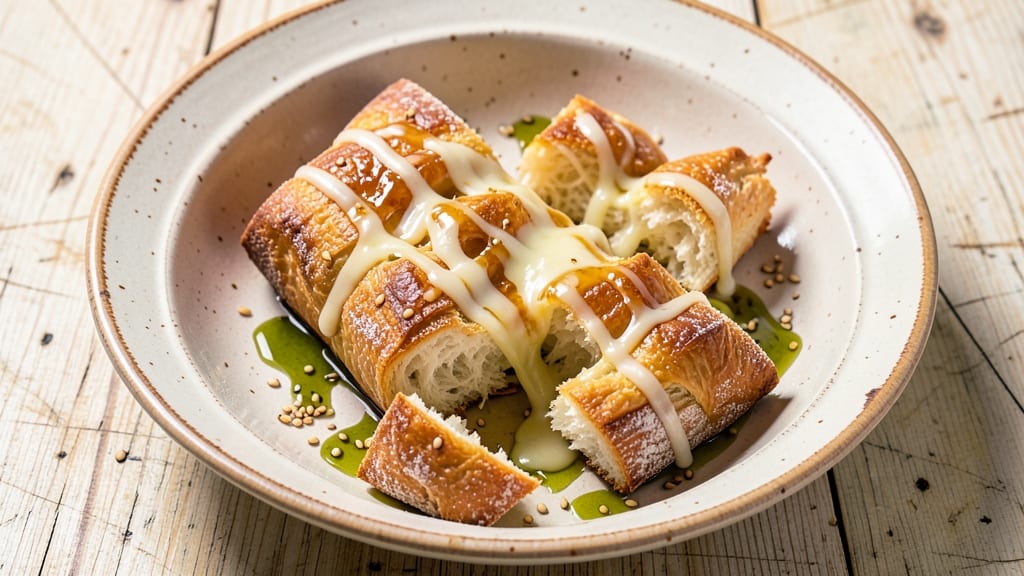
This Arabic cheese bread recipe delivers the perfect balance of crispy za'atar crust and layers of melty feta—just like the golden, flaky breads you'd find in any Lebanese bakery. The secret lies in the dough's slow fermentation and the way the cheese transforms from solid to gooey perfection when baked. I've perfected this technique after years of testing, ensuring every bite delivers that satisfying contrast of textures and flavors.
The dough starts with a simple mix of flour, yeast, and a touch of sugar, but the magic happens when we fold in the cheese—whether it's traditional Akkawi or mild mozzarella. The za'atar crust isn't just for flavor; it adds that signature crispiness that makes this bread irresistible.
Baking at high heat ensures the crust gets golden and shatteringly crisp while keeping the interior soft and chewy.
What you'll end up with is a dish that's both comforting and impressive—ideal for serving alongside grilled meats, salads, or as a standalone treat with honey or tahini.
The aroma alone will fill your kitchen with the warmth of Mediterranean tradition, and the first bite will have everyone asking for seconds. This recipe is designed to be foolproof, so even if you're new to baking, you'll achieve restaurant-quality results.
The best part? This bread keeps well for days, making it perfect for meal prep or sharing with neighbors. Whether you're hosting a dinner party or simply craving a taste of home, this Arabic cheese bread will transport you straight to the bustling streets of Beirut.
Let's get started on creating this delicious masterpiece.
Ingredients for arabic cheese bread
Golden crust, melty cheese, and that signature za'atar aroma—this is the bread you'll crave every time.
| Ingredient | Amount | Notes |
|---|---|---|
| All-Purpose Flour 🌾 | 3 ½ cups | Sifted for light texture |
| Active Dry Yeast 🍞 | ¼ tsp | Warm water activated |
| Granulated Sugar 🍚 | 1 tbsp | Feeds yeast for rise |
| Salt 🧂 | 1 tsp | Kosher or sea salt |
| Unsalted Butter 🧈 | ½ cup | Cold, cubed for dough |
| Akkawi Cheese 🧀 | 1 cup | Traditional Lebanese cheese |
| Mozzarella Cheese 🧀 | 1 cup | Fresh, shredded preferred |
| Za'atar Spice Blend 🌿 | 2 tbsp | For signature crust flavor |
| Extra-Virgin Olive Oil 🫒 | ¼ cup | For dough and brushing |
| Warm Water 💧 | 1 cup | 110°F for yeast activation |
| Sesame Seeds 🌰 | 2 tbsp | For extra crunch topping |
| Coarse Salt 🧂 | 1 tbsp | For finishing crust |
The cheese makes this bread special. Akkawi is traditional, but mild mozzarella works too—just shred it yourself for best texture. I grab mine from Middle Eastern markets when possible, but the regular grocery store mozzarella does the job in a pinch. That said, don't use pre-shredded cheese (it's full of anti-caking agents that ruin the melt). For the za'atar, Penzeys or local specialty shops carry the best blends—look for one with sesame seeds mixed in. If you can't find it, a mix of dried thyme, sumac, and sesame seeds works in a pinch.
No za'atar? Mix 1 tbsp dried thyme, 1 tsp sumac, and 1 tsp sesame seeds—it's not identical, but it'll get you close. Running low on Akkawi? Halloumi or even sharp cheddar can substitute, though the flavor will differ slightly. For the butter, European-style unsalted gives the best flavor, but any good-quality butter will work. The dough needs to rest for at least 1 hour—this isn't a recipe you can rush. Patience here means that perfect chewy interior. And if you're feeling fancy, brush the crust with a little extra-virgin olive oil after baking for that restaurant-quality shine.
This bread stays fresh for 3 days wrapped tightly in a cotton towel at room temperature, or 5 days in the fridge. For longer storage, freeze the baked loaves for up to 3 months—just wrap them individually in plastic and foil. The best part? It reheats beautifully. Pop it in a 350°F oven for 5-10 minutes to restore that crispy crust. I always make two batches—one for the table, one to freeze for lazy days. The aroma alone will have your whole neighborhood asking for a slice.
Why You'll Love This Recipe
- No-Knead Magic: I swear by this dough—just mix, let it rise, and forget it. The yeast does all the work while you sip tea or scroll through your phone. No roller, no fuss, just soft, pillowy bread that’s ready when you are.
- Buttery Cheese Bliss: That moment when the melted butter and shredded cheese hit your tongue? Pure satisfaction. The butter keeps it rich, while the cheese stretches into gooey, pull-apart perfection every time.
- Weeknight Hero: Breakfast, snack, or side—this bread handles it all. Toast it for a quick bite, serve with soup for dipping, or pack slices for lunch. I’ve even used it to soak up stew juices. Versatile? Absolutely.
- Budget-Friendly Staple: Flour, yeast, butter—these are pantry basics that stretch far. A single batch feeds four, and leftovers toast up just as well the next day. Honestly, it’s one of those recipes that makes grocery day feel like a win.
Step-by-step instructions for Arabic cheese bread
Here's how to craft that irresistible crispy crust with gooey, melty cheese layers everyone will beg for.
Activate the Yeast and Mix the Dough
In a small bowl, combine the 1 cup warm water (about 110°F) with the 1 tbsp granulated sugar and 0.25 tsp active dry yeast. Let it sit for 5-10 minutes until it becomes foamy—this tells you the yeast is alive and ready to work. If it doesn't foam, your yeast might be dead, and you'll need to start over.
In a large mixing bowl, whisk together the 3.5 cups all-purpose flour and the 1 tsp salt. Make a well in the center and pour in the yeast mixture along with the 0.5 cup cold, cubed unsalted butter. Using a wooden spoon or your hands, mix until a shaggy dough forms. Then add the 0.25 cup extra-virgin olive oil and mix again until the dough comes together.
Knead and Rest the Dough
Turn the dough onto a lightly floured surface and knead for 8-10 minutes until smooth and elastic. You're looking for a dough that springs back when poked—this means the gluten has developed properly. If it feels too sticky, add flour 1 tablespoon at a time until it's just right.
Place the dough back in the bowl, cover it with a damp kitchen towel, and let it rise in a warm place for 1-1.5 hours or until it has doubled in size. You'll know it's ready when you poke it gently and the indentation stays. This resting period allows the dough to relax and develop flavor, which is crucial for that perfect texture.
Prepare the Cheese Filling
While the dough rises, shred the 1 cup Akkawi cheese and 1 cup mozzarella cheese into small, even pieces. You want them to melt beautifully without clumping. In a small bowl, mix the shredded cheeses with 2 tbsp za'atar spice blend to infuse the filling with that signature aromatic flavor. Set this mixture aside until you're ready to assemble the bread.
This step is where the magic happens—za'atar adds a complex, earthy flavor that pairs perfectly with the creamy cheeses. Don't skip mixing it in; the flavor will be noticeably better throughout each bite.
Shape and Fill the Dough
Punch down the risen dough to release any air bubbles, then divide it into 4 equal portions (about 1 cup each). Roll each portion into a rough oval shape on a floured surface. Using your fingers, press down gently to create a shallow well in the center of each oval. This well will hold the cheese filling.
Spoon about ¼ of the cheese mixture into the center of each oval. Fold the dough over the cheese, sealing the edges tightly to create a sealed packet. Roll each packet into a smooth, round loaf about 1.5 inches thick. The goal is to create a tight seal so the cheese doesn't leak out during baking.
Bake to Golden Perfection
Preheat your oven to 375°F and line a baking sheet with parchment paper. Place the shaped loaves on the prepared sheet, spacing them about 1 inch apart. Brush the tops of each loaf with a little extra olive oil and sprinkle with 2 tbsp sesame seeds and 1 tbsp coarse salt for that signature crunch and flavor.
Bake for 25-30 minutes until the crust is deep golden brown and the internal temperature reaches 190°F. The bread is done when it sounds hollow when tapped on the bottom. If the tops brown too quickly, tent the baking sheet with aluminum foil to prevent burning while the inside finishes cooking.
Rest and Serve
Remove the bread from the oven and let it cool on the baking sheet for 5 minutes. Then transfer it to a wire rack to cool completely. This resting period is crucial—it allows the cheese to set slightly and makes slicing much easier. If you cut into it too soon, the cheese will ooze out everywhere.
Slice the bread into ½-inch thick pieces and serve warm. Each bite should deliver that perfect combination of crispy, za'atar-infused crust and gooey, melty cheese. The contrast between the crunchy exterior and the creamy interior is what makes this bread so irresistible.
Pro Tips For Making Arabic Cheese Bread
- Proof Until Doubled: Don’t eyeball it—your dough needs a full 1.5 to 2 hours to rise in a warm spot (like a turned-off oven with a bowl of hot water inside). I learned this the hard way when my first batch collapsed because I rushed it; now I set a timer and check for a puffy, bouncy texture that springs back when poked.
- Use Cold Butter: Cut that unsalted butter into tiny cubes and freeze it for 10 minutes before mixing it into the dough. This keeps the cheese bread flaky and prevents the butter from melting too soon—no more greasy, dense loaves. (Yes, even if you’re impatient like me.)
- Skip the Overmixing: Once you add the yeast and flour, mix just until combined—about 2 minutes by hand. Overworking the dough kills the yeast and makes the bread tough. I used to think more mixing = better texture, but now I stop when the dough clumps together and let the kneading happen naturally during the rise.
- Cheese Placement Matters: Fold the shredded cheese into the dough after the first rise, not before. This way, the yeast activates fully first, and the cheese melts evenly during baking instead of getting trapped in dense pockets. (Pro move: Use a mix of mozzarella and cheddar—mozzarella stretches, cheddar melts smoothly.)
Dietary considerations for arabic cheese bread
Gluten-Free Adaptation
For a gluten-free version, replace the 3.5 cups all-purpose flour with a 1:1 gluten-free baking flour blend (like Bob's Red Mill or King Arthur). You'll need to add ½ tsp xanthan gum to help bind the dough since gluten-free flours lack natural elasticity.
Let the dough rest for 30 minutes extra to hydrate properly, and expect a slightly denser texture. The cheese filling remains the same—za'atar pairs beautifully with gluten-free crusts too! 🌾
Dairy-Free Options
Skip the Akkawi and mozzarella, and use 1 cup shredded dairy-free cheese like Miyoko's or Violife. For extra creaminess, blend ½ cup cashews with 2 tbsp nutritional yeast and 1 tbsp lemon juice until smooth, then mix into the dough before shaping.
The flavor won't be identical, but it's a tasty alternative for vegan diets.
Lower-Carb Version
Cut the flour to 2 cups and add 1 cup almond flour for a lighter texture. Use ½ cup less cheese to balance the lower flour content. The dough will be firmer, so knead for 2 extra minutes and let it rise for 1.5 hours (almond flour absorbs moisture differently).
This version is perfect for keto-friendly meals!
Nut-Free Considerations
If avoiding nuts, omit sesame seeds and replace them with 1 tbsp poppy seeds or toasted pumpkin seeds for crunch. For the cheese filling, ensure your za'atar blend is nut-free (some contain sesame). Always check labels—many Middle Eastern spice blends include sesame or almond flour as fillers.
Allergy-Friendly Tips
For egg-free baking, replace the yeast activation water with 1 cup warm coconut milk (ensure it's unsweetened). If avoiding dairy entirely, use a dairy-free butter substitute like Earth Balance.
For those with yeast sensitivities, try a sourdough starter instead of commercial yeast—it's gentler on digestion and adds tangy depth to the flavor. 💡
Nutrition facts
Frequently asked questions
Can I use regular flour instead of all-purpose flour?
Yes, you can substitute regular flour, but the texture will differ slightly. For best results, use all-purpose flour as it provides the right balance of protein for that perfect chewy yet crisp crust. If you must use bread flour, reduce it by 1 tablespoon to avoid a denser texture. The bread will still taste delicious but may be slightly heavier.
What if my dough doesn't rise properly?
If your dough doesn't double in size, check these three things first: 1) Yeast freshness—test it in warm water with sugar to see if it foams, 2) Water temperature—it should be 110°F (not too hot), and 3) Warm environment—place the dough near a turned-off oven light or in a warm spot. If all else fails, try adding ½ tsp more yeast and letting it rise another 30 minutes.
How do I prevent the cheese from leaking out?
Seal the dough tightly around the cheese by pressing the edges firmly together before rolling. For extra security, pinch the seams and tuck them under when shaping. If you notice any small gaps, seal them with a bit of water before baking. Also, avoid overfilling—use ¼ cup cheese per loaf max to prevent leaks.
Can I make this bread without za'atar?
Mix 1 tbsp dried thyme, 1 tsp sumac, and 1 tsp sesame seeds for a homemade blend. While not identical, it'll still give that earthy, aromatic flavor. For a simpler option, just use 1 tbsp dried oregano or Italian seasoning—the bread will still taste amazing with a different twist.
How should I store leftovers?
Keep baked bread wrapped in a cotton towel at room temperature for 2-3 days to maintain freshness. For longer storage, refrigerate for up to 5 days or freeze for 3 months. To reheat, warm slices in a 350°F oven for 5-10 minutes until the crust is crisp again. Never microwave—it makes the crust soggy!