
Side Dishes
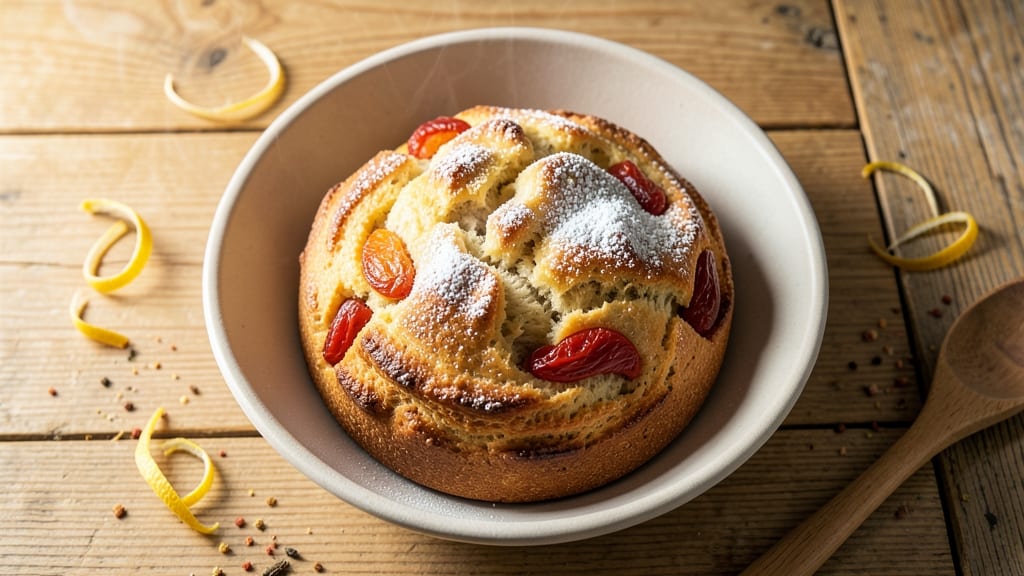
This apricot yeast bread recipe transforms your kitchen into a bakery with golden swirls of fruit and a buttery crust that crackles at every bite. The secret lies in balancing sweet apricot jam with a rich, airy dough—no fancy techniques, just patience and a few key steps.
I’ve baked this version countless times, and it never fails to impress, whether served warm with breakfast or as a dessert with tea.
The dough starts with active yeast and warm milk for a tender crumb, while the apricot filling—whether fresh fruit, jam, or dried apricots—adds bursts of sweetness that caramelize beautifully during baking. A 375°F oven ensures a perfect rise, and brushing the crust with melted butter gives that signature golden sheen.
The result? A loaf with layers of fruit visible through the crust, soft yet slightly chewy, and sweet enough to satisfy any craving.
This recipe works for both beginners and seasoned bakers—just follow the proofing times closely, and don’t skip the kneading. The apricot filling can be adjusted to your taste: tart for balance or extra sweet for a decadent treat.
For a modern twist, try a vegan version with plant-based milk and flax eggs, or add a sprinkle of cinnamon to the dough for warmth.
Once baked, let it cool slightly before slicing—this bread is best enjoyed fresh, with the jam oozing slightly from each cut. Store leftovers wrapped in a cloth to keep them soft, or freeze for up to a month. The aroma alone will have everyone asking for seconds.
Ingredients for apricot yeast bread
Eight simple ingredients transform into golden swirls of apricot heaven.
| Ingredient | Amount | Notes |
|---|---|---|
| Active Dry Yeast 🍞 | 2 ¼ tsp | One packet or 7g |
| Warm Whole Milk 🥛 | 1 cup | 110-115°F for activation |
| Granulated Sugar 🍚 | ¼ cup | For yeast activation |
| Unsalted Butter 🧈 | ½ cup | Cold, cubed for dough |
| Large Eggs 🥚 | 2 whole | Room temperature |
| All-Purpose Flour 🌾 | 4 cups | Plus extra for dusting |
| Salt 🧂 | 1 tsp | Kosher or sea salt |
| Apricot Jam 🍑 | ¾ cup | Unsweetened preferred |
| Granulated Sugar 🍚 | ¼ cup | For dough sweetness |
| Ground Cinnamon 🍃 | 1 tsp | Optional for warmth |
| Melted Butter 🧈 | 2 tbsp | For brushing crust |
| Coarse Sugar 🍚 | 2 tbsp | For topping crust |
The yeast is your foundation—King Arthur or Bob’s Red Mill work best for reliable rising. Warm the milk to 110-115°F (like bathwater), not hot enough to kill the yeast. For the jam, Smucker’s unsweetened or homemade preserves keep the fruit flavor vibrant. If using dried apricots, soak them first for a chewier texture. The butter matters too—Land O’Lakes or Plugrá give that rich flavor without overpowering the fruit. I always grab King Arthur flour for its consistent rise, but any all-purpose works in a pinch.
No apricot jam? Peach or plum jam works just as well—just adjust sweetness to taste. Short on butter? Coconut oil keeps the dough tender, though it lacks the same richness. For a vegan twist, swap eggs for flax eggs (1 tbsp ground flax + 3 tbsp water) and use Earth Balance butter. The cinnamon is optional but adds warmth—McCormick or Frontier Co-op are my go-tos. If your jam is too runny, mix it with 1 tsp cornstarch to thicken before using. And if you’re feeling fancy, fold in chopped almonds for crunch.
This dough needs patience—let it rise until it’s doubled in size (about 1-2 hours). For extra flavor, brush the baked loaf with melted butter while still warm. Store wrapped in a clean kitchen towel to keep it soft for 3-4 days. Freeze slices for up to 3 months—just thaw at room temperature before serving. The aroma alone will have everyone thinking you’re a professional baker.
Why You'll Love This Recipe
- No-Knead Magic: The yeast does all the work—just mix, let it rise overnight, and bake. I swear, the butter and warm milk make the dough so tender, it practically melts in your mouth.
- Sunshine in Every Bite: That apricot jam swirled through the bread? It’s like summer in dough form—sweet but not cloying, with just enough tang to keep it interesting.
- Breakfast to Brunch: Slice it toasted for French toast, pack it for lunches, or serve it warm with jam for a lazy Sunday. The eggs and butter in the dough make it rich enough for any meal.
- Budget-Friendly Luxury: Whole milk and butter might sound fancy, but they stretch further than you’d think. A single loaf feeds my family for days—no sad, stale leftovers here.
Step-by-step instructions for apricot yeast bread
Here's how to create a tender, fruity-swirled loaf with a golden crust—no fancy skills needed.
Activate the Yeast for Perfect Rise
In a small bowl, combine the 1 cup warm whole milk and 0.25 cup granulated sugar (for yeast activation). Sprinkle the 2.25 tsp active dry yeast on top and let it sit for 5-10 minutes until foamy. You'll see tiny bubbles forming—this means your yeast is alive and ready to work.
If nothing happens after 10 minutes, your yeast might be old. Start fresh with a new packet. Once it's bubbly, proceed—this active yeast will give you that light, airy texture we're after. I always check the milk temperature first with a thermometer to make sure it's between 110-115°F—too hot and you'll kill the yeast, too cold and it won't activate properly.
Mix the Dough Until Smooth
In a large mixing bowl, combine the 4 cups all-purpose flour and 1 tsp salt. Make a well in the center and add the yeast mixture, 0.5 cup cold cubed unsalted butter, and 2 whole eggs (room temperature). Mix with a wooden spoon until you have a shaggy dough that comes together when pressed.
Here's where it gets fun—knead the dough on a lightly floured surface for 8-10 minutes until smooth and elastic. You'll know it's ready when it springs back slowly when poked. Don't rush this step; proper kneading develops gluten, which gives your bread that perfect structure. If the dough feels too sticky, add 1 tablespoon flour at a time until it's manageable.
Let the Dough Rise Until Doubled
Place the dough in a lightly greased bowl, cover with a clean kitchen towel, and let it rise in a warm place for 1-1.5 hours until it has doubled in size. I like to put my oven on low heat (around 70°F) with a bowl of hot water inside to create a cozy environment—this helps speed up the rising process.
When the dough has puffed up nicely, punch it down gently to release any air bubbles. This step ensures an even texture throughout your bread. Real talk: if your kitchen is cold, don't worry—just give it extra time. The dough will rise when it's ready, so be patient and let it do its thing.
Shape and Fill with Apricot Jam
Divide the dough into 8 equal pieces (about 1.5 ounces each) and roll each piece into a 6-inch rope. Take 0.75 cup apricot jam and pipe or spoon 1 teaspoon into the center of each rope. Gently fold the dough over the jam to create a sealed package, then roll it into a ball.
Place each filled dough ball onto a parchment-lined baking sheet, leaving 1 inch of space between them. Cover with a towel and let them rise again for 30-45 minutes until they've puffed up noticeably. This second rise gives you that beautiful, fluffy texture with pockets of jam throughout. If your dough doesn't rise much, it might need more time—don't rush it.
Bake to Golden Perfection
Preheat your oven to 375°F. Brush the tops of the dough balls with 2 tbsp melted butter and sprinkle with 2 tbsp coarse sugar and 1 tsp ground cinnamon for that sweet, crunchy crust. Bake for 20-25 minutes until the bread is golden brown and sounds hollow when tapped on the bottom.
Let the bread cool on the baking sheet for 5 minutes before transferring to a wire rack. This resting time keeps them from falling apart when you slice. The aroma filling your kitchen will be worth the wait—warm, buttery, and bursting with apricot flavor in every bite. Serve with a pat of butter or a drizzle of honey for the ultimate treat.
Pro Tips For Making Apricot Yeast Bread
- Bloom the Yeast First: Skip mixing yeast with dry ingredients—dissolve it in the warm milk first and let it foam for 5-10 minutes. I used to just toss it in with flour, and the bread always rose slower. This step guarantees your dough starts active and doubles faster, especially in cooler kitchens.
- Use Room-Temp Butter: Cold butter creates pockets but weakens gluten—soften it to 65°F (18°C) before creaming with sugar. I learned this after my first batch turned dense; the butter never fully incorporated. This makes the crumb lighter and the apricot swirls melt-in-your-mouth.
- Don’t Overmix the Dough: Mix just until the flour is mostly incorporated—lumpy is fine. Overworking it kills the gluten, and your bread will turn tough. I’ve ruined batches by obsessing over smoothness; resist the urge to punch it down extra.
- Proof Until Springy: Press a finger into the dough—if it springs back slowly (not instantly), it’s ready. Rushing the proof (even with warm milk) makes the bread collapse. My first loaf flattened like a pancake because I cut corners here; patience pays off.
Pro cooking tips for great apricot yeast bread
Yeast Activation Secrets
The key to a light, airy apricot bread starts with proper yeast activation. Always use warm milk (110-115°F)—too hot and you kill the yeast, too cold and it won’t activate. I swear by a thermometer here; my instant-read one costs $15 and saved me from countless failed batches.
If your yeast doesn’t bubble within 10 minutes, toss it and start fresh—old yeast is the #1 reason for dense bread. 🌡️
Pro tip: For extra insurance, use King Arthur or Bob’s Red Mill yeast—they’re consistently reliable. And if you’re baking in a cold kitchen, place your mixing bowl near a warm spot (like the oven with the light on) to speed up the rising process.
Trust me, your bread will thank you.
Kneading Like a Pro
Don’t skip the 8-10 minute kneading—this develops gluten, which gives your bread structure. I use a wooden dough scraper to keep things clean and prevent sticking.
If your dough feels too sticky, add 1 tablespoon flour at a time, but don’t overdo it—too much flour makes the bread dry. You’ll know it’s ready when it springs back slowly when poked. 💪
For a hands-off approach, use a stand mixer with a dough hook on medium speed for 5-6 minutes. Just be careful not to overmix, or your bread will turn out tough.
And if you’re short on time, let the dough rest for 10 minutes after mixing before kneading—it’ll be easier to handle.
Rising Right
The first rise is where most home bakers go wrong—either too short or too long. Aim for 1-1.5 hours until the dough doubles in size. My trick?
Place the dough in a bowl, cover it with a clean kitchen towel, and set it near the oven with a bowl of hot water inside. This creates a warm, humid environment that mimics a professional bakery’s proofing box. 🔥
After the first rise, punch down the dough to release air bubbles. This ensures an even texture. Then, shape your dough balls and let them rise again for 30-45 minutes. If your kitchen is cold, don’t rush it—let the dough do its thing. Patience here = perfect bread.
Jam Filling Tricks
For the apricot filling, use unsweetened jam to avoid an overly sweet bread. If your jam is too runny, mix it with 1 tsp cornstarch to thicken it before adding to the dough.
I like to pipe the jam into the center of each dough rope using a small zip-top bag with a corner cut off—it’s mess-free and precise. 🍑
Seal the jam tightly inside the dough to prevent leaks during baking. If you’re feeling adventurous, add chopped almonds or cinnamon to the filling for extra flavor.
And if you’re using dried apricots, soak them first for a chewier texture. The goal is to trap that sweet, fruity goodness in every bite.
Baking for the Perfect Crust
Brush the tops of your dough balls with melted butter right before baking—this creates that golden, crackly crust we all love. Sprinkle with coarse sugar and cinnamon for a sweet, crunchy finish.
Bake at 375°F for 20-25 minutes until the bread is golden brown and sounds hollow when tapped on the bottom. 🥖
Let the bread cool on the baking sheet for 5 minutes before transferring to a wire rack. This resting time keeps them from falling apart when you slice. And if you’re short on time, brush the warm bread with extra melted butter—it’s a game-changer for flavor.
Nutrition facts
Frequently asked questions
Can I substitute apricot jam with fresh or dried apricots?
For fresh apricots, chop 1 cup and mix with 1 tablespoon lemon juice to prevent browning. For dried apricots, soak ½ cup in warm water for 10 minutes to soften, then drain before adding to the dough. The texture will be slightly different—fresh adds juiciness while dried provides chewier pockets.
Why did my bread turn out dense instead of light and airy?
Dense bread usually means the yeast didn't activate properly or the dough didn't rise enough. Double-check your milk temperature (110-115°F) and yeast freshness. Also, ensure you kneaded for 8-10 minutes and gave the dough enough rising time (1-1.5 hours until doubled). Cold kitchens slow rising—try a warm oven with the light on to speed things up.
How do I store apricot yeast bread to keep it fresh?
Wrap cooled bread tightly in a clean kitchen towel or plastic wrap to retain moisture. Store at room temperature for 3-4 days or freeze slices for up to 3 months. For reheating, warm in a 350°F oven for 5-10 minutes to restore freshness. The towel method keeps the crust crisp while keeping the inside soft.
Can I make this recipe without eggs?
Yes! Replace the 2 eggs with 2 flax eggs (mix 2 tbsp ground flaxseed + 6 tbsp water, let sit for 5 minutes to thicken). For a vegan version, also use plant-based butter and milk. The texture will be slightly denser but still delicious. Test your flax eggs first—they should be gel-like before adding to the dough.
What's the best way to serve this bread?
Warm apricot bread pairs perfectly with butter or honey, as a breakfast toast, or alongside cheese plates. For a dessert twist, dust with powdered sugar and serve with vanilla ice cream. The jam oozes beautifully when warm—slice just before serving to enjoy that gooey texture. Try it with morning coffee or as a sweet snack with tea!