
Side Dishes
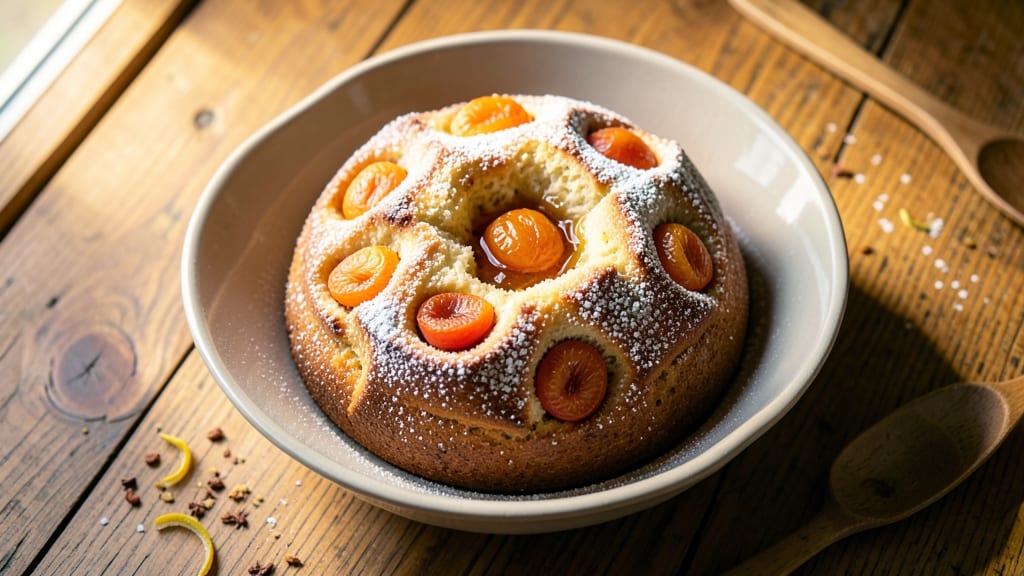
This apricot sweet bread recipe transforms a simple loaf into a showstopping dessert with golden swirls of jam and a buttery crust. The secret lies in balancing tender yeast dough with bursts of apricot flavor—whether you use fresh fruit, dried apricots, or homemade jam.
I developed this recipe after years of baking, refining the perfect ratio of sweetness to tang for a bread that feels both rustic and elegant.
The process is straightforward but requires patience: kneading the dough until smooth, letting it rise until puffy, and carefully swirling in the apricot filling before baking. The result? A crust that’s crisp yet tender, with a jam swirl so vibrant it looks like a sunrise in every slice.
This bread pairs beautifully with afternoon tea or as a light dessert after dinner—its natural sweetness satisfies without being overwhelming.
What makes this recipe stand out is the versatility. You can adjust the apricot filling to suit your taste—spiced with cinnamon, zesty with lemon, or even mixed with nuts for extra texture.
The dough’s simplicity means it’s forgiving for beginners, while the final product impresses even experienced bakers. Ready in about 2 hours (including rising time), it’s the perfect project for a weekend afternoon.
Serve warm with a dusting of powdered sugar or a drizzle of honey for extra shine. The aroma alone will draw everyone to the table—this isn’t just bread; it’s a centerpiece. Let’s get started on creating yours.
Ingredients for apricot sweet bread
Eight simple staples plus apricot jam and cinnamon for a showstopping dessert bread.
| Ingredient | Amount | Notes |
|---|---|---|
| All-Purpose Flour 🌾 | 4 cups | Sifted for light texture |
| Granulated Sugar 🍚 | ½ cup | White or light brown |
| Active Dry Yeast 🍞 | 2 ¼ tsp | 1 packet, room temperature |
| Unsalted Butter 🧈 | ½ cup | Cold, cubed for dough |
| Large Eggs 🥚 | 1 whole | Room temperature |
| Whole Milk 🥛 | ½ cup | Warm, 110°F |
| Salt 🧂 | ½ tsp | Diamond Crystal preferred |
| Vanilla Extract 🌸 | 1 tsp | Pure, high-quality |
| Apricot Jam 🍑 | 1 cup | High-quality, no seeds |
| Ground Cinnamon 🌿 | ½ tsp | For jam swirl |
| Powdered Sugar 🍚 | ½ cup | For dusting |
| Dried Apricots 🍑 | ¼ cup | Chopped, optional texture |
| Coarse Sugar 🍚 | 2 tbsp | For sprinkling on top |
The flour is non-negotiable here—King Arthur or Gold Medal give the best texture for this tender dough. I always grab my yeast from the baking aisle at Whole Foods—it's fresher than the bulk bins. If you're using dried apricots, Trader Joe's has the best quality at a fair price. For the jam, Smucker's or Bonne Maman are reliable, but homemade is where it shines. The butter should be cold—press it between parchment paper to flatten the cubes before mixing. Room temperature egg and milk are key for proper yeast activation.
No vanilla extract? Almond extract at half the amount works in a pinch, though it has a different flavor profile. Substituting jam? Peach or plum preserves keep the same sweet-tart balance, but apricot's unique flavor is what makes this recipe special. The cinnamon can be swapped for cardamom or nutmeg if you prefer, but stick with cinnamon for that classic sweet bread taste. For the dough, if you don't have a stand mixer, hand-kneading for 10 minutes works just fine—just go slow and be patient. The dried apricots are optional but add wonderful texture to each bite.
This dough needs time to rise properly—1-2 hours in a warm spot until puffy. Don't rush it! The bread keeps well at room temperature for 2 days wrapped in a clean kitchen towel, but it's best served fresh. For longer storage, freeze the baked loaf—up to 3 months—and reheat in a 350°F oven for 10 minutes. The jam swirls stay vibrant when stored properly, so don't skip the parchment paper when wrapping. A quick brush with milk before baking gives that golden, buttery crust everyone loves.
Why You'll Love This Recipe
- No Yeast Fuss: I swear by this dough—just mix, let it rise once, and it’s ready. No kneading, no waiting hours; that active dry yeast works its magic while you sip coffee or watch a show.
- Sunshine in Every Bite: The apricot jam swirled through the butter-rich dough? It’s like summer in a loaf. Sweet but not cloying, with that buttery crust that begs for another slice—trust me, I’ve tested this.
- Breakfast or Snack Star: Toast it warm for breakfast with jam and butter, or pack slices for lunch. The sugar keeps it fresh longer than plain bread, and it’s way more exciting than store-bought.
- Budget-Friendly Luxury: Flour, sugar, butter, eggs—these are pantry staples that cost pennies. One batch feeds a family for days, and the leftovers? Perfect for French toast or croutons. Smart, simple, and satisfying.
Step-by-step instructions for apricot sweet bread
Here's how to craft a golden, jam-swirled masterpiece with tender crumb and buttery crust.
Activate the Yeast and Mix the Dough
In a small bowl, combine the 0.5 cup warm whole milk (about 110°F) with the 2.25 tsp active dry yeast and let sit for 5-10 minutes until frothy. This tells you your yeast is alive and ready to work. In a large bowl, whisk together the 4 cups all-purpose flour, 0.5 cup granulated sugar, and 0.5 tsp salt.
Make a well in the center and add the yeast mixture, 1 whole egg, and 1 tsp vanilla extract. Using a wooden spoon, mix until a shaggy dough forms. Then add the 0.5 cup cold unsalted butter, cubed, and work it into the dough until fully incorporated. The butter should be cold enough to stay in chunks at first—this creates those tender, flaky layers later.
Knead Until Silky Smooth
Turn the dough onto a lightly floured surface and knead for 8-10 minutes until smooth and elastic. You'll know it's ready when it springs back slowly when poked. If the dough feels sticky, add flour 1 tablespoon at a time—but don't overdo it, or your bread will turn dense. Shape into a round loaf and place in a lightly greased bowl.
Cover with a damp towel and let rise in a warm place for 1-1.5 hours or until doubled in size. The dough should feel light and airy when pressed gently. Here's the thing—don't rush this step. Proper rising gives you that perfect, airy texture we're after. If your kitchen isn't warm enough, place the bowl near a warm oven with the light on.
Prepare the Jam Swirl and Shape the Loaf
While the dough rises, prepare the jam filling by mixing the 1 cup apricot jam with the 0.5 tsp ground cinnamon in a small bowl. Once the dough has risen, punch it down and roll it out on a floured surface into a 12x16-inch rectangle, about ¼-inch thick. Spread the jam mixture evenly over the surface, leaving a ½-inch border around the edges.
Sprinkle the 0.25 cup chopped dried apricots evenly over the jam, then roll the dough tightly into a log starting from the long side. Seal the seam by pinching it closed. This creates those beautiful jam swirls throughout the bread. Place the log seam-side down in a greased 9x5-inch loaf pan and let rise again for 30-45 minutes until it's just above the pan's rim.
Bake to Golden Perfection
Preheat your oven to 350°F. Brush the top of the loaf with milk or egg wash (beat the 1 whole egg with 1 tablespoon water), then sprinkle evenly with the 2 tbsp coarse sugar. Bake for 45-50 minutes until the top is golden brown and the internal temperature reaches 190°F. The bread should pull away slightly from the sides of the pan.
For that perfect crust, I like to tent the loaf with foil after 25 minutes to prevent over-browning if your oven runs hot. Let it cool in the pan for 10 minutes before transferring to a wire rack. This resting period keeps everything together while it sets. Once cooled, dust with 0.5 cup powdered sugar for that classic sweet bread finish.
Slice and Serve Warm
Use a serrated knife to slice the loaf into ½-inch thick pieces. The jam swirls should be visible throughout each slice, creating pockets of fruity goodness in every bite. Serve warm with your favorite tea or coffee for the ultimate comforting treat. The crust should be crisp yet tender, with a perfect balance of sweetness from the jam and sugar.
Real talk—this bread is best enjoyed fresh from the oven, but it keeps well wrapped at room temperature for 2 days or frozen for up to 3 months. If it disappears too quickly, just make another batch. Trust me, you'll want to.
Pro Tips For Making Apricot Sweet Bread
- Proof the Yeast Slowly: Skip the 110°F water trick—mix yeast with warm milk (105-110°F) first, then let it sit for 5 minutes until frothy before adding to the flour. I learned this the hard way after killing yeast twice with boiling water; patience here means a lighter, fluffier crumb.
- Cut Butter Cold: Use unsalted butter straight from the fridge—no softening needed. Work it into the dough in small chunks until it’s pea-sized; this keeps the texture tender without making the bread greasy. (Yes, even if you’re impatient like me.)
- Don’t Overmix the Dough: Mix the dough just until it comes together—about 2 minutes by hand. Overworking it develops gluten, and you’ll end up with a dense, chewy loaf instead of the soft, pillowy apricot bread you want. Feel for resistance, not smoothness.
- Brush with Egg Wash: Whisk 1 egg with 1 tablespoon milk and brush it over the shaped dough before baking. The sugar in the apricot filling will caramelize beautifully, giving you that golden, glossy finish without extra effort. (Your future self will thank you.)
Common mistakes when making great apricot sweet bread
Over-Kneading the Dough
One of the most common mistakes is over-kneading the dough, which can make your sweet bread tough instead of tender. I’ve seen beginners knead for 15+ minutes thinking more is better, but this disrupts the gluten structure.
Stop when the dough springs back slowly when poked—about 8-10 minutes total. Over-kneading also causes the butter to melt too quickly, losing that flaky, buttery texture we love. 🧈
Skipping Proofing Time
Rushing the proofing stage is a big no-no. If you skip the 1-1.5 hour rise or don’t let the dough double in size, your bread will be dense and heavy. I’ve learned this the hard way—once, I was in a hurry and only let it rise for 30 minutes.
The result? A brick-like loaf that crumbled when sliced. Use a warm spot (like near your oven with the light on) to help the yeast work its magic.
Using Cold Butter
Cold butter is essential for those tender, flaky layers, but if it’s too cold, it won’t incorporate properly into the dough. I’ve seen recipes fail when the butter stays in hard chunks and doesn’t soften during kneading.
Press your butter between parchment paper to flatten the cubes before mixing—this ensures even distribution without melting too quickly. Room-temperature butter is a no-go; it’ll make the dough greasy and hard to handle.
Overfilling with Jam
Too much jam can cause the dough to burst open or leak during baking. Stick to the 1 cup jam measurement and spread it evenly, leaving a ½-inch border around the edges.
I once doubled the jam thinking it would taste better, but the bread split open and lost its shape. The jam should enhance, not dominate. A thin, even layer ensures those beautiful swirls without mess. 🍑
Baking at the Wrong Temperature
Ovens vary, but baking at 375°F instead of 350°F can burn the crust before the bread is fully cooked inside. I’ve had to pull out undercooked bread because I got impatient. Use an oven thermometer to confirm your oven’s accuracy—many run hotter than set.
If your kitchen is warm, tent the loaf with foil after 25 minutes to prevent over-browning while the center finishes baking.
Not Resting Before Slicing
Cutting into the bread too soon causes the jam to ooze out and the structure to collapse. Always let the loaf cool in the pan for 10 minutes before transferring to a wire rack. This resting time lets the gluten relax and the jam set.
I’ve seen slices fall apart when sliced too early—patience here makes all the difference. A quick brush of powdered sugar after cooling adds that final touch of elegance. ✨
Nutrition facts
Frequently asked questions
Can I substitute dried apricots for the jam in this recipe?
Yes! You can use 1 cup chopped dried apricots instead of jam, but the texture will be different. For best results, soak the apricots in 2 tablespoons warm water for 10 minutes to soften, then drain well before mixing with 1 teaspoon lemon juice and ½ teaspoon cinnamon. This creates a chunkier filling with natural sweetness. The bread will still be delicious, but the swirls will be more rustic than smooth.
How do I know when the dough is fully risen?
The dough is ready when it’s doubled in size and leaves a gentle ½-inch indent when you press it lightly with a finger. It should also feel light and airy, almost springy to the touch. Pro tip: If your kitchen is cold, place the bowl near a warm oven with the light on to help it rise faster. Never skip this step—underproofed dough makes dense bread.
Can I make this bread without a stand mixer?
Hand-kneading works perfectly—just knead the dough on a lightly floured surface for 8-10 minutes until smooth and elastic. Use the palm of your hand to press and fold the dough, rotating it as you go. The key is patience; don’t rush it. If the dough feels sticky, add flour 1 tablespoon at a time, but avoid over-flouring or the bread will turn tough.
Why did my bread split open during baking?
This usually happens when the dough rises too much before baking or if the jam filling is too thick/uneven. To prevent splits, ensure the dough rises just until it’s 1-2 inches above the pan rim before baking. Also, spread the jam in a thin, even layer with a ½-inch border—overfilling causes pressure buildup. If it splits, don’t worry; just cover with extra powdered sugar after baking for a pretty finish.
How should I store leftovers?
Wrap the cooled loaf tightly in plastic wrap or aluminum foil, then place it in an airtight container. It stays fresh at room temperature for 2 days and can be frozen for up to 3 months. To reheat, warm slices in a 350°F oven for 5-7 minutes or microwave for 10-15 seconds (cover with a damp paper towel to keep moist). The texture will be slightly softer after freezing, but still delicious!