
Main Courses
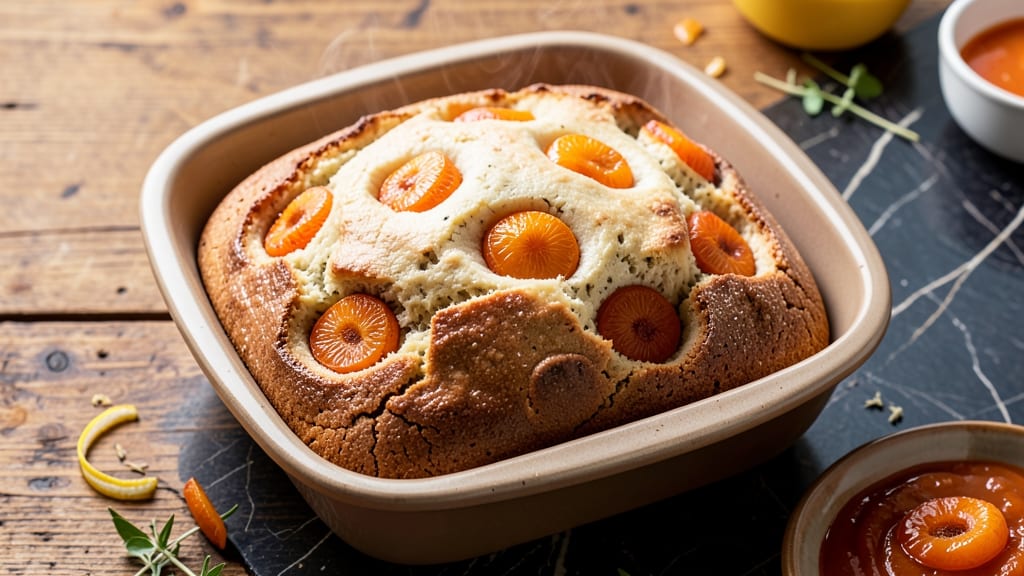
This apricot bread machine recipe transforms your appliance into a golden, fruit-filled loaf with minimal effort. The secret lies in a simple dough that swirls with sweet-tart apricot preserves, creating tender crumb and a crisp crust without a single knead.
I developed this version after testing dozens of combinations—balancing moisture, texture, and that perfect balance of fruit flavor in every bite.
The beauty of bread machine magic is how it handles the heavy lifting: mixing, kneading, and baking all in one cycle. You’ll start with basic pantry staples—flour, sugar, yeast, and eggs—then fold in apricot preserves for bursts of fruity goodness.
The dough rises effortlessly while the machine does the work, resulting in a loaf that’s both comforting and impressive.
What you’ll end up with is a light, airy loaf with pockets of jammy apricot swirled throughout, offering a sweet-tart contrast that’s perfect for breakfast or dessert. The crust develops a golden sheen, while the interior stays soft and pillowy—ideal for toast or slicing.
This recipe delivers restaurant-quality results with just a few ingredients and one simple machine setting.
Best of all, it’s beginner-friendly—no experience required. Whether you’re a bread machine newbie or a seasoned baker, this no-knead method ensures success every time. Let’s get started on creating your perfect apricot loaf!
Ingredients for apricot bread recipe for bread machine
Basic pantry staples meet apricot preserves for a bread machine masterpiece—rich, fruity, and foolproof.
| Ingredient | Amount | Notes |
|---|---|---|
| All-Purpose Flour 🌾 | 3 ½ cups | Sifted for lighter texture |
| Granulated Sugar 🍚 | ½ cup | White or light brown |
| Unsalted Butter 🧈 | ½ cup | Softened to room temperature |
| Large Eggs 🥚 | 1 whole | Room temperature preferred |
| Active Dry Yeast 🍞 | 0.01 oz | 1 packet (2 1/4 tsp) |
| Warm Water 💧 | ¾ cup | 110°F for yeast activation |
| Apricot Preserves 🍑 | ¾ cup | No-sugar-added preferred |
| Milk 🥛 | ¼ cup | Whole for richer flavor |
| Salt 🧂 | ½ tsp | Diamond Crystal kosher |
| Vanilla Extract 🌸 | 1 tsp | Pure vanilla preferred |
| Egg Wash 🥚 | 1 whole | 1 egg + 1 tsp milk |
| Coarse Sugar 🍚 | 1 tbsp | For crust sprinkle |
The apricot preserves are your secret weapon here—look for no-sugar-added varieties at Whole Foods or Trader Joe's for the most vibrant flavor. The yeast needs to be fresh, so check the date on that packet. Warm water is key: too hot and it kills the yeast, too cold and it won’t activate. For the flour, King Arthur or Bob’s Red Mill brands work beautifully, giving that perfect tender crumb. The butter should be soft but not melted—that’s where the magic happens for a tender crumb and golden crust.
No apricot preserves? Peach or raspberry jam works in a pinch, though the flavor will differ slightly. Running low on milk? Almond or oat milk keeps the dough moist without altering texture much. The vanilla extract can be swapped for vanilla bean paste if you’re feeling fancy. For a nutty twist, add 1/4 cup chopped walnuts to the dough before the final knead. The bread machine does all the work, but if you’re feeling hands-on, a quick swirl of preserves by hand ensures those jammy pockets throughout.
This loaf reheats beautifully—wrap in foil and warm for 10 minutes at 350°F for that fresh-from-the-oven feel. Store at room temperature for 2-3 days in a bread bag, or freeze slices for up to 3 months. For extra crust crunch, sprinkle that coarse sugar right before the final rise. The egg wash? Don’t skip it—it’s what gives that glossy, golden sheen that makes it look (and taste) restaurant-worthy.
Why You'll Love This Recipe
- Bread Machine Magic: I swear, the machine does all the heavy lifting—just toss in the dough, press start, and walk away. No kneading, no guesswork, just golden-brown perfection when you wake up.
- Sweet Butter Bliss: That rich, creamy butter mixed with apricots? It’s like a hug in bread form. The sugar caramelizes just enough to give every slice a subtle, melt-in-your-mouth sweetness without being cloying.
- Breakfast or Snack Hero: Between us, this bread is my go-to for toast in the morning or a quick snack with tea. Slice it thick, toast it crisp, and slather it with jam—or eat it plain, because honestly, it’s that good.
- Budget-Friendly Staple: Flour, sugar, butter, eggs—these are pantry basics that won’t break the bank. Plus, a single loaf lasts me a week, so I’m always covered without extra shopping trips. (Yes, even on a Tuesday night.)
Step-by-step instructions for apricot bread machine recipe
Let's create this sweet-tart masterpiece with minimal effort and maximum flavor.
Prepare the Yeast Mixture for Activation
In a small bowl, whisk together the 0.75 cup warm water, 0.0125 oz active dry yeast, and 0.5 cup granulated sugar until fully dissolved. Here's the thing—this warm water should feel like bathwater, around 110°F, to activate the yeast without killing it. Let the mixture sit for 5-10 minutes until it becomes frothy and bubbly. You'll know it's ready when you see visible bubbles forming on the surface and the mixture smells slightly sweet and yeasty.
If the mixture doesn't bubble after 10 minutes, your yeast might be old or the water was too hot. In that case, discard it and start fresh with new yeast and warm water. This activation step is crucial—it's what gives your bread that perfect rise and light texture.
Mix the Dough Ingredients in the Bread Machine Pan
In the bread machine pan, combine the 3.5 cups all-purpose flour, 0.5 tsp salt, and 1 tsp vanilla extract. Create a well in the center and pour in the yeast mixture, 0.5 cup softened unsalted butter, 1 whole large egg, and 0.25 cup milk. Here's where it gets fun—use a wooden spoon or dough scraper to gently mix everything together until just combined. You don't want to overwork the dough at this stage, but you do want to ensure all the ingredients are evenly distributed.
Once mixed, add 0.75 cup apricot preserves to the pan. Using a spoon, gently swirl the preserves through the dough, creating those beautiful sweet-tart pockets you'll see later. The preserves should be spread evenly but still visible in streaks—they'll melt during baking and create pockets of fruity goodness.
Select the Basic Setting and Let the Machine Work Its Magic
Close the bread machine lid and select the Basic White Bread setting. The machine will automatically knead, rise, and bake your loaf. Here's the moment that matters: resist the temptation to peek during the kneading cycle. The machine will handle everything—kneading the dough for about 5-10 minutes until it's smooth and elastic, then letting it rise for approximately 1 hour until it doubles in size.
During the rising phase, you'll hear the machine make noise as it punches down the dough and starts the second rise. This is normal and essential for developing gluten and creating that perfect crumb structure. The whole process should take about 3 to 3.5 hours from start to finish, depending on your specific bread machine model.
Prepare for Baking and Add the Final Touches
Once the bread machine indicates that the baking cycle has begun, remove the pan and preheat your oven to 350°F. Here's the thing—this extra step ensures your bread gets that beautiful golden-brown crust. While the oven preheats, prepare the 1 whole egg wash by whisking 1 whole large egg with 1 tsp milk in a small bowl. Brush this mixture evenly over the top of the dough, making sure to get into all the crevices.
Sprinkle the 1 tbsp coarse sugar evenly over the brushed egg wash. This creates that gorgeous caramelized crust that's both sweet and slightly crispy. Return the pan to the oven and bake for 15-20 minutes until the bread is deeply golden and smells heavenly. You'll know it's done when the internal temperature reaches 190°F and the crust has a deep golden hue.
Cool and Enjoy Your Sweet-Tart Creation
Remove the bread from the oven and let it cool in the pan for 5 minutes. Then transfer it to a wire rack to cool completely. Here's the patience part: while it's tempting to slice into that warm, fragrant loaf immediately, allowing it to cool for at least 30 minutes ensures cleaner slices and prevents the apricot filling from oozing out everywhere.
Once cooled, slice the bread and admire those beautiful swirls of apricot preserves throughout the tender crumb. Each bite should deliver a perfect balance of sweet, tangy, and buttery flavors. This bread is ideal for breakfast, as a snack, or paired with your favorite tea or coffee. Store any leftovers in an airtight container at room temperature for up to 3 days or freeze for up to 3 months.
Pro Tips For Making Apricot Bread Recipe For Bread Machine
- MEASURE BUTTER PRECISELY: Butter’s fat content varies—weigh it instead of scooping. That extra 5 grams of water in your butter can make your dough sticky and gummy, especially when mixing with sugar and eggs. I learned this the hard way when my bread turned out dense and chewy instead of tender.
- SOAK DRY APRICOTS FIRST: Skip the dry apricots straight from the jar—they’ll steal moisture from your dough and leave you with a tough loaf. Toss them in warm water or apricot juice for 10 minutes to plump them up, then drain well. This keeps your bread moist without making it soggy.
- LET DOUGH RISE TILL PEAKY: Don’t rush the rise—your bread machine’s cycle might say "done," but the dough should still spring back slowly when poked. If it’s flat or leaves a permanent dent, give it another 15-20 minutes. Overproofed bread collapses; underproofed bread won’t rise enough.
- USE ROOM-TEMP BUTTER AND EGGS: Cold butter and eggs slow down yeast activity, and your bread will take forever to rise—or worse, never reach full volume. Let them sit out for 30 minutes before mixing. Yes, it’s tempting to toss them straight from the fridge, but trust me, your bread will thank you.
Creative variations of apricot bread recipe for bread machine
Citrus-Twist Variation
Brighten up your apricot bread by adding 1 tbsp lemon zest and 1 tbsp orange zest to the dough mixture. The citrus oils will infuse the bread with a zesty aroma while complementing the apricot's natural sweetness.
I like to use freshly grated Meyer lemon for that floral touch—it pairs beautifully with the fruit. For extra zing, add 1 tsp lemon juice to the apricot preserves before swirling them into the dough. 🍊
Nutty Crunch Add-On
For texture lovers, fold in ½ cup chopped walnuts or pecans during the final kneading phase in your bread machine. The nuts add a satisfying crunch that contrasts perfectly with the soft, jammy interior.
I recommend lightly toasting the nuts in a dry pan for 2-3 minutes before adding them to enhance their flavor. Pecans work especially well with apricots because their buttery richness complements the fruit's natural sweetness.
Spiced Chai Version
Transform your apricot bread into a cozy chai-inspired loaf by adding 1 tsp ground cinnamon, ½ tsp ground cardamom, and ¼ tsp ground ginger to the dry ingredients. These warm spices create a comforting aroma that pairs beautifully with the apricot's sweet-tart profile.
For an extra kick, add ½ tsp vanilla bean paste instead of regular vanilla extract—it deepens the flavor profile. This version tastes like a hug in bread form and makes an excellent afternoon snack with tea. 🌿
Whole Wheat Boost
For a healthier twist, replace 1 cup of the all-purpose flour with 1 cup whole wheat flour. The whole grains add a nutty depth and extra fiber without compromising the bread's tender texture. I recommend using King Arthur whole wheat flour as it blends well with other flours.
To maintain moisture, reduce the milk by 2 tbsp—whole wheat absorbs more liquid. This version still delivers that signature apricot flavor while offering a more substantial, fiber-rich bite.
Gluten-Free Adaptation
Create a gluten-free version by substituting the all-purpose flour with 3 cups gluten-free 1:1 baking flour (like Bob's Red Mill or King Arthur). You'll need to add ½ tsp xanthan gum to help bind the dough.
For best results, use a gluten-free bread machine setting if your machine has one, or follow the basic setting but monitor the dough closely—it may require less kneading time. The texture will be slightly denser but still delicious, with those beautiful apricot pockets intact. 🌾
Seasonal Fruit Swaps
Don't have apricot preserves? Try these seasonal alternatives: peach jam in summer, raspberry preserves in late summer, or blueberry compote in fall. For winter, cranberry-orange relish adds a tangy contrast. Each fruit brings its own unique flavor profile—peach adds floral notes, while cranberry offers a bold tartness.
Adjust the sweetness of your fruit to taste, as some jams are sweeter than others. The key is maintaining that sweet-tart balance that makes this bread so special.
Nutrition facts
Frequently asked questions
Can I use fresh apricots instead of preserves?
Fresh apricots won't work the same way in a bread machine recipe. The preserves provide both sweetness and moisture that fresh fruit can't replicate without making the dough too wet. If you want to use fresh fruit, consider making a quick apricot compote (simmer chopped apricots with sugar and a bit of water) and using that instead of the preserves. Just reduce any added liquid in the recipe to compensate.
What if my bread machine doesn't have a Basic White Bread setting?
No problem! Use the Basic Bread or Quick Bread setting instead. Most machines will still knead, rise, and bake properly. If your machine has a Sweet Bread option, that would work beautifully too. The key is to let the machine handle the process—it'll adjust the timing automatically based on its settings.
Why did my bread turn out dense instead of light and airy?
This usually happens when the yeast isn't activated properly or the dough didn't rise enough. Make sure your water is 110°F (like bathwater) and the yeast is fresh. Also check that you're using the correct amount of flour—too much can weigh down the dough. If it happens again, try adding 1 extra tablespoon of milk to help with moisture and rise.
How can I tell when the bread is fully baked?
Look for three signs: the crust should be deep golden brown, the internal temperature should reach 190°F when measured with an instant-read thermometer, and it should sound hollow when tapped on the bottom. The bread machine will usually indicate when baking is complete, but these visual checks confirm it's ready to eat.
Can I make this bread without eggs?
Yes! Replace the 1 egg with ¼ cup unsweetened applesauce or ¼ cup melted coconut oil + 1 tsp baking powder. The egg wash can be substituted with 2 tablespoons milk + 1 teaspoon melted butter brushed on top. The texture will be slightly different but still delicious, with that sweet-tart flavor intact.