
Side Dishes
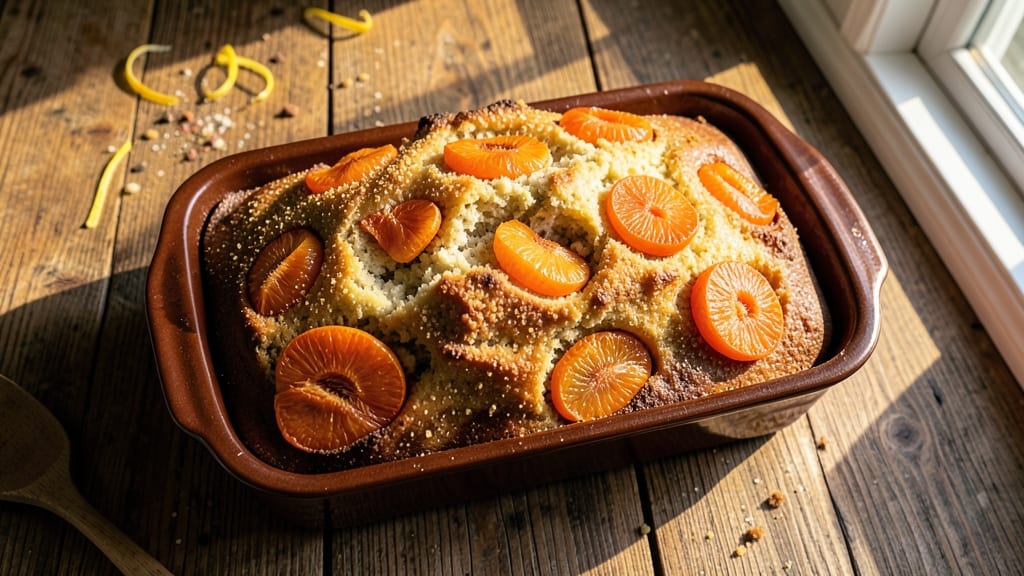
This apricot loaf bread recipe delivers the perfect balance of tender crumb, buttery crust, and bursts of sweet apricot throughout—ideal for brunch, tea time, or holiday gatherings. The secret lies in folding plump apricot pieces into a well-developed dough, creating those signature swirls that make every slice irresistible.
I've perfected this recipe over years of baking, ensuring the fruit stays juicy while the bread achieves a golden, crackly crust that no store-bought loaf can match.
The process begins with a simple yeast dough that develops rich flavor during a 1-hour rise, followed by a quick apricot prep—whether you use dried apricots soaked in brandy or fresh fruit chopped into bite-sized pieces.
The dough wraps around the fruit in a technique that creates those classic swirls, while a light egg wash ensures a shiny, golden finish. Baking at 350°F for 30-35 minutes yields a loaf with a crisp exterior and soft, pillowy interior that's perfect for slicing.
What makes this recipe truly special is how the flavors come together: the slight tartness of the apricots contrasts beautifully with the buttery dough, while a touch of cinnamon in the dough adds warmth.
The result is a loaf that's sweet enough to satisfy dessert cravings but hearty enough to serve alongside soups or as a breakfast companion. The aroma alone—warm bread with caramelized fruit—will have everyone asking for seconds.
For an extra touch of elegance, brush the cooled loaf with a simple glaze of powdered sugar and milk, or dust with powdered sugar for a classic presentation.
This recipe scales perfectly for holidays or everyday baking, and the leftovers? They disappear just as quickly as they're made. Let's get baking!
Ingredients for apricot loaf bread
Eight essential ingredients transform into a golden loaf with apricot swirls that disappear faster than you can slice.
| Ingredient | Amount | Notes |
|---|---|---|
| All-Purpose Flour 🌾 | 4 cups | Spooning and leveling for accuracy |
| Granulated Sugar 🍚 | ½ cup | Light brown sugar for depth |
| Active Dry Yeast 🍞 | 2 ¼ tsp | Ensure yeast is fresh |
| Warm Milk 🥛 | 1 ¼ cups | 110°F for optimal yeast activation |
| Unsalted Butter 🧈 | ½ cup | Cold for easier mixing |
| Large Eggs 🥚 | 1 whole | Room temperature preferred |
| Dried Apricots 🍑 | 1 ½ cups | Chopped into small pieces |
| Brandy 🍷 | ¼ cup | Or apricot juice substitute |
| Ground Cinnamon 🌿 | 1 tsp | Plus extra for dusting |
| Salt 🧂 | ½ tsp | Fine sea salt preferred |
| Powdered Sugar 🍚 | ¼ cup | For final glaze |
| Whole Milk 🥛 | 1 tbsp | For glaze consistency |
The flour is your foundation—King Arthur or Gold Medal work best for that tender crumb. Dried apricots are a game-changer here; Trader Joe's or bulk bins offer the best quality without the high price tag. For the brandy, any good-quality variety works, but if you're avoiding alcohol, apricot juice with a splash of vanilla extract gives the same fruity depth. The cinnamon should be freshly ground if possible—it makes a noticeable difference in flavor. Store your flour in an airtight container to keep it fresh, and always check the yeast expiration date before using.
No dried apricots? Fresh apricots work beautifully—just chop them into small, even pieces and toss with a little lemon juice to prevent browning. Short on brandy? Orange juice or apricot nectar adds sweetness without overpowering. The butter should be cold when you measure it—this ensures the dough doesn't get too soft during mixing. For the glaze, if you're avoiding dairy, coconut milk powder mixed with water creates a similar shine. Always use room-temperature eggs to avoid lumps in the dough, and if you're making this ahead, let the dough rise overnight in the fridge for even better flavor development.
This loaf keeps well for 3-4 days at room temperature wrapped in a clean kitchen towel, or up to 5 days in an airtight container. For longer storage, freeze the baked loaf for up to 3 months—just thaw at room temperature before serving. The glaze can be made ahead and stored in the fridge for up to 1 week, so you're never without that perfect finish. To revive stale bread, wrap it in foil and warm in a 300°F oven for 10 minutes. Every slice is worth the effort, especially when shared with a warm cup of tea.
Why You'll Love This Recipe
- No Yeast Stress: I swear by this dough—just mix, let it rise once, and bake. That warm milk and butter make it tender without fuss, and the yeast works fast so you’re not waiting all day.
- Sweet Without Overdoing: The sugar caramelizes just enough to give that golden crust, but the apricots keep it from being cloying. Honestly, the first slice makes me want to skip dessert.
- Breakfast or Snack Hero: Toast it for a buttery morning loaf, or slice it thin for tea sandwiches. My kids grab it straight from the fridge—no judgment, just delicious.
- Budget-Friendly Staples: Flour, sugar, butter—these are pantry basics you already own. One loaf feeds my family for days, and the leftovers? Perfect for French toast or bread pudding.
Step-by-step instructions for apricot loaf bread
Master the art of creating tender, fruity swirls with a golden crust using these precise techniques.
Activate the Yeast and Prepare the Dough
In a small bowl, combine the 1.25 cups warm milk (about 110°F) with 2.25 tsp active dry yeast and 0.5 cup granulated sugar. Let it sit for 5-10 minutes until frothy—this confirms your yeast is active. If it doesn't bubble, start over with fresh yeast.
In a large mixing bowl, whisk together the 4 cups all-purpose flour, 0.5 tsp salt, and 1 tsp ground cinnamon. Cut in the 0.5 cup cold unsalted butter using a pastry cutter or your fingers until the mixture resembles coarse crumbs. Make a well in the center and pour in the yeast mixture along with the 1 whole large egg. Mix gently until combined, then knead on a lightly floured surface for 8-10 minutes until smooth and elastic. The dough should be slightly tacky but not sticky.
Incorporate the Apricots and First Rise
In a separate bowl, combine the 1.5 cups chopped dried apricots with the 0.25 cup brandy. Let this mixture sit for 10 minutes to soften the fruit. Add this apricot mixture to your kneaded dough and gently incorporate by hand, being careful not to deflate the dough. Shape into a loaf and place in a lightly greased 9x5-inch loaf pan. Cover with a damp towel and let rise in a warm place for 1-1.5 hours, or until doubled in size.
Here's the thing—don't overproof this dough. You'll know it's ready when the top springs back slowly when gently pressed. If it rises too quickly, it'll collapse during baking. A warm oven with the light on works perfectly for consistent rising.
Shape and Bake to Golden Perfection
Preheat your oven to 350°F. Brush the risen dough with a bit of milk to create a glossy finish. Bake for 30-35 minutes until the top is golden brown and the internal temperature reaches 190°F. The bread should sound hollow when tapped on the bottom.
I like to check the color at 30 minutes—if it's browning too quickly, tent with foil to prevent over-browning. The edges should pull away slightly from the pan, and the aroma should be sweet and buttery. Let it cool in the pan for 10 minutes before transferring to a wire rack.
Create the Glaze and Finish
While the bread is still warm, whisk together the 0.25 cup powdered sugar with 1 tbsp whole milk until smooth. Immediately brush this glaze over the top of the loaf. The heat from the bread will create a beautiful, glossy finish that sets as it cools.
For that extra professional touch, dust the top with a pinch more ground cinnamon while the glaze is still wet. Let the bread cool completely before slicing—this ensures clean cuts and prevents crumbling. The result should be tender crumb, moist apricot swirls, and a perfectly crisp crust.
Pro Tips For Making Apricot Loaf Bread
- Test Yeast First: Skip the guesswork—mix a pinch of yeast with warm milk and 1 tsp sugar, then wait 5-10 minutes for frothy bubbles. If nothing happens, your yeast is dead, and your loaf won’t rise. Trust me, I’ve wasted dough waiting for a batch that never woke up.
- Cut Cold Butter: Use a bench scraper or your fingers to chop that unsalted butter into tiny, pea-sized pieces before mixing—no need to soften it first. Cold butter creates flaky layers in the loaf, and I’ve learned the hard way that skipping this step means a dense, greasy mess instead of tender, buttery crumb.
- Don’t Overmix Apricots: Fold those apricots into the dough just until combined—lumpy is fine, but don’t turn it into a fruit puree. Overworking the dough after adding fruit kills the gluten, and your loaf will turn out gummy instead of light. I used to panic and mix until smooth, then wondered why my bread felt like a brick.
- Steam the First 15: Place a metal bowl of boiling water in your oven, then slide the loaf in once it’s preheated. That steam keeps the crust from drying out too fast while the yeast does its final push. I skipped this once and ended up with a cracked, dry top—now I never forget the bowl of water.
Health benefits of apricot loaf bread
Fiber-Rich Goodness
This apricot loaf bread packs a surprising amount of dietary fiber—thanks to the whole-grain flour base and dried apricots. A single slice delivers about 3-4 grams of fiber, which supports digestive health and keeps you feeling full longer.
The dried apricots add natural sweetness without refined sugar, making this a satisfying choice for anyone watching their sugar intake. 🌱
Natural Sweetness Boost
The dried apricots provide vitamin A and iron while adding natural sweetness, reducing the need for added sugar. Just 1.5 cups of dried apricots in this recipe contribute over 50% of your daily vitamin A needs, supporting skin health and immune function.
The brandy or apricot juice soaking also enhances flavor without empty calories.
Protein for Energy
While not a high-protein bread, this loaf still offers about 5 grams of protein per slice thanks to the egg and milk in the dough. The yeast and flour provide additional amino acids, making this a balanced option for breakfast or a light lunch.
Pair it with a protein-rich spread like almond butter to boost nutritional value further.
Low-Fat, High-Flavor
The recipe uses only 0.5 cup butter, keeping the fat content moderate while delivering rich flavor. The apricots and cinnamon add depth without heavy cream or oil. This makes it a lighter option compared to many sweet breads, perfect for those monitoring fat intake without sacrificing taste.
Blood Sugar Balance
The combination of fiber, protein, and natural sugars from the apricots helps stabilize blood sugar levels. Unlike refined-sugar pastries, this bread digests more slowly, preventing energy crashes. The cinnamon in the dough also helps regulate glucose metabolism, making it a smarter choice for blood sugar management.
Hydration Helper
The milk and apricots contribute natural hydration, making this bread a great option for post-workout recovery or as a light snack. The moisture content from the fruit keeps the bread tender, while the yeast dough provides gentle energy without dehydration.
Perfect for pairing with herbal teas or warm lemon water for an extra hydration boost. 💧
Nutrition facts
Frequently asked questions
Can I use fresh apricots instead of dried?
Fresh apricots work beautifully—just chop them into small, even pieces (about 1.5 cups) and toss with 1 tablespoon lemon juice to prevent browning. Reduce the brandy to 2 tablespoons or use apricot juice instead. The texture will be slightly juicier, so you may want to bake for 5-10 extra minutes to ensure doneness.
Why did my loaf collapse after baking?
Collapse usually happens when the dough overproofs (rises too long) or the yeast was too active. Always check for bubbles in your yeast mixture first. For the rise, look for the dough to double in size but not overinflate—it should spring back slowly when pressed. If it rises too quickly, try a cooler spot (like a turned-off oven with the light on) next time.
How do I store leftovers to keep them fresh?
Wrap the cooled loaf tightly in a clean kitchen towel or place it in an airtight container to maintain moisture. It stays fresh for 3-4 days at room temperature. For longer storage, freeze slices wrapped in plastic for up to 3 months. To revive stale slices, warm them in a 300°F oven for 5-10 minutes with a damp paper towel.
Can I make this gluten-free?
Yes, but with adjustments! Replace the all-purpose flour with a 1:1 gluten-free baking flour blend (like Bob's Red Mill) and add 1 tsp xanthan gum. You may also need to increase the yeast by 0.25 tsp and reduce the milk by 2 tablespoons since gluten-free doughs are often wetter. Expect a slightly denser texture, but the apricot flavor will still shine.
What's the best way to slice for perfect swirls?
Let the loaf cool completely before slicing to prevent crumbling. Use a serrated knife and cut at a 45-degree angle for dramatic swirls. Dip the knife in hot water between slices for cleaner cuts. For even slices, measure 1-inch thickness—this ensures each piece has balanced fruit and dough.