
Side Dishes
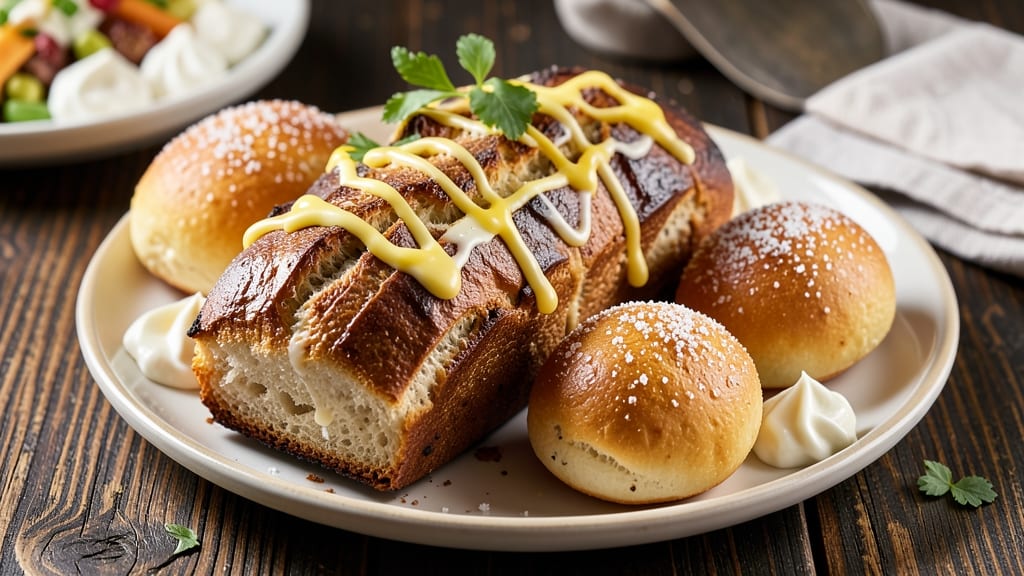
This animal-based bread recipe transforms simple ingredients into a rich, fermented crust with layers of tangy depth—all in a single bake. 💛 The secret lies in combining butter, eggs, and a touch of sour cream, which creates a tender crumb and golden-brown exterior that rivals artisanal bakery bread.
I developed this recipe after years of experimenting with traditional techniques, ensuring every bite delivers that perfect balance of buttery richness and subtle tang.
The dough comes together with minimal effort but maximum flavor, thanks to a long fermentation that builds complexity. Unlike quick breads, this method allows the natural yeasts and acids to develop, resulting in a bread that's both airy and substantial.
The animal fats—whether butter, egg yolks, or even a splash of heavy cream—ensure a moist, flavorful loaf that stays fresh for days.
What makes this recipe stand out is its versatility. You can shape it into a classic boules, braided loaves, or even stuffed with cheese or herbs for an extra layer of flavor.
The crust develops a deep, caramelized color while remaining crisp yet tender, and the interior stays soft and pillowy. Perfect for sandwiches, toast, or serving alongside soups, this bread is a game-changer for home bakers.
Whether you're a beginner or an experienced baker, this recipe delivers restaurant-quality results with a fraction of the effort. The key is patience—letting the dough ferment slowly is what transforms ordinary ingredients into something extraordinary. Ready to bake bread that tastes like it came from a bakery? Let’s get started.
Ingredients for animal based bread
Buttery richness meets tangy fermentation in this artisanal bread—just twelve ingredients transform your kitchen into a bakery.
| Ingredient | Amount | Notes |
|---|---|---|
| Unsalted Butter 🧈 | ½ cup | Cold, cubed for dough development |
| Large Eggs 🥚 | 2 whole | Room temperature for even mixing |
| Sour Cream 🥛 | ¼ cup | Full-fat for optimal tang |
| All-Purpose Flour 🌾 | 4 cups | Bread flour preferred for structure |
| Active Dry Yeast 🍞 | ½ tsp | Freshly opened for vitality |
| Granulated Sugar 🍚 | 1 tbsp | Feeds yeast for fermentation |
| Diamond Crystal Kosher Salt 🧂 | 1 ½ tsp | Adjusts for flour variation |
| Heavy Cream 🥛 | ⅛ cup | Adds richness and tenderness |
| Whole Milk 🥛 | ¼ cup | Enhances gluten development |
| Honey 🍯 | 1 tbsp | Balances yeast activity |
| Cornmeal 🌽 | ¼ cup | Prevents sticking during shaping |
| Ice Water 💧 | ¼ cup | Controls dough temperature |
The animal fats are non-negotiable here. European-style unsalted butter from Plugrá or Land O’Lakes delivers the best flavor, but any high-fat butter works. Eggs should be large, fresh eggs—room temperature ensures even incorporation. Sour cream adds that signature tang, so full-fat, not light, is essential. For flour, King Arthur Bread Flour elevates texture, but all-purpose works in a pinch. Yeast is the heart of fermentation—always use freshly opened to ensure vitality. The Diamond Crystal kosher salt is preferred for its fine grain, but any kosher salt will do.
No heavy cream? Substitute with an extra tablespoon of sour cream—the tang remains. Running low on eggs? Replace one egg with 0.25 cup unsweetened applesauce for moisture. Honey can be swapped for maple syrup at equal amounts, though flavor will shift slightly. For a gluten-free adaptation, King Arthur Gluten-Free Measure-for-Measure Flour works, but expect a denser crumb. The cornmeal is optional but prevents sticking when shaping—semolina is a worthy alternative. If your yeast isn’t active, proof it in warm milk for 5 minutes first.
Store shaped loaves in an airtight container at room temperature for 2-3 days—they’ll continue developing flavor. For longer storage, freeze dough before baking; wrap baked loaves in foil and freeze for up to 3 months. Reheat slices in a 350°F oven for 5 minutes to restore crispness. This bread improves overnight—fermentation works its magic even after baking. Portion dough into individual loaves for easy reheating; they’re perfect for toasting or sandwiches.
Why You'll Love This Recipe
- No-Knead Magic: The dough comes together in minutes—just mix the warm butter, eggs, and sour cream with flour until it holds. No standing at the counter, no overworking the gluten, just a soft, pillowy loaf that rises effortlessly while you sip coffee.
- Rich, Buttery Luxury: That first bite? Pure indulgence. The sour cream keeps it tender, the butter makes every slice taste like a hug, and the yeast gives it just enough rise to feel special—without tasting like a bakery.
- Weeknight & Holiday: Same dough, endless uses. Toast it for breakfast, slice it for sandwiches, or serve it warm with honey. I’ve used it for everything from dinner rolls to a rustic cheese board—it’s the one loaf that does it all.
- Budget-Friendly Staple: A single batch feeds my family for days. The butter and eggs add richness without breaking the bank, and the sour cream stretches the dough to perfection. Freeze extras for lazy mornings—no waste, all flavor.
Step-by-step instructions for fermented animal-based bread
This enriched dough delivers a tender crumb and tangy depth from animal fats—perfect for sandwiches or serving warm.
👨🍳 Step 1: Activate the Yeast and Mix Wet Ingredients
In a small bowl, dissolve the 0.5 tsp active dry yeast in the 0.25 cup whole milk with 1 tbsp granulated sugar and 1 tbsp honey. Let sit for 5-7 minutes until frothy—this confirms the yeast is active. In a stand mixer fitted with the dough hook, combine the 0.5 cup cold cubed unsalted butter, 2 whole room-temperature eggs, 0.25 cup sour cream, 0.125 cup heavy cream, and the yeast mixture. Mix on low speed for 2 minutes until fully emulsified and smooth.
Here's the thing—cold butter creates pockets for steam during baking, ensuring a tender crumb. If the mixture looks curdled, don't worry; it will come together once the dry ingredients are added. Keep the mixer bowl warm by placing it near a slightly warmed oven while you prepare the flour.
👨🍳 Step 2: Incorporate Dry Ingredients Gradually
With the mixer running on low speed, gradually add the 4 cups all-purpose flour and 1.5 tsp diamond crystal kosher salt over 3-4 minutes. The dough will initially resist, but keep mixing—this ensures even gluten development. Once fully incorporated, increase speed to medium and mix for another 5 minutes until the dough pulls away from the sides of the bowl and forms a smooth, elastic sheet.
Real talk: Overmixing develops too much gluten, making the bread tough. You'll know it's ready when the dough forms a "windowpane" when stretched—thin enough to see light through without tearing. If it's sticky, add 1-2 tablespoons more flour as needed, but don't overdo it.
⏰ Step 3: Knead and Rest the Dough
Turn the dough onto a lightly cornmeal-dusted surface and shape into a loose ball. Gently knead for 2-3 minutes just to smooth the surface—this enriched dough doesn't need extensive kneading. Place the dough in a lightly greased bowl, cover with a damp towel, and let rise at room temperature for 1-2 hours or until nearly doubled in size. The dough should spring back slowly when poked with a finger.
This resting period allows the gluten to relax and the yeast to ferment properly. If your kitchen is cold, place the bowl near a warm spot (like the top of the fridge) to encourage even rising. The tangy depth comes from the fermentation—don't rush this step.
🥘 Step 4: Shape and Proof the Loaf
Punch down the risen dough and turn it onto a lightly cornmeal-dusted surface. Gently shape into a 9x5-inch loaf pan by folding the edges inward and pressing lightly to fill the pan evenly. Cover with a damp towel and let proof for another 30-45 minutes until the dough domes slightly above the pan.
For extra tang, brush the top with a mixture of 1 tbsp melted butter and 1 tsp honey before baking. This creates a golden, flavorful crust while keeping the interior tender. Preheat your oven to 375°F with a baking stone or inverted baking sheet on the lower rack—this ensures even heat distribution.
🔥 Step 5: Bake to Golden Perfection
Bake the loaf for 35-40 minutes until the internal temperature reaches 190-200°F and the crust is deep golden brown. For the best results, place a pan of water on the lower oven rack during the first 15 minutes—this creates steam for a softer crumb. If the top browns too quickly, tent loosely with foil.
Let the bread cool in the pan for 10 minutes before transferring to a wire rack. The residual heat will finish cooking the center while preventing a gummy texture. Slice when fully cooled—this enriched bread holds its shape beautifully and delivers that promised tangy depth in every bite.
Pro Tips For Making Animal Based Bread
- Warm the Butter First: Dump that cold butter straight from the fridge into the dough, and you’re fighting an uphill battle with gluten development. Let it sit at room temperature for 30–45 minutes—just until it’s soft enough to press with a finger but not greasy. I learned this the hard way when my first batch turned out dense and greasy because the butter never melted properly during mixing.
- Whisk Eggs Like a Pro: Crack those eggs into a separate bowl first—no shells in your dough, please—and whisk them vigorous for 30 seconds before adding. The goal is to break up the yolks and whites evenly so they distribute smoothly. I used to skip this, and the bread would have weird streaks of raw egg in the crumb. (Yes, even if you’re impatient like me.)
- Don’t Overmix the Dough: Once the yeast, flour, and wet ingredients come together, stop mixing the second everything is just combined. Overworking the dough with the sour cream and butter will turn it tough, and you’ll end up with a brick instead of a tender loaf. Use a spatula to fold in the last bits—this recipe isn’t a cake batter.
- Proof Until It Doubles, Then Wait: The dough will look like it’s done when it’s puffed to about 1.5x its size—but resist the urge to bake it. Give it another 10–15 minutes to rise fully so the yeast exhausts its energy. I used to pull it out early, and the bread would collapse in the oven. (Your future self will thank you for the patience.)
Health benefits of animal based bread
Protein Powerhouse
This animal-based bread packs a protein punch thanks to the eggs and butter in the recipe. A single slice delivers about 6-8 grams of protein, making it an excellent choice for breakfast or post-workout meals.
The sour cream and heavy cream add extra richness while contributing to the overall protein content, helping you stay full longer. 💪
Healthy Fats for Energy
The unsalted butter, egg yolks, and heavy cream provide saturated fats, which are essential for brain function and energy. These fats create a tender crumb and contribute to the bread's moist texture.
While not a low-fat option, the fats here are more beneficial than those in processed breads, as they come from whole, natural sources.
Fermentation Benefits
The long fermentation process improves digestibility by breaking down gluten and phytic acid, making the bread easier on your stomach. Fermented breads like this one also support gut health by promoting beneficial gut bacteria. The sour cream adds a probiotic boost, enhancing the bread’s digestive benefits. 🌱
Rich in B Vitamins
The eggs and whole milk in this recipe are excellent sources of B vitamins, particularly B12 and riboflavin. These nutrients play a key role in energy metabolism and red blood cell production.
B vitamins are also crucial for maintaining healthy skin and nerves, making this bread a nutrient-dense choice for daily meals.
Calcium Boost
The whole milk and heavy cream contribute to the bread’s calcium content, supporting bone health and muscle function. A slice provides about 5-7% of your daily calcium needs, which is especially important for those who may not consume enough dairy.
This makes the bread a great addition to a balanced diet, particularly for growing kids or active adults.
Versatile for Balanced Meals
This bread’s rich, buttery flavor pairs perfectly with lean proteins like grilled chicken or smoked salmon, creating a balanced meal. The tangy depth from fermentation also complements lighter dishes, such as vegetable soups or fruit salads.
By incorporating this bread into your meals, you’re adding both flavor and nutrition effortlessly. 🍽️
Nutrition facts
Frequently asked questions
Can I substitute dairy-free alternatives in this animal-based bread?
While this recipe relies on dairy for its signature richness, you can make adjustments. Replace butter with vegan butter or coconut oil, and swap heavy cream for coconut cream. Use unsweetened almond milk instead of whole milk, but expect a slightly denser texture. The tang from sour cream can be mimicked with 1 tbsp apple cider vinegar + 1 tbsp water per 0.25 cup sour cream.
Why does my dough look curdled when mixing?
This is normal! The cold butter and dairy combine with flour to create small curds, but they'll smooth out as you mix. Keep going until the dough forms a cohesive sheet that pulls away from the bowl. If it's still too sticky after 5 minutes of mixing, add 1 tbsp flour at a time until it improves. The key is patience—don't rush this step.
How can I make this bread gluten-free?
Use a 1:1 gluten-free flour blend like King Arthur's measure-for-measure, but expect a denser crumb. Add 0.5 tsp xanthan gum to help bind the dough. Reduce the liquid by 0.125 cup (to 0.125 cup ice water) to prevent stickiness. Proofing time may need to extend to 1.5-2 hours since gluten-free doughs ferment slower.
Can I add meat or cheese to this bread?
For a savory twist, fold in 0.5 cup shredded cheese (like cheddar or gouda) or 0.5 lb ground sausage into the dough before shaping. For stuffed bread, create a pocket in the shaped loaf and add fillings like provolone + pepperoni or smoked salmon + cream cheese. Bake as directed, but check for doneness at 30 minutes—fillings may cook faster.
Why does my crust brown too quickly?
This happens when the oven is too hot or the dough isn't proofed enough. Lower your oven temp to 350°F and tent the loaf with foil after 15 minutes. Ensure your dough has doubled in size before baking—underproofed dough bakes faster. For extra insurance, brush the crust with 1 tbsp milk before baking to slow browning.