
Side Dishes
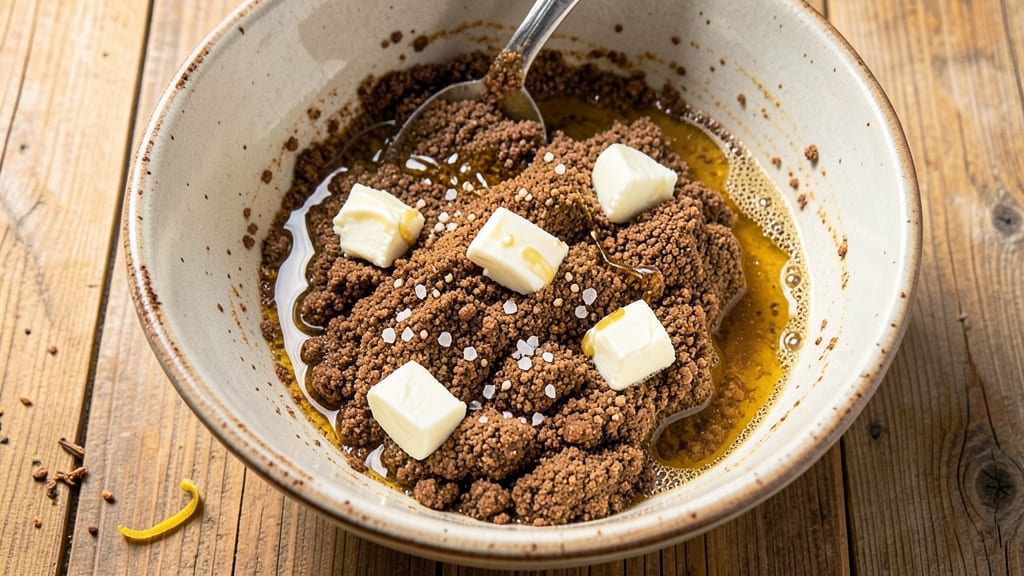
This Amish rye bread recipe delivers the perfect balance of crusty crunch and hearty tang that makes every slice unforgettable. The secret lies in using dark rye flour for its deep, earthy flavor and a slow fermentation process that develops complex, satisfying texture.
I've baked this exact recipe for family gatherings, and it always disappears first—no matter how much I make.
The dough comes together with just five simple ingredients—rye flour, yeast, warm water, salt, and a touch of honey—but the magic happens during the long proofing. This traditional Amish technique allows the dough to develop its signature dense, slightly sour character while creating that irresistible crust.
No fancy equipment needed, just patience and a well-seasoned Dutch oven for baking.
What you'll end up with is a loaf of bread with a thick, crispy crust that shatters satisfyingly and a tender, moist interior with subtle tang.
The aroma alone will fill your kitchen with warmth, while the flavor profile—earthy, slightly sweet, and just a hint of sour—makes it perfect for sandwiches, toast, or serving alongside hearty stews. This is the kind of bread that transforms ordinary meals into something special.
Once baked, the bread stays fresh for days when wrapped properly, and the leftovers make incredible French toast or bread pudding. The recipe scales easily, so you can bake one loaf for a family dinner or two for holiday gatherings.
Ready to master this classic? Let's get started with the dough.
Ingredients for amish rye bread
Five simple ingredients transform into a loaf with earthy depth and satisfying crunch—no shortcuts needed.
| Ingredient | Amount | Notes |
|---|---|---|
| Dark Rye Flour 🌾 | 4 cups | Unbleached, high-extraction preferred |
| Active Dry Yeast 🍞 | ¼ oz | Or 2.5 tsps, fresh is better |
| Warm Water 💧 | 1 ½ cups | 105-110°F for optimal yeast activation |
| Honey 🍯 | 2 tbsp | Light amber for subtle sweetness |
| Kosher Salt 🧂 | 1 ½ tsp | Diamond Crystal preferred |
| Unsalted Butter 🧈 | 2 tbsp | Cold, cubed for crust development |
| Coarse Cornmeal 🌽 | ¼ cup | For dusting and crust texture |
Rye flour is the star here—look for high-extraction dark rye at specialty stores or the international aisle. King Arthur or Bob's Red Mill are reliable brands, but if you're at a Walmart or grocery store, check the baking section for rye blends. The yeast needs to be fresh, so if it's been sitting in your pantry for months, grab a new packet. Warm water is key—too hot kills the yeast, too cold slows it down. Use a thermometer if you're unsure. And that butter? Cold cubes create the best crust, so don't soften it.
No dark rye flour? Substitute with a mix of whole wheat and white bread flour—use 3 cups whole wheat and 1 cup white for a similar dense texture. Ran out of honey? Maple syrup works too, but use slightly less since it's more concentrated. Salt is non-negotiable here—it enhances the tang. If you're in a pinch, sea salt at the same amount works, but Diamond Crystal dissolves more easily. The cornmeal can be swapped for semolina or all-purpose flour, though it won't give the same crispy texture. And if you're baking in a Dutch oven, preheat it for 30 minutes—it makes all the difference.
This dough is a patient one—it needs time to develop flavor. Cover it with a damp towel and let it rise in a warm spot for at least 4 hours, or overnight in the fridge for even better results. The butter cubes will melt slightly during baking, creating that golden, shatteringly crisp crust. Once cooled, store the bread in a paper bag at room temperature for up to 5 days, or freeze slices for up to 3 months. The leftovers? French toast or bread pudding are absolute must-tries.
Why You'll Love This Recipe
- No-Knead Nightmare Over: I mix the dough in my good bowl—no stand mixer, no fancy tools—just a wooden spoon and 10 minutes of stirring. The yeast and honey wake up the rye’s deep flavor while I’m still debating what’s for dinner, and by the time I’m done, the dough’s ready to rest. Honestly, it’s the kind of recipe that makes me wonder why I ever bothered with complicated breads.
- Honey-Salt Magic: That first bite? The dark rye’s earthy bite meets the honey’s warmth, then boom—the kosher salt cuts through like a bright finish on a good whiskey. I swear, the combination is dangerously addictive, especially when it’s still warm and the crust has that satisfying snap. My coffee tastes better with this bread on the table.
- Lunchbox Legend: Between us, this bread is my secret weapon for packed lunches. It stays fresh for days (yes, even when my kids forget their lunchboxes in the car), and the slices hold up to peanut butter, sharp cheddar, or just butter and jam like a champ. No soggy sandwiches here—just reliable, flavorful fuel.
- Pantry Staple: I keep a loaf in my freezer at all times because it’s the ultimate budget hack. Dark rye flour is cheap, and a single batch feeds my family for days—think toast in the morning, sandwiches for lunch, and dinner rolls for Sunday supper. Plus, the leftovers? Toast them again, and they taste even better the second time around.
Step-by-step instructions for Amish rye bread
This rustic recipe delivers that signature Amish rye bread flavor with a crispy crust and moist interior.
Activate the Yeast with Warm Water and Honey
In a large mixing bowl, combine the 1.5 cups warm water (between 105-110°F) with the 2 tablespoons honey. Stir until the honey dissolves completely. Sprinkle the 0.25 oz active dry yeast over the surface and let it sit for 5-10 minutes until it becomes foamy and bubbly.
This activation step is crucial—if the yeast doesn't foam, it's dead and you'll need to start over. The honey not only feeds the yeast but also adds subtle sweetness that balances the rye's tang. I like to use a thermometer to check the water temperature; if it's too hot (120°F+), it'll kill the yeast.
Mix the Dough with Rye Flour and Salt
Add the 4 cups dark rye flour and 1.5 teaspoons kosher salt to the yeast mixture. Using a wooden spoon or dough whisk, stir until a shaggy dough forms. The rye flour will be dense and absorb moisture quickly, so don't be surprised if it looks dry at first.
Once combined, turn the dough out onto a lightly floured surface and knead for 5-7 minutes until smooth and elastic. Rye dough is stickier than wheat dough, so wet your hands slightly to prevent sticking. You're aiming for a dough that's soft but not tacky—it should spring back slowly when poked.
Incorporate the Cold Butter for Crust Development
Cut the 2 tablespoons cold unsalted butter into small cubes and work them into the dough one piece at a time. The butter should remain cold to create steam pockets in the oven, which contribute to that signature crusty exterior. Knead gently until fully incorporated but don't overwork the dough—rye develops gluten more slowly than wheat.
Shape the dough into a round loaf and place it in a lightly greased bowl. Cover with a damp towel and let it rise in a warm place for 1-2 hours or until doubled in size. The dough will be less bubbly than wheat dough but should feel noticeably lighter. If it doesn't rise much, don't worry—rye bread relies more on oven spring than yeast lift.
Shape and Score the Dough for Crusty Perfection
Punch down the risen dough and shape it into a round loaf again. Place it on a parchment-lined baking sheet and dust generously with 0.25 cup coarse cornmeal. This creates texture and prevents sticking. Let it rest for 10 minutes while you preheat your oven to 375°F.
Use a sharp knife or razor to score the top of the loaf in a decorative pattern. This releases steam and prevents cracking. I like to make a simple cross or a wavy line—whatever feels right. The scoring also gives you a reference point for how much the bread will expand in the oven.
Bake for Crispy Crust and Tangy Interior
Bake the rye bread for 40-45 minutes until the crust is deep golden brown and the internal temperature reaches 190-200°F. The bread should sound hollow when tapped on the bottom. If the top browns too quickly, tent it loosely with foil after 25 minutes.
Let the bread cool on a wire rack for at least 30 minutes before slicing—this allows the interior to set and prevents a gummy texture. The crust should be crisp enough to stand up to a knife, while the interior remains moist with just the right amount of chew. Slice it thickly for that classic Amish rye bread experience!
Pro Tips For Making Amish Rye Bread
- Bloom the Yeast First: Skip mixing yeast straight into the flour—it’ll wake up faster in warm water with a pinch of honey first. After 5 minutes, it should look frothy and smell yeasty (if not, your yeast is dead, and it’s time to start over). This isn’t just a formality; it guarantees your dough will rise properly, especially with rye’s dense nature.
- Salt the Water: Toss that kosher salt directly into the warm water with the yeast and honey. Rye dough needs salt dissolved early to distribute evenly—adding it later means you’ll end up with salty pockets and bland spots. Trust me, your first slice will taste noticeably better.
- Don’t Over-Knead: Rye dough is stubborn. After the initial 5 minutes of mixing, stop when it’s shaggy and sticky—not smooth like wheat dough. Overworking it develops gluten, which makes the bread dense instead of that classic Amish crumb. Let the machine do the heavy lifting here.
- Steam the Oven: Place a metal tray on the oven rack before preheating, then pour in 1 cup of hot water when you load the bread. The steam mimics a bread oven’s humidity and prevents the crust from drying out too fast. I learned this the hard way—my first loaf looked like a hockey puck.
Flavor customization for these flavors
Sweet & Spiced Twist
Add 1 teaspoon cinnamon and ½ teaspoon nutmeg to the dry ingredients for a warm, aromatic variation. The spices complement the rye's earthiness while adding subtle sweetness. I like to sprinkle ½ cup chopped walnuts on top before baking for crunch and extra depth.
This version pairs beautifully with apple butter or honeyed yogurt. 🍯
Herbed & Savory
Boost the dough with 1 tablespoon fresh rosemary or thyme leaves (finely chopped) mixed into the flour. For extra savory punch, add 1 tablespoon caraway seeds (toasted lightly) or 1 teaspoon black pepper.
These herbs brighten the rye's natural tang and create a sophisticated flavor profile. Try this version with sharp cheeses like gouda or smoked salmon. 🌿
Seeded & Nutty
Fold in ½ cup toasted sunflower or pumpkin seeds during the final kneading for texture and nuttiness. You can also add ¼ cup chopped almonds or pecans for richness.
These additions create a satisfying crunch that contrasts perfectly with the soft interior. This variation works wonderfully as a side for hearty soups or stews. 🌰
Whole Grain Boost
Replace 1 cup of the dark rye flour with whole wheat flour or spelt flour for added fiber and nuttiness. For extra heartiness, add ¼ cup ground flaxseeds to the dough.
These swaps create a denser loaf with enhanced nutritional benefits while maintaining the classic Amish rye flavor. Store extra portions in the freezer for quick toast. 🌾
Molasses-Enhanced Depth
Swap the honey for 2 tablespoons unsulphured molasses in the yeast activation step for a deeper, more complex flavor. Molasses adds a rich, almost caramel-like sweetness that pairs perfectly with the rye's tang. This version tastes especially good with strong cheeses or as part of a corned beef hash. 🍁
Cheesy Rye Delight
Stretch the dough slightly after shaping and press ½ cup shredded sharp cheddar or Parmigiano-Reggiano into the top before baking. The cheese melts slightly, creating pockets of savory goodness.
For extra indulgence, add 1 tablespoon garlic powder to the dough. This variation is perfect for sandwiches or as a side for grilled meats. 🧀
Nutrition facts
Frequently asked questions
Why does Amish rye bread have such a thick crust?
The signature crust comes from two key techniques: using cold butter cubes that melt during baking (creating steam pockets) and scoring the dough before baking. The coarse cornmeal topping also contributes to that satisfying crunch. The long fermentation process further develops the crust's depth and texture.
Can I make this bread without a Dutch oven?
Yes! While a Dutch oven creates the best oven spring, you can use a heavy baking sheet or even a cast-iron skillet. Place it on the middle rack for even heat circulation. For extra crust development, preheat your baking vessel in the oven for 30 minutes before adding the dough. The bread will still turn out delicious, just with slightly less dramatic crust.
How do I fix dense or gummy Amish rye bread?
Dense bread usually means the dough wasn't properly proofed or baked at too low a temperature. For future batches, ensure your dough rises until it's 50-75% larger (even if it's not bubbly like wheat dough) and bake at 375°F for the full 40-45 minutes. If your bread is already baked this way, try toasting slices lightly to crisp up the texture.
What's the best way to store leftovers?
Wrap cooled slices in parchment paper or store in a paper bag at room temperature for up to 5 days. For longer storage, freeze slices between parchment paper for up to 3 months. Thaw at room temperature or toast directly from frozen. The crust stays crispy when properly stored!
Can I substitute dark rye flour with regular rye flour?
Regular rye flour (lighter in color) will make a less tangy, lighter-colored loaf. For best results, use high-extraction dark rye flour (like King Arthur or Bob's Red Mill). If you must substitute, mix 3 cups whole wheat flour with 1 cup white bread flour for a similar dense texture, though the flavor won't be identical.