
Main Courses
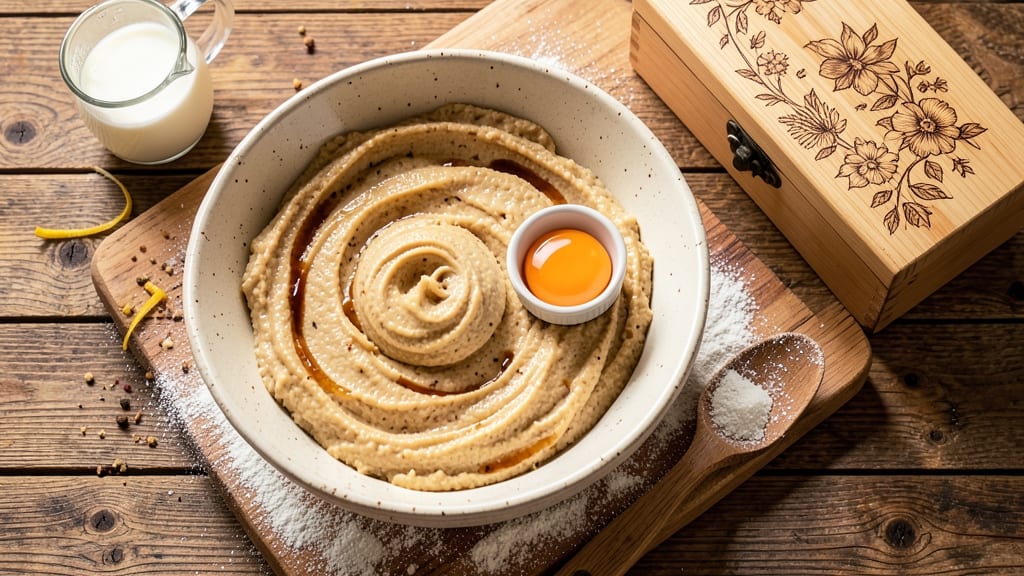
This Amish friendship bread recipe box delivers the iconic vanilla-custard swirls and golden crust that make it a beloved tradition. The recipe combines rich, buttery dough with creamy custard layers, baked into a loaf that’s perfect for sharing—or keeping for yourself.
What sets this apart is the classic Amish touch: a crusty exterior that gives way to tender, swirled layers inside, all baked in one simple pan.
The beauty of this recipe lies in its simplicity and tradition. You’ll mix a basic dough, layer it with homemade custard, and bake it until golden brown.
The result is a loaf that’s as satisfying to make as it is to eat—ideal for gifting, serving with coffee, or enjoying as a sweet treat. The Amish call it "friendship bread" because it’s meant to be shared, symbolizing community and care.
Once baked, the bread develops a crispy crown and soft, swirled interior, with each slice revealing those signature vanilla-custard pockets. It’s a recipe that balances tradition with ease, making it perfect for both beginners and experienced bakers.
Whether you’re making it for a special occasion or just because, this loaf will bring warmth and comfort to any table.
The best part? This recipe yields a loaf that’s just as beautiful as it is delicious, making it a perfect gift for friends or family. The custard swirls add a touch of elegance, while the crusty exterior ensures every bite is satisfying.
Ready to bake a loaf that’s as meaningful as it is delicious?
Ingredients for amish friendship bread recipe box
Buttery dough meets creamy custard in this iconic Amish tradition—simple ingredients, unforgettable swirls.
| Ingredient | Amount | Notes |
|---|---|---|
| All-Purpose Flour 🌾 | 4 cups | Sifted for light texture |
| Unsalted Butter 🧈 | 1 cup | Cold, cubed for dough |
| Granulated Sugar 🍚 | ¼ cup | For sweetness balance |
| Large Eggs 🥚 | 2 whole | Room temperature preferred |
| Milk 🥛 | ½ cup | Whole milk for richness |
| Vanilla Extract 🌿 | 1 tbsp | Pure extract, not imitation |
| Salt 🧂 | 1 tsp | Fine sea salt preferred |
| Powdered Sugar 🍚 | ½ cup | For custard sweetness |
| Heavy Cream 🥛 | 1 cup | Full-fat for custard |
| Egg Yolks 🥚 | 4 whole | Separated from whites |
| Cream Cheese 🧀 | 8 oz | Room temperature, softened |
| Baking Powder 🌾 | 1 tsp | For crust lift |
| Vanilla Bean Paste 🌿 | 1 tbsp | Or 1 tsp vanilla extract |
The butter matters here—European-style unsalted gives the best flavor, but any good brand works. I grab mine in the baking aisle at Whole Foods or King Arthur Flour if I need extra. For the custard, heavy cream and egg yolks are non-negotiable—light cream won't give that rich texture. The vanilla bean paste? Worth the splurge if you can find it at Penzeys or Williams Sonoma. If you're using extract, make sure it's pure vanilla, not imitation. The flour should be sifted before mixing—trust me, it makes a difference in that crispy crust.
No vanilla bean paste? Double the extract works in a pinch. Running low on heavy cream? Half-and-half plus a splash of milk gets you close, though the texture won't be quite as luscious. Substituting powdered sugar for granulated in the dough? Add 1 tbsp milk per 1/4 cup substitution to keep the texture right. The cream cheese can be swapped for sour cream if you're in a bind, but it'll be slightly tangier. For the dough, if you don't have baking powder, 1/4 tsp baking soda plus 1/4 tsp cream of tartar works as a substitute. And if your custard curdles? Just whisk in more powdered sugar until it smooths out—it's an easy fix.
This loaf keeps beautifully—3 days at room temperature wrapped in a clean kitchen towel, or 1 week refrigerated in an airtight container. For longer storage, slice and freeze individual portions—they toast up perfectly. The dough can be made a day ahead and chilled, saving you morning prep time. Pro tip: Brush the baked loaf with melted butter while still warm for that classic Amish shine. It reheats wonderfully too—just wrap a slice in foil and warm in a 200°F oven for 5 minutes. Perfect for gifting or enjoying with coffee!
Why You'll Love This Recipe
- No-Measurement Guesswork: I swear by this recipe because it’s one of those rare things that doesn’t require exact measurements—just eyeball the flour and sugar until it looks right. That butter-soft dough? It practically forgives you if you overmix or under-knead.
- Buttery Sweet Payoff: The moment you pull that loaf from the oven, you’ll understand why people go wild for this. The crust gets just crisp enough to shatter, while the inside stays tender and studded with pockets of golden sugar—like a hug in bread form.
- Gift That Keeps Giving: Between us, this is the only homemade bread I bake for gifts. It freezes like a dream, reheats in minutes, and no one ever turns down a loaf wrapped in parchment. (Pro tip: Add a sprig of rosemary if you’re feeling fancy—trust me, it’s worth it.)
- Pantry Staple Magic: Honestly, you’re already stocked for this—flour, butter, eggs, milk? That’s basically breakfast. The dough comes together faster than takeout, and leftovers? They’re either toasted into crispy perfection or tossed into a grilled cheese. Zero waste, all win.
Step-by-step instructions for Amish friendship bread
Here's how to create that perfect marriage of flaky crust and velvety vanilla-custard swirls.
Prepare the Dough for the Crust
In a large mixing bowl, combine the 4 cups All-Purpose Flour, 1 tsp Salt, and 1 tsp Baking Powder. Whisk together until evenly distributed—this ensures the crust will rise properly without dense pockets. Cut in the 1 cup Unsalted Butter using a pastry cutter or your fingers until the mixture resembles coarse crumbs with pea-sized butter pieces remaining.
Add the 0.25 cup Granulated Sugar and mix lightly, then pour in the 0.5 cup Milk gradually while stirring with a wooden spoon. Once combined, knead the dough just until it comes together—about 3-4 minutes—until smooth. Wrap tightly in plastic wrap and refrigerate for at least 1 hour (or up to 24 hours). This chilling step is crucial; it firms up the butter for that signature flaky texture.
Make the Vanilla-Custard Filling
In a medium saucepan, combine the 1 cup Heavy Cream, 0.5 cup Powdered Sugar, 4 whole Egg Yolks, 8 oz Cream Cheese, and 1 tbsp Vanilla Bean Paste. Whisk continuously over medium heat until the mixture thickens enough to coat the back of a spoon—about 5-7 minutes. The custard should reach 160°F on an instant-read thermometer and hold its shape when dropped from a spoon.
Remove from heat immediately and stir in the 1 tbsp Vanilla Extract. Let the custard cool completely, stirring occasionally to prevent a skin from forming. Once cooled to room temperature, spread it evenly on a sheet of parchment paper—about ¼-inch thick—and refrigerate until firm, about 30 minutes. This chilled custard will slice cleanly when you roll it up later.
Assemble and Shape the Loaf
Preheat your oven to 350°F. On a lightly floured surface, roll out the chilled dough into a 12x18-inch rectangle, about ⅛-inch thick. Spread the cooled custard evenly over the dough, leaving a ½-inch border around the edges. This border prevents the custard from leaking during baking.
Carefully roll the dough tightly from the long side, pinching the seam to seal. Transfer the log to a parchment-lined baking sheet and make a ½-inch deep slit down the center using a sharp knife. Brush the top generously with any remaining milk from the dough preparation for a golden finish. Bake for 40-45 minutes until the crust is golden brown and the internal temperature reaches 190°F.
Create the Signature Crown
While the bread bakes, prepare the 2 whole Large Eggs and 1 tbsp Vanilla Extract by whisking them together in a small bowl until smooth. Once the loaf is done, remove it from the oven and let it cool for 5 minutes. Brush the warm loaf with the egg wash, then use a sharp knife to make 4-5 diagonal cuts (about ¼-inch deep) around the top.
Gently pull the crust apart at these cuts to create the classic crown shape. Return the bread to the oven for 3-5 minutes to set the crown and achieve a deep golden color. Let it cool completely on a wire rack before slicing—this ensures clean cuts through both the crust and custard layers. The result? A beautiful swirl pattern with each slice!
Pro Tips For Making Amish Friendship Bread Recipe Box
- Cream Butter Properly: I learned this the hard way—don’t just mix butter and sugar until it looks almost combined. Work it for 3-4 minutes until the mixture turns pale and fluffy, like whipped cream. That’s when the texture actually transforms, not when it just stops looking grainy. (Yes, even if you’re impatient like me.)
- Measure Flour Right: Skip scooping from the bag—it packs too tightly. Spoon flour into your measuring cup, then level it off with a straight edge. Too much flour = dense, dry bread. Too little = a sad, flat loaf. Trust me, your kitchen scale is your friend here if you’ve got one, but a proper cup works too.
- Don’t Overmix the Dough: As soon as the flour disappears and you’ve got a shaggy dough, stop mixing. Overworking it develops gluten, and this bread is all about tender layers, not chewiness. Fold it gently 2-3 times if needed—just until it holds together. Your future self will thank you when the slices stay soft.
- Brush With Milk: This isn’t just for looks—brush the tops of your shaped loaves with milk before baking. It creates a golden crust and keeps them moist longer. Use a pastry brush and go light; you’re not trying to drown the bread, just give it a little shine. (Your grandma’s secret, passed down.)
Regional styles of this amish friendship bread recipe box
Pennsylvania Dutch Roots
The Amish community in Pennsylvania first crafted this bread as a way to share abundance and hospitality. Known as "Friendschaftsbroat" (friendship bread in Pennsylvania Dutch), it became a staple during harvest festivals and community gatherings.
The tradition of baking and gifting this loaf symbolizes care and connection—each slice carries the warmth of shared labor. 🌾
In Lancaster County, where much of the Amish population lives, this bread is often baked in large batches and distributed to neighbors. The recipe varies slightly by family, but the core elements—rich dough and creamy custard—remain constant.
Some Amish bakers even include a small note or prayer in the boxed loaves they gift.
Ohio Amish Variations
While the Pennsylvania Dutch version is the most famous, Ohio Amish communities have their own twists. They often add a touch of cinnamon to the custard filling or incorporate lemon zest for brightness.
The dough might also include a pinch of nutmeg for warmth. These subtle changes reflect regional tastes while keeping the bread's signature texture.
In Ohio, the bread is frequently baked in rectangular pans rather than the traditional round loaf, making it easier to slice into even portions. Some families also wrap the baked loaf in a linen cloth while cooling, which adds an extra layer of rustic charm to the final presentation.
Modern Gift Box Adaptations
The "recipe box" version of this bread became popular in the 1980s, when bakeries began selling pre-cut, boxed loaves for gifting. These boxes often include decorative ribbons and handwritten tags with blessings or recipes.
The custard layers are sometimes thicker to ensure they hold up during shipping, while the crust remains crisp enough to stay intact.
For a homemade gift box, wrap individual slices in parchment paper and tie them with twine. Add a small jar of vanilla glaze (mix ½ cup powdered sugar with 1 tbsp milk) for dipping. The presentation turns a simple loaf into a thoughtful, shareable treat. ✨
Texas Amish Settlements
In Texas, where Amish communities are newer, the bread often incorporates local ingredients like honey instead of granulated sugar or orange zest for a Southern twist. The custard might also be lighter, using less cream cheese to reflect the region's preference for simpler, tangier flavors.
Texas bakers sometimes serve this bread with blackberry compote or peach jam, pairing its sweetness with fresh summer fruits. The crust is often thicker to withstand the state's humidity during baking. It’s a delicious fusion of Old World tradition and New World creativity.
Canadian Mennonite Influences
In Canada, where Mennonite communities (closely related to the Amish) settled, the bread is sometimes baked in stoneware pans for a rustic look. The custard may include maple syrup instead of sugar, reflecting Canada’s maple traditions. Some families also add poppy seeds to the dough for texture and flavor.
Canadian versions often feature a drizzle of honey on top before baking, adding a golden sheen and subtle sweetness. The bread is frequently served with tea during winter gatherings, making it a cozy comfort food.
The crust is slightly softer than Pennsylvania styles, adapting to colder climates where crispy breads can feel too heavy.
Nutrition facts
Frequently asked questions
Why is it called "friendship bread"?
This bread originated in Amish communities as a symbol of hospitality and sharing. The name "Friendschaftsbroat" (Pennsylvania Dutch for friendship bread) reflects its tradition of being baked and gifted to neighbors during harvest festivals and community gatherings. Each loaf represents care and connection, making it more than just a treat—it's a gesture of goodwill.
Can I make this bread without a stand mixer?
The dough only requires basic mixing by hand. Use a wooden spoon to combine the dry ingredients with cold butter until crumbly, then gradually add milk while stirring. Once the dough comes together, knead it on a floured surface for about 3-4 minutes until smooth. The key is keeping the butter cold for that signature flaky texture.
How do I achieve the perfect crown shape?
After baking the loaf, let it cool for 5 minutes before brushing with egg wash. Make 4-5 diagonal cuts (about ¼-inch deep) around the top, then gently pull the crust apart at these cuts to create the classic crown. Return to the oven for 3-5 minutes to set the shape and deepen the color. Patience is key—don't rush this step!
What's the best way to store homemade friendship bread?
Wrap the cooled loaf tightly in a clean kitchen towel or store in an airtight container. It stays fresh for 3 days at room temperature or 1 week refrigerated. For longer storage, slice and freeze portions—they toast beautifully! Pro tip: Brush with melted butter before wrapping for extra freshness.
Can I make this bread in a rectangular pan instead of round?
Yes! Many Amish families in Ohio prefer rectangular pans for easier slicing. Roll out the dough to fit your pan's dimensions (about ⅛-inch thick), spread the custard, and roll tightly. Bake as directed, then create the crown shape along the top edge. The rectangular version works perfectly for gift boxes too!