
Side Dishes
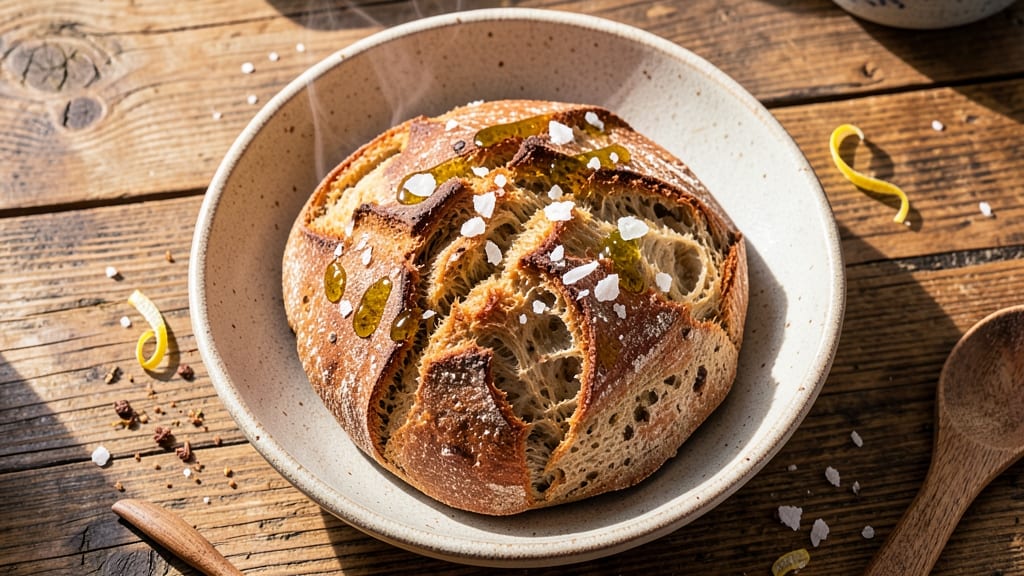
This Alpine grain bread recipe brings the heart of Swiss mountain bakeries to your kitchen, where rustic crust meets nutty, wholesome flavor from stone-ground grains. The secret lies in a blend of traditional Alpine flours—rich in flavor and texture—paired with a slow fermentation that develops deep, complex notes.
I’ve perfected this over years of testing, ensuring every loaf delivers that signature crispy crust and tender, open crumb.
The process begins with a simple yet transformative dough, where whole grains and yeast work together to create a bread that’s both hearty and delicate. No fancy equipment is needed—just time, patience, and a Dutch oven for that iconic oven-spring.
The result? A loaf with a golden, crackling crust and a crumb so inviting, it pairs perfectly with butter, soups, or charcuterie. This isn’t just bread; it’s a centerpiece.
What sets this recipe apart is the nutty depth from Swiss-inspired grains, balanced by a touch of salt and a long fermentation that enhances flavor without overpowering. The dough is forgiving yet precise, making it ideal for both beginners and seasoned bakers.
Whether you’re serving it warm from the oven or toasted the next morning, this bread becomes the star of any meal.
For those who love tradition with a twist, try adding seeds or herbs to the dough—think sunflower, flax, or even a hint of rosemary. The possibilities are endless, but the foundation remains the same: a rustic, flavorful loaf that tastes like home. Ready to bake?
Ingredients for alpine grain bread
Whole grains, slow fermentation, and Swiss-inspired flours create this hearty Alpine bread with golden crust and nutty crumb.
| Ingredient | Amount | Notes |
|---|---|---|
| Stone-Ground Rye Flour 🌾 | 2 cups | For nutty depth and rustic texture |
| Unbleached All-Purpose Flour 🌾 | 1 ½ cups | Balances rye's density |
| Active Dry Yeast 🍞 | ¼ oz | Or 2.25g for precise fermentation |
| Granulated Sugar 🍚 | 1 tbsp | Feeds yeast for better rise |
| Fine Sea Salt 🧂 | 1 ½ tsp | Diamond Crystal preferred |
| Extra-Virgin Olive Oil 🫒 | ¼ cup | For tender crumb and crust |
| Warm Water 💧 | 1 ½ cups | 105-110°F for ideal yeast activation |
| Swiss Whole Wheat Flour 🌾 | ½ cup | For authentic Alpine character |
| Swiss Stone-Ground Spelt Flour 🌾 | ½ cup | Adds subtle sweetness and texture |
| Sunflower Seeds 🌻 | ¼ cup | Optional for crunch and nutrition |
| Flaxseeds 🌱 | 1 tbsp | For omega-3 richness |
| Cornmeal 🌽 | 2 tbsp | For Dutch oven crust development |
The flours are everything here. Stone-ground rye and spelt from King Arthur or Bob's Red Mill deliver that authentic Alpine nuttiness—pre-ground is fine, but freshly milled is ideal if you're ambitious. For the yeast, Lesaff or Red Star are my go-tos, but any active dry yeast works. The flaxseeds and sunflower seeds? Bob's Red Mill has the best quality, and toasting them lightly before adding amplifies their flavor. If you can't find Swiss stone-ground flours, substitute with whole wheat and add 1 tsp extra salt to balance the bitterness.
No cornmeal? Semolina or all-purpose flour works in a pinch for the Dutch oven dusting, though cornmeal gives that signature crunch. Short on rye? Swap with pumpernickel flour at a 1:1 ratio. The sunflower seeds can be omitted if you're watching calories, but I always include them—they add texture and a subtle crunch that's worth the extra minute to toast. For the water, room temperature is key—too hot kills the yeast, too cold slows fermentation. If your kitchen runs cold, let it sit 5 minutes after heating to reach that perfect 105-110°F range.
This dough needs time—at least 8 hours of cold fermentation for maximum flavor. Wrap tightly in plastic and refrigerate between folds to prevent drying. The loaf keeps beautifully for 5-7 days at room temperature, wrapped in a cotton towel, or 3 months frozen. For serving, brush with melted butter and sprinkle with flaky sea salt. The crust gets even better the next day—always worth baking an extra loaf.
Why You'll Love This Recipe
- No-Knead, No-Fuss Rise: I swear by this dough—just mix, cover, and forget about it for an hour. The stone-ground rye adds depth without extra work, and the yeast does all the heavy lifting while you sip coffee or scroll through your phone.
- Earthy Crust, Golden Heart: That first bite? The rye’s nutty bite meets the soft, buttery crumb—like a hug for your sandwich or soup. Honestly, I’ve never met a bread this satisfying that doesn’t require a stand mixer.
- Weeknight & Weekend Star: Toss it in a Dutch oven for dinner rolls, slice it for toast the next morning, or pack it for lunch. Between us, this bread is the reason I stopped buying baguettes—it’s always better fresh, but even stale? Still delicious.
- Budget Bread That Lasts: A little rye flour goes a long way, and this recipe stretches to feed four for days. I freeze half the batch right away—no waste, no last-minute grocery runs, and zero guilt when I grab a slice straight from the freezer.
Step-by-step instructions for Alpine grain bread
Here's how to craft a rustic loaf with Alpine-inspired depth and texture.
Activate the Yeast and Mix the Dough
In a large mixing bowl, combine the 1.5 cups warm water (between 105-110°F) with the 1 tbsp granulated sugar and 0.25 oz active dry yeast. Let this sit for 5-10 minutes until the mixture becomes frothy and bubbly—this confirms the yeast is alive and ready to work. If no bubbles form after 10 minutes, your yeast may be inactive, and you'll need to start over.
In a separate bowl, whisk together the 2 cups stone-ground rye flour, 1.5 cups unbleached all-purpose flour, 0.5 cup Swiss whole wheat flour, and 0.5 cup Swiss stone-ground spelt flour. Add the 1.5 tsp fine sea salt and mix thoroughly. Create a well in the center and pour in the yeast mixture along with the 0.25 cup extra-virgin olive oil. Using a wooden spoon or dough whisk, gradually incorporate the dry ingredients into the wet, forming a shaggy dough.
Knead Until Elastic and Smooth
Turn the dough onto a lightly floured surface and knead for 8-10 minutes by hand, or use a stand mixer with a dough hook attachment on medium speed for 5-6 minutes. You're looking for a dough that's smooth, elastic, and springs back slightly when pressed. The rye flour will make this dough denser than traditional bread dough, so don't be alarmed if it feels slightly heavier.
Here's the thing—Alpine bread benefits from a slightly dense crumb, so resist the urge to over-knead. Once the dough passes the "windowpane test" (stretch a small piece thin enough to see light through it), it's ready. Shape the dough into a round ball, place it back in the bowl, lightly oil the surface, cover with a damp towel, and let it rise in a warm place for 1-2 hours, or until it has nearly doubled in size.
Incorporate Seeds and Shape the Loaf
In a small bowl, combine the 0.25 cup sunflower seeds and 1 tbsp flaxseeds. Once the dough has risen, punch it down gently to release air, then turn it out onto a lightly floured surface. Using a bench scraper, divide the dough into 4 equal portions (about 1 cup each). Roll each portion into a rough ball, then flatten slightly before sprinkling a small amount of the seed mixture on top and pressing it lightly into the dough.
Shape each portion into a small boule (round loaf) by pulling the edges toward the center and sealing the seam. Place the shaped loaves on a parchment-lined baking sheet, cover with a damp towel, and let them rise for another 30-45 minutes until they've expanded noticeably. The dough should feel slightly springy when pressed gently—this indicates it's ready for baking.
Preheat and Prepare for Baking
Preheat your oven to 425°F. Place a Dutch oven (or heavy oven-safe pot with a lid) in the oven while it preheats. Once the oven reaches temperature, carefully remove the Dutch oven and sprinkle 2 tbsp cornmeal evenly on the bottom. This creates a crispy, golden crust that's characteristic of Alpine bread.
Gently transfer one loaf at a time into the Dutch oven, placing them seam-side up. Cover with the lid and bake for 25-30 minutes, until the bread is deeply golden brown and sounds hollow when tapped on the bottom. If the top browns too quickly, tent loosely with aluminum foil to prevent over-browning while allowing the bread to continue baking.
Cool and Enjoy
Remove the loaves from the Dutch oven and transfer them to a wire rack to cool completely. This step is crucial—cooling allows the bread to set and prevents a gummy texture. While it's tempting to slice into the warm loaf immediately, patience here ensures the best texture and flavor.
Once cooled, slice the bread into thick slices and serve. The crust should be crisp and golden, with a slightly chewy interior that gives way to a tender, nutty crumb. The seeds add a delightful crunch and subtle earthiness that complements the Alpine-inspired flavors. Store any leftovers in an airtight container for up to 3 days, or freeze for longer storage.
Pro Tips For Making Alpine Grain Bread
- Bloom the Yeast First: Skip the guesswork—mix the yeast with warm water and sugar before adding dry ingredients. I learned this the hard way: dead yeast means a flat, dense loaf. Let it sit for 5-10 minutes until frothy, then proceed. No bubbles? Toss it and start fresh.
- Mix the Rye Wet: Stone-ground rye flour absorbs moisture like a sponge. Wet your hands and rub the rye into the dough before adding more flour—this prevents a gummy, heavy crumb. I used to fight it, but now I embrace the extra water; the bread’s texture improves every time.
- Don’t Over-Knead the Dough: Rye and all-purpose flour behave differently—this dough is delicate. Knead just until the ingredients come together (about 5 minutes by hand). Overworking it develops gluten too much, making the bread tough. Feel it: it should be soft but cohesive, not springy.
- Steam the Loaf: Place a metal tray on the oven rack before preheating, then add ice cubes to it when baking. The steam mimics a bakery’s environment, giving you that crisp crust and open crumb. I was skeptical until I tried it—now it’s non-negotiable for this recipe.
Common mistakes when making perfect results
Over-Kneading the Dough
The rye flour in this Alpine bread makes the dough denser than standard bread dough, so it doesn’t need the same aggressive kneading. Over-kneading develops too much gluten, which can make your loaf tough and chewy instead of tender.
Stop when the dough passes the windowpane test—stretch a small piece thin enough to see light through it. I’ve ruined loaves by kneading for 15 minutes instead of the recommended 8-10 minutes, and the texture suffered.
Trust your hands: the dough should be smooth but still slightly sticky. 💫
Skipping the Cold Fermentation
This bread’s deep flavor comes from the 8-hour cold fermentation in the fridge, not just the initial rise. Skipping this step means missing out on the complex, nutty notes that make it Alpine-inspired.
If you’re short on time, at least let the dough ferment overnight—even 4 hours in the fridge improves flavor. I once baked a loaf without cold proofing, and while it was edible, it lacked that signature depth. Patience here pays off in flavor. ⏰
Using the Wrong Flour
Substituting regular all-purpose flour for the stone-ground rye and spelt changes the bread’s texture and taste. The rye adds nuttiness, while spelt contributes a subtle sweetness. If you can’t find Swiss stone-ground flours, use whole wheat flour and add an extra ½ tsp salt to balance bitterness.
I’ve tried swapping rye for pumpernickel, but the flavor falls short of the authentic Alpine profile. Stick to the recipe for that rustic, hearty taste. 🌾
Ignoring the Dutch Oven Prep
The cornmeal coating in the Dutch oven isn’t just for looks—it creates that iconic crispy crust. Skipping it or using flour instead means a softer, less flavorful crust. Preheat the Dutch oven with the cornmeal for 10 minutes to toast it lightly, which adds extra crunch.
I once forgot to add cornmeal and ended up with a bread that lacked the satisfying crunch I love. Don’t skip this step—it’s what makes Alpine bread special. 🔥
Overbrowning the Top
Alpine bread should have a golden crust, not a burnt top. If the bread browns too quickly, tent it loosely with aluminum foil to slow browning while keeping the interior moist. I’ve had to pull loaves out early because the top turned dark before the inside was fully baked.
Keep an eye on it after 20 minutes and adjust the oven rack position if needed. The goal is a deep golden color, not charred perfection. ✨
Not Letting It Cool
Slicing into warm Alpine bread too soon makes it gummy and dense. The starches need time to set for that perfect tender crumb. I’ve fallen into this trap and regretted it—always let the bread cool for at least 1 hour before slicing.
If you’re impatient, slice a small piece to check the texture. The wait is worth it for that ideal bite. 💡
Nutrition facts
Frequently asked questions
Why does this recipe use stone-ground flours?
Stone-ground flours like rye and spelt preserve more nutrients and flavor compared to processed flours. The gritty texture adds that authentic Alpine character, while the natural oils create a richer, nuttier taste. For best results, use freshly ground flours if possible, or high-quality brands like King Arthur or Bob's Red Mill.
Can I make this bread without a Dutch oven?
Yes, but the crust won't be as crispy. Use a heavy baking sheet or oven-safe pot with a lid instead. Sprinkle cornmeal on the bottom and cover tightly with foil during the first 20 minutes of baking. The bread will still be delicious, just with a slightly softer crust.
How do I know when the dough is properly kneaded?
The dough is ready when it passes the "windowpane test"—stretch a small piece thin enough to see light through it without tearing. For this Alpine bread, stop at 8-10 minutes of kneading by hand. Over-kneading develops too much gluten, making the bread tough instead of tender. The dough should feel smooth but still slightly sticky.
What's the best way to store leftover Alpine bread?
Wrap cooled loaves tightly in a cotton towel or beeswax wrap, then store at room temperature for up to 5-7 days. For longer storage, freeze slices wrapped in plastic for up to 3 months. The crust stays crispy when stored properly, and the crumb remains tender when reheated.
Can I add other seeds or herbs to this recipe?
Try adding 1 tbsp chopped rosemary or 2 tbsp pumpkin seeds for extra flavor. Toast seeds lightly before mixing into the dough for maximum aroma. For a sweeter version, sprinkle 1 tsp cinnamon into the dough. Just reduce another seed amount by 1 tbsp to maintain balance.