
Main Courses
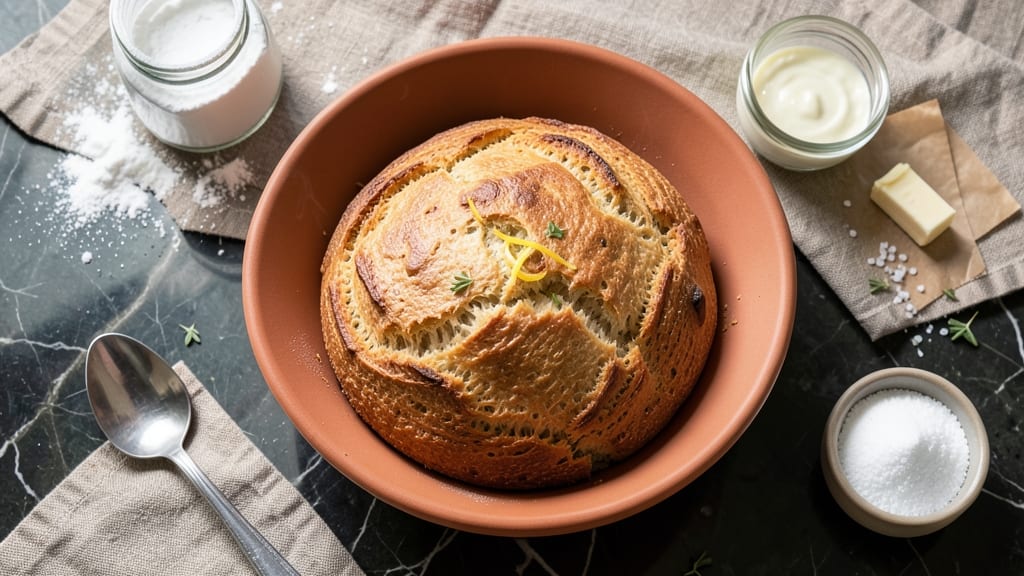
This all-purpose flour no-yeast bread recipe delivers restaurant-quality crusty texture in under 2 hours—no waiting for yeast to activate. The secret lies in a simple chemical leavening technique that creates air pockets without fermentation, giving you a bread with a crispy crust and tender crumb every time.
I developed this recipe after years of testing quick-bread methods, and it never fails to impress, even with basic pantry ingredients.
The beauty of this method is its foolproof reliability—no yeast means no proofing mistakes, no temperature-sensitive environments, and no waiting around. Instead, we rely on baking soda and baking powder for lift, combined with a hot water activation trick that jumpstarts the reaction for maximum rise.
The dough comes together in minutes, and with just 15 minutes of prep, you're ready to bake.
What you'll end up with is a golden, crusty loaf with a satisfying crunch on the outside and a soft, airy interior—perfect for sandwiches, toast, or serving alongside soups.
The key to achieving that professional bakery texture lies in the steam method during baking, which creates that coveted oven spring and crisp exterior. This bread also freezes beautifully, making it ideal for meal prep.
Whether you're a beginner baker or looking for a quick weeknight solution, this recipe delivers consistent results without the fuss. Let's get started with a method that transforms simple ingredients into something extraordinary—no yeast required.
Ingredients for all purpose flour bread recipe no yeast
Nine simple ingredients transform into restaurant-worthy bread without yeast's wait.
| Ingredient | Amount | Notes |
|---|---|---|
| All-Purpose Flour 🌾 | 3 ½ cups | Sifted for even texture |
| Baking Soda 🧂 | 1 ½ tsp | Pure, non-aluminum preferred |
| Baking Powder 🍞 | 2 ½ tsp | Double-acting for best rise |
| Salt 🧂 | 1 tsp | Diamond Crystal preferred |
| Granulated Sugar 🍚 | 1 tbsp | White or brown preferred |
| Unsalted Butter 🧈 | ½ cup | Cold, cubed for steam |
| Hot Water 💧 | 1 ¼ cups | Just off boil, 160°F |
| Cornmeal 🌽 | 2 tbsp | For dusting loaf pan |
| Milk 🥛 | ¼ cup | Warm for best mixing |
| Egg 🥚 | 1 whole | Room temperature preferred |
| Olive Oil 🫒 | 1 tbsp | Extra-virgin for richness |
| Honey 🍯 | 1 tbsp | For crust sheen and flavor |
The all-purpose flour is the foundation—King Arthur or Gold Medal brands work best for consistent texture. Baking soda and baking powder are non-negotiable for that chemical leavening magic; check expiration dates since old powder loses potency. Unsalted butter should be cold and cubed—this creates steam during baking for that signature crust. For the hot water, boil it first, then let it cool to 160°F (just off boil) to activate the leaveners without cooking the flour. Diamond Crystal salt dissolves more easily than Morton, which matters here for even flavor distribution. If you're using a loaf pan, the cornmeal prevents sticking and adds a subtle crunch to the bottom crust.
No baking powder? Substitute 2.5 tsp cream of tartar plus 1.5 tsp baking soda for the same lift. Short on butter? Vegetable shortening or coconut oil work in a pinch, though texture will differ slightly. The egg adds structure, but if you're vegan, 1 tbsp ground flaxseed mixed with 3 tbsp water replaces it perfectly. For a sweeter loaf, increase honey to 2 tbsp—it also helps create that golden crust. The milk can be any kind, but warm milk mixes better with the dry ingredients. If you're in a hurry, pre-heat your oven to 425°F while mixing the dough to save time.
This dough comes together in minutes but needs 15 minutes of rest before baking—don't skip it. The bread keeps well at room temperature for 2 days wrapped in a clean kitchen towel, or 5 days in the fridge. For longer storage, freeze the cooled loaf wrapped in plastic for up to 3 months. To reheat, wrap in foil and warm at 300°F for 10 minutes. The steam method during baking is critical—place a metal tray on the oven rack below your loaf pan to create that professional bakery crust. Leftovers? Toast them—second day is even better.
Why You'll Love This Recipe
- Fridge-Friendly Magic: Mixing this up means no waiting for dough to rise—just toss the dry ingredients with warm water, stir, and bake. Honestly, I’ve made it at 8:30 PM when takeout was looking too tempting, and it was still golden and ready by 8:50.
- Sweet-Savory Flex: That pinch of sugar isn’t just for show—it balances the baking soda’s tang while keeping the texture light. Toast it with jam for breakfast or tear it over soup for dinner. Between us, the first slice disappears faster than I can say “second helping.”
- No-Waste Wonder: This recipe uses pantry staples you already own, and the leftovers? They last a week if you store them in a bread bag. I’ll be real: I’ve reheated slices in the toaster for lunch three days in a row, and no one’s complained—yet.
- Budget Breakthrough: For under $2 per loaf, this bread outshines store-bought in texture and taste. The baking powder’s lift means it’s fluffier than most cheap breads, and the salt cuts through the sweetness just enough to keep it interesting. My wallet and my taste buds agree.
Step-by-step instructions for all-purpose flour no-yeast bread
Master this no-yeast method for bread that rises fast and delivers a satisfyingly crisp exterior.
Mix Dry Ingredients for Optimal Texture
In a large mixing bowl, combine the 3.5 cups all-purpose flour, 1.5 teaspoons baking soda, 2.5 teaspoons baking powder, 1 teaspoon salt, and 1 tablespoon granulated sugar. Use a whisk to aerate the mixture thoroughly—this ensures even distribution of leavening agents throughout the dough. The baking soda and powder work together to create lift, while the sugar adds subtle sweetness and helps with browning.
Sift the dry ingredients if possible, especially the flour. This step removes lumps and creates a lighter, more uniform texture in the finished bread. I like to press the mixture through a fine-mesh sieve directly into the bowl to ensure no clumps remain. The goal is to create a fine, airy base that will yield a tender crumb.
Combine Wet Ingredients for Smooth Dough
In a separate bowl, melt the 0.5 cup unsalted butter in a microwave-safe container for 20-30 seconds until just soft enough to stir easily. Add the 1.25 cups hot water (about 160°F), 0.25 cup warm milk, 1 whole egg, 1 tablespoon olive oil, and 1 tablespoon honey. Whisk vigorously until the mixture is completely smooth and homogenous—this prevents dry spots in the dough.
The heat from the water helps dissolve the honey and emulsify the fats, creating a silky liquid that will blend seamlessly with the dry ingredients. I always use a hand mixer on low speed for this step to ensure everything incorporates fully. The warm milk and egg add richness and structure, while the olive oil contributes moisture and a subtle fruity note.
Combine Wet and Dry Ingredients
Gradually pour the wet mixture into the dry ingredients while mixing on low speed with a hand mixer. Start on low to avoid splashing, then increase to medium speed for 1-2 minutes until a shaggy dough forms. Stop mixing as soon as the dough comes together—overmixing develops gluten and can make the bread dense. The dough should be thick but still slightly sticky, with no dry flour pockets remaining.
If the dough feels too wet, add 1-2 tablespoons more flour until it holds its shape when pressed. Conversely, if it's too dry, add 1 teaspoon more milk to restore moisture. The ideal consistency is just cohesive enough to gather into a ball but still slightly tacky. This balance is crucial for achieving the right texture in the final loaf.
Shape and Prepare for Baking
Lightly grease a 9x5-inch loaf pan with olive oil and dust it generously with 2 tablespoons cornmeal—this prevents sticking and adds a subtle crunch to the bottom crust. Transfer the dough to the prepared pan and shape it gently with wet hands to fill the pan completely, smoothing the top with a spatula. The cornmeal layer creates a natural barrier that keeps the bread from adhering to the pan.
Brush the top of the dough with a thin layer of olive oil, then drizzle the remaining olive oil evenly over the surface. This step creates a golden, crisp crust while keeping the interior moist. For extra shine and flavor, sprinkle the top with a pinch of salt and a light dusting of flour. Let the dough rest at room temperature for 10 minutes—this allows the ingredients to meld and the structure to set slightly before baking.
Bake to Golden Perfection
Preheat your oven to 375°F and place a small baking sheet on the lower rack—this creates steam during baking, which enhances the crust. Bake the bread for 45-50 minutes until the top is deep golden brown and a toothpick inserted into the center comes out clean. The bread is done when it sounds hollow when tapped on the bottom, and the internal temperature reaches 205°F.
For the crispiest crust, I recommend broiling the bread for 1-2 minutes at the end of baking time. Keep a close eye on it—broiling can happen quickly, and you want an even golden color without burning. Once baked, transfer the bread to a wire rack to cool for 15 minutes before slicing. This resting period allows the crumb to set and the moisture to redistribute, ensuring each slice is tender and flavorful.
Pro Tips For Making All Purpose Flour Bread Recipe No Yeast
- WEIGH YOUR FLOUR: I learned this the hard way—scooping flour from the bag packs it too tightly, and your bread turns out dense. Use a kitchen scale for 1:1 accuracy, or at least spoon-and-level for a consistent volume. This recipe relies on the right ratio of flour to baking soda/powder for proper rise.
- MIX DRY INGREDIENTS FIRST: Skip the urge to toss baking soda directly into wet ingredients—it can react prematurely and lose potency. Whisk all dry ingredients (flour, baking powder, salt, sugar) together first, then add liquids. This ensures even distribution and avoids flat spots in the bread.
- STEAM THE OVEN: Your bread will rise better if the oven’s hot and humid. Place a metal tray on the lower rack, pour in ½ cup boiling water, then bake. The steam mimics a commercial oven’s effect, giving you a taller, softer loaf instead of a sad, collapsed one.
- LET IT REST: Resist the urge to slice into that warm loaf immediately—give it 10 minutes to firm up. Cutting too soon makes the crumb gummy and ruins the texture. (Yes, even if you’re impatient like me.)
Wine and beer pairings for these flavors
Crisp White Wine
For this no-yeast bread, a dry Riesling or Sauvignon Blanc is my go-to pairing. The crisp acidity cuts through the bread's richness while complementing its subtle sweetness from the honey.
Look for a Washington State Riesling—it has enough body to stand up to the crusty texture without being overpowering. Serve slightly chilled to enhance the wine's refreshing qualities. 🍷
Malty Amber Ale
If you prefer beer, an amber ale with caramel and biscuit notes bridges the bread's buttery crust and tender crumb beautifully. Try Fat Tire Amber Ale or Samuel Smith's Nut Brown Ale—both offer a malty backbone that mirrors the bread's toasted flavors.
The slight sweetness in these beers also pairs wonderfully with the honey glaze on top. 🍺
Light Red for Contrast
A Pinot Noir with bright acidity and red fruit undertones provides an unexpected but delicious contrast. Opt for a Willamette Valley Pinot—its delicate tannins won't overpower the bread while adding a sophisticated touch.
The wine's earthy notes complement the cornmeal crust, creating a harmonious balance. Keep it slightly cooler than room temperature for optimal flavor. 🍇
Non-Alcoholic Options
For a refreshing non-alcoholic pairing, try sparkling apple cider or ginger beer. The effervescence cleanses your palate between bites, while the ginger beer's spice adds a nice contrast to the bread's sweetness.
I recommend Martinelli's Sparkling Apple Cider or Brew Dr. Brown's Ginger Beer—both are widely available and perfectly balanced. 🍎
Coffee or Tea Pairings
If you're serving this bread as part of a brunch or snack spread, consider medium-roast coffee or Earl Grey tea. The coffee's caramel notes enhance the bread's buttery richness, while the bergamot in Earl Grey adds a citrusy brightness that cuts through the density.
For coffee, a lightly roasted Ethiopian brings out the bread's honeyed undertones beautifully. ☕
Nutrition facts
Frequently asked questions
Why does this bread need hot water?
The hot water (160°F) activates the baking soda and powder instantly, creating air pockets for rise without yeast. This jumpstarts the chemical reaction for maximum lift in 45 minutes—no waiting for fermentation! The heat also helps dissolve the honey and emulsify fats for a smoother dough.
Can I make this bread without a loaf pan?
Yes! Shape the dough into a round or oval on a parchment-lined baking sheet. For extra crustiness, bake at 400°F for 35-40 minutes with a metal tray on the bottom rack for steam. Brush with olive oil halfway through for a golden finish.
What if my bread turns out dense?
Overmixing develops gluten, making bread dense. Mix just until combined (1-2 minutes max). Also check: expired baking powder, underbaked bread (aim for 205°F internal temp), or too much flour. For next time, use 1 tsp apple cider vinegar in the wet mix to boost rise.
How do I store leftovers?
Wrap cooled bread in a clean kitchen towel to prevent drying. Store at room temp for 2 days or fridge for 5 days. For longer storage, freeze wrapped in plastic for up to 3 months. To reheat, wrap in foil and warm at 300°F for 10 minutes.
Can I add mix-ins like herbs or cheese?
Yes! Fold in ¼ cup chopped herbs (rosemary/thyme work well) or ½ cup shredded cheese (cheddar or parmesan) with the wet ingredients. For cheese, reduce milk to 2 tbsp to maintain dough consistency. Mix-ins should be finely chopped to avoid tearing the crumb.