
Side Dishes
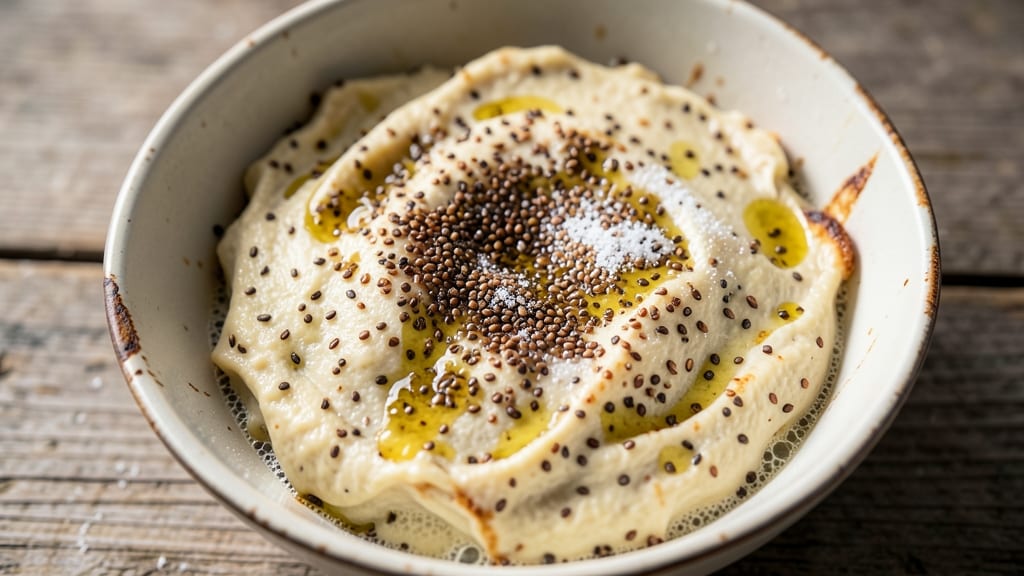
Transforming your bread recipe with flaxseed isn’t just about adding nutrition—it’s about unlocking a nutty depth and chewy texture that elevates every bite. This plant-based technique replaces eggs entirely, using ground flaxseed as a binding agent that mimics traditional dough behavior while boosting omega-3s and fiber.
The secret lies in proper hydration and kneading adjustments, ensuring your loaf stays light yet dense enough to hold its shape.
What makes this method work is the flaxseed’s dual role: it absorbs moisture like a sponge, creating a gluten-free-friendly structure without sacrificing rise, while its earthy notes complement whole grains or sourdough bases.
For best results, grind your flaxseed fresh—pre-mixed versions lose potency—and let the dough rest for at least 1 hour to develop flavor and elasticity. The payoff? A loaf with a crisp crust, tender crumb, and that signature flaxseed nuttiness that pairs perfectly with soups, jams, or avocado toast.
This recipe delivers restaurant-quality texture without dairy or eggs, proving plant-based baking can be just as satisfying. Whether you’re adapting a classic white bread or experimenting with whole wheat, the flaxseed integration remains foolproof—no special equipment required.
The only compromise you’ll make is to store-bought loaves, which can’t match this homemade richness.
For variations, try adding chia seeds for extra binding or swapping in sunflower seeds for a milder flavor. The same technique works for bagels, rolls, or even flatbreads—just adjust hydration slightly for each shape. Let’s bake this nutty, nourishing loaf that’s as good for you as it is delicious.
Ingredients for adding flaxseed to bread
Nine ingredients unlocking restaurant-worthy texture with flaxseed's nutty powerhouse potential.
| Ingredient | Amount | Notes |
|---|---|---|
| Whole Wheat Flour 🌾 | 4 cups | Unbleached, high-protein preferred |
| Ground Flaxseed 🌰 | ½ cup | Freshly ground for binding |
| Warm Water 💧 | 1 ½ cups | 110°F for optimal activation |
| Extra-Virgin Olive Oil 🫒 | ¼ cup | For dough elasticity |
| Granulated Sugar 🍚 | ¼ cup | Balances flaxseed earthiness |
| Active Dry Yeast 🍞 | 2 tsps | Or 1 packet instant yeast |
| Salt 🧂 | 1 ½ tsps | Diamond Crystal preferred |
| Apple Cider Vinegar 🍎 | 1 tbsp | Enhances flaxseed flavor |
| Sesame Seeds 🌻 | 2 tsps | For crust texture (optional) |
| Poppy Seeds 🌼 | 1 tsp | For subtle contrast (optional) |
The flaxseed is your secret weapon—Bob’s Red Mill or Trader Joe’s brands grind freshest, but any organic whole flaxseeds work if you pulse them yourself. Look for flaxseed with a vibrant golden hue; off-white means it’s old. The whole wheat flour should be high-protein (12-14%) for better gluten development, and King Arthur or Cape Cod Mills are my go-tos. Yeast is non-negotiable—if it smells funky, toss it. For the water, 110°F is ideal (microwave 30 seconds in a clean jar), but room temp works in a pinch. The vinegar adds tang that cuts through flaxseed’s earthiness—Bragg’s is reliable, but any apple cider will do.
No flaxseed? Chia seeds at double the amount work, though texture gets slightly gummier. Substituting sunflower seeds? Toast them first—they lack binding power but add a lovely crunch. Running low on yeast? Active dry yeast needs 5 minutes in warm water to activate, while instant yeast goes straight into dry ingredients. The seeds on top are purely decorative but add texture—sesame seeds toast 2 minutes in a dry pan for extra depth. For a sweeter loaf, swap half the water for unsweetened almond milk, though hydration may need adjustment.
This dough needs at least 1 hour to develop flavor—don’t rush it. Store leftovers in an airtight bag for 3-4 days at room temp or freeze for 3 months. For reheating, wrap in foil and warm at 350°F for 10 minutes. The crust stays crisp for 2 days if sealed properly. Flaxseed bread freezes beautifully—slice before freezing for perfect toast portions. Pro tip: Brush warm loaves with melted coconut oil to revive crust texture.
Why You'll Love This Recipe
- No-Fuss Mixing: I swear by this dough—just toss the whole wheat flour, ground flaxseed, and warm water in a bowl, then fold in the olive oil. No kneading, no waiting, no stress. The flaxseed blends right in, so you don’t even notice it’s there until you take that first bite and realize how good it is.
- Nutty Earthy Crunch: That ground flaxseed? It’s the secret weapon. The warm water activates it just enough to give the bread a subtle, toasty depth that whole wheat alone can’t match. Drizzle a little extra-virgin olive oil on top before baking, and suddenly you’ve got a loaf that tastes like it belongs in a bakery—even if you’re just heating water on the stove.
- Weeknight Workhorse: This bread is my go-to for sandwiches, toast, or even a quick snack with jam. Make a double batch on Sunday, and you’ve got breakfast, lunch, and dinner covered without a second thought. Honestly, I’ve fed this to my kids, my in-laws, and my book club—no one’s ever complained.
- Pocketbook-Friendly Staple: Whole wheat flour and flaxseed are cheap, and this recipe stretches them further than most. A single loaf costs me pennies but feels like a treat, thanks to that rich olive oil finish. Plus, it keeps for days in the fridge, so you’re not scrambling to use it up before it goes stale. My wallet and my taste buds win.
Step-by-step instructions for enriched whole wheat bread with flaxseed
Here's how to incorporate flaxseed without sacrificing texture or flavor.
Activate the Yeast with Warm Water and Flaxseed
In a large mixing bowl, combine the 1.5 cups warm water (about 110°F) with the 2 tsps active dry yeast. Let it sit for 5-7 minutes until it becomes frothy and bubbles form at the surface. This confirms the yeast is alive and ready to work.
Next, whisk in the 0.5 cup ground flaxseed and 1 tbsp apple cider vinegar. The vinegar enhances the flaxseed's nutty flavor while balancing its earthiness. Let this mixture sit for another 5 minutes—you'll notice it thickens slightly as the flaxseed begins to hydrate and form a gel-like consistency. This is crucial for binding the dense whole wheat flour.
Mix Wet Ingredients with Sugar and Olive Oil
Add the 0.25 cup granulated sugar and 0.25 cup extra-virgin olive oil to the flaxseed mixture. The sugar helps activate the yeast further while balancing the flaxseed's natural bitterness. Whisk vigorously for 2 minutes until the sugar dissolves completely and the oil emulsifies into the mixture.
This step is where the dough's elasticity begins. The olive oil coats the whole wheat flour proteins, preventing them from developing too much gluten—which is key when working with dense whole wheat. The mixture should look like a thick, slightly sticky batter at this stage.
Gradually Incorporate Whole Wheat Flour and Salt
With a wooden spoon or dough whisk, gradually add the 4 cups whole wheat flour to the wet mixture. Start with half the flour and mix until combined before adding the rest. This prevents lumps from forming in the dense flour.
After adding all the flour, sprinkle in the 1.5 tsps salt and mix until fully incorporated. The salt should dissolve completely—this ensures even distribution throughout the dough. If the mixture is too dry, add 1-2 tablespoons of warm water at a time until it reaches a shaggy, slightly sticky consistency that clings to the sides of the bowl when lifted.
Knead the Dough for Optimal Texture
Turn the dough onto a lightly floured surface and knead for 8-10 minutes by hand, or use a stand mixer with a dough hook attachment on medium speed for 5-6 minutes. The dough should be smooth but still slightly tacky—this is normal with whole wheat and flaxseed.
Here's the thing—whole wheat dough behaves differently than white flour dough. You won't get the same elastic, smooth texture, and that's okay. The goal is to develop just enough gluten to hold the bread together while keeping it tender. If the dough feels too sticky, wet your hands slightly as you knead to prevent sticking.
First Rise and Shape for Perfect Crust
Lightly oil a large mixing bowl and place the dough inside. Cover with a damp towel and let it rise in a warm place for 1-1.5 hours, or until it has nearly doubled in size. The flaxseed will make the dough rise slightly slower than traditional bread dough, so be patient.
When the dough has risen, punch it down gently to release air bubbles. Then, shape it into a loaf by folding the edges toward the center and sealing the seam. For an extra crunchy crust, sprinkle 2 tsps sesame seeds and 1 tsp poppy seeds on top. Place the loaf seam-side down in a greased 9x5-inch loaf pan.
Bake to Golden Perfection
Preheat your oven to 375°F. Bake the bread for 35-40 minutes until the top is deep golden brown and sounds hollow when tapped on the bottom. The internal temperature should reach 190-195°F.
Don't be tempted to open the oven early—steam is crucial for developing that beautiful crust. If the top browns too quickly, tent the bread with foil for the last 10 minutes of baking. Once done, remove from the pan immediately and let it cool on a wire rack for at least 30 minutes before slicing. The flaxseed will give each bite a pleasant nutty crunch and hearty texture.
Pro Tips For Making Adding Flaxseed To Bread
- MEASURE FLAXSEED BY WEIGHT: Ground flaxseed clumps like crazy when scooped—use a kitchen scale for 1:1 accuracy with flour. I learned this the hard way after ending up with bread that tasted like sawdust.
- MIX DRY INGREDIENTS FIRST: Whisk whole wheat flour and ground flaxseed together before adding wet ingredients to prevent gummy pockets. Whole wheat loves to absorb moisture unevenly, and this step smooths it out.
- DON’T OVERMIX THE DOUGH: Stop stirring as soon as the wet ingredients are incorporated—overworking develops gluten and makes the bread dense. Two minutes max with a wooden spoon keeps it light.
- USE COLD WATER FOR THE OIL: Add the extra-virgin olive oil to cold water before mixing—it emulsifies better and distributes evenly in the batter. Warm water + oil = separation, and nobody wants a greasy loaf.
Dietary considerations for this recipe
Gluten-Free Adaptations
For a gluten-free version, replace the whole wheat flour with a 1:1 gluten-free flour blend like King Arthur Measure for Measure or Bob’s Red Mill 1-to-1. Add 1 teaspoon xanthan gum to mimic gluten’s binding properties—flaxseed helps here by compensating for the lack of natural elasticity.
The dough will be denser, so increase hydration by 2 tablespoons water for every 1 cup flour. Let it rest 30 minutes after mixing to hydrate fully before shaping. 🌾
Vegan & Egg-Free
This recipe is already 100% vegan—the ground flaxseed replaces eggs entirely by forming a gel when mixed with water, creating the same binding structure. For extra richness, swap olive oil for melted coconut oil (1:1 ratio).
The flaxseed’s omega-3s and fiber make this bread a heart-healthy staple, while the vinegar adds tang to balance the earthy flax notes. No compromises here—just pure plant-powered texture. 💛
Allergen-Friendly Swaps
Nut allergies? Swap sesame seeds for toasted pumpkin seeds (same crunch, no cross-contamination risk). For soy-free needs, use tapioca starch instead of xanthan gum (add ½ teaspoon)—it’s gluten-free and binds well with flaxseed.
Always check labels: King Arthur’s gluten-free flour is soy-free, but some blends contain traces. Store-bought flaxseed is usually safe, but grind your own if severe allergies are a concern. 🌰
FODMAP Considerations
For low-FODMAP diets, reduce the apple cider vinegar to ½ tablespoon (or omit entirely) and use white vinegar instead. Skip whole wheat flour—opt for white rice flour or oat flour (certified gluten-free).
The flaxseed remains safe in moderate amounts (½ cup max), but avoid if you’re sensitive to polyols in seeds. Test small batches first: some people tolerate flaxseed better when toasted lightly in a dry pan before grinding. 💡
Storage & Freezing
Store baked loaves in an airtight container at room temp for 3-4 days—the flaxseed stays fresh longer than traditional bread. For freezing, slice first to prevent sogginess: wrap individual slices in parchment paper and freeze in a ziplock bag for up to 3 months.
Thaw at room temp for 1 hour or warm in a toaster oven at 300°F for 5 minutes to revive the crust. The flaxseed’s oils can turn rancid if frozen too long, so label with dates. ❄️
Nutrition facts
Frequently asked questions
Why does flaxseed make bread denser than regular recipes?
Flaxseed absorbs moisture and forms a gel-like consistency when mixed with water, which replaces eggs' binding properties. This creates a denser crumb structure—especially in whole wheat bread where gluten development is limited. The tradeoff is worth it for that nutty flavor and extra fiber! For lighter texture, reduce flour by 1-2 tablespoons and increase water slightly.
Can I use whole flaxseeds instead of ground flaxseed?
Whole flaxseeds won't bind properly and will create a gritty texture. Always grind flaxseeds fresh—pre-ground versions lose their binding power quickly. For best results, pulse ½ cup whole flaxseeds in a coffee grinder or food processor until fine. Store in the fridge for up to 1 month to prevent rancidity.
How much flaxseed can I add without making the bread taste bitter?
Start with ½ cup ground flaxseed per 4 cups flour—this adds nutty flavor without overpowering. For milder taste, toast the flaxseed in a dry pan for 2-3 minutes before grinding. Too much (over ⅔ cup) can make the bread taste earthy. Balance with 1 tbsp apple cider vinegar to enhance sweetness.
Will this flaxseed bread rise as high as regular bread?
No—flaxseed bread typically rises 20-30% less than traditional bread due to the dense flax gel and whole wheat flour. The key is patience: let the dough rise for 1.5 hours (vs. 1 hour for white bread) and avoid over-kneading. The result is a heartier loaf with a crisp crust and chewy interior that's perfect for sandwiches or toast.
Can I add flaxseed to no-knead bread?
For no-knead flaxseed bread, replace ½ cup water with ½ cup ground flaxseed + 1 tbsp vinegar in the wet ingredients. The flaxseed will thicken the batter, so reduce total water by ¼ cup**. Let the dough rest 12-16 hours (longer than regular no-knead) for optimal texture. The result is a rustic loaf with nutty depth and excellent sliceability.