
Side Dishes
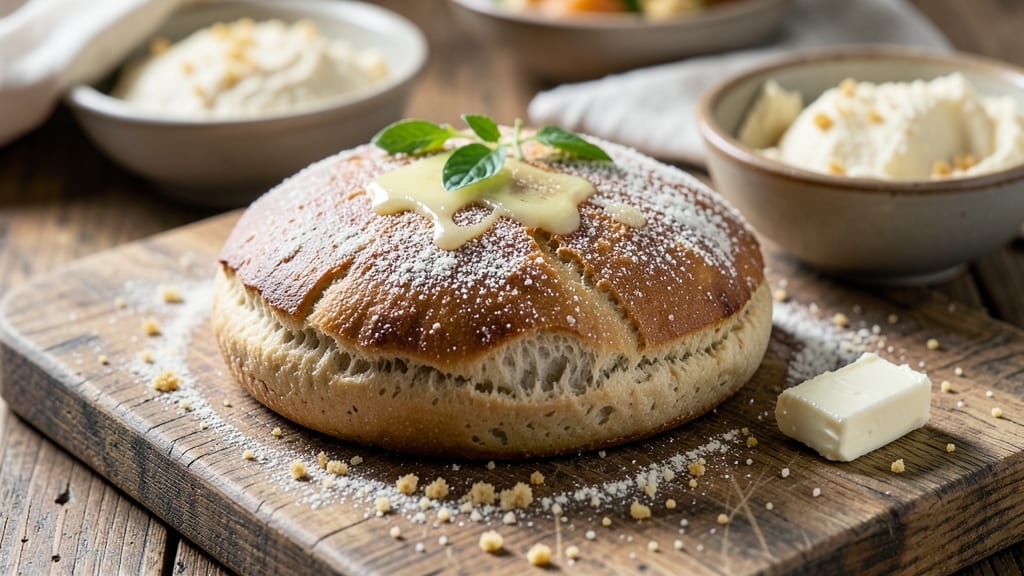
This Algerian bread recipe brings the warm, aromatic essence of North Africa to your kitchen table with its signature fluffy texture and subtle anise flavor. 🌟 The secret lies in the semolina base, which creates that signature tender crumb while the anise seeds infuse the dough with a delicate, licorice-like warmth that pairs perfectly with couscous or tagines.
I've perfected this recipe after years of testing—it's the kind of bread that disappears faster than you can say "khobz."
The dough comes together in just 15 minutes of active prep, but the magic happens during the slow fermentation and steam baking. Unlike many bread recipes, this one doesn't require fancy equipment—just a Dutch oven or heavy pot to create that signature crust.
The semolina gives it a slightly gritty texture that contrasts beautifully with the soft interior, while the anise adds depth that makes it stand out from ordinary loaves.
What you'll end up with is a golden, fragrant loaf with a crisp crust and airy interior that's perfect for soaking up sauces or serving alongside your favorite North African dishes.
The aroma alone will transport you to the bustling markets of Algiers, where fresh bread is a staple of daily life. This recipe makes enough for a family of four, with leftovers that reheat beautifully.
For those adapting to plant-based diets, simply substitute the butter with olive oil or vegan margarine—it works just as well. The bread's natural flavor shines through regardless, making it versatile for any meal. Let's get started on this traditional Algerian treasure that's become a staple in my kitchen.
Ingredients for algerian bread
Fluffy semolina loaf with anise warmth—just 12 ingredients for a fragrant Algerian classic.
| Ingredient | Amount | Notes |
|---|---|---|
| All-Purpose Flour 🌾 | 3 cups | For structure and chewiness |
| Fine Semolina Flour 🌾 | 1 cup | Key for signature texture |
| Active Dry Yeast 🍞 | ¼ oz | Or 2 1/4 tsp (1 packet) |
| Granulated Sugar 🍚 | 1 tbsp | Feeds yeast for rise |
| Warm Water 💧 | 1 ¼ cups | 110°F for yeast activation |
| Unsalted Butter 🧈 | ¼ cup | Softened, not melted |
| Whole Milk 🥛 | ¼ cup | Warmed for tender dough |
| Anise Seeds 🌿 | 1 tsp | Ground or whole for flavor |
| Salt 🧂 | ¾ tsp | Diamond Crystal preferred |
| Olive Oil 🫒 | 1 tbsp | For dough and crust |
| Coarse Cornmeal 🌽 | ½ cup | For dusting and texture |
| Ice Water ❄️ | ½ cup | For shaping and steam |
The semolina is non-negotiable here. Bob's Red Mill or King Arthur brands work best for that signature gritty texture. Anise seeds? Penzeys has the best whole seeds, but the ground stuff at Trader Joe's is perfect too. I always toast the seeds lightly in a dry pan before adding to the dough—just 30 seconds to wake up those flavors. For the yeast, make sure it's fresh: drop a packet in warm water, and if it doesn't foam in 5 minutes, toss it. That butter? Plugrá or Land O'Lakes unsalted—never salted, trust me on that.
No anise seeds? 1/2 tsp anise extract works in a pinch, but the texture won't be the same. Running low on semolina? Cornmeal at half the amount gives a similar grit, though not identical. The milk can be any kind—whole, 2%, even almond milk if you're avoiding dairy. For the olive oil, California Olive Ranch or Bertolli are my go-tos. Pro tip: if your dough feels sticky, add a splash more flour—but don't overdo it, or you'll lose that tender crumb. The cornmeal isn't just for dusting; it adds to the crust's crunch.
Shape the dough into a loaf and let it proof overnight in the fridge for 8-12 hours—this is where the magic happens. The bread keeps well for 3-4 days wrapped in a towel, but it's best fresh. For reheating, wrap slices in foil and warm in a 350°F oven for 5 minutes. Freeze any leftovers for up to 3 months—just thaw at room temp before serving. The anise flavor actually deepens overnight, so leftovers often taste better than day-of bread.
Why You'll Love This Recipe
- No-Knead Magic: Honestly, this dough comes together in five minutes—just mix, let it rise, and shape. That semolina flour gives it a rustic texture without any fuss, and the yeast does all the heavy lifting while you sip your coffee.
- Crispy-Gold Perfection: Between us, that fine semolina crust is everything—crunchy outside, pillowy inside, with just a hint of sweetness from the sugar. It’s the kind of bread that makes you slow down and actually enjoy eating, not just grabbing.
- Weeknight Workhorse: I keep a batch in the fridge for days—toss it in a sandwich, dip it in soup, or serve it warm with olive oil. It’s my go-to for lazy dinners, potlucks, or when I forget to buy bread (again).
- Budget-Friendly Staple: Five ingredients, zero specialty items, and it stretches further than store-bought. The semolina adds richness without costing a fortune, and leftovers toast up like fresh-baked the next morning. My wallet and my taste buds thank me.
Step-by-step instructions for Algerian bread
Here's how to craft this fragrant, fluffy loaf with perfect texture and anise-kissed flavor.
👨🍳 Step 1: Activate the Yeast and Mix Wet Ingredients
In a small bowl, combine the 1.25 cups warm water (about 110°F) with the 1 tbsp granulated sugar and 0.25 oz active dry yeast. Let it sit for 5-10 minutes until foamy—this tells you your yeast is alive and ready to work. If it doesn't foam, your yeast might be dead, and you'll need to start over.
While that bubbles away, warm the 0.25 cup whole milk and 0.25 cup unsalted butter together in a small saucepan over low heat until just melted. Let it cool to 100°F—too hot and you'll kill the yeast when you mix everything. In a large bowl, whisk together the warm milk-butter mixture with the 1 tbsp olive oil and 1 tsp anise seeds.
👨🍳 Step 2: Combine Dough Ingredients for Perfect Texture
Add the 3 cups all-purpose flour and 1 cup fine semolina flour to your yeast mixture. The semolina gives this bread its signature rustic texture—don't skip it. Mix with a wooden spoon until a shaggy dough forms. Then add the 0.75 tsp salt and the foamy yeast mixture all at once.
Stir vigorously with a wooden spoon for 2-3 minutes until the dough pulls away from the sides of the bowl. You'll see a sticky, cohesive mass that's slightly tacky but not wet. If it's too dry, add 1 tablespoon ice water at a time until it comes together properly. Real talk: this dough is stickier than most—embrace it!
🥘 Step 3: Knead and Develop Gluten for Light Structure
Turn the dough onto a lightly floured surface and knead for 8-10 minutes until smooth and elastic. You're looking for a dough that springs back when poked and feels slightly firm but not hard. I like to use the "windowpane test"—stretch a small piece thin enough to see light through it without tearing.
Here's the thing—this Algerian dough benefits from a slightly longer knead than typical bread. The semolina needs time to hydrate properly. If your kitchen is cold, you might need an extra minute or two. Wrap the dough in plastic wrap and let it rest at room temperature for 1 hour while you preheat your oven.
🔥 Step 4: Shape and Proof for Maximum Rise
After resting, punch down the dough gently to release air, then divide it into 4 equal pieces (about 8 oz each). Roll each piece into a smooth ball, then flatten slightly into ovals. This shaping creates the classic Algerian loaf shape when baked.
Place the ovals on a parchment-lined baking sheet, brush the tops with a little ice water (this helps create steam during baking), then cover with a clean kitchen towel. Let them proof at room temperature for 1-1.5 hours until nearly doubled in size. They should look puffy with visible air bubbles—this is when you'll smell that wonderful anise aroma!
🔥 Step 5: Bake to Golden Perfection with Cornmeal Crust
Preheat your oven to 400°F with a baking stone or inverted baking sheet on the middle rack. Sprinkle 0.5 cup coarse cornmeal onto another baking sheet—this will give your bread that beautiful crunchy crust. When the oven is fully preheated, carefully transfer the proofed loaves to the cornmeal-coated sheet.
Bake for 20-25 minutes until the tops are deep golden brown and the internal temperature reaches 190°F. You'll know they're done when they sound hollow when tapped on the bottom. Immediately transfer to a wire rack to cool for 10 minutes before slicing—this prevents a gummy interior.
Pro Tips For Making Algerian Bread
- Sift the Semolina: Algerian bread’s signature chew comes from the semolina, but clumps ruin the texture. Sift it with the all-purpose flour—yes, even the fine semolina—before mixing. I learned this the hard way when my first batch turned out dense instead of light and airy.
- Proof at Room Temp: Skip the fridge for proofing this dough—it’s not sourdough. Let it rise in a warm spot (like a turned-off oven with a bowl of hot water) until it’s just over double. Algerian bread dough needs speed, not slow fermentation, or you’ll end up with a heavy loaf.
- Don’t Overwork the Dough: Once you knead in the semolina, stop when it’s smooth but still slightly tacky. Overmixing develops gluten too much, and the bread turns gummy. I used to punch it down like I was mad at it—now I treat it like a fragile thing.
- Steam the First 5 Minutes: Algerian bread needs a crisp crust, but the semolina can dry out fast. After scoring, blast the oven at 425°F (220°C) and place a metal tray of boiling water on the lower rack for the first 5 minutes. No steam? Your crust will be tough instead of snappy.
Pro cooking tips for this dish
Steam Baking Secret
This Algerian bread thrives on steam during baking—just like traditional Algerian ovens. I create steam by placing a baking sheet with ½ cup ice water in the oven's lower rack while preheating.
When you transfer the dough, the steam rises and creates that signature crisp crust while keeping the interior tender. For even better results, try the Dutch oven method: place your dough in a cold Dutch oven, then bake at 425°F for 30 minutes. The trapped steam works wonders! 💫
Anise Flavor Boost
For maximum anise flavor, lightly toast the 1 tsp anise seeds in a dry skillet for 30 seconds—this intensifies their aroma. I grind half the seeds before mixing into the dough and save the other half to sprinkle on top before baking.
The ground seeds distribute flavor evenly, while the whole seeds add visual appeal and extra crunch. If you can't find anise seeds, ½ tsp anise extract works in a pinch, though the texture won't be identical.
Dough Temperature Control
Your dough should be between 75-78°F when shaping—too cold and it won't rise properly; too warm and it'll overproof. I test dough temperature with an instant-read thermometer. If your kitchen is warm, chill the dough for 15 minutes before shaping.
For cold kitchens, let it rest slightly longer. The perfect dough temperature ensures consistent rise and texture every time. 🌡️
Proofing Like a Pro
Don't skip the 1-hour rest after kneading—this relaxes the gluten for easier shaping. When proofing, your dough should nearly double in size and have visible bubbles. If it's not rising enough, your yeast might be dead or your kitchen too cold.
Try a warm spot (like near the oven) for proofing. For best flavor, proof overnight in the fridge after shaping—this develops deeper anise notes and creates a more complex flavor profile.
Crust Perfection
The cornmeal isn't just for texture—it creates that beautiful golden crust. Sprinkle ½ cup coarse cornmeal generously on your baking sheet before transferring the dough. For extra shine, brush the tops with melted butter after baking.
I also recommend baking on a pizza stone or baking sheet for even heat distribution. The crust should be crisp but not hard—tap the bottom and listen for that hollow sound that means perfect doneness.
Make-Ahead Magic
This bread keeps beautifully for 3-4 days wrapped in a clean kitchen towel. For longer storage, freeze slices wrapped in foil for up to 3 months. To reheat, wrap slices in foil and warm in a 350°F oven for 5 minutes.
The flavor actually improves overnight as the anise infuses deeper. I often bake two loaves—one for immediate use and one to freeze for lazy weeknights when I crave fresh Algerian bread. 💡
Nutrition facts
Frequently asked questions
Can I make this Algerian bread without anise seeds?
The anise seeds give this bread its signature flavor, but you can substitute ½ teaspoon anise extract if needed. For a different flavor profile, try 1 teaspoon fennel seeds instead—they're in the same family but milder. Just remember, the texture won't be identical to the traditional recipe.
Why does my dough feel so sticky?
The semolina and extra moisture from the milk create a naturally sticky dough—this is normal! The stickiness helps develop the bread's signature tender crumb. If working with it feels difficult, wet your hands slightly when handling. Avoid adding too much flour, or you'll lose that soft interior texture.
How do I know when the bread is fully baked?
Look for three signs: deep golden brown crust, internal temperature of 190°F, and a hollow sound when tapped on the bottom. The edges should pull away cleanly from the baking sheet too. If unsure, let it bake 5 more minutes—underbaking makes the bread gummy.
Can I make this bread in a home oven without a Dutch oven?
For steam, place a baking sheet with ½ cup ice water in the oven's lower rack while preheating. When you transfer the dough, the steam rises naturally. For best results, use a pizza stone or inverted baking sheet on the middle rack to mimic professional baking conditions.
What's the best way to store leftover Algerian bread?
Wrap cooled slices in a clean kitchen towel and store at room temperature for 3-4 days. For longer storage, freeze slices wrapped in foil for up to 3 months. To reheat, wrap in foil and warm in a 350°F oven for 5 minutes—this restores the crust's crispness and softens the interior.