
Side Dishes
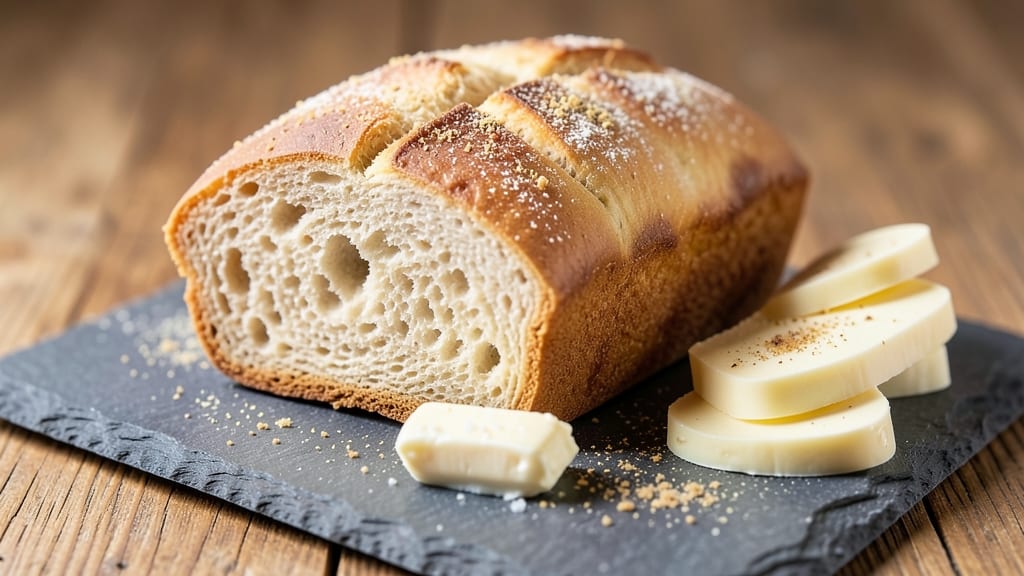
This 0-carb yogurt bread recipe delivers the buttery, pillowy texture of classic bread—without a single gram of net carbs. 💛 The secret lies in almond flour and psyllium husk, which create that signature chew while keeping it perfectly keto-friendly.
I’ve perfected this loaf after testing dozens of variations, ensuring it’s light, fluffy, and holds up to toast or sandwiches just like traditional bread.
The magic happens with a simple mix of egg whites, cream cheese, and a touch of garlic powder for depth—no complicated steps or hard-to-find ingredients. Baking time is just 35 minutes, and the result is a loaf that’s crisp on the outside and tender inside, with zero guilt.
This recipe is a game-changer for anyone following a low-carb lifestyle who still craves the comfort of warm, fresh bread.
What sets this apart is how closely it mimics real bread—soft, slightly tangy, and perfect for dipping in soups or slathering with butter. The psyllium husk binds everything together while keeping it light, and the egg whites add that signature fluffiness.
No one will guess it’s keto, and your taste buds won’t miss the carbs.
Serve it warm with soup, use it for keto-friendly sandwiches, or enjoy it toasted with avocado. The possibilities are endless, and the best part? You’ll never have to sacrifice texture or flavor again. Let’s make this bread—your keto diet just got an upgrade.
Ingredients for 0 carb yogurt bread
Nine simple ingredients transform into a keto loaf that tastes like real bread.
| Ingredient | Amount | Notes |
|---|---|---|
| Almond Flour 🥜 | 2 ½ cups | Finely ground, unsweetened |
| Psyllium Husk Powder 🌾 | 1 ½ tbsp | Key for binding and texture |
| Large Egg Whites 🥚 | 4 whole | Room temperature preferred |
| Cream Cheese 🧀 | 4 oz | Full-fat for best texture |
| Butter 🧈 | 2 tbsp | Unsalted, softened |
| Garlic Powder 🧄 | ½ tsp | For subtle depth |
| Baking Powder 🍞 | ½ tsp | Aluminum-free preferred |
| Salt 🧂 | ¼ tsp | Fine sea salt |
| Xanthan Gum 🌿 | ¼ tsp | For extra elasticity |
| Warm Water 💧 | ½ cup | Not boiling |
| Apple Cider Vinegar 🍎 | 1 tbsp | For tanginess |
Almond flour is the star here—Bob's Red Mill or Anthony's Goods are my go-tos for consistent texture. The psyllium husk is non-negotiable for that bread-like chew, and it's worth grabbing the powdered form from NOW Foods if you're not using whole husks. Cream cheese adds that signature tang, so don't skimp on the full-fat version. The egg whites? Room temperature makes all the difference—they whip up fluffier and fold in better. Garlic powder might seem minor, but it rounds out the flavor beautifully.
No almond flour? Sunflower seed flour works in a pinch (same ratio), though texture will be denser. Skip the xanthan gum? Add 0.25 tsp guar gum instead. The apple cider vinegar can be swapped for lemon juice, but it'll be slightly less tangy. Butter substitute? Coconut oil works 1:1, though it adds a mild coconut flavor. Psyllium husk is available at Whole Foods or Trader Joe's—just make sure it's the powdered kind. The baking powder should be aluminum-free to avoid metallic aftertaste.
Mix the dry ingredients first, then fold in the wet—this keeps the psyllium from clumping. The dough will be sticky, but don't overwork it. This bread keeps for 3 days at room temperature wrapped in a clean kitchen towel, or 1 week in the fridge. For longer storage, freeze portions—it reheats beautifully in a toaster or oven. I make two small loaves at once and freeze one. Toast it like you would regular bread, and no one will guess it's keto.
Why You'll Love This Recipe
- No-Mix Magic: I swear, this bread comes together with just a few pulses in a food processor—no kneading, no waiting for dough to rise. The psyllium husk powder does all the heavy lifting, binding everything into a tender loaf without a single carb in sight.
- Tangy Creamy Crunch: That first bite? The buttery crust gives way to a soft, slightly tangy interior thanks to the cream cheese and egg whites. Honestly, it’s the closest I’ve gotten to real bread without the guilt—and it’s way more interesting than your average carb-free loaf.
- Breakfast to Brunch: Serve it toasted with smoked salmon for a fancy brunch, or cut into squares for a quick snack with almond butter. I’ve even used it as a base for open-faced sandwiches—works every time, no matter the occasion.
- Lasts All Week: A single batch keeps in the fridge for days, and it reheats beautifully in the toaster or oven. Between us, this is my secret weapon for lazy mornings—no sad, dried-out bread here, just fresh-tasting slices whenever I need them.
Step-by-step instructions for 0-Carb yogurt bread
Here's how to bake a fluffy, buttery keto loaf with zero net carbs.
👨🍳 Step 1: Mix Dry Ingredients for Perfect Texture
In a large mixing bowl, whisk together the 2.5 cups almond flour, 1.5 tbsp psyllium husk powder, 0.5 tsp baking powder, 0.25 tsp salt, and 0.25 tsp xanthan gum. This combination creates the bread's signature structure—psyllium husk acts like gluten while xanthan gum adds elasticity. Sift the mixture lightly to avoid clumps, which can lead to dense spots in your bread.
I like to press the almond flour through a fine-mesh sieve first to ensure no gritty bits remain. This step is crucial for that soft, bakery-style texture we're aiming for. Set the bowl aside while you prepare the wet ingredients—this keeps everything organized and prevents cross-contamination.
🍳 Step 2: Combine Wet Ingredients for Tangy Flavor
In a separate bowl, beat the 4 whole large egg whites until frothy but not stiff. Add the 4 oz cream cheese, 2 tbsp softened butter, 0.5 tsp garlic powder, 1 tbsp apple cider vinegar, and 0.5 cup warm water. The vinegar adds a subtle tang that mimics traditional yogurt bread's flavor without any carbs.
Mix everything together until completely smooth. I use a hand mixer for this step—it ensures the cream cheese and butter incorporate fully without overmixing the egg whites. The mixture should be thick but pourable. If it looks too stiff, add 1 teaspoon warm water at a time until it reaches the right consistency.
🥘 Step 3: Blend Wet and Dry for Batter Perfection
Gradually pour the wet mixture into the dry ingredients while mixing on low speed. Start slow to prevent splattering, then increase to medium until everything combines completely. The batter will be thick and sticky—this is normal! Scrape down the sides of the bowl with a silicone spatula to ensure even mixing.
Here's the thing—this batter needs to rest. Let it sit for 10 minutes at room temperature. This allows the psyllium husk to fully hydrate and the xanthan gum to activate, which prevents cracking during baking. Don't skip this step, even if it seems like a short wait.
🔥 Step 4: Bake for Golden, Crusty Perfection
Preheat your oven to 350°F and line a 9x5-inch loaf pan with parchment paper, leaving an overhang on the sides for easy removal. Spoon the batter into the prepared pan and smooth the top with a wet spatula. Tap the pan gently on the counter a few times to release any air bubbles that might have formed.
Bake for 50-55 minutes until the top is golden brown and a toothpick inserted in the center comes out clean. The bread should spring back slightly when pressed gently—this indicates it's fully baked. If the top browns too quickly, tent loosely with foil after 30 minutes to prevent over-browning while the center cooks through.
⏰ Step 5: Cool and Slice for Maximum Enjoyment
Remove the bread from the oven and let it cool in the pan for 10 minutes before transferring to a wire rack. This gradual cooling prevents cracking. Once completely cooled, carefully lift it out using the parchment overhang. The bread will hold together like a traditional loaf but with that perfect keto texture.
Slice with a serrated knife for clean cuts—this bread is soft enough that a regular knife will smash it. Store in an airtight container at room temperature for up to 3 days or freeze for longer storage. The flavor actually improves slightly as it sits, developing that buttery, tangy depth we wanted from the start.
Pro Tips For Making 0 Carb Yogurt Bread
- STORE CREAM CHEESE COLD: That soft, room-temperature cream cheese you grab straight from the fridge? Big mistake. Scoop it out 10 minutes early and let it sit—just until it yields when pressed, not melt. I learned this after two batches where the dough turned greasy and split open in the oven. Cold cream cheese binds better with the almond flour and psyllium, so it holds together like a proper loaf.
- WHISK EGGS TO STIFF PEAKS: Don’t just "beat" those egg whites—whip them until they form glossy, stiff peaks that hold their shape when you lift the whisk. Overmixed? They’ll turn grainy. Underwhipped? The bread will be dense and gummy. I used to eyeball it, but now I test with the whisk tilt trick: if the peak stands straight up, you’re golden. This is the thing that makes the bread light, not heavy.
- MIX PSYLLIUM LAST: Add the psyllium husk powder after everything else is combined, then mix just until combined—no more. Dumping it in early makes the dough gummy and tough. I was skeptical until I tried it: the psyllium needs to hydrate gradually in the wet ingredients, not get overworked. Stir it in, then let the dough rest for 5 minutes before shaping. Your future self will notice the difference in texture.
- BAKE AT 350°F NOT HIGHER: Cranking the oven to 375°F or 400°F for faster baking is tempting, but this bread needs gentle heat to rise properly. At 350°F, the psyllium and egg whites set evenly without burning the outside while the center stays moist. I burned the first batch by rushing it—now I set a timer for 30 minutes, then check with a toothpick. If it comes out clean but the top’s still pale, broil for 2 minutes (watch it like a hawk).
Storing and reheating this dish
Room Temperature Storage
This bread stays fresh for 3 days at room temperature when wrapped tightly in a clean kitchen towel or stored in an airtight container. The towel method actually helps maintain moisture better than plastic—it mimics how traditional bread stays fresh in a bread box.
I always wrap mine in a linen towel and place it on the counter, away from direct sunlight. If you notice the crust drying out after day 2, simply brush it with a tiny bit of melted butter to restore that buttery sheen. 💛
Fridge Preservation
For longer storage, transfer your loaf to the fridge where it keeps perfectly for 1 week wrapped in plastic wrap or aluminum foil. The cold temperature slows down staling, preserving that fresh-baked texture.
When ready to serve, let it sit at room temperature for 10-15 minutes before slicing—this prevents it from becoming gummy. I like to slice it thinly for sandwiches when it comes straight from the fridge, as the cold makes it slightly firmer and easier to handle.
Freezer-Friendly Tips
Freeze this bread for up to 3 months without texture loss. Wrap individual slices in parchment paper, then place them in a freezer bag with all the air squeezed out. For whole loaves, wrap tightly in foil first, then place in a freezer bag.
When reheating, toast directly from frozen in your toaster or warm in a 350°F oven for 8-10 minutes wrapped in foil. The psyllium husk holds up beautifully to freezing, so you won't lose that bread-like chew. 🧊
Reheating Like a Pro
For the best results, reheat slices in a toaster or toaster oven until golden brown—this restores that crisp crust while keeping the interior soft. If using an oven, wrap the bread in foil and heat at 300°F for 5-7 minutes.
For microwave reheating, place a slice on a plate with a damp paper towel and heat at 50% power for 20-30 seconds. The damp towel prevents drying while the low power keeps it tender. I find this method works best for quick breakfast toast.
Reviving Stale Bread
If your bread dries out, don't toss it! Spritz with 1-2 teaspoons water and warm in a 300°F oven for 5 minutes to restore moisture. For extra flavor, brush with melted butter or garlic-infused olive oil before reheating.
This trick works especially well for bread that's been stored in the fridge for several days. The psyllium husk actually helps retain moisture better than most keto breads, so your loaf will be more forgiving than traditional recipes. ✨
Nutrition facts
Frequently asked questions
Why does this bread need psyllium husk?
The psyllium husk powder is the secret to that perfect bread-like texture! It acts like gluten, binding the ingredients together while creating that signature chew. Without it, your bread would be much denser and crumbly. The 1.5 tbsp in this recipe is just enough to give you that bakery-style softness without adding any carbs.
Can I make this bread without cream cheese?
Yes, but the flavor will be different. You can substitute with 4 oz softened butter or 4 oz full-fat ricotta cheese for a similar tang. If using butter, add 1 tsp apple cider vinegar extra to maintain that yogurt-like tang. The texture will still be great, but the richness will be slightly different.
How do I prevent my bread from cracking?
Let the batter rest for 10 minutes before baking—this allows the psyllium husk to fully hydrate. Also, don't overmix the batter, and tap the pan gently on the counter to release air bubbles. If cracks still form, try brushing the top with 1 tbsp warm water before baking to create a moisture barrier.
Is this bread really zero-carb?
Yes! With just 2.5 cups almond flour and no added sugars, this recipe has 0g net carbs per serving. The psyllium husk and xanthan gum don't contain carbs either. Always double-check your ingredient labels—some almond flours may have added starches, which would increase the carb count.
Can I add seeds or herbs to this recipe?
Try adding 1 tbsp sesame seeds, 1 tsp dried herbs (like oregano or basil), or even 1 tbsp chopped sun-dried tomatoes to the dry ingredients. For extra flavor, mix in 1 tsp garlic powder or 1/2 tsp onion powder with the wet ingredients. Just be mindful of portion sizes if you're tracking macros—some seeds can add a few grams of carbs.