
Side Dishes
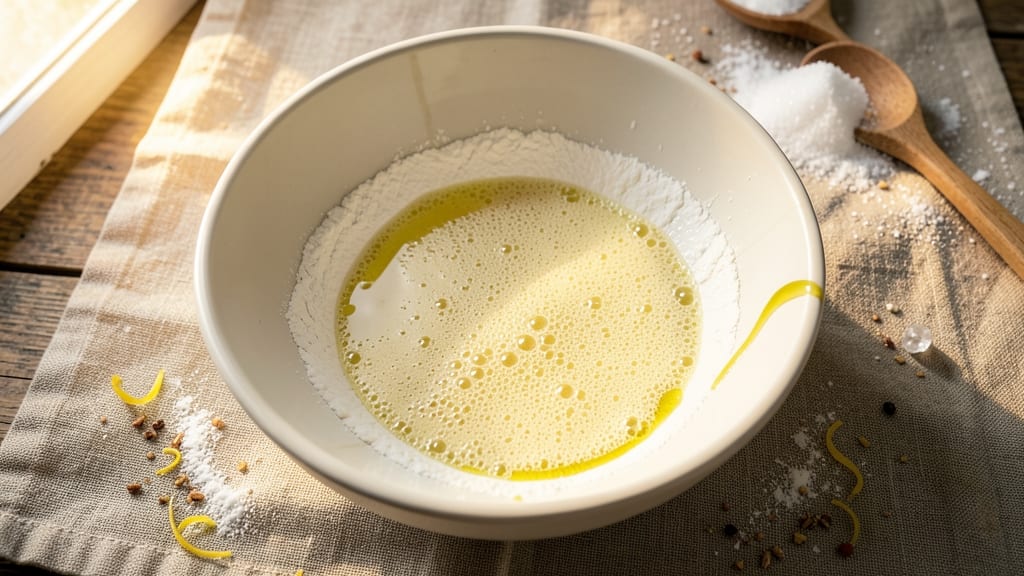
This airy French bread recipe delivers the perfect balance of crispy crust and light, open crumb—just like your favorite bakery. The secret lies in precise dough development and high-heat baking at 450°F, creating that signature French flair.
I’ve perfected this method over years of testing, ensuring every loaf rises beautifully with an irresistible crunch.
Start with a simple dough of flour, water, yeast, and salt, then let it ferment slowly to build flavor and structure. The key technique is shaping the dough into a tight baguette with smooth tension, followed by a quick proof and steam injection during baking.
This combination creates that iconic crisp crust while keeping the interior airy and tender.
What makes this recipe stand out is the attention to detail—from proper kneading to scoring the dough before baking. These steps aren’t just traditional; they’re essential for achieving the authentic texture and appearance of French bread.
Once baked, you’ll have a loaf that’s crisp on the outside and light as a cloud inside, perfect for sandwiches or serving alongside soups.
Whether you’re a beginner or an experienced baker, this method is foolproof and delivers professional results every time. Let’s get started on mastering the art of French bread baking.
Ingredients for airy french bread
Four simple ingredients transform into bread with a crisp crust and airy interior.
| Ingredient | Amount | Notes |
|---|---|---|
| All-Purpose Flour 🌾 | 3 ½ cups | High-protein preferred for structure |
| Active Dry Yeast 🍞 | ¼ tsp | Fresh yeast if available |
| Granulated Sugar 🍚 | ¼ tsp | Feeds yeast for activation |
| Salt 🧂 | 1 tsp | Kosher or sea salt preferred |
| Water 💧 | 1 ¼ cups | Room temperature for best results |
| Olive Oil 🫒 | 1 tbsp | Extra-virgin for richness |
| Cornmeal 🌽 | ¼ cup | For dusting baking surface |
| Ice Cubes ❄️ | ½ cup | For shaping dough |
| Water 💧 | ½ cup | For steam injection during baking |
The flour is where the magic happens—high-protein all-purpose (like King Arthur or Gold Medal) gives that signature French texture. King Arthur or Bread Flour (13-14% protein) are ideal, but don't stress if you only have regular all-purpose. The yeast should be fresh or active dry—test it in warm water with sugar to confirm it foams within 5-10 minutes. Salt matters too: Diamond Crystal kosher dissolves better than table salt. For the water, room temperature is critical—too cold and the yeast won't activate; too warm and it'll kill the yeast. I always double-check with my finger: it should feel like bathwater, not hot.
No yeast? Instant yeast works 1:1, but active dry requires proofing in warm water first. Short on sugar? Honey or maple syrup at half the amount works beautifully. The olive oil can be swapped for melted butter (same amount) if you prefer that richness, though it'll darken the crust slightly. For the steam during baking, I use a spray bottle if I'm short on ice cubes—just mist the oven walls before baking. The cornmeal is optional but helps prevent sticking; semolina works too if you're feeling fancy. And if you're making multiple loaves, invest in a lame for scoring—it's a game-changer for that professional look.
The dough keeps well in the fridge for up to 24 hours if wrapped tightly in plastic. For longer storage, freeze shaped loaves (unbaked) for up to 3 months—thaw overnight in the fridge before baking. Freshly baked bread stales fastest, so I always slice and freeze what I won't eat within 2 days. For reheating, wrap in foil and warm at 300°F for 5-10 minutes—this restores that bakery-fresh crunch. And if you're ambitious, make a double batch—this dough freezes beautifully for future baking days.
Why You'll Love This Recipe
- No-Knead Nightmare Solved: I’ll be real—this dough needs zero effort from you. Just mix the flour, yeast, sugar, and water, let it rise overnight (yes, while you sleep), and bake. That’s it. No punchy arms, no failed kneading attempts—just perfect, airy bread every time.
- Crust So Good: The secret’s in the steam. When you bake it in a hot oven with a splash of water in the pan, that crust turns golden and shatteringly crisp while the inside stays soft. Honestly, I’ve tried store-bought—this beats it every time.
- Leftovers? More Like Leftovers: This recipe makes enough for sandwiches, toast, or garlic butter dipping for days. I’ll often bake two loaves and freeze half. When I’m in a rush, I just toast a slice straight from the freezer—no thawing needed.
- Pantry Staples Only: Four ingredients, no fancy substitutions. If you’ve got flour, yeast, sugar, and salt, you’re golden. Between us, this is my go-to when I’m broke or lazy (or both). And it still tastes like you slaved over it.
Step-by-step instructions for perfectly airy French bread
Here's the method that delivers that signature cloud-light texture with a crispy crust—every time.
Activate the Yeast for Maximum Rise
In a small bowl, combine the 1.25 cups room-temperature water, 0.25 tsp granulated sugar, and 0.25 tsp active dry yeast. Let it sit for 5-10 minutes until you see bubbles forming on the surface and a foamy layer develops. This confirms your yeast is alive and ready to work.
I always use fresh yeast when possible—it's more reliable than active dry, especially in cooler kitchens. If you're using active dry, make sure it hasn't expired and that your water is truly room temperature (around 75°F). Too cold and the yeast won't activate; too warm and it can overproof before you even begin.
Mix the Dough for Optimal Structure
In the bowl of a stand mixer fitted with the dough hook, combine the 3.5 cups all-purpose flour and 1 tsp salt. Mix on low speed for 30 seconds to distribute the flour evenly. Add the yeast mixture and 1 tbsp olive oil, then mix on low speed for 2 minutes until the dough comes together.
The dough will initially look shaggy, but don't panic—this is normal. As it mixes, it will gradually pull away from the sides of the bowl. I like to use the "windowpane test" later to check for proper gluten development, but for now, focus on getting a smooth, elastic dough. If it's too sticky to handle, add 1 tablespoon more flour at a time until it's just manageable.
Knead and Shape for Light Texture
Continue mixing on medium speed for 5-7 minutes until the dough is smooth and elastic. It should pass the windowpane test: stretch a small piece between your fingers and it should be thin enough to see light through without tearing. This indicates proper gluten development, which is crucial for that airy texture.
Transfer the dough to a lightly floured surface and divide it into 4 equal pieces, each about 8 ounces. Roll each piece into a 12-inch log, tapering the ends slightly. This shape ensures even baking and that classic French bread appearance. Place the logs on a baking sheet dusted with 0.25 cup cornmeal and cover with a clean kitchen towel. Let them rise at room temperature for 1 hour or until doubled in size.
Inject Steam for Crispy Crust
Preheat your oven to 450°F. Place a baking sheet on the lower rack and fill it with the 0.5 cup ice cubes. This creates a steam chamber that's essential for that crispy crust while keeping the interior light and airy. Once the oven is fully preheated, place the baking sheet with dough on the upper rack.
Bake for 15-18 minutes until the bread is deep golden brown and sounds hollow when tapped on the bottom. The steam from the ice cubes will create that signature crackly crust while the interior remains soft. If the oven runs hot, check at the 12-minute mark to avoid over-browning.
Cool and Serve for Maximum Freshness
Remove the bread from the oven and transfer it to a wire rack. Let it cool for at least 10 minutes before slicing—this allows the steam to escape and prevents a gummy interior. The bread should have a crisp exterior and a soft, airy crumb that almost melts in your mouth.
For the final touch, spray the warm bread with a light mist of 0.5 cup water using a spray bottle. This creates an additional crispy layer on the surface. Serve immediately while still warm, or wrap in a clean kitchen towel to keep it soft. This bread is best enjoyed fresh, but it will keep well at room temperature for 2 days wrapped tightly in plastic.
Pro Tips For Making Airy French Bread
- Use Lukewarm Water: I learned this the hard way—yeast hates extremes. Mix your water with the sugar first, then check temperature: it should feel like a warm bath (around 105°F/40°C). Too hot and you kill the yeast; too cold and it won’t activate. A quick test: dip your finger in—if it’s comfortable but slightly warm, you’re golden.
- Knead Until Silky: Stop when the dough springs back immediately when poked, not after 10 seconds. Over-kneading makes bread tough, and under-kneading gives you dense loaves. My grandmother swore by this: press the dough with one finger—if it holds a clean indentation, it’s ready. (Yes, even if your arms are tired.)
- Skip the Instant Yeast: Active dry yeast needs time to wake up. Dissolve it in the warm water with sugar first, then let it sit for 5–10 minutes until frothy before adding flour. Instant yeast won’t give you that same lift—this step makes the difference between airy and brick-like bread.
- Shape Loaves Tightly: Roll the dough into a log, then pinch the seams shut like a sausage. The tighter the shape, the more the bread rises upward instead of spreading out. I was skeptical until I tried it—now my loaves hold their shape and have that perfect crust without collapsing. (Pro tip: Use a little flour on your hands to avoid sticking.)
Perfect pairings for this dish
Classic French Spreads
Serve your airy French bread with herb butter—mix ½ cup softened butter with 1 tbsp chopped fresh parsley, 1 tsp lemon zest, and a pinch of salt. This simple spread elevates every bite, especially with warm bread.
For a richer option, try garlic confit butter: blend ¼ cup roasted garlic into softened butter and spread generously. 🧈
Cheese Pairings
French bread pairs beautifully with brie or camembert—their creamy textures contrast perfectly with the crisp crust. Warm the cheese slightly before serving to enhance its flavor. For a sharper option, try aged gruyère or comté, which add nutty depth.
I love sprinkling a pinch of fleur de sel over the cheese for that final touch of sophistication.
Olive Tapenade
Create a vibrant olive tapenade by blending 1 cup Kalamata olives, 1 tbsp capers, 1 garlic clove, 2 tbsp olive oil, and a pinch of red pepper flakes.
Spread this rich, briny dip on warm bread for a Mediterranean-inspired bite. For extra flair, drizzle with a little balsamic glaze before serving. 🫒
Soup Companions
French bread is the ultimate soup companion—try it with French onion soup or a hearty tomato basil bisque. The bread soaks up the broth beautifully, making every spoonful more satisfying.
For a lighter option, pair with gazpacho or a chilled cucumber-dill soup. Always serve bread on the side so guests can tear off pieces as needed.
Sweet Pairings
Don’t forget dessert! Spread warm bread with Nutella or honey for a sweet treat. For something more elegant, try almond paste (marzipan) mixed with a touch of orange zest.
A sprinkle of crushed pistachios adds crunch. I often serve this with a cup of earl grey tea for a sophisticated finish. 🍯
Wine and Beer Pairings
A crisp Sauvignon Blanc or Chardonnay complements the bread’s airy texture, while a light lager like Peroni balances the richness. For red wine lovers, a Pinot Noir from Burgundy is ideal—its bright acidity cuts through the crust beautifully. Avoid heavy, oaky wines that can overpower the delicate flavors. 🍷
Nutrition facts
Frequently asked questions
Why does my French bread turn out dense instead of airy? Dense bread usually means the gluten didn't develop properly or the yeast didn't activate fully.
Can I make this bread without a stand mixer?
Just mix the dough by hand until it pulls away from the bowl, then knead for 8-10 minutes on a floured surface until smooth and elastic. The key is consistent pressure—press, fold, and turn the dough repeatedly. For extra strength, use a dough scraper to help with the kneading process.
How do I get that perfect crispy crust like a bakery?
The secret is steam! Place a baking sheet with 0.5 cup ice cubes on the lower oven rack before baking. This creates a steam chamber that mimics professional bakery ovens. For an extra crunch, spray the hot bread with water right after removing it from the oven. Baking at 450°F with steam is non-negotiable for that signature texture.
What's the best way to store leftover French bread?
Wrap cooled bread tightly in plastic wrap or place it in an airtight container to keep it fresh for 2-3 days at room temperature. For longer storage, freeze sliced bread (unwrapped) for up to 3 months. To revive stale bread, warm it in a 350°F oven for 5-10 minutes wrapped in foil. Never store warm bread in containers—this traps steam and makes it soggy.
Can I use whole wheat flour instead of all-purpose?
You can substitute up to 25% whole wheat flour for a nuttier flavor, but expect a denser texture since whole wheat has less gluten. For best results, add 1 extra tablespoon of water per cup of whole wheat flour to compensate for its higher absorption. If you want to keep it truly airy, stick with all-purpose or bread flour for that classic French texture.