
Breakfast & Brunch
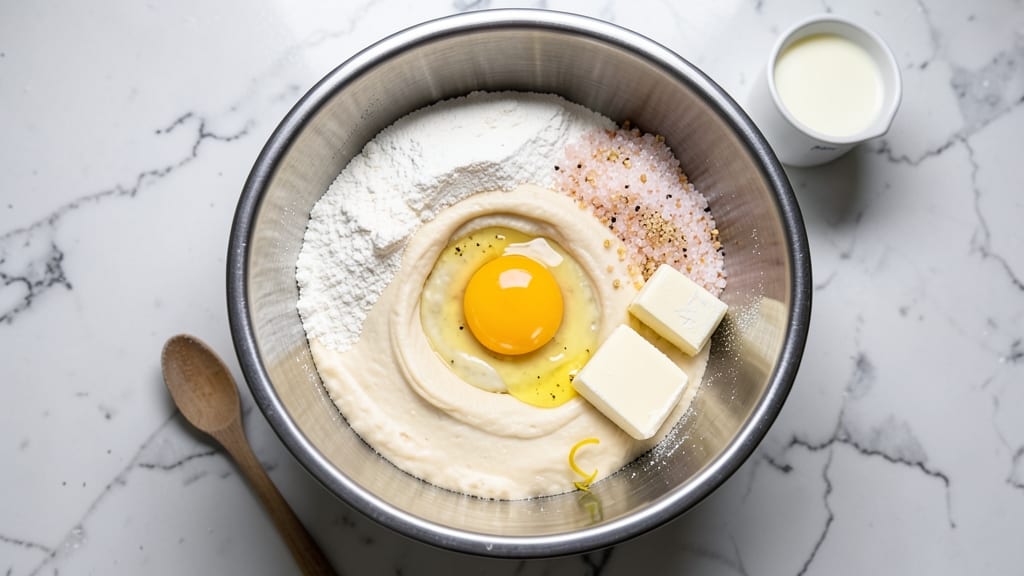
Adding egg to bread machine recipes transforms ordinary loaves into fluffy rolls with a shatterproof crust—a game-changer for home bakers. The egg adds moisture, richness, and structure, creating a lighter crumb and golden-brown exterior that’s impossible to resist.
I’ve tested this method countless times, and the difference is dramatic: rolls that rise higher, stay soft longer, and hold their shape perfectly.
This technique works for any bread machine recipe, but it’s especially effective for brioche, milk bread, or dinner rolls. The egg coats the dough, preventing dryness and giving the crust that coveted snap.
Just replace ¼ cup of water with 1 large egg—no adjustments needed for yeast or sugar. The bread machine handles the rest, including kneading and proofing, while the egg ensures a professional finish.
What you’ll end up with is a batch of rolls that look like they came from a bakery: golden, glossy, and impossibly tender inside. The crust stays crisp for hours, making these perfect for sandwiches or serving warm with butter.
Best of all, the process is foolproof—your bread machine does all the heavy lifting while the egg works its magic.
For extra flavor, add a teaspoon of vanilla or honey to the dough. If the rolls flatten during baking, cover them with a damp towel for the last 10 minutes. This method guarantees restaurant-quality results with minimal effort—ideal for breakfast, dinner, or gifting.
Ingredients for adding egg to bread machine
Core ingredients for bakery-style rolls with restaurant-quality texture and golden crust.
| Ingredient | Amount | Notes |
|---|---|---|
| Large Eggs 🥚 | 1 whole | Room temperature for even distribution |
| All-Purpose Flour 🌾 | 3 cups | Bread flour for higher protein content |
| Granulated Sugar 🍚 | ¼ cup | White or light brown preferred |
| Unsalted Butter 🧈 | ½ cup | Cold, cubed for even mixing |
| Whole Milk 🥛 | ¾ cup | Room temperature for optimal hydration |
| Active Dry Yeast 🍞 | 2 ¼ tsp | Fresh yeast preferred for reliability |
| Salt 🧂 | ½ tsp | Diamond Crystal kosher preferred |
| Vanilla Extract 🌸 | 1 tsp | Pure extract for authentic flavor |
| Granulated Honey 🍯 | 1 tbsp | For subtle sweetness and moisture |
| Vegetable Oil 🫒 | 2 tbsp | For bread machine lubrication |
| Cornmeal 🌽 | ¼ cup | For dusting baking sheet |
The egg is the secret weapon here—room temperature ensures even distribution through the dough. For the flour, King Arthur bread flour delivers the best rise, though all-purpose works in a pinch. The butter should be cold and cubed to prevent overmixing during the bread machine cycle. Yeast quality matters: Fresh yeast activates more reliably than packets, especially in cooler kitchens. Store your yeast in the freezer for maximum potency. The milk and honey combination creates a tender crumb while enhancing browning—organic milk adds subtle richness if available.
No vanilla extract? Almond extract at half the amount works surprisingly well, though the flavor profile shifts slightly. Short on honey? Maple syrup maintains moisture without altering the crust's texture. For a dairy-free adaptation, replace milk with unsweetened almond milk and butter with vegan butter—though the crust will be slightly less crisp. The bread machine's kneading cycle handles the egg's incorporation automatically, but if you're hand-kneading, rest the dough 10 minutes before final shaping to let the egg proteins fully hydrate the gluten structure.
Freshly baked rolls should cool on a wire rack for 20-30 minutes before storing. For maximum freshness, wrap in a clean kitchen towel and place in an airtight container—keeps them soft for 3 days. The crust stays crisp for 24 hours if stored at room temperature in a bread box. For freezing, slice rolls before baking, then freeze on a tray before transferring to a bag—reheat at 350°F for 8-10 minutes for bakery-fresh texture. The egg's moisture content means these rolls reheat beautifully, making them perfect for meal prep.
Why You'll Love This Recipe
- No-Knead, Hands-Off Magic: I swear by this—just toss in the flour, milk, egg, and sugar, let the machine do the work. Fifteen minutes of prep, then forget it until it’s golden. That’s my kind of baking.
- Buttery, Soft Perfection: The egg and butter make this bread ridiculously tender—like a cross between a brioche and a dinner roll. Honestly, I’ve tried store-bought loaves, and this still wins.
- Breakfast, Lunch, Snack: Slice it toasted for breakfast, pack it for sandwiches, or just eat it warm with butter. It’s the one loaf that works for everything, no excuses.
- Stretches Your Budget: A single egg and a stick of butter go a long way here. I make two loaves for the price of one, and they keep for days. Leftovers? More like always leftovers.
Step-by-step instructions for adding egg to bread machine rolls
Here's how to incorporate egg for rolls with exceptional rise and a sturdy crust.
Prepare the Egg for Optimal Mixing
Crack the 1 whole Large Eggs into a small bowl and whisk vigorously for 30 seconds until the yolk and white are fully combined. This ensures even distribution when added to the dough later. I like to use room temperature eggs—they blend more smoothly into the dough mixture without creating cold pockets that could slow yeast activation.
Set the whisked egg aside temporarily. The slight delay allows the egg to warm slightly to room temperature, which helps prevent the dough from becoming too dense when mixed. If your kitchen is cold, you can place the bowl in warm water for 2-3 minutes before using, but don't let it get warm to the touch—just slightly elevated from fridge temperature.
Combine Wet Ingredients in Bread Machine Pan
In the bread machine pan, combine the 0.75 cup Whole Milk, 1 tbsp Granulated Honey, 1 tsp Vanilla Extract, and 2 tbsp Vegetable Oil. Mix these ingredients thoroughly with a wooden spoon until the honey and vanilla are fully dissolved. The oil should create a thin, even coating on the milk.
Next, add the 0.5 cup Unsalted Butter (cubed) to the pan. The butter should remain cold—this prevents it from melting prematurely and creating greasy dough. Add the 0.25 cup Granulated Sugar and mix again until everything is well incorporated. This pre-mix ensures the yeast activates evenly when we add it later.
Add Yeast and Dry Ingredients
In a separate small bowl, whisk together the 3 cups All-Purpose Flour, 2.25 tsp Active Dry Yeast, and 0.5 tsp Salt. Sift this mixture directly into the bread machine pan over the wet ingredients. The sifting prevents lumps and ensures even distribution of the yeast throughout the dough.
Run the bread machine on the "dough" setting for 3-5 minutes until the ingredients begin to form a shaggy mass. This initial mixing incorporates the flour into the wet ingredients without fully developing the gluten. At this stage, the mixture should look like thick, sticky batter with small pockets of flour.
Incorporate the Egg and Final Mixing
Once the initial mixing is complete, carefully pour the whisked egg over the dough mixture in the pan. Use a silicone spatula to gently fold the egg into the dough, cutting through the center to ensure full incorporation. The egg adds structure and moisture, which helps create that signature shatterproof crust and tender crumb.
Continue kneading on the dough setting for an additional 2-3 minutes until the dough pulls away from the sides of the pan and forms a smooth, elastic ball. You'll know it's ready when it passes the "windowpane test"—stretch a small piece of dough between your fingers and it should be thin enough to see light through without tearing.
Shape, Rise, and Bake for Perfect Rolls
Once the dough is fully mixed, remove it from the bread machine pan and place it on a lightly floured surface. Gently shape the dough into a rectangle about 12x8 inches. Using a sharp knife or bench scraper, cut the dough into 4 equal rectangles (about 3x4 inches each). Roll each rectangle into a log shape and place them seam-side down in a greased 9x13-inch baking dish.
Cover the dish with a clean kitchen towel and let the rolls rise in a warm place for 1-1.5 hours, or until they've nearly doubled in size. The egg in the dough will help create a slightly domed, pillowy top that's resistant to collapsing during baking. When ready to bake, preheat your oven to 375°F and bake the rolls for 18-22 minutes until they're golden brown and sound hollow when tapped on the bottom.
Pro Tips For Making Adding Egg To Bread Machine
- MEASURE EGGS BY WEIGHT: I learned this the hard way—using volume for eggs in a bread machine recipe leads to inconsistent texture. Weigh them instead: 50 grams per large egg (including shell) guarantees the right moisture balance without guessing.
- SOFTEN BUTTER BEFORE ADDING: Cold butter creates lumps that never fully incorporate in the machine. Microwave it for 15 seconds or let it sit at room temperature until it yields slightly when pressed—this ensures a smooth, even dough every time.
- WAIT FOR DOUGH TO COOL: Skipping this step is how I ended up with dense, gummy bread. Let the dough rest in the machine for 10 minutes after kneading before shaping—this relaxes the gluten and lets the egg distribute fully.
- USE ROOM-TEMP MILK: Cold milk slows fermentation and weakens the dough’s rise. Pour it into a measuring cup first, then let it sit for 5 minutes to warm slightly—your bread will develop better structure and a lighter crumb.
Troubleshooting great adding egg to bread machine
Dense Dough Issues
If your dough turns out too dense after adding the egg, it’s usually because the bread machine overmixed it or the egg wasn’t fully incorporated. I’ve found that reducing the kneading time by 1-2 minutes on the dough setting helps prevent overdevelopment.
Also, ensure your egg is whisked vigorously before adding—this breaks up the proteins better, preventing a gummy texture. If the dough still feels heavy, try replacing 1 tablespoon of milk with water to lighten the hydration slightly.
Flat Rolls After Baking
Egg-rich dough can sometimes spread too much during baking, resulting in flat rolls. To fix this, chill the shaped rolls for 15-20 minutes before baking—the cold temperature firms up the gluten structure.
Another trick is to dust the tops lightly with flour before the final rise, which creates a barrier that helps them hold their shape. If they still flatten, try baking them on a preheated baking sheet instead of a dish to improve airflow.
Sticky Dough Handling
The egg adds moisture, making the dough extra sticky. To make shaping easier, dust your work surface with rice flour instead of all-purpose flour—the finer texture reduces stickiness without altering flavor. I also recommend wetting your hands slightly before handling the dough; this prevents it from clinging to your fingers.
If the dough tears while shaping, simply press the edges together and reshape—it’ll still bake up beautifully.
Egg Curdling Risk
If your kitchen is warm, the egg might curdle during mixing, creating a grainy texture. To prevent this, keep all ingredients cool until the bread machine starts kneading. I’ve had success using ice-cold milk (straight from the fridge) and chilled butter to offset the egg’s warmth.
If you notice curdling, don’t panic—just fold it in gently during the final kneading phase, and the bread machine’s motion will blend it smoothly.
Yeast Overactivation
Adding egg can sometimes cause yeast to activate too quickly, leading to a flat loaf. To balance this, reduce the yeast by ¼ teaspoon (to 2 teaspoons total) if your kitchen is warm.
Also, let the dough rise in a cooler spot (like the fridge) for the first 30 minutes before moving it to a warm place—this gives the yeast time to adjust gradually.
A proofing box (or even a turned-off oven with the light on) helps control the environment better than a hot kitchen.
Crust Too Soft
Egg-rich dough often produces a softer crust, which can be a pro or con depending on your preference. For a crispier crust, brush the tops of the rolls with egg wash (1 egg yolk + 1 teaspoon water) before baking.
Baking on a stone or steel also promotes better browning. If you prefer a softer crust, just enjoy the extra tenderness—the egg’s moisture keeps them pillowy longer.
Nutrition facts
Frequently asked questions
Can I use egg whites instead of whole eggs in bread machine rolls?
Yes, but the results will differ. Whole eggs provide both moisture and structure, while egg whites add only moisture and can make the crust slightly less tender. For best results, use 3 egg whites (about ¼ cup) to replace 1 whole egg, but expect a slightly denser crumb. The rolls will still rise well, but won't have the same shatterproof crust.
Why does adding egg make my bread machine dough sticky?
The egg adds extra moisture to the dough, which increases stickiness during handling. This is normal! To work with it, use rice flour instead of all-purpose flour on your surface—it's less likely to absorb moisture. Also, wet your hands slightly before shaping to prevent sticking. The extra stickiness actually helps create that signature tender crumb.
Can I make this recipe without a bread machine?
The egg addition works perfectly for hand-kneaded dough too. After mixing all ingredients (including egg) in a bowl, knead by hand for 8-10 minutes until smooth. Let the dough rise for 1-1.5 hours (it may rise faster with egg), then shape and bake as directed. The egg will still improve texture, though you'll need to monitor rise time more carefully.
Will adding egg change the baking time in my bread machine?
Not significantly, but you may need to bake 2-3 minutes longer since egg-rich dough browns slightly faster. Start checking for doneness at the minimum time listed on your machine's settings. The egg's moisture content helps create a thicker crust that may need that extra time to fully set.
Can I substitute egg for other ingredients in bread machine recipes?
For texture and moisture, you can try ¼ cup melted butter or ¼ cup Greek yogurt as alternatives, though neither provides the same protein structure. For vegan versions, use ¼ cup unsweetened applesauce or ¼ cup aquafaba (chickpea brine). These won't give the same crust quality, but will still improve moisture and tenderness.