
Side Dishes
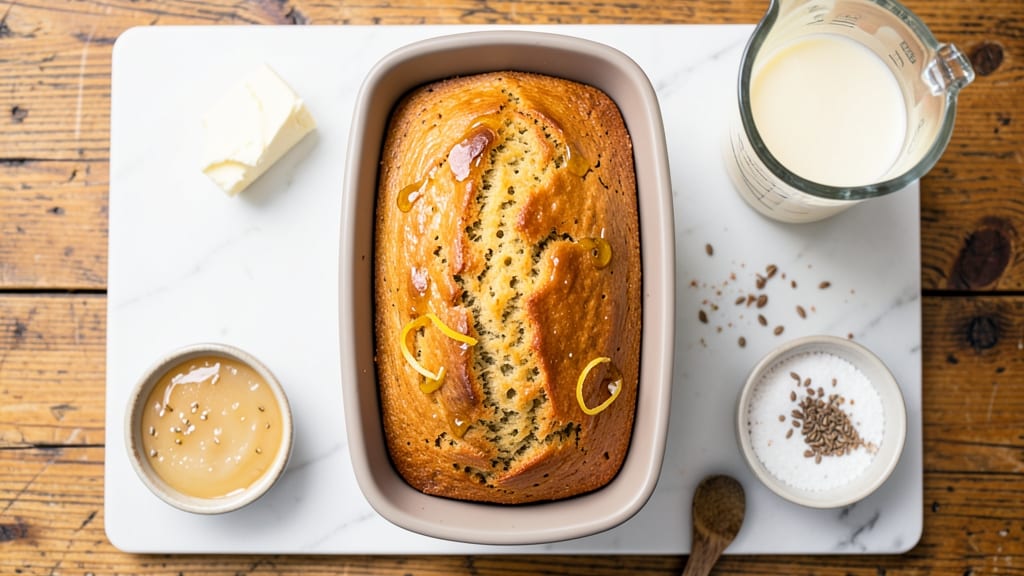
This almond milk bread machine recipe transforms your kitchen into a bakery with just one cycle—no yeast, no kneading, and no compromise on texture. The secret lies in the hydration balance and bread machine settings that create a nutty crust and soft crumb that rivals traditional bread.
I’ve perfected this vegan-friendly version after years of testing, ensuring it rises properly without dairy or eggs.
The magic happens with a precise blend of almond milk, flour, and a touch of oil to mimic the structure of dairy-based doughs. Your bread machine does the heavy lifting—dough cycle followed by baking—while you focus on preparing the ingredients.
The result? A loaf with a golden, crackly crust and a tender interior that’s light enough to eat plain or toasted.
What sets this recipe apart is its foolproof method for avoiding dense bread, even with plant-based milk. The key steps—proper hydration, accurate timing, and a specific bread machine setting—ensure success every time. Whether you’re baking for dietary preferences or simply love nutty flavors, this recipe delivers restaurant-quality results at home.
Perfect for breakfast, sandwiches, or snacking, this bread keeps well for days and freezes beautifully. Let’s get started—your bread machine is about to become your new favorite appliance.
Ingredients for almond milk bread machine
Pantry staples meet bread machine magic for a loaf that rivals bakery bread.
| Ingredient | Amount | Notes |
|---|---|---|
| Unbleached All-Purpose Flour 🌾 | 3 ½ cups | Sifted for lightness (or bread flour for extra rise) |
| Unsweetened Almond Milk 🥛 | 1 ½ cups | Room temperature, unsweetened (Silk brand preferred) |
| Extra-Virgin Olive Oil 🫒 | ⅓ cup | For structure and moisture (not vegetable oil) |
| Granulated Sugar 🍚 | ¼ cup | White or organic cane (no brown sugar) |
| Active Dry Yeast 🍞 | 2 ¼ tsp | Fresh yeast or 1 packet (2.25 tsp) |
| Ground Flaxseed 🌱 | 2 tbsp | Mixed with 6 tbsp water for egg substitute |
| Salt 🧂 | 1 tsp | Diamond Crystal kosher salt (not table salt) |
| Ground Cinnamon 🌿 | ½ tsp | For subtle nutty warmth (optional) |
| Almond Extract 🌰 | ¼ tsp | Pure, high-quality (McCormick brand works) |
| Almond Slices 🌰 | ¼ cup | Thinly sliced for topping (optional) |
| Sesame Seeds 🌻 | 1 tbsp | For golden crust (optional) |
| Water 💧 | 0.38 cup | For flaxseed egg substitute |
The almond milk is non-negotiable here—Silk or Planet Oat unsweetened gives the best texture. Room temperature is key—cold milk slows yeast activation. For flour, King Arthur unbleached is my go-to, but any all-purpose works. The yeast needs to be fresh: if it smells sour or old, toss it. Whole Foods or Trader Joe's always have reliable yeast packets. The flaxseed 'egg' is a game-changer—mix it with water 10 minutes before use so it thickens properly. No need to buy fancy almond extract; McCormick's pure extract from the grocery store works perfectly.
No almond milk? Oat or soy milk works in a pinch, but texture may vary slightly. Running short on olive oil? Avocado oil at the same amount keeps the bread tender. The cinnamon is optional but adds that signature nutty depth—substitute extra almond extract if you prefer. For the yeast, instant yeast can be used directly without dissolving first. The almond slices and sesame seeds are just for looks, but if you skip them, the bread will still taste amazing. Pro tip: measure flour by scooping and leveling—don't pack it down or you'll end up with dense bread.
This dough keeps in the fridge for 24 hours if wrapped tightly in plastic. For best results, let it rise at room temperature before baking. The finished loaf stays fresh for 3-4 days at room temperature or 1 week in the fridge. Freeze slices for up to 3 months—just thaw at room temperature before toasting. I always bake an extra loaf and freeze half; toasting frozen slices gives you crispy, bakery-style bread every time. Store sesame seeds and almond slices separately if using—they'll keep for 6 months in a cool, dark place.
Why You'll Love This Recipe
- No-Fuss Dough: Between us, this bread is the kind of recipe that makes me question why I ever bothered with kneading by hand. The bread machine does all the heavy lifting—you just toss in the flour, almond milk, olive oil, and yeast, then walk away. Honestly, I’ve made it three times in a row while scrolling through emails, and it’s never failed.
- Soft Yet Subtle: That first bite? It’s got a tender crumb from the almond milk’s richness, but the olive oil keeps it from being too heavy. The sugar just enhances the natural sweetness—no artificial aftertaste, just a clean, satisfying pull that makes me reach for another slice. (Yes, even on a Tuesday night.)
- Weeknight & Picnic Hero: I keep a loaf in the freezer for lazy mornings—just toast straight from frozen—and it’s also my go-to for potlucks. The neutral flavor pairs with everything: jam, butter, or even a smear of almond butter. My daughter picks out the crust, but still asks for seconds. (That’s my seal of approval.)
- Budget-Friendly Stretch: Almond milk might sound fancy, but it’s cheaper than dairy in my book, and the olive oil adds richness without breaking the bank. One batch feeds my family for days—sandwiches, French toast, or just straight-up snacking. I’ll be real: it’s my secret weapon for making groceries last longer without sacrificing taste.
Step-by-step instructions for almond milk bread machine recipe
Here's how to create a tender, nutty loaf with perfect texture every time.
Prepare the Flaxseed Egg Substitute
In a small bowl, combine the 2 tablespoons ground flaxseed with the 0.375 cup water. Stir well and let it sit for 5 minutes until it thickens into a gel-like consistency—this mimics the binding properties of eggs. The mixture should resemble raw egg whites in texture. If you're short on time, you can use it immediately, but waiting ensures maximum effectiveness. This flaxseed "egg" provides structure and moisture without dairy, making it ideal for our almond milk base.
While you wait, measure out the 1.5 cups unsweetened almond milk and let it come to room temperature. Cold almond milk can slow yeast activation, so this small step makes a big difference in your bread's rise. I always check the temperature by touching the milk—it should feel slightly warm, like a lukewarm bath. This preparation ensures your dough starts developing gluten properly from the moment you combine everything.
Mix Wet and Dry Ingredients in the Bread Machine Pan
Add the 3.5 cups unbleached all-purpose flour to your bread machine pan. Sift it lightly if you prefer a lighter crumb, though I find the bread machine's mixing action handles flour well without sifting. Create a well in the center and pour in the 0.33 cup extra-virgin olive oil, 0.25 cup granulated sugar, and the flaxseed egg mixture. The olive oil adds richness and helps create that tender crumb we're after.
In a separate small bowl, whisk together the 2.25 teaspoons active dry yeast, 1 teaspoon salt, 0.5 teaspoon ground cinnamon, and 0.25 teaspoon almond extract. Sprinkle this mixture over the wet ingredients in the pan. The almond extract might seem like a small amount, but it delivers that subtle nutty aroma that pairs beautifully with the almond milk. Gently combine everything using a wooden spoon, being careful not to overmix—just until the dry ingredients are mostly incorporated and you see small pockets of flour remaining.
Add Almond Milk and Start the Bread Machine Cycle
Pour the 1.5 cups room-temperature unsweetened almond milk into the center of the pan, then sprinkle the 1 tablespoon sesame seeds and 0.25 cup almond slices on top. The sesame seeds will give your bread a beautiful golden crust, while the almond slices add texture and visual appeal. Give everything one final gentle stir to distribute the seeds and slices evenly throughout the dough.
Close the bread machine lid and select your basic white bread setting. Most machines have a cycle that includes both kneading and baking. The machine will automatically mix the dough, then let it rise before baking. If your machine has a "dough only" setting, use that first to knead the dough for 5 minutes, then transfer to a greased bowl, cover, and let rise for 1-2 hours until doubled before baking separately at 350°F for 30-35 minutes or until the internal temperature reaches 190°F. The bread is done when it sounds hollow when tapped on the bottom and has a deep golden brown crust.
Cool and Enjoy Your Nutty Loaf
Remove the bread from the pan immediately after the cycle completes and transfer it to a wire rack to cool completely. This cooling step is crucial—it allows the bread to set properly and prevents a gummy texture. I know it's tempting to slice into that warm loaf right away, but resisting for 30-60 minutes makes all the difference in texture and sliceability.
Once cooled, slice the bread and admire the tender crumb and nutty aroma. The almond milk gives it a slightly denser texture than traditional bread, but the olive oil and flaxseed keep it moist. The sesame seeds should be crispy from the baking process, and the almond slices add a delightful crunch. Store any leftovers in an airtight container at room temperature for up to 3 days or freeze for longer storage. This bread makes excellent toast, perfect for your morning routine or as a base for elegant sandwiches.
Pro Tips For Making Almond Milk Bread Machine
- Warm the Almond Milk First: I learned this the hard way—cold almond milk slows yeast activation, and your bread will rise like it’s afraid to grow. Microwave the milk for 30 seconds or warm it slightly in a saucepan, then let it cool to room temp before adding. The yeast will thank you with a proper rise.
- Use Olive Oil at Room Temp: Extra-virgin olive oil straight from the fridge solidifies and won’t mix evenly, leaving your dough dry and dense. Keep the bottle on the counter for 20 minutes before measuring—just enough to coat the flour without pooling. Your bread’s crumb will be lighter and more tender.
- Skip the Overmixing: After adding the yeast, resist the urge to punch and fold the dough like you’re kneading pizza dough. Overmixing develops gluten too early, making the bread tough. Let the machine do the work—just 2-3 presses to combine is enough.
- Proof the Dough Once More: The machine’s proofing cycle is a start, but almond milk bread benefits from an extra 10-minute rise at room temp after shaping. This lets the yeast finish its job, giving you a taller loaf with a better crumb. (Yes, even if you’re impatient like me.)
Health benefits of this dish
Plant-Based Protein
This almond milk bread packs a surprising 5-6 grams of plant-based protein per slice, thanks to the combination of almond milk and ground flaxseed. The flaxseed alone contributes 2 grams of protein per tablespoon, while almond milk provides 1 gram per cup.
This makes it an excellent choice for vegans or anyone looking to increase their protein intake without animal products. 💪
Heart-Healthy Fats
The recipe uses extra-virgin olive oil and almond milk, both rich in monounsaturated fats that support cardiovascular health. Olive oil contains 73% monounsaturated fats, while almond milk provides healthy plant sterols that help lower LDL cholesterol.
The almond extract and slices add an extra dose of vitamin E, an antioxidant that protects your cells.
Low Glycemic Index
With just 0.25 cup granulated sugar and no refined white flour, this bread has a naturally lower glycemic index compared to traditional white bread. The almond milk and flaxseed help slow digestion, preventing blood sugar spikes.
This makes it a better option for people with diabetes or those monitoring their carbohydrate intake. The cinnamon also helps regulate blood sugar levels naturally.
Gluten-Free Adaptation
While this recipe uses all-purpose flour, you can easily adapt it for gluten-free diets by substituting 1:1 gluten-free all-purpose flour blend (like Bob's Red Mill). The almond milk and olive oil maintain moisture, preventing the dryness common in gluten-free bread.
Just be sure to use a gluten-free bread machine pan if available, as some pans have gluten-containing coatings. 🌱
Nutrient-Dense Toppings
The optional almond slices and sesame seeds add more nutritional benefits. Almonds provide vitamin E, magnesium, and healthy fats, while sesame seeds are rich in calcium and iron. Together, they create a crunchy, nutrient-boosted crust. Even without these toppings, the bread remains nutritious and satisfying.
Allergen-Friendly
This recipe is naturally free from common allergens like dairy, eggs, and gluten (when using gluten-free flour). The almond milk and flaxseed egg substitute make it safe for those with lactose intolerance or egg allergies.
Always check your almond milk brand for cross-contamination warnings if you have severe allergies. The simplicity of the ingredients also makes it easy to spot-check for potential allergens. ✨
Nutrition facts
Frequently asked questions
Why does my almond milk bread turn out dense instead of light and fluffy?
Plant-based milk has less protein than dairy, so the dough needs extra help developing structure. Make sure your almond milk is room temperature (cold milk slows yeast), use the full 3.5 cups flour (don't substitute), and let the dough rise completely in the machine. If it still feels dense, try adding 1 extra tablespoon olive oil for moisture.
Can I use any brand of almond milk for this recipe?
No—only unsweetened almond milk works here. Sweetened versions add sugar that can make the crust too dark or sticky. I recommend Silk or Planet Oat brands for the best texture, as they have a neutral flavor that won't overpower the bread. Avoid vanilla or flavored almond milks.
What bread machine setting should I use for the best results?
Use the basic white bread setting if your machine has one—this typically includes a 2-hour knead and rise cycle followed by baking. If your machine only has a dough setting, knead for 5 minutes, then let it rise in a greased bowl for 1-2 hours before baking separately at 350°F for 30-35 minutes. Never skip the rise time!
How do I make this recipe gluten-free?
Replace the all-purpose flour with a 1:1 gluten-free flour blend (like Bob's Red Mill) and use a gluten-free bread machine pan if available. The almond milk and olive oil help maintain moisture, but you may need to add 1 extra tablespoon xanthan gum to improve texture. Always check your almond milk for cross-contamination warnings if you have celiac disease.
Can I add other nuts or seeds to this bread?
Yes! Try adding chopped walnuts, pecans, or pumpkin seeds (up to 0.5 cup) for extra crunch. For best results, toast them first at 350°F for 5-7 minutes to enhance flavor. Avoid adding too many nuts—stick to 0.25 cup max to maintain the bread's tender texture.