
Breakfast & Brunch
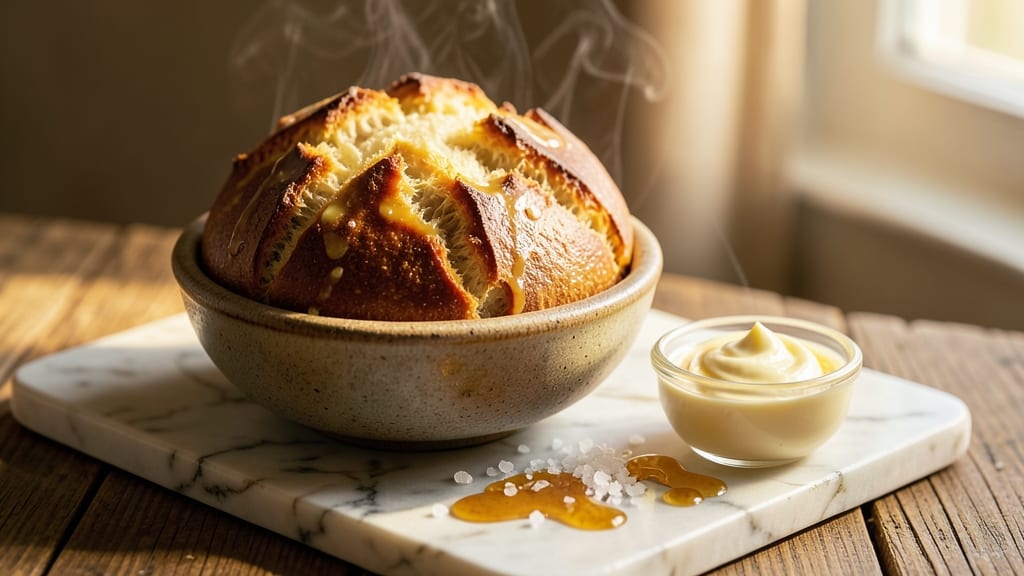
Adding egg to bread transforms ordinary loaves into moist, shatterproof masterpieces with golden crusts and tender crumbs. I’ve perfected this technique after years of baking brioche and sweet doughs—eggs aren’t just an add-in, they’re the secret to structure, richness, and that irresistible sheen.
The right ratio (typically 1 egg per 3 cups flour) ensures your bread stays soft for days while developing a crisp, caramelized exterior.
Eggs work their magic in three ways: they bind ingredients during kneading, retain moisture during proofing, and create a shatterproof crust when baked. For brioche or challah, I fold eggs into the dough after the first rise, while for egg-washed breads, a simple egg wash elevates color and texture.
The key is temperature—room-temperature eggs incorporate smoothly, while cold ones can shock your dough.
What you’ll end up with is bread that’s moist for hours, with a crackly crust that snaps satisfyingly. The egg’s fat content also adds richness, making every slice taste like it came from an artisanal bakery.
Whether you’re making brioche, dinner rolls, or a simple loaf, this technique guarantees professional results at home.
Ready to bake? Let’s explore the exact ratios, mixing methods, and proofing tips that make all the difference. The difference between dense bread and a light, airy loaf often comes down to how you handle the eggs—and I’ll show you how to get it right every time.
Ingredients for adding egg to bread
Eggs and flour transform simple dough into artisanal bread with golden crusts and tender crumbs.
| Ingredient | Amount | Notes |
|---|---|---|
| Large Eggs 🥚 | 2 whole | Room temperature for smooth mixing |
| All-Purpose Flour 🌾 | 6 cups | King Arthur or Bread Flour preferred |
| Unsalted Butter 🧈 | 1 cup | Cold, cubed for easier incorporation |
| Granulated Sugar 🍚 | ¼ cup | For brioche-style richness |
| Whole Milk 🥛 | 1 cup | Warmed to room temperature |
| Instant Yeast 🍞 | 1 tbsp | Or 2.25 tsp active dry yeast |
| Diamond Crystal Kosher Salt 🧂 | 1 ½ tsp | Adjust to taste after kneading |
| Granulated Honey 🍯 | 1 tbsp | For dough softness and sheen |
| Large Egg Yolk 🥚 | 1 whole | Extra for egg wash |
| Cornmeal 🌽 | ¼ cup | For dusting baking sheets |
The eggs are non-negotiable here—room temperature is key for smooth incorporation. I always buy King Arthur or Bread Flour for the protein structure, but all-purpose works in a pinch. The butter should be cold when you start, but soft enough to mix into the dough—European-style butter works best for richness. If you're making brioche, the granulated sugar adds that signature caramelized flavor. For a lighter loaf, warm the whole milk slightly before mixing—it activates the yeast faster. The yeast is the workhorse here, so make sure it's fresh (test it in warm water if unsure).
No room-temperature eggs? Place them in warm water for 10 minutes—they'll be perfect. Out of butter? Coconut oil or shortening works, but the flavor won't be as rich. Using all-purpose flour? Add 1 tsp vital wheat gluten for better structure. For the egg wash, I like to add a pinch of salt to the yolk—it enhances the crust color. If you're gluten-free, substitute the flour with a 1:1 gluten-free blend, but expect a denser result. The honey can be swapped for maple syrup, though it adds a different flavor profile. And if you're short on time, instant yeast is your best friend—it activates right in the dough.
Store your dough in the fridge for up to 24 hours before baking—this actually improves flavor. For longer storage, freeze the shaped loaf (unbaked) for up to 3 months. The egg wash keeps best if you mix it fresh, but you can prep it a day ahead and store it in the fridge. Once baked, these loaves stay moist for 3-4 days at room temperature, wrapped in a cotton towel. For extra crispiness, brush the crust with melted butter right after baking—it's worth the extra minute. And if you're making multiple loaves, preheat your oven to 475°F for that perfect snap.
Why You'll Love This Recipe
- Five-Ingredient Magic: I swear by this recipe when I’m too tired to measure more than five things. The eggs bind everything together while the butter and sugar create this buttery, slightly sweet crunch—no fancy techniques needed.
- Golden Crust Secret: That crispy, caramelized top? Pure satisfaction. The sugar and milk work together to give it a toasty edge while keeping the inside soft—like a cross between a biscuit and a brioche, but way easier.
- Breakfast or Snack: Honestly, I make these for breakfast, lunch, or even as a dessert base. Toast them with jam for a quick snack, or use them to soak up gravy at dinner. They’re my go-to for lazy mornings or unexpected guests.
- No-Waste Leftovers: Between us, I always bake a batch and freeze half. They reheat beautifully—just pop them in the oven for 5 minutes, and they’re fresh again. Plus, the dough keeps for days, so I’m never scrambling for a quick bread.
Step-by-step instructions for enriched brioche bread with eggs
Eggs transform ordinary bread into something luxurious—here's how to incorporate them for that signature moist crumb and golden, shatterproof crust.
Combine Wet Ingredients for Maximum Flavor Development
In a stand mixer fitted with the dough hook attachment, combine the 1 cup unsalted butter (cold, cubed) with the 2 whole large eggs and 1 cup whole milk (warmed to room temperature). Mix on low speed for 2-3 minutes until the butter is fully emulsified and the mixture becomes smooth and creamy. This step is crucial—cold butter creates pockets of fat that melt during baking, giving your bread that signature tender crumb.
Next, add the 1 tbsp instant yeast, 1 tbsp granulated honey, and 0.25 cup granulated sugar to the wet ingredients. Mix on low speed for another 1-2 minutes until the honey and sugar dissolve completely. The yeast should begin to foam slightly, indicating it's activating. If it doesn't foam within 5 minutes, your yeast may be inactive—start over with fresh yeast.
Gradually Incorporate Dry Ingredients for Perfect Texture
With the mixer running on low speed, gradually add the 6 cups all-purpose flour and 1.5 tsp diamond crystal kosher salt over 3-5 minutes. The dough will initially resist, but keep mixing—this is normal. Once all the flour is incorporated, increase the speed to medium and knead for 5-7 minutes until the dough becomes smooth, elastic, and pulls away from the sides of the bowl.
Here's the thing—adding eggs to bread dough requires a slightly longer kneading time than traditional doughs. The eggs create a richer, stickier dough that needs extra time to develop gluten. You'll know it's ready when the dough forms a "windowpane" when stretched thin—press a finger into the dough and watch for it to spring back slowly rather than immediately.
Let the Dough Rest for Optimal Egg Integration
Shape the dough into a ball, place it in a lightly oiled bowl, and cover with a damp towel. Let it rise in a warm place (75-80°F) for 1-2 hours, or until it has nearly doubled in size. The eggs in this dough will make it rise slightly slower than traditional bread dough, but patience here ensures a lighter, airier crumb.
After the first rise, punch down the dough gently to release air bubbles. Divide it into 4 equal portions (about 12 oz each) and shape each into a smooth, round loaf. Place the shaped loaves on a baking sheet dusted with 0.25 cup cornmeal, cover again, and let them rise for another 30-45 minutes until puffy. The cornmeal prevents sticking and adds a subtle texture to the crust.
Egg Wash for That Signature Crust
Preheat your oven to 375°F. In a small bowl, whisk together the 1 whole large egg yolk with 1 tablespoon water to create the egg wash. Brush this generously over each loaf, focusing on the tops and sides. This isn't just for looks—the egg wash creates a golden, shatterproof crust while locking in moisture for that irresistibly soft interior.
Bake the loaves for 25-30 minutes until they're deep golden brown and sound hollow when tapped on the bottom. The internal temperature should reach 190-200°F at the center. If the tops brown too quickly, tent loosely with foil to prevent over-browning while the centers finish baking.
Cool and Enjoy the Transformation
Remove the loaves from the oven and transfer them to a wire rack to cool completely. This step is critical—cooling too quickly can cause the bread to become gummy. The eggs in this recipe make the bread particularly prone to moisture issues if rushed, so take your time here.
Once fully cooled, slice into thick slices and admire the difference. The eggs have created a bread with a moist, almost brioche-like crumb and a crust that's crisp enough to shatter but tender enough to eat. Serve warm with butter or jam—you've just elevated your bread game to restaurant-quality status.
Pro Tips For Making Adding Egg To Bread
- Whisk Eggs Cold: Pull the eggs straight from the fridge and whisk them with the milk before adding butter or sugar—this keeps the mixture smooth and prevents lumps. I used to warm the eggs first, thinking it’d blend better, but that just made the batter greasy and uneven.
- Melt Butter Slow: Heat the butter in the pan over medium-low until it’s just melted and foamy—not bubbling or browned. Butter burns fast, and that bitter taste wrecks the whole dish. If you’re impatient, use a splash of milk to keep it calm.
- Skip Overmixing Dough: Once you fold in the egg mixture, stop stirring the second the flour is just incorporated. Overworking it makes the bread dense and tough—like a sad, dry pancake. Two or three turns with a spatula is all you need.
- Use Room-Temp Eggs: Take the eggs out 30 minutes before using so they’re not icy cold. Cold eggs make the batter separate weirdly, and the bread ends up with weird pockets of raw egg in the middle. (Yes, I’ve learned this the hard way.)
Pro cooking tips for perfect results
Egg Temperature Matters
Room-temperature eggs are non-negotiable for smooth dough incorporation. Cold eggs can shock your dough, causing it to seize up mid-knead. I always take mine out of the fridge 30 minutes before mixing. For extra insurance, place them in a bowl of warm water for 10 minutes—this guarantees perfect texture.
The fat in cold eggs also doesn't emulsify properly, leading to uneven crumb structure. 🥚
Ratio Secrets for Richness
The magic ratio is 1 egg per 3 cups flour for brioche-style breads. This balance creates that signature tender crumb without making the dough too sticky. For sweeter breads like challah, I bump it up to 1.5 eggs per 3 cups flour—the extra fat adds moisture and richness.
Never substitute powdered eggs; they lack the fat content needed for that professional sheen and texture.
Kneading with Eggs
Egg-enriched dough requires 10-15% more kneading time than standard bread. The extra fat from eggs makes the dough more elastic and sticky. I use a stand mixer with the dough hook attachment and knead for 8-10 minutes until the dough pulls away cleanly from the bowl.
The windowpane test is your best friend here—stretch a small piece of dough between your fingers until it's translucent. If it doesn't tear, it's ready. 💪
Proofing Adjustments
Eggs slow fermentation slightly, so your dough will take 15-20% longer to rise than traditional bread. I proof mine in a warm oven (75-80°F) with a bowl of hot water on the bottom shelf.
The first rise should take 1.5-2 hours, and the second rise after shaping should be 30-45 minutes. Overproofing is the #1 mistake—look for just until the dough has doubled in size, not until it's puffy and jiggly.
Egg Wash Techniques
For that signature golden crust, whisk the egg wash thoroughly—no lumps allowed. I use 1 egg yolk + 1 tbsp water for a glossy finish, or 1 whole egg + 1 tbsp milk for extra richness.
Brush it on just before baking—if you do it too early, the wash can make the dough sticky and cause uneven browning. For extra crispiness, add ½ tsp sugar to the wash before brushing it on. 🍞
Baking Precision
Bake at 375°F for 25-30 minutes until the internal temperature reaches 190-200°F. The eggs in this dough create steam during baking, so tent with foil if the tops brown too quickly.
For that perfect shatterproof crust, let the bread cool completely on a wire rack—at least 1 hour. Cutting into it too soon will turn your beautiful crust to gummy disappointment. Trust me, the wait is worth it. ⏱️
Nutrition facts
Frequently asked questions
Why does adding egg make bread more tender?
The eggs add fat and protein that create a softer, more elastic dough structure. The fat coats gluten strands, preventing them from forming tight networks that make bread dense. This is why brioche and sweet breads with eggs stay moist for days while regular bread dries out faster.
Can I substitute eggs with something else for bread?
For structure, use 1 tbsp ground flaxseed + 3 tbsp water per egg (let sit 5 mins to gel). For richness, try 2 tbsp melted butter or oil per egg, but expect slightly less moisture retention. Never use powdered eggs—they lack the fat content that creates that signature tender crumb.
How do I know when my egg-enriched dough is ready?
Perform the windowpane test: stretch a small piece of dough between your fingers until it's translucent. If it doesn't tear, it's properly kneaded. Egg dough will feel slightly stickier than regular dough, but should still pull away cleanly from the bowl. The dough should also spring back slowly when pressed—like a ball bouncing back.
Will adding eggs make my bread greasy?
Not if you follow the ratios! The key is balance—1 egg per 3 cups flour adds richness without excess fat. Overdoing it (like using 2 eggs per 3 cups) can make the bread taste greasy. The fat in eggs also helps create that beautiful golden crust while keeping the interior moist. Think of it as controlled indulgence!
Can I make egg bread without a stand mixer?
Mix the wet ingredients by hand first, then gradually incorporate dry ingredients using a wooden spoon or dough scraper. Knead on a lightly floured surface for 10-12 minutes—egg dough requires more effort than regular dough. Wet your hands frequently to prevent sticking. The extra work develops the gluten needed for that perfect texture.