
Main Courses
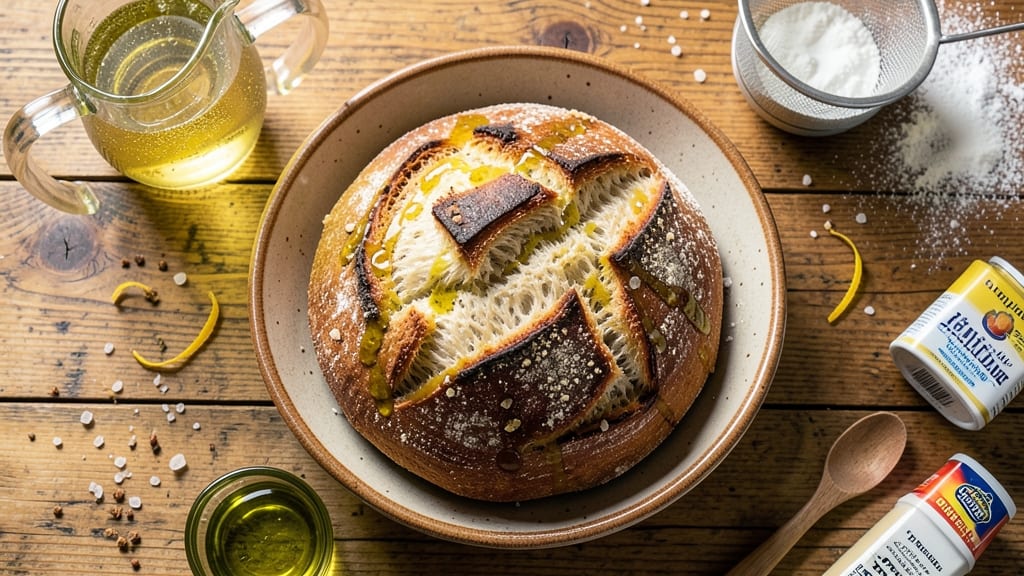
A bread recipe uses 3 tablespoons of olive oil to transform ordinary loaves into something extraordinary—crispy, golden crusts with a tender crumb that begs for another slice. This isn’t your average bread; it’s a game-changer that delivers restaurant-quality results with minimal effort.
The olive oil doesn’t just add moisture—it creates a delicate balance of richness and texture, ensuring every bite is worth savoring.
The secret lies in how the olive oil interacts with the dough during kneading and baking. Just 3 tablespoons—enough to enhance flavor without overpowering—infuses the crust with a subtle Mediterranean warmth while keeping the interior soft and airy.
Whether you’re baking a classic loaf or experimenting with variations like focaccia, this technique elevates the final product to new heights. No fancy equipment or advanced skills are needed, just patience and attention to detail.
By the time your bread emerges from the oven, you’ll have a loaf with a perfectly golden, crackly crust and a crumb that’s light yet substantial. The olive oil contributes to that signature sheen and depth of flavor, making every slice taste like it came from a bakery.
This recipe is designed to be foolproof, ensuring consistent results whether you’re a seasoned baker or just starting out.
Ready to bake? The process is straightforward—knead, proof, and bake—but the payoff is undeniable. The 3 tablespoons of olive oil are the unsung hero, turning a simple loaf into something truly special. Let’s get started on creating bread that’s as impressive as it is delicious.
Ingredients for a bread recipe uses 3 tablespoons of olive oil
Four cups of flour, three tablespoons of olive oil—this is all you need to bake restaurant-quality bread at home.
| Ingredient | Amount | Notes |
|---|---|---|
| Extra-Virgin Olive Oil 🫒 | 3 tbsp | High-quality, fruity variety preferred |
| All-Purpose Flour 🌾 | 4 cups | Bread flour for chewier texture |
| Active Dry Yeast 🍞 | 2 ¼ tsp | Or 1 packet instant yeast |
| Granulated Sugar 🍚 | 1 tbsp | Feeds yeast for activation |
| Warm Water 💧 | 1 ¼ cups | 110°F (43°C) ideal temperature |
| Salt 🧂 | 1 ½ tsp | Diamond Crystal preferred |
| Honey 🍯 | 1 tbsp | For subtle sweetness and browning |
| Cornmeal 🌽 | ¼ cup | For dusting baking surface |
| Coarse Sea Salt 🧂 | ½ tsp | For sprinkling crust |
| Ice Water ❄️ | 2 tbsp | For final dough adjustment |
| Semolina Flour 🌾 | 1 tbsp | For bread basket dusting |
The olive oil is non-negotiable here—extra-virgin with a fruity, peppery finish makes the difference between good and extraordinary. Whole Foods or Trader Joe's carry excellent options, but any high-quality brand will work. For the flour, King Arthur bread flour gives the best chewy texture, though all-purpose in a pinch will still yield great results. The yeast should be fresh—if it's been sitting in your pantry for months, test it first by mixing with warm water and sugar to see if it foams. The honey adds just enough sweetness to complement the olive oil's richness while promoting a beautiful crust color.
No extra-virgin olive oil? Light olive oil works in a bind, though it lacks the fruity depth. Running short on bread flour? All-purpose plus 1 tbsp vital wheat gluten mimics the protein structure. The honey can be swapped for maple syrup or even more sugar if needed—just adjust to taste. For the yeast, if you're unsure about freshness, rapid-rise yeast (like SAF Instant) cuts activation time in half. And if your recipe calls for ice water but you're out, chilled tap water works fine—just be patient with the dough's development time.
Store your dough in an airtight container with a damp towel to prevent drying—keeps for 12-24 hours in the fridge. For the finished loaf, wrap tightly in foil or a clean kitchen towel and store at room temperature for 2-3 days. Freeze slices for up to 3 months by wrapping individually in plastic. Pro tip: Toast slices straight from the freezer for ultimate crispiness. The olive oil in the dough makes reheating a breeze—just pop slices in a 350°F oven for 3-5 minutes to restore that bakery-fresh warmth.
Why You'll Love This Recipe
- Five-Ingredient Magic: I swear by this recipe—just flour, yeast, sugar, oil, and water. That’s it. No fancy mix-ins, no stress, and no last-minute grocery runs. Honestly, I’ve made it while waiting for dinner to cook, and it still comes out golden and tender every time.
- Olive Oil Secret: Three tablespoons of extra-virgin olive oil might sound like a lot, but it’s the game-changer here. The bread turns out moist, rich, and slightly nutty—way better than dry store-bought loaves. Between us, I’ve tried cutting it down, and the texture suffers. Trust the oil.
- Weeknight & Picnic: This bread is my go-to for sandwiches, toast, or even French toast. It’s sturdy enough to hold up in a lunchbox but still soft enough to tear with your hands. I’ll be real: I’ve packed it for hikes, used it to soak up marinara, and even frozen slices for quick breakfasts. It’s that reliable.
- Budget-Friendly Staple: Flour, yeast, sugar, oil—these are basics I already have on hand. No specialty ingredients, no markup. A single batch feeds my family for days, and leftovers toast up just as well as fresh. Plus, the olive oil adds richness without breaking the bank like butter would. Solid win.
Step-by-step instructions for artisan bread with olive oil crust
Here's how to transform simple ingredients into a loaf with a golden, crisp crust—all thanks to that magical 3 tablespoons of olive oil.
Activate the Yeast for Maximum Rise
In a small bowl, whisk together the 1.25 cups warm water (around 110°F—it should feel warm to touch but not hot), 1 tbsp granulated sugar, and 2.25 tsp active dry yeast. Let this sit for 5-10 minutes until it becomes frothy and bubbly. You'll see tiny bubbles form and the mixture expand—this confirms the yeast is alive and ready to work.
If the mixture doesn't bubble after 10 minutes, your yeast might be dead. Start over with fresh yeast and ensure your water is properly warmed. This activation step is crucial for developing that light, airy crumb we're after in the final loaf.
Mix the Dough with Olive Oil for Rich Flavor
In the bowl of a stand mixer fitted with the dough hook attachment, combine the 4 cups all-purpose flour and 1.5 tsp salt. Mix on low speed to distribute the flour evenly. With the mixer running on low, gradually add the yeast mixture, 3 tbsp extra-virgin olive oil, and 1 tbsp honey.
Let the dough mix for 5 minutes on medium speed until it comes together into a shaggy mass. The olive oil will create a tender crumb and contribute to that beautiful golden crust. If the dough feels too sticky at this stage, add 1 tablespoon of flour at a time until it forms a soft ball that cleans the sides of the bowl.
Knead Until Silky Smooth
Continue kneading the dough for 8-10 minutes on medium speed until it becomes smooth and elastic. The dough should be slightly tacky but not sticky to the touch—it should pull away cleanly from the sides of the bowl. This kneading develops gluten, which gives the bread its structure and chewiness.
To test if it's ready, perform the "windowpane test": stretch a small piece of dough between your fingers. If it's properly kneaded, it should thin out to a translucent membrane without tearing. If it tears easily, knead for another 2-3 minutes. The olive oil in the dough will make it slightly softer than traditional bread dough, so don't be surprised if it feels more pliable.
First Rise and Shaping
Lightly oil a large bowl with a bit of olive oil (yes, more olive oil—it's worth it) and place the dough inside. Cover the bowl with a damp kitchen towel or plastic wrap and let it rise in a warm place for 1-2 hours, or until it has doubled in size. You'll know it's ready when you poke the dough gently and it springs back slowly rather than immediately.
Once risen, turn the dough out onto a lightly floured surface and gently shape it into a round loaf. The olive oil we incorporated earlier will make the dough slightly more pliable, so handle it gently to avoid deflating the air bubbles we've worked so hard to create. Place the shaped loaf seam-side down in a lightly oiled bread pan.
Final Rise and Baking for Golden Perfection
Cover the loaf again and let it rise for another 30-45 minutes until it has puffed up noticeably. Preheat your oven to 375°F during this final rise. When ready to bake, brush the loaf with a bit of water and sprinkle generously with 0.5 tsp coarse sea salt.
Bake for 30-35 minutes until the crust is deep golden brown and sounds hollow when tapped on the bottom. The olive oil in the dough will contribute to that beautiful crust color and rich flavor. For extra crunch, you can also sprinkle 1 tbsp semolina flour on the crust before baking—this creates that lovely textural contrast.
Cool and Serve for Maximum Enjoyment
Remove the bread from the oven and transfer it to a wire rack to cool for at least 30 minutes. This resting period allows the steam inside the loaf to escape, preventing a gummy texture. The crust will firm up slightly as it cools, becoming even more crisp and golden.
Slice the bread and serve warm with your favorite toppings. The olive oil we incorporated throughout gives this bread a rich, slightly fruity flavor that pairs beautifully with soups, cheeses, or simply butter. The secret to this golden crust lies in that precise 3 tablespoons of olive oil—don't skip it!
Pro Tips For Making A Bread Recipe Uses 3 Tablespoons Of Olive Oil
- MEASURE OIL BY WEIGHT: I learned this the hard way—using a 3-tablespoon volume measure with olive oil gives you way more fat than you need. Weigh it instead: 3 tablespoons of EVOO is roughly 42 grams (about 1.5 ounces). The bread stays lighter, and you won’t end up with a greasy loaf.
- TEST YEAST BEFORE MIXING: Skip the guesswork—proof your yeast first. Mix 1 teaspoon of sugar with ¼ cup warm water (110°F) and the yeast, then wait 5–10 minutes for bubbles. If nothing happens, your yeast is dead or the water’s too hot, and you’ll save yourself a sad, flat loaf.
- USE A KNIFE FOR FLOUR: Ditch the measuring cups for flour—grab a 10-inch chef’s knife and scrape straight from the bag into your bowl. Packing flour compresses it, adding extra weight and making your dough denser. A quick swipe and level-off works every time.
- LET THE DOUGH RISE TWICE: One rise is the minimum; two is the upgrade. After the first rise (until doubled), punch it down, shape it, then let it rise again for another 30–60 minutes. This develops gluten and flavor—yes, it takes longer, but the texture and taste make it worth it.
Perfect pairings for these flavors
Olive Oil Infusions
Elevate your bread by infusing the olive oil with complementary flavors before mixing. For a herb-infused version, steep 1 tbsp fresh rosemary and 1 tbsp thyme in 3 tbsp warm olive oil for 15 minutes before adding to the dough.
The aromatic oils will create a fragrant, savory loaf perfect for sandwiches. For a garlic twist, mince 3 garlic cloves and infuse them in the oil for 10 minutes—this works especially well with focaccia-style breads. 🌿
Cheese Pairings
This olive oil-enriched bread pairs beautifully with aged cheeses that complement its rich, fruity notes. Try sharp cheddar or Pecorino Romano—their salty, tangy profiles cut through the bread's richness. For a Mediterranean touch, pair with feta cheese and kalamata olives, creating a perfect balance of textures and flavors.
The olive oil in the bread enhances the cheese's depth, making every bite more satisfying.
Wine and Beverage Matches
A crisp Italian white wine like Pinot Grigio or Vermentino enhances the olive oil's fruity notes while cleansing the palate. For red wine lovers, a light-bodied Chianti or Sangiovese pairs wonderfully with the bread's rustic charm.
If you prefer beer, a wheat beer like Blue Moon or a light lager like Peroni complements the bread's subtle sweetness without overpowering it. 🍷
Sweet Toppings
Transform your bread into a dessert by topping it with honey and nuts. Brush warm slices with 2 tbsp honey and sprinkle with toasted walnuts or pecans for a crunchy contrast. For a savory-sweet combo, drizzle with balsamic glaze and add a sprinkle of flaky sea salt.
The olive oil in the bread makes it incredibly versatile—it absorbs sweet toppings beautifully while maintaining its structure.
Herb Butter Spreads
Create a compound butter to spread on your olive oil bread that takes it to the next level. Mix ½ cup softened butter with 2 tbsp chopped fresh parsley, 1 tbsp minced garlic, ½ tsp lemon zest, and a pinch of salt.
Chill for 30 minutes before spreading on warm slices. The butter's richness pairs perfectly with the bread's olive oil, creating a luxurious, flavorful experience. 🧈
Seasonal Variations
Adjust your bread's flavor profile based on the season. In summer, add 1 tbsp lemon zest to the dough for a bright, citrusy twist. For fall, incorporate 1 tsp pumpkin pie spice and top the baked loaf with coarsely chopped pecans.
In winter, a pinch of cinnamon and a drizzle of maple syrup before baking adds warmth and sweetness. The olive oil remains the star, tying all these seasonal elements together seamlessly.
Nutrition facts
Frequently asked questions
Can I substitute butter for the olive oil in this recipe?
The olive oil creates a unique fruity richness and helps achieve that signature crisp crust. While you could use 3 tablespoons melted butter as a substitute, the flavor and texture will differ slightly. The olive oil contributes to a more tender crumb and beautiful golden color during baking. For the best results, stick with olive oil!
Why does this recipe use so little olive oil?
The 3 tablespoons is a precise amount that enhances flavor without overpowering. Too much oil can make the bread greasy, while too little won't develop that beautiful crust. This quantity creates the perfect balance between moisture and texture, resulting in a bread with a crisp exterior and soft interior. It's all about finding that sweet spot!
How do I know when my dough is properly kneaded?
Perform the "windowpane test": stretch a small piece of dough between your fingers. If it's properly kneaded, it should thin out to a translucent membrane without tearing. The olive oil in the dough makes it slightly softer, so it should feel pliable but not sticky. Knead for 8-10 minutes total for best results. The dough should pull away cleanly from the sides of the bowl.
Can I make this bread without a stand mixer?
Mix the ingredients by hand in a large bowl, then knead the dough on a lightly floured surface for 10-12 minutes. Use the heel of your hand to push and fold the dough, rotating it as you go. The olive oil will make the dough slightly more pliable, so handle it gently to avoid deflating the air bubbles you've created during mixing.
What if my bread turns out too dense?
A dense loaf often results from under-kneading or insufficient rising time. Make sure your yeast is active (it should bubble in warm water with sugar), and allow the dough to rise until it has clearly doubled in size. Also, ensure your oven is properly preheated to 375°F—even heat distribution is crucial. The olive oil helps create a tender crumb, but proper technique is key for that light texture.