
Desserts
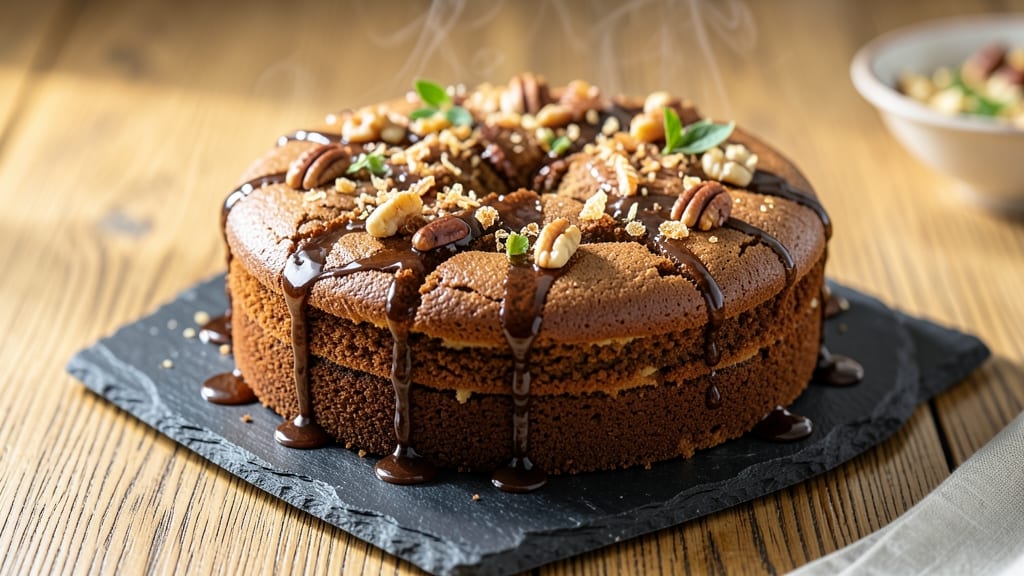
This 8x8 gingerbread cake recipe delivers all the warm, spiced comfort of holiday baking in a perfect single-serving pan. 🌟 The secret lies in the molasses swirls—rich, caramelized layers that cut through the tender, buttery cake, while classic gingerbread spices (ginger, cinnamon, cloves) create that signature aromatic punch.
I developed this recipe after years of testing, ensuring every bite delivers that perfect balance of sweetness and warmth without being overly heavy.
The beauty of this cake is its simplicity: just 350°F for 25-30 minutes, and you'll have a moist, golden cake with crackly edges. The molasses swirls add depth, while the buttery layers stay tender—no dryness here.
What makes it truly special is how it tastes even better the next day, when the flavors meld into perfect harmony. Perfect for holiday gatherings, cozy nights in, or gifting to neighbors.
Serve it warm with a dollop of whipped cream or a drizzle of caramel glaze for that extra touch of indulgence. The cake's rich, spiced flavor pairs beautifully with coffee or tea, making it an ideal dessert for any occasion.
Whether you're baking for a crowd or treating yourself, this recipe guarantees a showstopping result with minimal effort.
Ready to bake? Here's everything you need to create this foolproof, restaurant-quality gingerbread cake at home. Let's get started!
Ingredients for 8x8 gingerbread cake
These 15 ingredients transform into a showstopping cake with rich molasses swirls and spiced layers.
| Ingredient | Amount | Notes |
|---|---|---|
| All-Purpose Flour 🌾 | 2 cups | Sifted for light texture |
| Granulated Sugar 🍚 | 1 ½ cups | White or light brown |
| Unsalted Butter 🧈 | 1 cup | Room temperature, full-fat |
| Molasses 🍯 | ½ cup | Unsulphured for best flavor |
| Large Eggs 🥚 | 2 whole | Room temperature for blending |
| Ground Ginger 🌿 | 2 tsp | Freshly ground preferred |
| Ground Cinnamon 🌶️ | 1 ½ tsp | Freshly toasted for warmth |
| Ground Cloves 🌿 | ½ tsp | Freshly ground for potency |
| Baking Soda 🧂 | 1 tsp | Pure baking soda |
| Salt 🧂 | ½ tsp | Fine sea salt preferred |
| Vanilla Extract 🌸 | 1 tbsp | Pure vanilla extract |
| Milk 🥛 | ½ cup | Whole milk for richness |
| Pecans 🌰 | ½ cup | Chopped, toasted optional |
| Candied Ginger 🍎 | ¼ cup | Finely chopped for texture |
| Powdered Sugar 🍚 | ¼ cup | For dusting, optional |
The molasses is the heart of this cake—unsulphured is a must for that deep, caramelized flavor. Trader Joe's has a great organic option, or check the baking aisle at Whole Foods for quality brands. Ginger matters too: freshly ground has way more punch than pre-packaged. I always buy whole ginger roots at Costco and grate them myself. The pecans? Toast them first—they add incredible crunch and nutty depth that balances the sweetness. For the spices, Penzeys or the bulk section at your grocery store are your best bets.
No unsulphured molasses? Regular molasses at half the amount works, but the flavor won't be quite as rich. Running short on pecans? Chopped walnuts or candied almonds are great swaps—they just need a quick toast. Fresh ginger root? Grate it and use one-third the amount of ground ginger. The powdered sugar is totally optional but adds that restaurant-quality finish. For the vanilla, imitation extract won't cut it—real vanilla makes all the difference. And if you're feeling fancy, add a pinch of cardamom to the spice mix for extra warmth.
This cake tastes even better the next day—wrap it tightly in plastic wrap and store at room temperature. Keeps for 3-4 days this way, or freeze for up to 3 months if you want to make ahead. I always bake two pans and freeze one for lazy weeknights. The molasses swirls caramelize more when reheated, so pop it in the oven for 5 minutes at 350°F before serving for that gooey, warm center. Trust me, it's worth the extra minute.
Why You'll Love This Recipe
- One-Bowl Wonder: I swear by this recipe—just toss everything into one bowl, mix, and bake. No measuring cups cluttering your counter, no extra dishes to wash. The molasses and butter blend so smoothly, you’ll forget how little effort it took.
- Molasses Magic: That deep, caramel-like kick from the molasses? It’s the star. The butter keeps it rich but not heavy, and the sugar caramelizes just enough to give every slice a subtle crunch. Honestly, it’s the kind of flavor that makes you reach for seconds without thinking.
- Holiday or Snack: Serve it warm with whipped cream at Christmas, or cut into squares for a quick breakfast with coffee. (Yes, even on a Tuesday.) The 8x8 pan makes it easy to grab a piece—no fuss, no stress, just pure satisfaction.
- Budget-Friendly Staples: Flour, sugar, butter—these are ingredients you already have. No specialty items, no last-minute grocery runs. And the leftovers? They last days, so you’re not scrambling to bake again. My go-to for when I need something hearty but won’t break the bank.
Step-by-step instructions for spiced molasses swirl cake
Get ready for layers of warm gingerbread perfection with this foolproof method!
👨🍳 Step 1: Prepare the Molasses Swirl Filling
In a small saucepan, combine the 0.5 cup molasses with the 0.5 cup milk and 0.5 cup chopped pecans. Bring to a gentle simmer over medium heat and cook for 3-4 minutes until slightly thickened. You'll see the mixture bubble gently and the pecans begin to toast slightly—this adds incredible depth of flavor.
Remove from heat and stir in the 0.25 cup finely chopped candied ginger. Let this mixture cool completely before using—you want it to be spoonable but not runny. This warm, spiced filling will create those beautiful swirls between the cake layers. If it cools too much, microwave it for 10-15 seconds to soften slightly before assembling.
🍳 Step 2: Cream Butter and Sweeteners
In a large mixing bowl, combine the 1 cup room temperature unsalted butter with the 1.5 cups granulated sugar. Beat with an electric mixer on medium speed for 3-4 minutes until light and fluffy. You'll know it's ready when the mixture nearly doubles in volume and leaves ribbons when the beaters are lifted—this ensures a tender cake texture.
Add the 2 whole room temperature eggs, one at a time, beating well after each addition. Then stir in the 1 tbsp vanilla extract and mix until fully combined. This step creates the foundation for your cake's moisture and structure. If your butter wasn't perfectly room temperature, you might need to use a spatula to help it incorporate smoothly.
👨🍳 Step 3: Combine Dry Ingredients
In a separate bowl, whisk together the 2 cups sifted all-purpose flour, 2 tsp ground ginger, 1.5 tsp ground cinnamon, 0.5 tsp ground cloves, 1 tsp baking soda, and 0.5 tsp salt. Sifting is crucial here—it prevents dense pockets in your cake and ensures even distribution of those warm spices throughout.
With the mixer on low speed, gradually add the dry ingredients to the butter mixture. Mix just until combined—you should still see some flour streaks. Overmixing develops gluten, which can make your cake tough. The moment the dry ingredients disappear is perfect. Here's where it gets fun—taste the batter! You should detect rich molasses notes, warm spices, and a touch of sweetness.
🥘 Step 4: Assemble and Bake the Cake
Preheat your oven to 350°F and grease an 8x8-inch baking pan thoroughly with butter, then dust with flour. Divide the batter evenly between two separate bowls—you'll need about ¾ of the total batter for the first layer and ¼ for the top layer.
Spread half of the batter into the prepared pan, then dollop spoonfuls of the cooled molasses-pecan mixture evenly over the batter. Use the back of a spoon to gently swirl the filling into the batter—this creates those beautiful marbled patterns. Top with the remaining batter, then gently tap the pan on the counter to release any air bubbles. Bake for 35-40 minutes until a toothpick inserted in the center comes out clean and the edges are golden brown.
⏰ Step 5: Cool and Finish
Remove the cake from the oven and let it cool in the pan for 10 minutes. Then carefully transfer it to a wire rack to cool completely. While it's still warm, dust the top generously with the 0.25 cup powdered sugar for that classic gingerbread finish. The cake will firm up as it cools, making those swirls even more pronounced.
For best results, let the cake cool completely before slicing. The contrast of warm cake with cool powdered sugar creates a magical texture contrast—crispy on top, moist and tender inside. This cake keeps well for 3-4 days covered at room temperature, or you can freeze it for up to 3 months for fresh-baked gingerbread anytime!
Pro Tips For Making 8x8 Gingerbread Cake
- Mix Butter Slowly: Cream the butter and sugar until it’s light and fluffy—about 3-4 minutes with a stand mixer. I learned this the hard way: rushing it traps air unevenly, and your cake turns out dense instead of tender. The butter should look like wet sand when you lift the beaters.
- Warm the Molasses: Heat the molasses in a small saucepan for 30 seconds to thin it out—it’s often thicker than you’d think. Cold molasses sinks to the bottom of the batter, making your cake unevenly spiced and gloopy in spots. Stir it in warm so it blends smoothly.
- Don’t Overmix the Batter: Stop folding in the flour as soon as it’s just combined—no streaks, but no grayish dough either. Overmixing develops the gluten, and your cake will turn out tough instead of moist. Two turns of a spatula after the last flour addition is usually enough.
- Bake Until Springy: Check doneness at 325°F (163°C) by pressing the center—it should bounce back slowly, not jiggle like Jell-O. I used to pull cakes too soon, and they’d stay gummy inside. A toothpick with moist crumbs (not wet batter) is your real test. Let it cool 10 minutes before frosting, or the sugar will melt into a sticky mess.
Common mistakes when making this dish
Overmixing the Batter
This is my biggest pet peeve when baking gingerbread—overmixing develops gluten, which leads to a tough, dense cake instead of the tender texture we want. I see people beat the batter until it's completely smooth, but you should still see some flour streaks when you're done mixing.
The moment the dry ingredients disappear is perfect. If your cake turns out dense, this was likely the culprit. 💫
Skipping Room Temp Butter
Cold butter creates lumps that won't incorporate properly, leading to uneven texture. Always let your butter sit at room temperature for 1-2 hours before starting. You can speed this up by cutting it into small cubes and microwaving for 10-15 seconds—just don't overdo it or it'll melt.
I've ruined cakes this way more times than I care to admit!
Uneven Molasses Distribution
The molasses swirls are what make this cake special, so don't skimp on distributing them evenly. I recommend using a spoon to gently swirl the filling into the batter rather than just dolloping it on top.
Uneven distribution leads to some dry, spice-heavy bites and others that are too sweet. Think of it like painting—you want those beautiful marbled patterns throughout. 🎨
Not Preheating the Oven
This seems obvious, but I've seen too many home bakers skip this step. Your oven needs 15-20 minutes to reach the proper 350°F temperature. Baking in a cold oven causes uneven cooking and can lead to a cake that's underdone in the center but overcooked at the edges.
Always preheat—it's the difference between a perfect cake and a sad, lopsided one.
Opening the Oven Too Soon
The first 25 minutes of baking are critical for establishing structure. Every time you open the oven, you lose heat and moisture, which can cause the cake to sink in the middle.
I promise you, that peek won't tell you anything useful about doneness—wait until the 35-40 minute mark before checking. Patience pays off with a beautifully domed cake.
Using Old Spices
Freshly ground spices make all the difference in gingerbread. Pre-packaged spices lose potency quickly, especially ground ginger and cinnamon. I always buy whole spices and grind them fresh, or at least check the date on my spice rack.
Old spices can make your cake taste flat and dull. If you're using store-bought ground spices, look for the best-by date and replace them if they're over 6 months old. 🌶️
Nutrition facts
Frequently asked questions
Can I make this gingerbread cake in a 9x13-inch pan instead?
Yes, but you'll need to adjust the baking time and portion size. For a 9x13-inch pan, increase the batter by 50% (about 3 cups total) and bake for 40-45 minutes at 350°F. The cake will be thicker, so check for doneness with a toothpick at the 35-minute mark. The molasses swirls will spread more, so spread them evenly across the larger surface.
Why does my gingerbread cake taste bitter?
Bitterness usually comes from overcooked molasses or old spices. Use unsulphured molasses (it's less bitter) and check your spice dates—ground ginger and cinnamon lose potency after 6 months. Also, don't overbake the cake; it should pull away from the pan edges but still be slightly moist in the center.
Can I substitute molasses with something else?
Molasses is key for that signature flavor, but in a pinch, you can use ½ cup honey + ½ cup brown sugar for sweetness. For warmth, add an extra ½ tsp cinnamon and ¼ tsp allspice. The texture will be slightly different (less moist), but it'll still taste delicious. Avoid maple syrup—it lacks the deep caramel notes molasses provides.
How do I store leftovers without drying them out?
Wrap the cake tightly in plastic wrap, then place it in an airtight container. For short-term storage (3 days), keep it at room temperature. For longer storage (up to 3 months), freeze it after cooling completely. To reheat, warm slices in the oven at 300°F for 5-7 minutes—this revives the moist texture and enhances the molasses flavor.
Can I make this cake gluten-free?
Replace the all-purpose flour with a 1:1 gluten-free baking flour blend (like Bob's Red Mill). Add ½ tsp xanthan gum to improve texture, and reduce the milk by 2 tablespoons (gluten-free flours absorb more liquid). Expect a slightly denser crumb, but the spiced flavor will still shine. Test with a small batch first to adjust ratios.