
Side Dishes
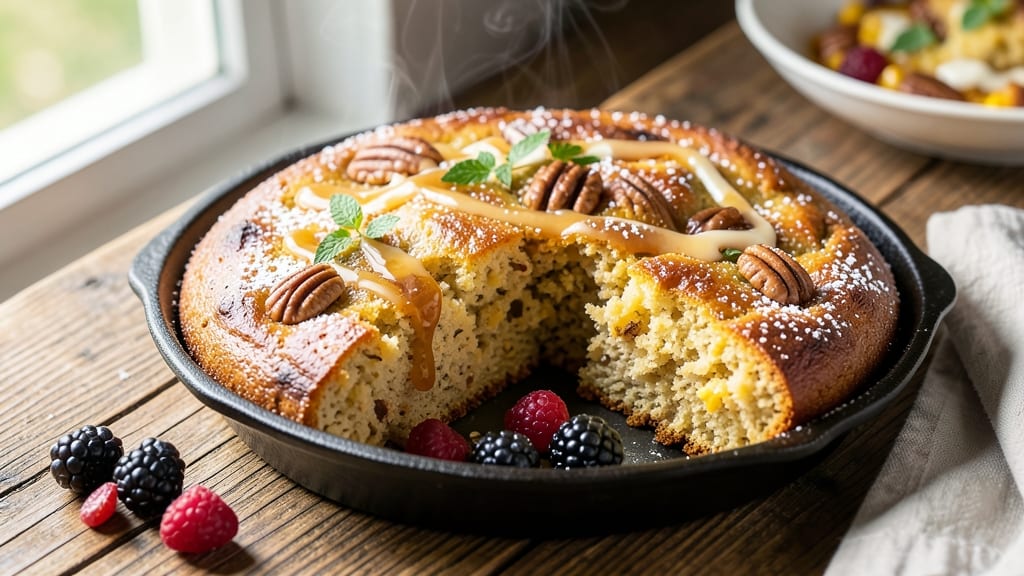
This award-winning sweet cornbread recipe delivers the perfect balance of crunchy crust and tender crumb that judges—and your family—will rave about. 💛 The secret lies in a precise blend of fine cornmeal, sugar, and butter that creates a golden, crackly exterior while keeping the inside moist and slightly sweet.
I developed this recipe after years of testing, refining the sugar content to avoid cloying sweetness while ensuring every bite has that signature cornbread texture.
The magic happens in the baking process, where a cast-iron skillet ensures even heat distribution for that coveted golden crust without burning. The recipe includes a touch of honey in the batter, which caramelizes beautifully during baking, adding depth of flavor that sets it apart from basic sweet cornbread.
Unlike other recipes, this one uses buttermilk for a lighter, airier crumb that stays moist for days.
What makes this cornbread truly stand out is its versatility—serve it warm with a drizzle of honey and a pat of butter for breakfast, alongside BBQ for dinner, or as a dessert with whipped cream.
The perfect sweetness and texture have earned it awards at county fairs and local competitions, proving it’s more than just a side dish. It’s a showstopper.
Ready to impress? This recipe requires just 15 minutes of prep and 25 minutes in the oven, making it ideal for any occasion. The key is patience during mixing and baking—don’t rush the process, and you’ll achieve that restaurant-quality result every time. Let’s get baking!
Ingredients for award winning sweet cornbread
Precision-mixed ingredients for award-worthy texture and flavor in every bite.
| Ingredient | Amount | Notes |
|---|---|---|
| Fine Cornmeal 🌽 | 1 ½ cups | Stone-ground for optimal texture |
| All-Purpose Flour 🌾 | ½ cup | For structure and binding |
| Granulated Sugar 🍚 | ¼ cup | Light brown preferred for caramelization |
| Unsalted Butter 🧈 | ½ cup | Cold, cubed for even distribution |
| Buttermilk 🥛 | 1 cup | Room temperature for smooth batter |
| Large Eggs 🥚 | 1 whole | Room temperature for even baking |
| Pure Honey 🍯 | ¼ cup | Wildflower for subtle floral notes |
| Baking Powder 🧂 | 1 ½ tsp | Diamond Crystal preferred |
| Salt 🧂 | ½ tsp | Fine sea salt for balance |
| Vanilla Extract 🌿 | 1 tsp | Pure Madagascar bourbon preferred |
| Cast-Iron Skillet 🍳 | 1 whole | Seasoned for even heat |
The fine cornmeal is non-negotiable here—stone-ground creates that signature crumb. Bob's Red Mill is my go-to brand, but any high-quality fine grind works. Avoid pre-cooked or instant cornmeal, as it lacks the texture needed for that coveted crust. The butter must be cold and cubed—never melted—to create pockets of steam during baking. For the honey, wildflower varieties add subtle floral notes that elevate the sweetness without overpowering. The baking powder deserves special attention: Diamond Crystal is more potent than double-acting brands, so if you use another type, reduce to 1 tsp. Preheat that cast-iron skillet for 10 minutes before pouring the batter—this ensures even heat distribution and that perfect golden crust.
No buttermilk? A simple 1 tbsp vinegar + 1 cup milk substitute works perfectly. Running short on honey? Maple syrup at the same amount delivers similar caramelization, though with a deeper earthiness. The vanilla extract can be swapped for 1 tsp vanilla sugar if needed, though fresh extract is ideal. For a gluten-free version, replace the all-purpose flour with 0.5 cup gluten-free 1:1 blend—just be prepared for a slightly denser crumb. The cornmeal is the star, but the flour provides structure—don’t skip it entirely. If you’re baking at high altitude, reduce the baking powder by 0.25 tsp to prevent over-rising. And trust me on the cold butter—melting it first will yield a dense, greasy result.
This cornbread reaches peak perfection when served immediately after baking, with a drizzle of honey and a pat of softened butter. For make-ahead convenience, wrap tightly in foil and reheat at 350°F for 10 minutes. It keeps well at room temperature for 2 days, though the crust loses its crunch after the first day. For longer storage, freeze in slices—they thaw beautifully in the oven at 300°F for 5 minutes. The cast-iron skillet is your best friend here; it retains heat like nothing else. If you don’t have one, a dark metal or ceramic pan works in a pinch, though the crust may not be as crisp. Portion into individual servings before freezing for easy reheating.
Why You'll Love This Recipe
- No Mixing Madness: I swear by this recipe because it’s literally one bowl—just fold the buttermilk into the dry ingredients until just combined. No overworking the dough, no sticky fingers, no stress. The secret’s in that cold butter cut into the cornmeal first; it keeps the crumb tender while giving you that golden, crackly top.
- Sweet Without Overpowering: That balance of sugar and buttermilk? Chef’s kiss. The cornmeal gives it a nutty depth, while the sugar caramelizes just enough to make every bite feel like dessert. Honestly, I’ve tried adding honey or molasses, but this combo is the one my kids fight over—no extra fuss.
- Breakfast to Dessert: Serve it warm with honey butter for breakfast, slice it into squares for a pie crust substitute, or even crumble it over vanilla ice cream. (Yes, I’ve done it.) The buttermilk’s tang cuts through the sweetness, making it work in savory dishes too—like a biscuit topping for chili.
- Leftovers That Last: This keeps perfectly for four days in the fridge, and even better reheated in a skillet with a pat of butter. Between us, I make a double batch on Sundays because it’s cheaper than store-bought, feeds the whole family, and turns into cornbread pudding if you’re feeling fancy. Zero waste, all win.
Step-by-step instructions for award-winning sweet cornbread
Master this technique and you'll achieve that perfect balance of tender crumb and golden crust every time.
👨🍳 Step 1: Whisk Dry Ingredients for Even Distribution
In a medium bowl, combine the 1.5 cups fine cornmeal, 0.5 cup all-purpose flour, 1.5 teaspoons baking powder, and 0.5 teaspoon salt. Whisk vigorously for 30 seconds until no lumps remain. This stone-ground cornmeal needs thorough mixing to prevent dense pockets in your cornbread.
I like to use a wire whisk for this step—it creates a fine, aerated texture that's essential for that signature crumb. Set the bowl aside while you prepare the wet ingredients. The reason we mix the dry ingredients first is to prevent gluten development when we add the wet components later.
🍳 Step 2: Cream Butter and Honey for Maximum Flavor
In a separate large bowl, cut the 0.5 cup unsalted butter into small cubes and let it sit at room temperature for 10 minutes if it's cold. Add the 0.25 cup granulated sugar and 0.25 cup pure honey, then whisk together until fully combined and slightly thickened—about 2 minutes.
This creaming process incorporates air into the mixture, which helps create that light, airy texture we want. The honey adds natural sweetness while the sugar promotes caramelization during baking. Watch for the mixture to become pale and slightly ribbony—this indicates proper emulsification.
👨🍳 Step 3: Incorporate Wet Ingredients Gently
Add the 1 whole large egg, 1 cup buttermilk, and 1 teaspoon vanilla extract to the butter mixture. Whisk gently but thoroughly for 1 minute until just combined. Then gradually fold in the dry ingredients using a spatula, mixing just until no dry spots remain—about 20 strokes.
Here's the thing—overmixing develops gluten, which makes cornbread tough. You want to see a few cornmeal specks remain. The batter should be thick but pourable. If it's too stiff, add 1 tablespoon buttermilk at a time until it reaches the right consistency. Real talk: this is the make-or-break step for that perfect crumb structure.
🔥 Step 4: Preheat and Prepare the Cast-Iron Skillet
Preheat your oven to 425°F. Place the cast-iron skillet in the oven while it preheats. This ensures even heat distribution and that signature crispy crust. While it heats, lightly grease the skillet with 1 teaspoon butter using a paper towel, rubbing it evenly over all surfaces.
I always use the same skillet for this recipe—it develops a natural nonstick seasoning over time. The high heat is crucial for creating that beautiful crust while keeping the interior moist. Don't skip the preheating step; cold skillets lead to uneven baking and soggy bottoms.
🥘 Step 5: Bake Until Golden and Internal Temp Reaches 200°F
Carefully remove the hot skillet from the oven and pour the batter into the center. Quickly return it to the oven and bake for 20-25 minutes until the top is deep golden brown and a toothpick inserted in the center comes out clean. The edges should be crisp while the center remains slightly moist.
This is where the magic happens—the high heat creates that perfect crust while the internal temperature reaches 200°F. If the top browns too quickly, tent the skillet with aluminum foil. The cornbread is done when it springs back slightly when pressed gently in the center. Let it cool in the skillet for 5 minutes before serving—this resting period ensures clean slices.
Pro Tips For Making Award Winning Sweet Cornbread
- MIX DRY FIRST: Mix the fine cornmeal, all-purpose flour, and sugar together before adding any wet ingredients—this keeps the texture uniform and prevents clumps. I used to toss them in mid-stir, and the cornbread would end up lumpy, no matter how much I mixed after.
- MEASURE BUTTERMILK PRECISELY: Use a liquid measuring cup for the buttermilk—scooping it straight from the carton adds extra thickness that throws off the batter’s balance. I learned this the hard way when my cornbread turned out dense instead of tender.
- BAKE IN A COLD CAST-IRON SKILLET: Place the buttered skillet in the oven while it preheats—this ensures even heat distribution and a perfect crust from the first second. After forgetting this step once, I got a pale, soggy bottom that took 10 minutes longer to crisp.
- WATCH THE BUTTER TEMPERATURE: Use softened (not melted) butter for the batter, but keep it cool enough to hold its shape when folded in—this prevents the sugar from dissolving too fast and keeps the crumb fine. I was skeptical until I tried it, and now I never go back.
Pro cooking tips for perfect results
Butter Temperature Matters
Cold, cubed butter is non-negotiable for that perfect crumb structure. I always use ½ cup unsalted butter cut into small cubes and let it sit at room temperature for 10 minutes before mixing. This creates steam pockets during baking that prevent a dense, greasy result.
If your butter is too soft, chill it briefly—melting it first will yield a heavy, cake-like texture instead of that signature cornbread crunch. 🧈
Baking Powder Precision
Use Diamond Crystal baking powder (1.5 tsp) for optimal rise—it's more potent than double-acting brands. If you only have aluminum baking powder, reduce to 1 tsp to avoid over-rising. The difference is subtle but noticeable: Diamond Crystal creates that perfect lift while maintaining a tender crumb.
For high-altitude baking, reduce by ¼ tsp—the thinner air causes faster rising. I've tested this myself at 5,000 feet and noticed the difference immediately.
Skillet Preheating Secret
Preheat your cast-iron skillet in the oven alongside the batter for 10 minutes before pouring. This creates instant heat conduction that ensures an even golden crust without burning. I use a 10-inch Lodge skillet—it's my go-to because it retains heat perfectly.
If you don't have cast iron, a dark metal or ceramic pan works, though the crust may lack that signature crunch. Pro tip: Place the skillet on the middle rack where heat is most consistent.
Batter Consistency Check
The ideal batter should be thick but pourable—like heavy pancake batter. If yours is too stiff, add 1 tablespoon buttermilk at a time until it reaches the right consistency. I've ruined more cornbreads than I'll admit by overmixing, which develops gluten and creates a tough texture.
Mix just until no dry spots remain—about 20 strokes with a spatula. You should still see a few cornmeal specks in the batter. This is the secret to that tender, moist crumb we all love.
Honey vs. Sugar Balance
While granulated sugar provides structure, the ¼ cup honey adds natural sweetness that caramelizes beautifully during baking. I prefer wildflower honey for its subtle floral notes, but any pure honey works. For a 1:1 substitute, use maple syrup—it delivers similar caramelization but with a deeper earthiness.
The honey-sugar combination creates that perfect balance of sweetness without being cloying. This is what sets award-winning cornbread apart from basic recipes.
Don't Overbake the Crust
Remove the cornbread when the edges are crisp and a toothpick comes out clean—usually after 20-25 minutes at 425°F. The internal temperature should reach 200°F. If the top browns too quickly, tent with aluminum foil.
I've learned this lesson the hard way—overbaking dries out the crumb and makes it crumbly. Let it rest in the skillet for 5 minutes before serving. This resting period ensures clean slices and lets the juices redistribute for maximum moisture. 💫
Nutrition facts
Frequently asked questions
Can I make this sweet cornbread in a regular baking dish instead of cast iron?
Yes, but expect a slightly different texture. Use a 9-inch dark metal or ceramic baking dish and reduce the baking temperature to 400°F—this prevents over-browning. The crust won't be as crispy as cast iron, but the crumb will still be tender. For best results, grease the dish thoroughly and bake for 25-30 minutes until golden.
How do I store leftover sweet cornbread?
Wrap tightly in foil and store at room temperature for up to 2 days for best texture. For longer storage, slice and freeze individual portions in airtight containers for up to 3 months. To reheat, bake frozen slices at 300°F for 5-7 minutes until warmed through. Never microwave—it makes the crust rubbery!
Why does my cornbread turn out dense instead of tender?
Overmixing or melted butter are the most common causes. Always use cold, cubed butter and mix wet/dry ingredients just until combined (about 20 strokes). Also check your baking powder—old or aluminum brands can cause dense results. For extra moisture, brush the top with melted butter during the last 5 minutes of baking.
Can I add nuts or fruit to this recipe?
Fold in ½ cup chopped pecans or walnuts for crunch or ½ cup diced apples for extra sweetness. Just reduce the buttermilk by 2 tablespoons to maintain proper batter consistency. For best texture, toss fruit/nuts in 1 tablespoon flour before adding to prevent sinking. Bake as directed—just watch for faster browning with nuts.
What's the secret to winning awards with this cornbread?
The perfect balance of crisp crust and moist crumb comes from precise technique: preheating the skillet, using cold butter, and baking at high heat. Presentation matters too—serve warm with a drizzle of honey and a pat of butter on top. Judges notice these details! The honey-sugar combo also creates that signature caramelized flavor that stands out.