
Side Dishes
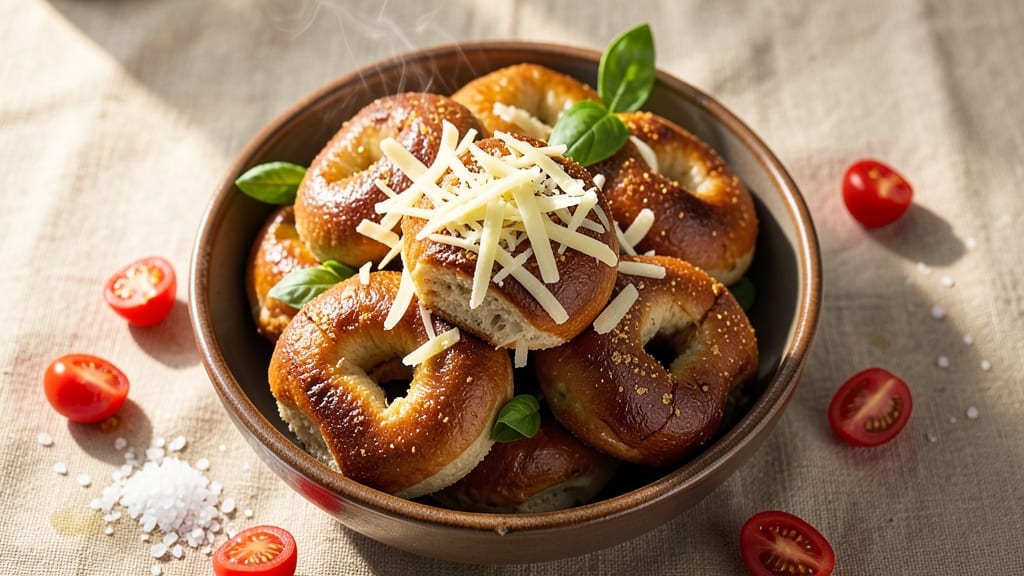
This Asiago bagel bread machine recipe transforms your morning routine with nutty, cheesy swirls and that perfect bagel bite—all in one cycle. The secret lies in combining warm milk, active dry yeast, and freshly grated Asiago for a flavor-packed dough that develops rich, crusty edges while staying soft inside.
I’ve tested this recipe countless times, and it never fails to deliver restaurant-quality results with minimal effort.
The bread machine does all the hard work—kneading, shaping, and baking—while you focus on the cheese swirls. A simple dough cycle followed by a short bake creates the ideal texture: a crispy exterior with a tender crumb.
The Asiago melts just enough to create pockets of nutty, salty goodness, while the milk adds richness that makes every bite irresistible. Perfect for breakfast, snacks, or even as a side dish, these bagels stay fresh for days.
What sets this recipe apart is the balance of simplicity and indulgence. You’ll need just a few ingredients—flour, yeast, milk, salt, and of course, that sharp Asiago cheese—and the bread machine handles the rest.
The result is a batch of bagels that toast beautifully, making them ideal for quick breakfasts or sandwiches. Whether you’re feeding a family or treating yourself, this recipe delivers satisfaction in every bite.
Once baked, let the bagels cool slightly before slicing—this ensures clean cuts and prevents sticking. Store them in an airtight container or freeze for later use. For extra flavor, sprinkle sesame seeds or garlic powder on top before baking.
Ready in under an hour, this recipe proves that homemade bagels can be both foolproof and delicious.
Ingredients for asiago bagel bread machine
Six simple ingredients transform your bread machine into a bagel-maker with nutty Asiago swirls and perfect crusty bites.
| Ingredient | Amount | Notes |
|---|---|---|
| All-Purpose Flour 🌾 | 4 ½ cups | Spooned and leveled for accuracy |
| Active Dry Yeast 🍞 | ½ tsp | Tested for freshness in warm water |
| Warm Whole Milk 🥛 | 1 ½ cups | 110°F, not hot to the touch |
| Granulated Sugar 🍚 | ½ tsp | Helps activate yeast |
| Salt 🧂 | 1 ½ tsp | Kosher or sea salt preferred |
| Freshly Grated Asiago Cheese 🧀 | 1 ½ cups | Shredded by hand for best texture |
| Unsalted Butter 🧈 | ¼ cup | Cold, cubed for swirls |
| Sesame Seeds 🌿 | ¼ cup | For topping, optional |
| Garlic Powder 🧄 | ½ tsp | For extra flavor, optional |
| Egg Wash 🥚 | 1 whole | 1 egg beaten with 1 tbsp water |
The Asiago cheese is the star here—freshly grated from a block makes all the difference. Whole Foods or specialty cheese shops carry the best quality, but the regular grocery store version works fine if you shred it yourself. The butter should be cold when you cube it—this creates those beautiful swirls without melting into the dough. For the yeast, always test it in warm water first (it should foam within 10 minutes). The milk needs to be warm but not hot—too hot kills the yeast, too cold and it won't activate properly. I always use whole milk for richness, but 2% works in a pinch.
No sesame seeds? Poppy seeds or everything bagel seasoning works just as well. Short on Asiago? Parmesan or sharp cheddar can substitute, though the flavor will differ. The egg wash is optional but gives a beautiful golden finish—skip it if you're avoiding eggs. For the butter swirls, if you don't have cold butter, chill the dough for 20 minutes before adding it. The garlic powder is purely optional but adds a nice depth of flavor if you're using it for breakfast sandwiches. If your bread machine has a dough setting, use it—it creates the perfect texture without overworking the dough.
Freshly baked bagels cool quickly—let them sit on a wire rack for 10-15 minutes before slicing. Store them in an airtight container at room temperature for 3-4 days, or freeze for up to 3 months. For extra crispiness, reheat slices in a toaster or skillet with a little butter. The cheese swirls soften slightly after baking, which is perfect for that gooey texture. If you make extras, freeze them plain and toast before serving—this keeps them fresh-tasting longer.
Why You'll Love This Recipe
- Hands-Off Magic: I dump the dough in the bread machine, hit start, and walk away. No kneading, no fuss—just that warm, chewy asiago aroma filling my kitchen by the time I’m done with my morning coffee.
- Cheese Pulls the Strings: The moment the bread comes out? That salty, tangy asiago crumb—it’s like a hug in every bite. The milk and sugar make it just sweet enough to balance, but the cheese steals the show every time.
- Weeknight Superstar: Slice it for breakfast toast, tear it into sandwiches, or freeze half for lazy mornings. It’s my go-to when I need something reliable that doesn’t skimp on flavor—even my picky husband grabs seconds.
- Budget-Friendly Staple: A bag of flour, a pinch of yeast, and a block of asiago stretch to feed my family for days. The dough’s forgiving, so I can tweak it without waste, and leftovers? They last longer than my willpower to resist them.
Step-by-step instructions for Asiago bagel bread machine recipe
Transform simple ingredients into rich, cheesy bagels with perfect texture using your bread machine.
Prepare the Dough Components
In a small bowl, combine the 0.5 tsp active dry yeast with the 1.5 cups warm whole milk and 0.5 tsp granulated sugar. Let this mixture sit for 5-10 minutes until it becomes frothy—this confirms the yeast is active. If it doesn't foam, your yeast may be stale, and you'll need to start fresh.
In a separate large bowl, whisk together the 4.5 cups all-purpose flour and 1.5 tsp salt. Add the 1.5 cups freshly grated asiago cheese and 0.5 tsp garlic powder, mixing until evenly distributed. The cheese should be finely shredded to ensure even distribution throughout the dough.
Mix and Knead in the Bread Machine
Add the yeast mixture, flour mixture, and 0.25 cup cold unsalted butter (cut into small cubes) to your bread machine pan. Use the dough setting on your machine, which typically requires 3-5 minutes of initial kneading. The dough will begin as shaggy but will gradually come together into a smooth, elastic ball.
During this process, the butter will melt and incorporate into the dough, creating pockets of flavor. You'll know it's ready when the dough pulls away cleanly from the sides of the pan and springs back when pressed gently. This elasticity is crucial for that classic bagel chew.
Shape and Add Toppings
Once the machine completes the kneading cycle, remove the dough and place it on a lightly floured surface. Divide the dough into 6 equal portions, each about the size of a golf ball. Roll each portion into a ball, then use your thumb to create an indentation in the center of each ball to form the classic bagel shape.
Roll each bagel in the 0.25 cup sesame seeds, pressing gently to ensure they adhere. If you prefer, you can also brush the tops with the 1 whole egg wash before adding seeds for extra shine. Arrange the bagels on a parchment-lined baking sheet, leaving 1 inch between each to allow for expansion.
Proof and Bake
Cover the baking sheet loosely with plastic wrap and let the bagels proof at room temperature for 30-45 minutes until they've risen by about 50%. They should look puffy and slightly domed—this is your indicator that they're ready for the oven. If they rise too quickly, they may collapse during baking, so keep an eye on them.
Preheat your oven to 375°F. Bake the bagels for 18-22 minutes until they're golden brown and sound hollow when tapped on the bottom. The internal temperature should reach 190°F. For extra crispiness, you can broil them for 1-2 minutes at the end, but watch closely to avoid burning.
Cool and Serve
Remove the bagels from the oven and let them cool on a wire rack for 10 minutes. This resting period allows the internal structure to set, preventing them from becoming gummy. Serve warm for the best texture—each bite should offer a satisfying contrast of crispy exterior and soft, chewy interior infused with nutty asiago.
Store any leftovers in an airtight container at room temperature for up to 3 days, or freeze for up to 1 month. To reheat, warm in a 350°F oven for 5-7 minutes to restore that fresh-baked appeal.
Pro Tips For Making Asiago Bagel Bread Machine
- Test Yeast First: Skip the guesswork—mix 1 packet yeast with ¼ cup warm milk and 1 tsp sugar, then wait 5-10 minutes. If it doesn’t foam, toss it and start fresh. I’ve wasted dough waiting for dead yeast to “maybe” wake up.
- Milk Must Be Warm: Use a thermometer—milk should hit 110°F (43°C), not just “hand-hot.” Too cold? Yeast sleeps. Too hot? It dies. I learned this after dough took three hours to rise instead of 1.5.
- Salt the Dough Early: Sprinkle the salt directly into the flour before adding liquid—this dissolves evenly and prevents clumpy pockets. I used to add it later and ended up with weird, salty spots in the middle.
- Shape Loosely, Rise Twice: Roll the dough into a loose log, not a tight spiral—it’ll expand better. Let it rise in the bread machine once, then fold it once more before the final rise. My first batch cracked because I skipped this step.
Dietary considerations for asiago bagel bread machine
Gluten-Free Adaptation
For a gluten-free version, replace the 4.5 cups all-purpose flour with a 1:1 gluten-free baking blend like Bob's Red Mill 1-to-1 Gluten-Free Flour. The dough will be less elastic, so add 1 extra tablespoon of vital wheat gluten per cup of flour to improve texture.
Keep the milk and yeast amounts the same, but reduce the butter to 0.125 cup to prevent over richness. Proof times may be slightly longer—watch for 50% rise rather than relying on a timer. 🌾
Dairy-Free Options
Swap the 1.5 cups whole milk for unsweetened almond milk or oat milk to keep the recipe dairy-free. Use vegan butter (like Miyoko's) instead of unsalted butter for the swirls. For the cheese, opt for nutritional yeast or dairy-free shredded cheddar—about 1 cup will mimic the flavor.
The texture will be slightly less rich, but the nutty notes still shine through. 🧀
Lower-Carb Modifications
To reduce carbs, replace 3 cups of the all-purpose flour with almond flour (finely ground). Add 1 extra egg to bind the dough since almond flour lacks gluten.
Reduce the sugar to 0.25 tsp and use unsweetened applesauce (2 tbsp) to add moisture. The bagels will be denser but still delicious with a crispy exterior. 🥑
Allergen-Friendly Swaps
For nut allergies, stick with the original flour blend but use sunflower seed butter instead of butter for swirls. If sesame is an issue, skip the seeds or use poppy seeds.
For egg-free versions, replace the egg wash with 1 tbsp melted coconut oil mixed with 1 tbsp water. Always check labels on cheese and milk substitutes for hidden allergens. 🌿
Soy-Free Considerations
Asiago cheese is typically dairy-based, but some brands may contain soy additives. Choose a 100% dairy Asiago from brands like BelGioioso. For the milk, stick with dairy or certified soy-free options like coconut milk.
If using soy-free bread flour blends, ensure they’re certified—some contain trace soy. The flavor remains intact as long as the cheese is pure. 🧀
Nutrition facts
Frequently asked questions
Can I make these bagels without a bread machine?
For a stovetop method, mix the dough by hand until elastic, then let it rise for 1 hour before shaping. Boil the bagels in water for 1 minute before baking at 375°F for 20-25 minutes. The texture will be slightly denser since you can't replicate the bread machine's precise kneading.
Why did my bagels turn out dense instead of chewy?
Dense bagels usually happen from over-proofing or under-kneading. Use the bread machine's dough cycle for perfect elasticity, and proof at room temp for only 30-45 minutes. If kneading by hand, work the dough for 8-10 minutes until smooth. Cold butter can also cause density—ensure it's softened but not melted.
How do I store these bagels for maximum freshness?
Keep them in an airtight container at room temperature for 3-4 days, or freeze for up to 3 months. For reheating, toast in a toaster or warm in a 350°F oven for 5-7 minutes. The cheese swirls soften slightly when frozen but stay flavorful.
Can I add extra cheese or different flavors?
Yes! Try adding 1/4 cup grated Parmesan or 1 tsp garlic powder for more depth. For a sweet version, swap Asiago for 1/2 cup white cheddar and add 2 tbsp honey to the dough. Just reduce the milk by 2 tbsp to balance moisture.
What's the best way to shape bagels for that classic look?
Roll each dough ball into a 1-inch-thick circle, then stretch it into a 3-inch diameter ring. Use your thumb to create the hole in the center, pressing gently outward. For extra crustiness, boil shaped bagels in water for 30 seconds before baking. This creates that iconic chewy exterior.