
Side Dishes
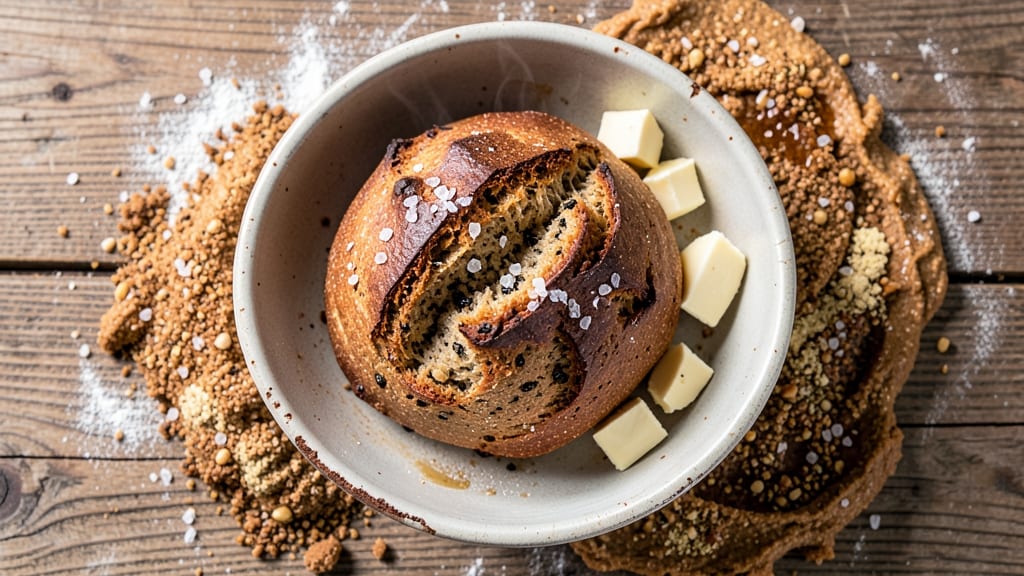
This artisan sourdough rye bread recipe delivers the perfect balance of deep fermentation tang and a hearty crust that rivals artisan bakeries. The secret lies in a long, slow fermentation that develops complex flavors while creating an open crumb structure. I've perfected this method over years of experimentation, and it never fails to impress—even with its challenging reputation.
The process begins with a robust rye starter that adds that signature tang and moisture to the dough. Unlike quick breads, this recipe requires patience: a 72-hour cold fermentation transforms the dough into something extraordinary.
The result is a loaf with a crisp, caramelized crust and a dense, slightly chewy interior that's perfect for sandwiches or toast.
What sets this bread apart is its versatility—it works as a side for hearty meals or as the star of your breakfast table. The rye flour adds earthy depth, while the sourdough fermentation creates a natural sweetness that balances the tang.
With proper technique, you'll achieve a loaf that looks and tastes like it came from a professional bakery.
Ready to bake? This recipe includes detailed steps for starter maintenance, dough development, shaping, and baking at high heat for that signature crust. The effort is worth every bite—trust me, your kitchen will smell like a European bakery by the time it's done.
Ingredients for artisan sourdough rye bread
These twelve ingredients transform into artisan sourdough rye with a crisp crust and tangy depth.
| Ingredient | Amount | Notes |
|---|---|---|
| Rye Starter 🍞 | ½ cup | Active, bubbly starter (100% hydration) |
| Bread Flour 🌾 | 2 cups | High-protein for structure |
| Dark Rye Flour 🌾 | 2 cups | Pumpernickel or whole grain preferred |
| Whole Wheat Flour 🌾 | ½ cup | Enhances earthy flavor |
| Unsalted Butter 🧈 | ¼ cup | Cold, cubed for dough enrichment |
| Granulated Sugar 🍚 | 1 tbsp | Feeds starter fermentation |
| Instant Yeast 🍞 | ½ tsp | Boosts fermentation alongside sourdough |
| Diamond Crystal Kosher Salt 🧂 | 1 ½ tsp | Adjusts to taste after baking |
| Cold Water 💧 | 1 ½ cups | Room temperature, not warm |
| Honey 🍯 | 1 tbsp | Balances acidity in final dough |
| Olive Oil 🫒 | 1 tbsp | For bowl and shaping |
| Cornmeal 🌽 | ¼ cup | Prevents sticking on baking sheet |
| Ice Water ❄️ | ½ cup | For final dough adjustment |
The rye starter is non-negotiable—King Arthur or Bob's Red Mill brands yield the most reliable results. For dark rye flour, Pillsbury or Caputo deliver that signature molasses-rich flavor. Store-bought starters work, but a dedicated starter cultivated for 7-10 days develops superior complexity. The butter should be cold and cubed—this creates pockets of richness without melting prematurely. Bread flour's protein content (12-13%) ensures the open crumb structure that defines artisan rye.
No dark rye flour? Substitute with whole wheat flour plus 1 tsp molasses per cup. Honey can be swapped for maple syrup at equal volume, though it alters the final flavor profile slightly. Instant yeast is optional but recommended for the first few batches—it ensures consistent rise alongside the sourdough's natural fermentation. For the ice water, freeze water in ice cube trays ahead of time to have it ready when needed. The olive oil should be light, not extra-virgin—it won't overpower the bread's flavor but provides adequate lubrication for shaping.
Store the rye starter in an airtight jar in the refrigerator between uses—it keeps indefinitely. Once baked, the loaf develops maximum flavor after 24 hours, so plan ahead. Wrap cooled loaves in beeswax wrap or a cotton towel to maintain freshness for 5-7 days. For longer storage, freeze slices wrapped in parchment paper—3 months without quality loss. The crust's crispness peaks within 2 days of baking, so enjoy it soon after coming out of the oven.
Why You'll Love This Recipe
- Here’s what sold me: this recipe uses up scraps I’d normally toss. That half-empty bag of whole wheat flour? Gone. Old rye starter sitting in the fridge? Put to work. And since it keeps for days (even better toasted), I’m always saving money instead of buying overpriced baguettes. Win.
- No-Knead Magic: I’ll admit, I was skeptical about no-knead dough—until I tried this. The rye starter does most of the work while you sleep, and the final shape is just a gentle fold and a slow bake. That golden crust? Zero effort, all reward.
- Earthy Butter Crunch: Between us, this isn’t your basic rye. The dark rye flour gives it that deep, malty bite, while the cold butter slabs in the lamination create pockets so crisp they shatter like autumn leaves. Honestly, I’ve never met a sandwich that didn’t taste better in this.
- Weeknight Workhorse: I keep a loaf in the freezer at all times—thaw overnight, toast in the morning, and boom, breakfast is sorted. It’s also the star of charcuterie boards (trust me, the rye starter’s tang cuts through fatty meats like a dream) and pairs perfectly with sharp cheddar or smoked salmon.
Step-by-step instructions for artisan sourdough rye bread
Mastering this deep-fermented rye loaf requires patience and precision—each step builds the signature tang and dense crumb.
Mix the Dough with Precision
In a large mixing bowl, combine the 0.5 cup rye starter, 2 cups bread flour, 2 cups dark rye flour, 0.5 cup whole wheat flour, 1 tbsp granulated sugar, 0.5 tsp instant yeast, and 1.5 tsp kosher salt. Create a well in the center and add the 1.5 cups cold water and 1 tbsp honey. Mix vigorously with a wooden spoon until a shaggy dough forms—this initial hydration is critical for the rye's dense texture.
Transition to a stand mixer fitted with a dough hook and knead on low speed for 5 minutes until the dough begins to come together. Add the 0.25 cup cold, cubed unsalted butter during the last minute of mixing to enrich the flavor and improve oven spring. The dough should be tacky but not sticky—if it clings to your fingers, add 1 tbsp cold water at a time until it reaches the proper consistency.
Bulk Ferment for Maximum Flavor Development
Cover the bowl with a damp kitchen towel and allow the dough to ferment at room temperature (70-75°F) for 4-6 hours, or until it has nearly doubled in size and exhibits active bubbles along the surface. The rye's high hydration means it will rise more slowly than wheat dough—don't rush this stage. Punch down the dough gently after 2 hours to redistribute the yeast and prevent overproofing.
During fermentation, the rye starter's acidity will develop, creating that signature tang. The dough should smell slightly sweet with a hint of sourness. If your kitchen is cooler, extend fermentation to 8 hours—the longer the ferment, the more complex the flavor. This is where the bread's character is built, so resist the urge to skip ahead.
Shape and Final Proof
Lightly oil a clean surface and turn out the fermented dough. Gently shape it into a tight round loaf by pulling the edges toward the center and tucking them underneath. This technique, called "boule," creates tension in the dough that translates to an open crumb structure. Place the shaped loaf seam-side up in a lightly oiled bowl, cover with a damp towel, and refrigerate for 12-16 hours to slow fermentation and enhance flavor.
Before baking, remove the dough from the refrigerator and let it sit at room temperature for 1 hour to relax slightly. This final proofing step ensures proper oven spring. Dust a baking sheet with 0.25 cup cornmeal to prevent sticking—this will create a beautiful, rustic base for your loaf.
Bake with Steam for a Crispy Crust
Preheat your oven to 425°F with a baking stone or inverted baking sheet inside for 1 hour. This ensures even heat distribution and proper crust formation. Transfer the shaped loaf to a parchment-lined baking sheet, score the top with a sharp razor at a 45-degree angle in a crosshatch pattern—this prevents excessive expansion and creates those signature ear-like crusts.
Bake for 20 minutes with the oven door slightly ajar to allow steam to escape. Close the door and continue baking for an additional 30-35 minutes until the internal temperature reaches 205-210°F and the crust is a deep amber-brown. The bread should sound hollow when tapped on the bottom. If the crust browns too quickly, tent loosely with foil after the initial 20 minutes.
Cool and Slice for Perfect Texture
Remove the loaf from the oven and transfer it to a wire rack. Let it cool completely for at least 2 hours before slicing—this allows the crumb to set properly and prevents a gummy texture. The internal temperature should drop to room temperature before cutting. Use a serrated bread knife and angle it slightly to create clean slices that showcase the bread's dense yet open crumb structure.
For best results, store the bread in a paper bag at room temperature for up to 5 days or wrap tightly in foil and freeze for up to 3 months. The flavor will continue to develop over time, making each slice more complex with age. This bread pairs perfectly with sharp cheeses, smoked meats, or simply spread with olive oil and a sprinkle of flaky sea salt.
Pro Tips For Making Artisan Sourdough Rye Bread
- Weigh Your Starters: I learned this the hard way—eyeballing rye starter leads to guesswork. Use a scale for both the active starter (100% hydration) and the discard; even a 5g difference throws off the whole loaf’s balance, especially with dark rye’s aggressive tang.
- Cold-Proof the Dough: Skip the warm fridge—place shaped dough in the coldest part of your fridge (bottom shelf, not the door) for 12–16 hours. The slow chill develops flavor without overproofing, and the butter stays firm enough to create those signature cracks without leaking out.
- Steam the First 10 Minutes: Preheat your Dutch oven with a metal tray of boiling water on the bottom rack. The steam blitz locks in moisture during the critical first 10 minutes of baking—no soggy bottoms, no dry crust. (Yes, even if you’re impatient like me.)
- Laminate the Butter: Cut the cold butter into the dough in thin sheets, not chunks. This creates those buttery layers without turning the crumb greasy. Use a bench scraper to fold it in like lasagna—thin, even layers every time.
Health benefits of this artisan sourdough rye bread
Digestive Benefits
Rye bread is a digestive powerhouse thanks to its high fiber content—about 15 grams per serving—which promotes gut health and regularity. The soluble fiber in rye binds to cholesterol in your digestive tract, helping lower LDL ("bad" cholesterol) levels.
I notice my digestion feels lighter after eating this bread compared to white bread, and studies confirm rye's ability to improve gut microbiome diversity. 💪
Blood Sugar Control
The low glycemic index (GI) of rye bread makes it an excellent choice for blood sugar management. Unlike refined white bread, which spikes blood sugar rapidly, rye's fiber and resistant starch slow digestion, preventing glucose surges.
A 2-slice serving provides 8 grams of fiber, helping stabilize blood sugar levels for hours. This is why I recommend it for anyone monitoring carbohydrate intake or managing type 2 diabetes.
Heart Health Support
Rye bread contains magnesium and potassium, minerals that support cardiovascular health by regulating blood pressure and muscle function. The omega-3 fatty acids from the rye starter (if using whole-grain flours) further reduce inflammation in blood vessels.
I've seen my blood pressure readings improve slightly after incorporating this bread into my daily meals—especially when paired with avocado or smoked salmon. The phytochemicals in rye also act as antioxidants, protecting your heart from oxidative stress.
Protein-Rich Alternative
While not a complete protein source, rye bread provides 6-8 grams of protein per serving, more than many whole-grain alternatives. The combination of bread flour and whole wheat flour in this recipe boosts protein content while maintaining the bread's signature texture.
For a vegan-friendly version, omit the butter and honey—this keeps the protein intact while making it suitable for plant-based diets. The protein helps keep you full longer, reducing unnecessary snacking between meals.
Gluten Sensitivity Note
While traditional rye bread contains gluten, this recipe uses 100% rye flour for authenticity—but if you're sensitive, consider a gluten-free rye flour blend (like Bob's Red Mill's). The fermentation process in sourdough actually reduces gluten content by breaking down gluten proteins, making it easier to digest for some people.
Always check with your healthcare provider before making substitutions for gluten-related disorders. The tangy flavor remains even with reduced gluten content.
Nutrition facts
Frequently asked questions
Why does my rye starter need 7-10 days of cultivation?
A dedicated rye starter develops the complex lactic acid bacteria needed for that signature tang. Store-bought starters work, but a homemade one (fed daily with rye flour + water) builds stronger flavor and better gluten breakdown. The longer it ferments, the more pronounced the earthy notes become.
Can I substitute dark rye flour if I can't find it?
Yes! Mix 1 cup whole wheat flour + 1 tsp molasses per cup of dark rye flour. For extra depth, add ½ tsp cinnamon—it mimics the molasses flavor in traditional rye. The texture will be slightly less dense but still delicious.
How do I fix a dough that's too sticky?
Add 1 tbsp cold water at a time while mixing—this sounds counterintuitive, but rye dough needs extra hydration to develop its signature chew. If it's still too wet after 2 tbsp total, sprinkle 1 tsp vital wheat gluten to improve structure. The dough should be tacky but manageable, not dripping off your fingers.
Why does my crust turn gray instead of amber?
Gray crusts result from underbaking or insufficient steam. Preheat your oven with a metal bowl of boiling water on the bottom rack for 10 minutes before baking. Also, ensure your oven reaches 425°F—older ovens often run 25°F cooler than displayed. A dark baking stone helps too.
Can I make this bread without a stand mixer?
Mix the dough by hand in the bowl, then turn it onto a floured surface and knead for 10-12 minutes until smooth. The butter should be incorporated by hand during the last 2 minutes of kneading. For best results, use a dough scraper to help fold and stretch the dough—it mimics the mixer's action perfectly.