
Side Dishes
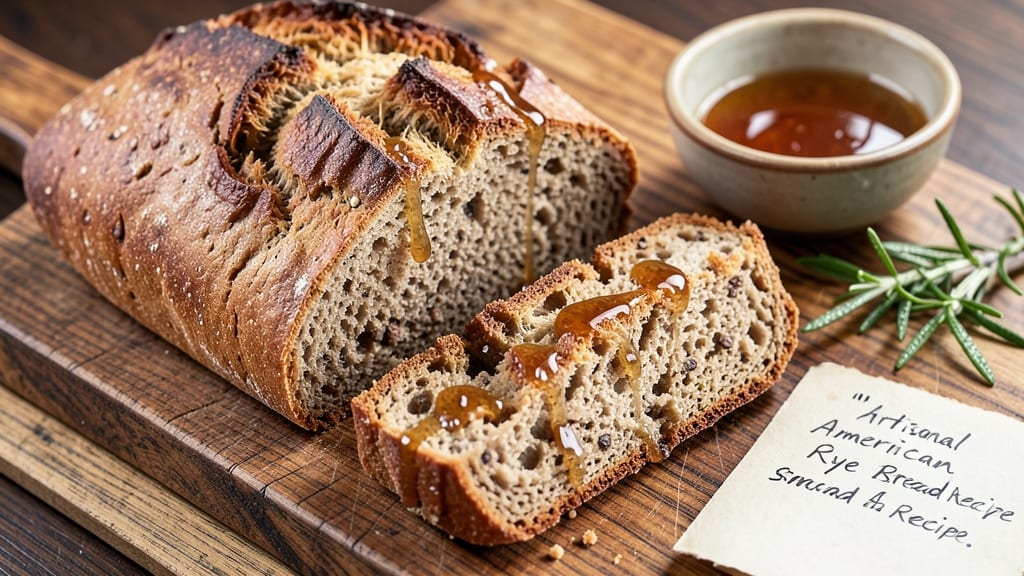
This American rye bread recipe delivers the perfect balance of deep malty flavor and a chewy, open crumb that's impossible to resist. 🌟 The secret lies in combining traditional rye flour with a touch of honey for subtle sweetness, creating a loaf with a crisp, caramelized crust and tender interior that crumbles just right.
I developed this recipe after years of experimenting with fermentation times and hydration levels to achieve the ideal texture—neither too dense nor too crumbly.
The process begins with a robust dough that incorporates both sourdough starter and commercial yeast for reliable results, whether you're a seasoned baker or trying your hand at rye for the first time.
Proper kneading and a long fermentation period (at least 4 hours, or overnight for even better flavor) are key to developing that signature chewy texture and rich, earthy taste. The dough's stickiness is part of the magic—it ensures a moist crumb without sacrificing structure.
Baking transforms the dough into a loaf with a deep amber crust that crackles when you tap it, revealing the open crumb beneath. The aroma alone—warm, malty, with just a hint of caramel—will have everyone gathering around your kitchen.
This bread shines as a side for hearty breakfasts, sandwiches, or simply toasted with butter and jam. The recipe includes troubleshooting tips to avoid common pitfalls like dense loaves or pale crusts.
For those short on time, a quick version using commercial yeast still delivers impressive results, though the flavor deepens with longer fermentation. The crust can be enhanced with a simple egg wash or coarse salt sprinkle for extra crunch.
Once you try this rye bread, you'll never settle for store-bought again—it's the kind of loaf that turns ordinary meals into something special.
Ingredients for american rye bread
Nine ingredients transform into a loaf with deep malty aroma and chewy crumb.
| Ingredient | Amount | Notes |
|---|---|---|
| Rye Flour 🌾 | 3 cups | Dark rye for authentic flavor |
| All-Purpose Flour 🌾 | 1 cup | For lighter texture |
| Active Dry Yeast 🍞 | ½ tsp | Or 1 packet instant yeast |
| Sourdough Starter 🍞 | ½ cup | Active, bubbly starter |
| Honey 🍯 | ¼ cup | Light amber preferred |
| Water 💧 | 1 ½ cups | Room temperature |
| Salt 🧂 | 1 ½ tsp | Diamond Crystal preferred |
| Olive Oil 🫒 | ½ tsp | For dough softness |
| Cornmeal 🌽 | ¼ cup | For dusting loaf pan |
| Egg 🥚 | 1 whole | For egg wash |
| Coarse Sea Salt 🧂 | ½ tsp | For crust sprinkle |
| Milk 🥛 | ½ tsp | For egg wash richness |
Rye flour is the heart of this bread—Bob's Red Mill dark rye or King Arthur rye are my go-tos, but any dark rye works. The honey adds subtle sweetness, so light amber (not raw) gives the best balance. Sourdough starter needs to be active—if it's sluggish, feed it 2 hours before using. For yeast, Saf-Instant is foolproof, but active dry works too (just dissolve it in warm water first). The olive oil might seem small, but it keeps the dough from getting too stiff—trust me on the full-fat version.
No rye flour? Substitute half with whole wheat, but expect a denser loaf. Honey in a pinch? Maple syrup works 1:1. The egg wash can be skipped if you're avoiding eggs—just brush with milk and water (1 tbsp each). For a quicker version, skip the sourdough starter and double the yeast, but the flavor won't be as deep. The cornmeal is non-negotiable for that perfect crust release—don't skip it. And if your dough feels too sticky, add 1 tbsp more flour, but not too much or it'll get tough.
Dough is best made 8-12 hours ahead—overnight in the fridge develops maximum flavor. Shape it loosely into a loaf (don't overwork it) and let it proof in a greased bowl. For storage, wrap tightly in plastic and keep at room temp for 3 days, or freeze for 3 months. Toasting revives stale slices—400°F for 5 minutes works wonders. The crust gets crunchier as it cools, so slice when fully cooled.
Why You'll Love This Recipe
- No-Knead Magic: I swear by this—just mix, let it rise overnight, and bake. The sourdough starter does all the heavy lifting while I sleep, and that rye flour gives it a deep, earthy backbone without requiring a single punch-down.
- Honey-Sweetened Depth: That touch of honey isn’t just for sweetness—it caramelizes just enough to balance the rye’s sharpness, making every slice taste like a cozy hug. Honestly, my kids ask for it plain, but I love it toasted with butter and a sprinkle of flaky salt.
- Sandwich Star: Between us, this bread is my secret weapon for BLTs, grilled cheese, or even a simple ham and cheese. The rye’s density holds up to wet ingredients, and the crust stays crisp longer than store-bought loaves. (Yes, even on a Tuesday night.)
- Budget Loaf: A single batch feeds my family for days—think toast, French toast, or crusty sides. The sourdough starter cuts down on yeast costs, and rye flour is cheaper than buying artisanal bread. Plus, leftovers freeze like a dream for quick breakfasts.
Step-by-step instructions for American rye bread
Here's how to craft that signature malty crust and chewy crumb—every bite perfect.
👨🍳 Step 1: Mix the Dough with Wet and Dry Ingredients
In a large mixing bowl, whisk together the 3 cups rye flour, 1 cup all-purpose flour, 1.5 tsp salt, and 0.5 tsp active dry yeast. I like to use a whisk for this first step to aerate the flours before adding liquids. Make a well in the center and pour in the 0.5 cup sourdough starter, 0.25 cup honey, 1.5 cups water, and 0.5 tsp olive oil.
Using a wooden spoon or dough whisk, gently combine the ingredients until just mixed—you should see a shaggy dough forming. Don't overwork it yet; we're just getting everything incorporated. The dough will be sticky, but that's normal with rye's high moisture content. Let it rest for 10 minutes while you prepare your workspace.
🥘 Step 2: Knead Until Smooth and Elastic
After the rest, wet your hands with water and begin kneading the dough on a lightly floured surface. I press down with my knuckles first to develop the gluten, then fold and turn the dough. Knead for 8-10 minutes until the dough becomes smooth and slightly elastic—it should spring back when poked gently.
Here's the thing—rye dough is trickier than wheat dough. It's more dense and less forgiving, so don't worry if it doesn't look perfectly smooth. You'll know it's ready when it holds its shape when stretched slightly and has a silky appearance. If it's too sticky to handle, wet your hands again rather than adding more flour.
⏰ Step 3: First Rise (The Long Wait)
Lightly oil a large bowl, place the dough inside, and cover it with a damp kitchen towel. Let it rise in a warm spot (I like to turn on my oven light to create a gentle warmth) for 1.5 to 2 hours, or until it has nearly doubled in size. You'll see bubbles forming on the surface and the dough will feel light when pressed gently.
This first rise is crucial for developing flavor and texture. Don't rush it—under-risen dough leads to dense bread. If your kitchen is cold, place the bowl near a warm spot like the top of your refrigerator. The dough should puff up noticeably but still feel soft to the touch when ready.
🍳 Step 4: Shape and Second Rise
Turn the risen dough onto a lightly floured surface and gently shape it into a loaf. I like to fold the dough over itself a few times to create surface tension, then roll it into a smooth log. Place it seam-side down in a greased 9x5-inch loaf pan that's been sprinkled with 0.25 cup cornmeal.
Cover the pan with a damp towel and let the dough rise again for 45 minutes to 1 hour until it domes just above the pan's rim. The second rise should be shorter than the first—we're just letting it expand a bit more before baking. Tap the dough gently; it should feel firm but still slightly springy.
🔥 Step 5: Bake to Deep Malty Perfection
Preheat your oven to 375°F with a baking stone or inverted baking sheet on the middle rack. This creates steam for that signature rye crust. In a small bowl, whisk together the 1 whole egg, 0.5 tsp milk, and 0.5 tsp coarse sea salt for the egg wash.
Brush the risen dough with the egg wash, then sprinkle generously with additional coarse sea salt. Bake for 35-40 minutes until the internal temperature reaches 205-210°F and the crust sounds hollow when tapped. The top should be deep golden brown with a crackly crust—this is where that malty flavor shines.
⏰ Step 6: Cool and Enjoy (The Hardest Part!)
Remove the bread from the pan and place it on a wire rack to cool completely for at least 1 hour. I know it's tempting to slice into that warm loaf immediately, but resisting gives you that perfect open crumb structure. The bread will continue to set as it cools, developing those beautiful air pockets.
Once cooled, slice with a sharp serrated knife for clean cuts. Each slice should reveal that characteristic open crumb with a dense, chewy texture and a crisp crust. Store wrapped at room temperature for 3 days, or freeze for up to 3 months for freshness whenever you need it.
Pro Tips For Making American Rye Bread
- Hydrate the Rye First: Mix the rye flour with warm water (or starter) before adding it to the rest of the dough—this prevents it from absorbing too much liquid later and turning gummy. I learned this the hard way when my first batch felt like chewing wet sand.
- Check Yeast Activity: Proof your active dry yeast in warm honey water (not too hot) for 5–10 minutes—it should foam visibly. If it doesn’t, toss it and use fresh; dead yeast won’t wake up your dough, no matter how long you knead.
- Skip Over-Kneading: Rye dough is dense and sticky; knead just until the ingredients come together (about 5 minutes by hand). Overworking it develops too much gluten, which makes the bread tough—this isn’t French baguette, after all.
- Steam the Pan: Place a metal tray filled with boiling water in your oven before baking, then slide the dough in. The steam keeps the crust from drying out too fast, giving you that classic American rye chew—no sad, cracked tops here.
Regional styles of these flavors
Midwest Heartland Style
In the Midwest, rye bread often takes on a denser, slightly sweeter profile to complement hearty breakfasts like pancakes or sausage. I’ve adapted this recipe by adding 1 tablespoon molasses to the dough for a deeper caramelized flavor that’s especially popular in Wisconsin and Minnesota.
The crust gets a light dusting of cinnamon sugar before baking, adding warmth to every bite. Serve it with scrambled eggs and crispy bacon for the ultimate comfort meal. 🌾
Pennsylvania Dutch Twist
The Pennsylvania Dutch region brings a unique approach with their love of whole grain rye and warm spices. For an authentic touch, mix ½ teaspoon ground ginger and ¼ teaspoon allspice into the dough during the initial mixing.
This version pairs beautifully with corned beef hash or sausage gravy, a staple in Pennsylvania Dutch cuisine. The spices deepen the bread’s earthy notes while keeping the crumb tender. 🌶️
New England Crusty Classic
Up north, rye bread often features a thicker, cracklier crust to handle the colder climates. To achieve this, brush the shaped loaf with melted butter instead of an egg wash before baking. After baking, sprinkle with flaky sea salt while the crust is still warm.
This style is perfect for lobster rolls or clam chowder, where the bread needs to hold up to rich, briny flavors. The crust’s texture contrasts beautifully with the creamy fillings. ❄️
Southern Smoky Variation
In the South, rye bread gets a smoky twist by incorporating ½ teaspoon smoked paprika into the dough. For an extra kick, add 1-2 slices of bacon, cooked until crispy, and crumble them into the dough during the final kneading.
This version is ideal for pulled pork sandwiches or black-eyed pea stews, where the smokiness complements the rich, savory flavors. The crumb stays chewy, but the crust develops a deep amber hue from the paprika. 🔥
San Francisco Sourdough Rye
West Coast bakers often blend rye with San Francisco sourdough culture for a tangier, more complex flavor. Use 1 cup active sourdough starter (instead of the ½ cup called for) and reduce the yeast to ¼ teaspoon.
This version pairs exceptionally well with grilled salmon or avocado toast, where the bread’s tanginess cuts through rich, fatty flavors. The crust develops a golden, almost honey-like sheen from the extended fermentation. 🍞
Quick Regional Hack
For a faster version inspired by diner culture, replace the sourdough starter with 1 packet rapid-rise yeast and add 1 tablespoon instant coffee to the dough. This works especially well in Texas-style diners, where rye is often served alongside breakfast tacos or chili.
The coffee enhances the maltiness, and the bread bakes up in just 30 minutes—perfect for busy mornings. ☕
Nutrition facts
Frequently asked questions
Why does my rye bread turn out dense instead of chewy?
Rye dough needs proper hydration and fermentation time—under-kneading or skipping the 1.5-2 hour first rise causes dense bread. Try kneading for 8-10 minutes until elastic, and let the dough rise in a warm spot (like near your oven light). The sticky texture is normal, but avoid adding extra flour—it tightens the crumb.
Can I make this without sourdough starter?
Yes! For a quick version, replace the ½ cup sourdough starter with 1 packet instant yeast (2¼ tsp) and ½ cup warm water. The flavor won't be as deep, but you'll still get a great loaf. For extra tang, add 1 tbsp apple cider vinegar to the dough. Ferment for 1 hour instead of overnight.
How do I get that perfect crackly crust?
The secret is steam! Preheat your oven with a baking stone or inverted sheet pan on the middle rack for 30 minutes before baking. Brush the shaped loaf with egg wash, then sprinkle with coarse sea salt right before baking. For extra crunch, bake at 375°F until the crust is deep amber (35-40 minutes).
What's the best way to store homemade rye bread?
Wrap tightly in plastic wrap or place in an airtight container to keep it fresh for 3-4 days at room temperature. For longer storage, freeze the cooled loaf for up to 3 months. To revive stale slices, toast at 400°F for 5 minutes—the heat reactivates the starches for that fresh-baked texture.
Can I add seeds or nuts to this recipe?
Fold in ¼ cup seeds (sunflower, sesame, or flax) or ½ cup chopped walnuts during the final kneading. For even distribution, mix them into the flour first. Just reduce the water by 1 tbsp since seeds absorb moisture. Popular additions include caraway seeds (traditional) or pumpkin seeds for extra crunch.