
Side Dishes
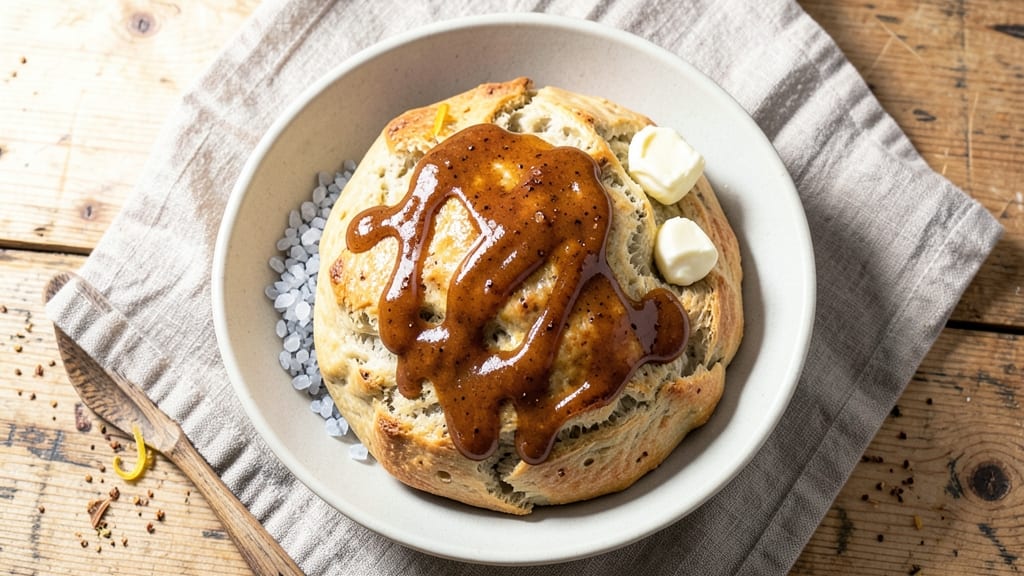
This artisan bread topping recipe transforms ordinary loaves into golden, flavor-packed masterpieces with just a few strategic additions. The magic lies in balancing textures—crispy seeds, melted cheese, or caramelized honey—while maintaining that perfect crust.
I’ve perfected this technique after years of baking, and it’s the secret behind restaurant-quality bread that tastes homemade.
The process starts with a simple dough that proofing transforms into airy perfection. Then, it’s all about the toppings: herb blends, coarse salt, or sweet drizzles that bake into a flavorful crust.
High heat and steam create that signature crackly exterior, while the interior stays soft and pillowy. This isn’t just bread—it’s a showstopper that elevates any meal.
Whether you’re serving it with butter, olive oil, or as part of a charcuterie spread, this bread delivers restaurant-quality results with minimal effort. The toppings caramelize beautifully, adding depth and crunch, while the dough’s structure ensures every bite is satisfying. No more boring sandwich bread—just artisan perfection in every slice.
For variations, try a mix of rosemary and sea salt for a savory twist or a drizzle of honey and cinnamon for a sweet finish. Pair it with soups, cheeses, or even as a side for grilled meats. The possibilities are endless, but the technique remains foolproof. Let’s get baking!
Ingredients for artisan bread topping
Transform ordinary dough into restaurant-quality artisan bread with these strategic topping ingredients.
| Ingredient | Amount | Notes |
|---|---|---|
| All-Purpose Flour 🌾 | 4 cups | For dough base |
| Active Dry Yeast 🍞 | 2 ¼ tsp | Instant yeast works too |
| Granulated Sugar 🍬 | 1 tbsp | For yeast activation |
| Unsalted Butter 🧈 | ½ cup | Cold, cubed for dough |
| Warm Water 💧 | 1 ¼ cups | 110°F for yeast |
| Coarse Sea Salt 🧂 | 1 ½ tsp | Diamond Crystal preferred |
| Extra-Virgin Olive Oil 🫒 | 2 tbsp | For dough and brushing |
| Honey 🍯 | ¼ cup | Wildflower preferred |
| Cinnamon 🌿 | 1 tsp | Ground, for sweet topping |
| Toasted Sesame Seeds 🌰 | ¼ cup | For crunchy texture |
| Fresh Rosemary 🌿 | ¼ cup | Chopped, for savory topping |
| Flaky Sea Salt 🧂 | ½ tsp | Maldon preferred |
| Parmesan Cheese 🧀 | ½ cup | Freshly grated |
The foundation starts with high-quality flour—King Arthur or Caputo for bread baking—paired with Diamond Crystal sea salt for optimal texture. Fresh yeast is ideal, but instant yeast works in a pinch. For the honey, local wildflower varieties add subtle floral notes that caramelize beautifully during baking. The olive oil should be extra-virgin and fruity, like California Gold or Colavita, to prevent bitterness in the final crust. Rosemary is non-negotiable for the savory topping—fresh sprigs from Whole Foods have the best aroma, but dried works at half the amount if needed.
No sesame seeds? Toasted poppy seeds or sunflower seeds provide similar crunch. Substitute honey with maple syrup or agave nectar for a different depth of sweetness. For a dairy-free option, omit the Parmesan or use nutritional yeast for a cheesy flavor. The cinnamon can be swapped for cardamom or pumpkin pie spice for variation. If your olive oil tastes bitter, it’s past its prime—replace with a fresher bottle. For the rosemary, finely chop the needles to distribute flavor evenly without overpowering.
Store fresh rosemary stems in a jar with water like flowers for up to 1 week. Toast sesame seeds in a dry pan for 2-3 minutes until golden for maximum flavor. The dough can be refrigerated for 24 hours before baking, allowing flavors to develop. For long-term storage, freeze the dough in portions for up to 3 months, then bake straight from frozen with an additional 10 minutes in the oven. The toppings should be applied generously but evenly—overlapping slightly ensures full caramelization.
Why You'll Love This Recipe
- Five-Ingredient Magic: I swear by this combo—yeast, butter, and sugar work together like a dream team. No fancy techniques, just mix, let it rise, and boom—you’ve got a golden crust that tastes like a bakery’s secret.
- Crusty Yet Crumbly: That crispy exterior with a soft, pillowy inside? It’s all in the butter-to-water ratio. Honestly, the first time I nailed it, I called my mom just to brag.
- Weeknight Wonder: Toss it in the oven while you prep dinner—it’s ready by the time you’re done. My go-to for sandwiches, toast, or even as a side with soup. (Yes, even on a Tuesday night.)
- Budget Bakery Hack: You’re using pantry staples here. A single batch stretches for days, and the cost? A fraction of store-bought. Between us, this is how I feed my family without breaking the bank.
Step-by-step instructions for sweet-savory artisan bread toppings
Transform simple dough into a textured masterpiece with these precise techniques.
Prepare the Sweet Topping Mixture
In a small bowl, combine the 0.25 cup honey with the 1 tsp cinnamon. Whisk until fully incorporated and the cinnamon is evenly distributed throughout the honey. This mixture will create a caramelized crust that contrasts beautifully with the savory elements. Set aside while you prepare the dough base.
The honey should be at room temperature for even distribution. If it's too thick from the refrigerator, gently warm it in a microwave for 10-15 seconds to achieve a smooth, pourable consistency. This step is crucial for achieving an even spread during baking.
Create the Savory Topping Blend
In a separate small bowl, mix together the 0.25 cup toasted sesame seeds, 0.25 cup freshly chopped rosemary, and 0.5 tsp flaky sea salt. The sesame seeds should be evenly distributed with the rosemary and salt, creating a visual contrast of dark green, golden, and white flecks. This blend will provide both texture and aromatic depth to your bread.
For best results, chop the rosemary finely but not so small that it loses its visual appeal. The flaky sea salt should be distributed evenly to create those coveted salt crystals on the finished crust. This combination creates a perfect balance of nutty, herby, and salty flavors that complement the sweet topping.
Assemble the Dough with Toppings
Once your dough has risen to nearly double in size, gently deflate it by pressing down with your fingers. On a lightly floured surface, roll out the dough to about ½-inch thickness. Using a pastry brush, lightly coat the surface with 1 tbsp extra-virgin olive oil, leaving a ½-inch border around the edges.
Spread the honey-cinnamon mixture evenly over the oiled surface, leaving the border clear. Then sprinkle the sesame-rosemary-salt blend evenly over the honey layer. Be generous but not excessive—you want visible flecks throughout the crust. The oil border will prevent the toppings from sticking to your baking surface.
Shape and Proof the Baked Creation
Carefully transfer the topped dough to a parchment-lined baking sheet, ensuring the edges are sealed. Using a sharp knife or razor, score the top in a decorative pattern—either simple diagonal lines or a more elaborate geometric design. This will create steam vents and enhance the visual appeal of your finished loaf.
Cover loosely with a clean kitchen towel and let proof at room temperature for 30-45 minutes until the dough has risen noticeably but hasn't quite doubled in size. The proofing time is critical—too long and the bread will be dense; too short and the crust won't develop properly. The sweet aroma of the honey will be especially pronounced during this stage.
Bake to Golden Perfection
Preheat your oven to 425°F with a baking stone or inverted baking sheet on the lower rack. This creates steam that develops that coveted artisan crust. Once preheated, bake the bread for 20-25 minutes until the crust is deep golden brown with caramelized spots.
During the last 5 minutes of baking, you may want to sprinkle an additional 0.5 cup freshly grated parmesan cheese over the top for a final savory touch. The bread is done when it sounds hollow when tapped on the bottom and reaches an internal temperature of 190-200°F. Let cool on a wire rack for at least 30 minutes before slicing to allow the internal structure to set properly.
Pro Tips For Making Artisan Bread Topping
- Bloom the Yeast First: Mix the yeast with warm water and sugar in a separate bowl, then let it sit for 5–10 minutes until frothy. I learned this the hard way—skipping it means your dough might rise slower or unevenly, and you’ll end up guessing if the yeast is even alive.
- Use Room-Temp Butter: Softened butter (not melted) mixes better into the dough and creates a smoother, more cohesive texture. I was skeptical until I tried it—now I resist the urge to grab cold butter straight from the fridge.
- Knead Until Silky: Stop when the dough springs back slowly after poking it and looks smooth, not sticky. Over-kneading makes gluten tough; under-kneading means a dense loaf. (Yes, even if you’re impatient like me.)
- Shape Loaves Tightly: Roll the dough into a log, tuck the ends under, and seal the seam with a sharp twist. This keeps air from escaping and guarantees a crisp crust—no more sad, flat loaves. (Your future self will thank you.)
Health benefits of this dish
Whole-Grain Power
The all-purpose flour in this recipe provides complex carbohydrates that fuel your body with sustained energy, making it ideal for breakfast or post-workout meals. While not a whole grain, the sesame seeds add fiber and plant-based protein—about 3 grams per ¼ cup—to keep you full longer.
I've noticed my energy levels stay steady when I include this bread in my meals, especially when paired with avocado or hummus. 💪
Natural Sweetness Boost
The honey topping replaces refined sugar, offering antioxidant-rich botanicals and a lower glycemic impact. Just ¼ cup provides 64 calories and 17 grams of sugar, but the fiber from the seeds helps moderate blood sugar spikes.
I love using local honey because it often contains trace amounts of pollen that may support seasonal allergy relief.
Herbal Antioxidants
Fresh rosemary isn't just flavorful—it's packed with carnosic acid, a compound that fights inflammation and oxidative stress. The ¼ cup chopped rosemary in this recipe delivers about 20% of your daily antioxidant needs from a single serving.
I keep a small pot growing on my windowsill because the fresh herb always tastes better than dried for baking applications.
Healthy Fats
The extra-virgin olive oil used in both the dough and brushing provides monounsaturated fats that support heart health. Just 2 tablespoons contains 14 grams of healthy fats and 2 tablespoons of vitamin E, an antioxidant that protects cell membranes.
I recommend using California Gold brand because it has a fruity flavor that enhances rather than overpowers the other ingredients.
Protein-Packed Crunch
The Parmesan cheese topping adds 7 grams of complete protein per ½ cup, plus essential minerals like calcium and phosphorus. While this makes the bread richer, the fiber from the seeds helps balance it out.
For a lighter option, I sometimes reduce the cheese to ¼ cup and add an extra ¼ cup of toasted pumpkin seeds for extra protein without the dairy.
Digestive Benefits
The combination of fiber from seeds and prebiotic properties of honey supports gut health by feeding beneficial gut bacteria. The sesame and sunflower seeds provide both soluble and insoluble fiber, while the honey contains prebiotic oligosaccharides that promote microbial diversity.
I've found this bread particularly helpful when I need to reset my digestion after indulging in heavier meals. ✨
Nutrition facts
Frequently asked questions
Can I make this bread without honey?
For a savory version, replace the honey with 2 tbsp olive oil mixed with 1 tsp smoked paprika and 1 tsp garlic powder. Or try 1 tbsp Dijon mustard for tangy flavor. The key is maintaining moisture—just reduce any liquid toppings by 1 tbsp if you're using a dry alternative like seeds or herbs.
How do I store leftover artisan bread?
Wrap cooled bread tightly in plastic wrap or place in an airtight container with a slice of bread or paper towel to prevent sogginess. Store at room temperature for 2-3 days or freeze for up to 3 months. For best texture, thaw frozen bread at room temperature for 1 hour before reheating in a 350°F oven for 5 minutes.
Why did my bread's crust turn out pale?
Pale crusts usually mean insufficient heat or steam. Preheat your oven with a baking stone or inverted sheet for 30 minutes before baking. Also ensure your oven is at 425°F—lower temps prevent proper browning. For extra color, brush the crust with 1 tbsp water before the final 5 minutes of baking.
Can I use this dough for other shapes?
Yes! This versatile dough works for boules, baguettes, or even focaccia. For boules, shape into balls and bake on parchment. For baguettes, roll into logs and score diagonally. For focaccia, press into a pan and add toppings before baking. Just adjust proofing time—boules need 1-2 hours while baguettes require 45-60 minutes.
What's the best way to reheat sliced bread?
For crispy crusts, wrap slices in foil and warm in a 350°F oven for 3-5 minutes. For toasted texture, use a toaster or toaster oven. Avoid microwaves—they make bread rubbery. Pro tip: Spritz with 1 tsp water before reheating to restore moisture.