
Side Dishes
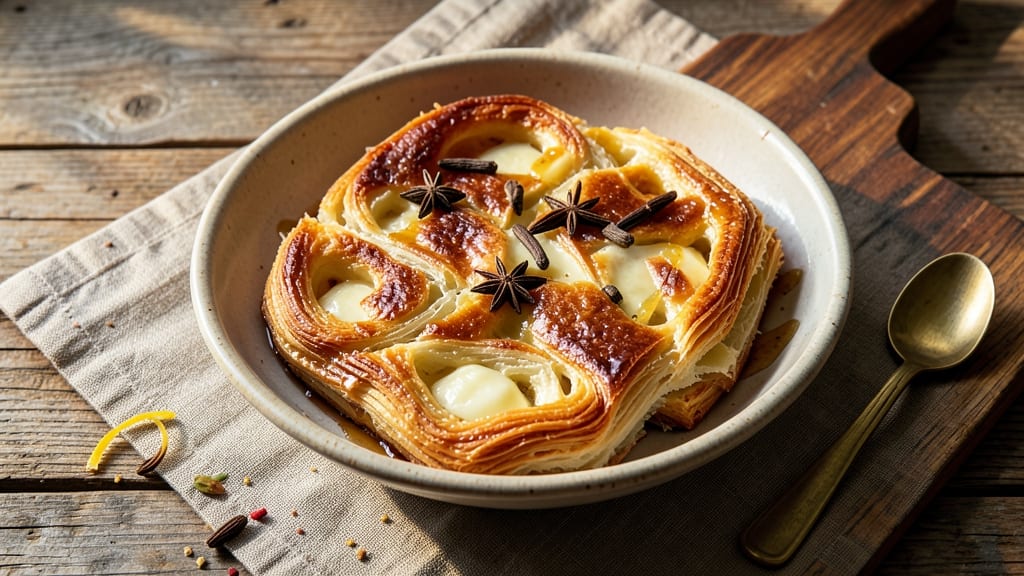
This Armenian sweet bread gata recipe brings the delicate, layered sweetness of a traditional Armenian dessert to your kitchen without yeast or complex techniques. The secret lies in its tender, flaky layers infused with cardamom—a spice that defines Armenian baking—and a simple dough that transforms into golden, melt-in-your-mouth perfection. Unlike many sweet breads, gata relies on precise folding and steam for its signature texture, making it both rewarding and approachable for home bakers.
The beauty of gata is in its simplicity: just flour, butter, sugar, and cardamom come together to create a dessert that’s as visually stunning as it is delicious.
The dough is rolled, folded, and baked in a way that mimics the traditional method of layering, resulting in a bread that’s crisp on the outside and soft within.
What sets this recipe apart is the absence of yeast, allowing the natural sweetness of the dough to shine while the cardamom adds a warm, aromatic depth that’s unmistakably Armenian.
By the time it emerges from the oven, gata will be golden and fragrant, with layers that separate just enough to reveal its tender interior. The crust holds its shape without being too hard, and the scent of cardamom fills your kitchen—proof that you’ve created something special.
This is a dessert that feels like a hug: comforting, familiar, and impossible to resist. Perfect for celebrations or a cozy afternoon treat, it’s the kind of recipe that turns a simple baking session into a cultural experience.
While the traditional version is sweet, you can easily adapt it with savory fillings like cheese or herbs for a versatile twist. The key to success lies in patience—allowing the dough to rest and the layers to develop properly ensures a result that’s light, airy, and full of flavor.
Let’s get started on creating this timeless Armenian treasure.
Ingredients for armenian sweet bread gata
Four simple ingredients transform into golden layers of cardamom sweetness—no yeast needed.
| Ingredient | Amount | Notes |
|---|---|---|
| All-Purpose Flour 🌾 | 4 cups | Sifted for light texture |
| Unsalted Butter 🧈 | 1 ½ cups | Cold, cubed for flakiness |
| Granulated Sugar 🍚 | 1 ½ cups | Superfine preferred for smoothness |
| Ground Cardamom 🌿 | 1 ½ tbsp | Freshly ground for aroma |
| Large Eggs 🥚 | 3 whole | Room temperature for blending |
| Vanilla Extract 🍯 | 1 tbsp | Pure vanilla preferred |
| Fine Sea Salt 🧂 | ½ tsp | Balances sweetness |
| Water 💧 | ½ cup | Cold for dough consistency |
| Powdered Sugar 🍚 | 1 cup | For dusting finished gata |
The cardamom is non-negotiable here—Penzeys or Spicewalla are my go-tos for quality, but the bulk bins at Whole Foods work too. Look for pods that are plump and aromatic; if they smell stale, toss them. For the butter, Plugrá or Land O’Lakes unsalted melt beautifully, but any cold, high-fat butter will do. The flour? King Arthur or Gold Medal are consistent, but don’t stress—your grocery store’s basic all-purpose will work fine. Pro tip: chill your butter cubes for 30 minutes before mixing to keep the dough from getting too soft.
No cardamom pods? Ground cardamom from a spice jar works in a pinch, but toast the seeds first for deeper flavor. Out of vanilla? Almond extract at half the amount mimics the warmth. The dough gets sticky—don’t panic. If it’s too wet, add 1 tbsp more flour; too dry? Mix in 1 tsp water. For the powdered sugar, Domino or C&H are fine, but sift it before dusting to avoid clumps. And if you’re feeling fancy, swap half the granulated sugar for turbinado for crunch—just know it’ll make the layers slightly less tender.
This dough keeps for 3 days wrapped in plastic in the fridge, but it’s best fresh. For make-ahead, shape the gata and freeze it (unbaked) for up to 1 month)—thaw overnight before baking. The finished gata stays crisp for 2 days in an airtight container, but honestly? It’s best the day it’s made. Store any leftovers at room temp to keep the layers perfect. And if you’re making this for a crowd, double the recipe—it disappears fast.
Why You'll Love This Recipe
- No-Knead Magic: I swear by this dough—just mix, rest, and roll. No stand mixer, no fuss, and that butter gets folded in like a dream. Honestly, my lazy Sunday mornings thank me every time.
- Cardamom Kiss: That warm, floral cardamom? It’s the star—subtle but unforgettable. The sugar caramelizes just enough to give it a buttery, almost honeyed depth. (Yes, even on a Tuesday night.)
- Breakfast or Dessert: Same dough, endless uses. Toast it for breakfast, drizzle with jam, or bake it into a loaf for a showstopping dessert. My kids fight over the leftovers—proof it works both ways.
- Budget-Friendly Staples: Flour, butter, sugar—ingredients you already own. One batch feeds six, and the leftovers? Perfect for lunchboxes or a quick snack. I’ll be real: this recipe saves me money and time.
Step-by-step instructions for Armenian sweet bread gata
Here's how to create that signature layered texture and cardamom aroma without yeast.
Create the Dough Base
In a large mixing bowl, combine the 4 cups all-purpose flour and 1.5 tbsp ground cardamom. Whisk together until the cardamom is evenly distributed—you'll smell that warm, floral aroma right away. This is where the signature flavor starts.
Cut the 1.5 cups cold, cubed unsalted butter into the flour mixture using a pastry cutter or your fingers. Work quickly but gently to create pea-sized butter pieces throughout. The cold butter will create those beautiful flaky layers later. If the mixture feels too dry, add 1-2 tablespoons of ice water from the 0.5 cup reserved for later.
Incorporate Wet Ingredients
Add the 1.5 cups granulated sugar, 3 whole large eggs (room temperature), 1 tbsp vanilla extract, and 0.5 tsp fine sea salt to the bowl. Mix gently with a wooden spoon or your hands until everything comes together into a shaggy dough. Don't overwork it—just combine until the dough holds together when pressed.
If the dough feels too sticky, add the remaining 0.5 cup cold water a tablespoon at a time until it forms a smooth, pliable ball. The dough should be soft but not wet. Wrap it tightly in plastic wrap and refrigerate for at least 1 hour (up to 24 hours). This resting period relaxes the gluten and makes rolling easier.
Roll and Layer the Dough
Preheat your oven to 350°F. On a lightly floured surface, roll out the chilled dough into a 12x16-inch rectangle about 1/8-inch thick. Sprinkle 1/3 of the powdered sugar evenly over the surface, leaving a 1-inch border uncovered. This will create the signature sweet layers.
Starting from the long side, roll the dough tightly into a log, then slice it into 12 equal pieces (about 1-inch thick). Arrange them closely together in a 9x13-inch baking pan, seam side down. Brush the tops with any remaining powdered sugar mixture for extra shine and sweetness.
Bake to Golden Perfection
Bake for 30-35 minutes until the edges are golden brown and the top looks set. The center should still feel slightly soft when pressed—it'll firm up as it cools. Rotate the pan halfway through for even baking.
Let the gata cool in the pan for 10 minutes, then transfer to a wire rack. Once completely cooled, dust generously with the remaining 1/3 cup powdered sugar for that classic Armenian finish. The layers should be tender, slightly chewy, and infused with cardamom throughout.
Pro Tips For Making Armenian Sweet Bread Gata
- Chill the Dough Properly: I learned this the hard way—skipping the cold rest makes the butter too soft, and your gata will spread like a pancake instead of holding its shape. Wrap the dough tightly in plastic and refrigerate for at least 2 hours (or overnight if you can). The butter needs time to firm up, or you’ll fight with it later when rolling.
- Use Cold Butter, Not Room-Temp: This isn’t the prettiest method, but it’s the tastiest: cut that unsalted butter into small cubes and freeze it for 10 minutes before mixing it into the flour. Cold butter creates flaky layers—room-temperature butter just melts into a dense, greasy mess. Trust the process, even if it feels like overkill.
- Don’t Overwork the Dough: I was skeptical until I tried it: handle the dough just enough to combine it, then stop. Overmixing develops gluten, and your gata will turn out tough instead of tender. Once the butter is evenly distributed, fold it 2-3 times max—no need to punch or knead like bread dough.
- Weigh Your Flour (Yes, Really): This makes a real difference, especially with gata, where texture is everything. Spooning flour from a jar packs it too loosely, leading to dry, crumbly results. Use a kitchen scale for accuracy—aim for 400g of flour (or 3 ¼ cups by volume, lightly spooned and leveled). Your future self will thank you.
Creative variations of armenian sweet bread gata
Classic Armenian Gata
This traditional version stays true to its roots with just cardamom, butter, and sugar for that signature layered sweetness. The dough is rolled into a log, sliced into pieces, and baked until golden—each slice reveals tender, flaky layers.
For extra authenticity, use freshly ground cardamom and brush the tops with a simple egg wash before baking. The result is a dessert that’s crisp on the outside and soft within, with a warm cardamom aroma that fills your kitchen. 🌿
Savory Cheese Gata
Swap the sugar for 1 cup grated sharp cheddar and ½ cup crumbled feta, plus 1 tsp dried oregano. Roll the dough as usual, but sprinkle the cheese mixture over the surface before slicing.
Bake as directed—this version makes a fantastic breakfast or snack with a honey drizzle after cooling. The cheese adds a salty contrast that balances the buttery richness perfectly.
Poppy Seed Swirl
Mix ½ cup poppy seeds with 2 tbsp melted butter and 1 tbsp honey for a swirl filling. After rolling the dough into a log, use a skewer to create a spiral pattern before slicing.
Bake as usual, then dust with powdered sugar mixed with a pinch of ground cinnamon for warmth. The poppy seeds add a nutty crunch that pairs beautifully with the soft layers. 💫
Lemon-Zest Variation
Add zest of 2 lemons and 1 tbsp lemon juice to the dough for a bright, citrusy twist. Use superfine sugar to keep the texture tender, and finish with a lemon glaze (powdered sugar + lemon juice) after baking.
This version is lighter and perfect for summer gatherings. The lemon zest infuses the butter beautifully, creating a refreshing balance to the cardamom.
Nutty Almond Gata
Fold ½ cup finely chopped almonds into the dough before rolling. After slicing, press a few extra almonds onto the tops for decoration. Bake as directed, then dust with powdered sugar.
The almonds add a satisfying crunch and a subtle nutty flavor that complements the cardamom. For extra richness, toast the almonds lightly before mixing them in.
Spiced Orange Gata
Infuse the butter with zest of 1 orange and ½ tsp ground cinnamon while it cools. Use turbinado sugar for a crunchy texture, and finish with a candied orange peel topping.
The orange zest brightens the cardamom, creating a complex flavor profile. This variation is especially festive for holiday celebrations and pairs well with strong black tea.
Nutrition facts
Frequently asked questions
Why does Armenian gata have layers?
The signature layers come from the precise rolling and folding technique combined with cold butter. When the dough is rolled thin and sliced into pieces, the butter creates steam during baking, which separates the layers into tender, flaky sections. This method is key to achieving that melt-in-your-mouth texture!
Can I make gata without cardamom?
Yes, but the flavor will be less authentic. Replace the cardamom with 1 tsp cinnamon or ½ tsp vanilla bean paste for warmth. If you're feeling adventurous, try 1 tsp orange zest for a citrusy twist. The spice is what makes gata uniquely Armenian, though!
How do I store leftover gata?
Keep it in an airtight container at room temperature for up to 3 days—the layers stay perfect this way. For longer storage, freeze the baked gata (before dusting with powdered sugar) for up to 1 month. Thaw overnight in the fridge. Avoid refrigerating baked gata, as it can make the layers soggy.
What's the best way to reheat gata?
Gata is best enjoyed fresh, but if you need to warm a slice, place it in a 200°F oven for 3-5 minutes until lightly toasted. For a quick fix, wrap it in a damp paper towel and microwave for 10 seconds—just enough to soften without drying it out. Avoid over-heating, or the layers may lose their tenderness.
Can I use this dough for other pastries?
The same dough works beautifully for twists, braids, or even individual pastries. For twists, roll the dough into a log, slice into ½-inch pieces, twist each piece, and bake as directed. For braids, divide the dough into 3 strands, braid, and bake in a loaf pan. The versatility makes this dough a baking MVP!