
Side Dishes
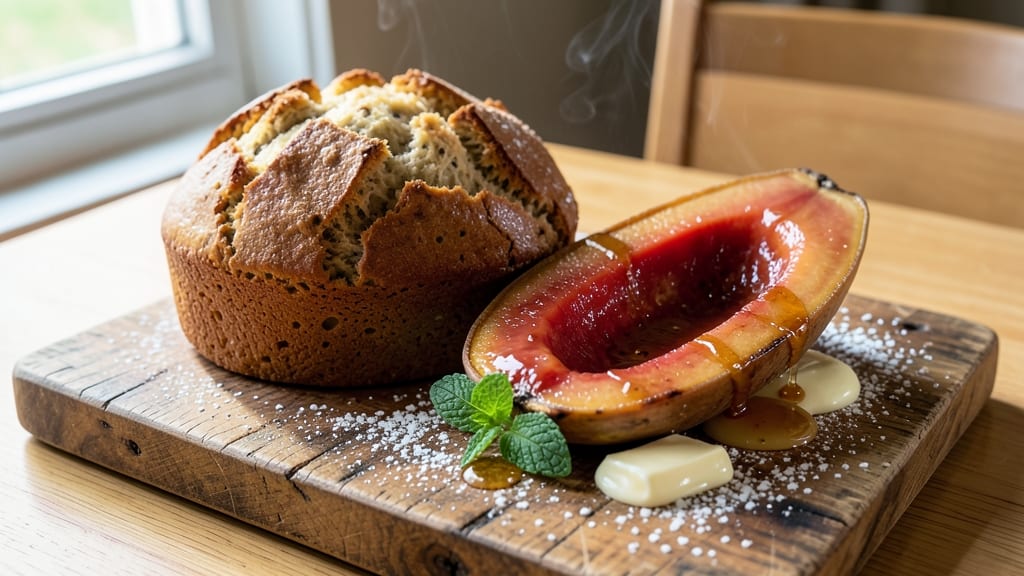
This Antigua bread recipe brings the warm, sweet aroma of Caribbean kitchens into your home, where tender plantain swirls create a buttery, golden crust that melts in your mouth. 🌟 The secret lies in the perfect balance of ripe plantains and flour, kneaded just enough to create that signature dense yet flaky texture.
What makes this bread truly special is how it transforms simple ingredients into something rich and comforting—ideal for breakfast or as a side with stews and curries.
Mastering this recipe means paying attention to the plantains—the riper they are, the sweeter and more flavorful the bread becomes. The dough requires patience, with a long rise time that develops deep, caramelized flavors, while the baking process ensures a crispy crust without sacrificing the soft, pillowy interior.
This is bread that feels like a hug, with every bite offering a taste of Antigua’s culinary heart.
What sets this bread apart is its versatility—enjoy it fresh from the oven, toasted for breakfast, or even sliced and served with butter and jam. The plantain swirls add a natural sweetness that pairs beautifully with savory dishes, making it a staple for any meal.
Once you try this, you’ll understand why it’s a beloved tradition in Antigua and a must-have in your kitchen.
For the best results, use ripe but firm plantains and let the dough rise in a warm place until it’s nearly doubled in size. The key to that perfect crust is baking at the right temperature—too hot, and it burns; too cool, and it stays doughy.
With these tips, you’ll achieve a loaf that’s crisp on the outside, tender inside, and impossible to resist.
Ingredients for antigua bread
Sweet plantains and rich butter create Antigua's iconic bread with golden crust and tender swirls.
| Ingredient | Amount | Notes |
|---|---|---|
| Ripe Plantains 🍌 | 2 whole | Yellow with black spots, peeled |
| All-Purpose Flour 🌾 | 4 cups | Unbleached preferred for texture |
| Granulated Sugar 🍚 | ½ cup | White or brown sugar |
| Unsalted Butter 🧈 | ½ cup | Cold, cubed for dough |
| Active Dry Yeast 🍞 | 2 ¼ tsp | Or 1 packet instant yeast |
| Warm Water 💧 | 1 cup | 110°F to activate yeast |
| Large Eggs 🥚 | 2 whole | Room temperature preferred |
| Salt 🧂 | 1 tsp | Kosher or sea salt |
| Ground Cinnamon 🌿 | 1 tsp | Optional for warmth |
| Vanilla Extract 🍯 | 1 tsp | Pure vanilla for flavor |
| Milk 🥛 | ¼ cup | Warmed for dough tenderness |
Plantains are the star—look for ones that are yellow with black spots (that's ripe enough for sweetness). Caribbean markets or well-stocked Latin grocery stores often have the best selection, but any supermarket with a produce section will work. If you can't find ripe plantains, substitute with ripe bananas (they'll be less sweet but still delicious). The butter needs to be cold when you mix it into the dough—this creates those signature flaky layers. I always grab European-style butter (like Plugrá) if I'm feeling fancy, but regular unsalted works perfectly fine. The yeast is non-negotiable here—if it's past its expiration, your bread won't rise properly.
No vanilla extract? Almond extract at half the amount works in a pinch, though it'll have a different flavor. Short on milk? Warm water plus a pinch of sugar mimics the same effect. The cinnamon is totally optional, but if you love spice, double it up. For the flour, King Arthur or Bob's Red Mill brands give the best texture—avoid bread flour if you can, as it makes the dough too tough. If you're making this ahead, pre-peel and slice the plantains, then store them in the freezer until ready to use—they'll stay fresh for weeks.
This dough needs time—plan for at least 2 hours of rising (longer if your kitchen is cool). Cover it with a damp towel and let it sit in a warm spot (like near your oven with the light on). The plantain swirls keep best for 3 days at room temperature, wrapped tightly in plastic. For longer storage, freeze slices for up to 3 months—just thaw at room temp before toasting. Trust me, the first slice out of the freezer tastes just as magical as day one.
Why You'll Love This Recipe
- Sweet & Simple: I swear by this dough—just mix, let it rise, and fold in those caramelized plantains. No fancy techniques, no stress, and honestly? The yeast does all the heavy lifting while I sip my coffee.
- Plantain Magic: That first bite of warm, buttery bread with ripe plantains folded inside? It’s like dessert and breakfast had a baby. The sugar in the plantains caramelizes as it bakes, giving it a depth that’s dangerously addictive.
- Breakfast to Brunch: Serve it toasted with butter for a quick breakfast, or tear it into pieces for a brunch platter with jam and cheese. Between us, I’ve even used leftover slices to make French toast—yes, even on a Tuesday night.
- Budget-Friendly Staple: Plantains are cheap, flour lasts forever, and a little butter goes a long way. This bread stretches across meals, freezes like a dream, and feeds my whole family without breaking the bank. My secret weapon for lazy Sundays.
Step-by-step instructions for sweet plantain swirls and buttery crust Magic
Let's create this Caribbean-inspired treasure with its signature plantain swirls and golden crust!
👨🍳 Step 1: Prepare the Plantain Filling
Start by peeling the 2 whole ripe plantains - look for those with yellow skin and black spots. Cut them into ½-inch thick slices and arrange them in a single layer on a parchment-lined baking sheet. Bake at 375°F for 15 minutes until they soften and begin to caramelize slightly.
Once tender, transfer the plantain slices to a food processor and pulse until you get a smooth, thick puree - about 1-2 minutes. You want it to be smooth but still hold its shape when swirled into the dough. Set this aside while you prepare the dough base. The plantain puree should be slightly sticky and have a rich caramel aroma.
👨🍳 Step 2: Activate the Yeast and Mix the Dough
In a large bowl, combine the 1 cup warm water (about 110°F) with the 2.25 tsp active dry yeast. Let it sit for 5-10 minutes until it becomes frothy - this confirms your yeast is active. If it doesn't bubble, your bread won't rise properly.
Add the 4 cups all-purpose flour, 0.5 cup granulated sugar, 1 tsp salt, 1 tsp ground cinnamon, and 1 tsp vanilla extract to the yeast mixture. Mix with a wooden spoon until a shaggy dough forms. Then add the 2 whole large eggs and 0.25 cup milk, mixing until just combined. The dough will be sticky but manageable.
🍳 Step 3: Incorporate the Plantain Puree and Knead
Make a well in the center of the dough and add the plantain puree. Using a spatula, gently fold the puree into the dough until fully incorporated. Then turn the dough out onto a lightly floured surface and knead for 5-7 minutes until smooth and elastic. You'll notice the plantain adds natural sweetness and moisture to the dough.
Shape the dough into a 12-inch round (about 1-inch thick). Place it in a greased bowl, cover with a damp towel, and let it rise in a warm place for 1 hour or until doubled in size. The dough should spring back slowly when gently pressed - this is your sign it's ready for the next step.
🔥 Step 4: Shape and Bake the Swirl Loaf
Preheat your oven to 350°F. Cut the risen dough into 8 equal wedges (like pizza slices) and arrange them in a circle on a parchment-lined baking sheet. Gently press the 0.5 cup cold unsalted butter into the center of the circle, then bring the dough edges together to form a loaf, sealing the edges tightly.
Roll the loaf seam-side down on the baking sheet and make 4-5 diagonal cuts about ½-inch deep through the top. Brush with a little milk for extra browning. Bake for 30-35 minutes until golden brown and the internal temperature reaches 190°F. The loaf should sound hollow when tapped on the bottom.
⏰ Step 5: Cool and Serve for Maximum Flavor
Let the bread cool on a wire rack for at least 20 minutes before slicing - this prevents the loaf from falling apart. The plantain swirls should be visible through the golden crust, and each slice should reveal those beautiful caramelized plantain strands throughout.
For best results, serve warm with butter or jam. The contrast between the sweet plantain filling and the buttery crust makes every bite magical. Store any leftovers in an airtight container for up to 3 days - though I doubt you'll have any left!
Pro Tips For Making Antigua Bread
- Mash Plantains Like Pulp: Skip chopping—boil them whole until tender, then mash directly in the pot until smooth. I used to peel and chop, but this saves time and avoids gummy texture. (Yes, even if you’re impatient like me.)
- Proof Yeast in Warm Milk: Dissolve yeast in warm milk (not water) with a pinch of sugar first—it blooms faster and cuts down on dough rise time. I learned this the hard way after waiting 45 minutes for a sluggish starter.
- Shape Dough Tight and Round: Press the dough into a compact, slightly flattened ball before baking—this prevents cracks and gives that classic Antigua bread dome. My first attempts looked like deflated balloons.
- Butter the Pan Hot: Coat the baking dish with softened butter after heating it for 2 minutes—this seals the crust and makes it golden without sticking. I skipped this once and ended up with a sad, pale loaf.
Flavor customization for these flavors
Sweet vs Savory
The classic Antigua bread recipe leans sweet with ripe plantains and cinnamon, but you can easily adapt it for savory versions. Replace the ½ cup granulated sugar with ½ cup unsalted butter (for richness) and omit the cinnamon.
Add 1 tsp garlic powder and 1 tsp dried thyme for a Caribbean-inspired savory twist. The plantain puree still adds natural sweetness, but the crust becomes more buttery and less sugary. Perfect for breakfast with scrambled eggs or alongside stews. 🌶️
Spiced Variations
For a warm, aromatic kick, boost the spices in your dough. Add ½ tsp ground nutmeg and ¼ tsp allspice to complement the cinnamon. These spices pair beautifully with the plantain's natural sweetness, creating a bread that tastes like a Caribbean spice cake.
If you love heat, sprinkle ½ tsp cayenne pepper into the dough for a subtle kick. The nutmeg adds depth, while allspice gives it that classic Caribbean warmth.
Nutty Add-Ins
For extra texture and flavor, fold in ½ cup chopped walnuts or pecans into the dough before shaping. Toast the nuts in a dry pan for 3-4 minutes until fragrant, then mix them into the plantain puree.
The nuts add crunch and richness, balancing the bread's sweetness. If you prefer a smoother texture, blend the nuts with the plantain puree for a nutty swirl instead of chunks. 🌰
Herbal Infusions
Brighten the bread with fresh herbs like mint or cilantro. Finely chop 2 tbsp fresh mint leaves or cilantro stems and leaves and mix them into the plantain puree. The herbs add a refreshing contrast to the sweetness, making this bread perfect for summer breakfasts.
For a stronger herbal note, steep 2 tbsp dried lavender in the warm water before mixing with yeast. The floral aroma pairs surprisingly well with the plantains.
Gluten-Free Adaptation
To make this bread gluten-free, replace the 4 cups all-purpose flour with a 1:1 gluten-free flour blend (like Bob's Red Mill or King Arthur). Add 1 tsp xanthan gum to help bind the dough. The texture will be slightly denser, but the plantain swirls remain just as delicious.
Let the dough rise for 30-45 minutes longer since gluten-free flours take more time to develop. The bread will still have that signature buttery crust, just with a softer, more tender crumb. 💪
Nutrition facts
Frequently asked questions
Why does Antigua bread have plantain swirls?
The plantain swirls are the heart of this bread's signature flavor! Ripe plantains add natural sweetness and moisture that balances the buttery crust, while their caramelized texture creates those beautiful golden strands throughout. This technique originated in Caribbean baking where plantains were a staple ingredient, offering a unique twist on traditional bread.
Can I make this bread without a food processor?
For the plantain puree, mash the baked slices with a potato masher or fork until smooth. You may need to strain it through a fine-mesh sieve to remove any lumps. The texture will be slightly different but still delicious—just expect a more rustic presentation with visible plantain chunks.
How do I know when the dough has risen enough?
Gently press your finger into the dough—if it springs back slowly (takes 1-2 seconds to return), it's ready! The dough should also look puffy and nearly double in size. For visual confirmation, check the edges: they should pull away slightly from the bowl when lifted.
What's the best way to store leftovers?
Wrap cooled slices tightly in plastic wrap or store in an airtight container. It keeps well at room temperature for 3 days, or freeze slices for up to 3 months. To revive, warm in a 350°F oven for 5-10 minutes until crispy again.
Can I substitute ripe bananas for plantains?
Yes, but expect a milder flavor and less moisture. Use 2 very ripe bananas (mashed) and add 1 extra tablespoon of sugar to compensate. The texture will be slightly denser, but it still makes a tasty bread. For best results, keep the cinnamon and vanilla for that authentic touch.