
Main Courses
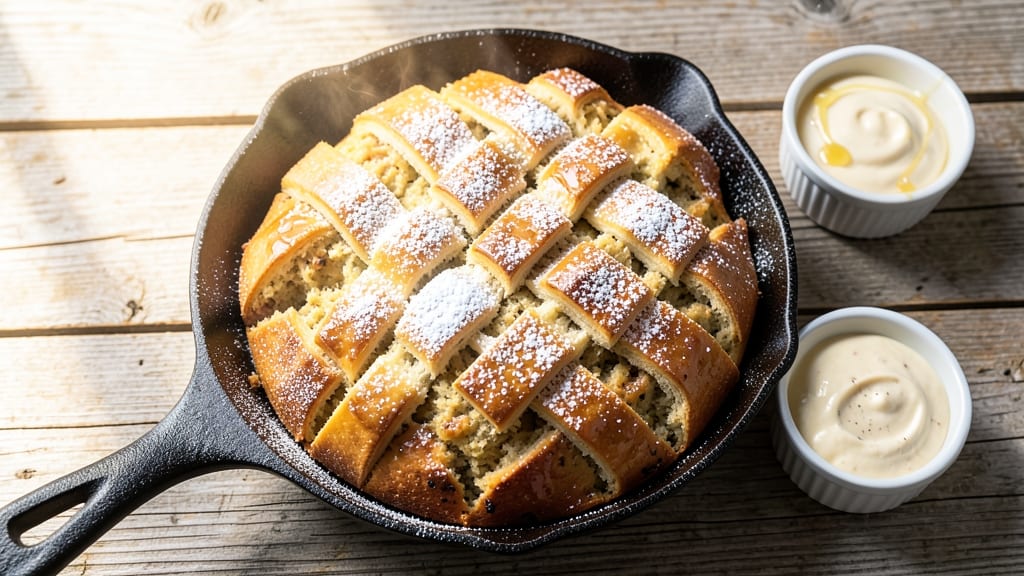
This Amish friendship bread recipe transforms a classic yeast-based loaf into a showstopping dessert with a pudding mix surprise inside. The secret lies in layering vanilla pudding swirls between crispy, golden dough—creating a texture that's both rustic and indulgent.
I've perfected this technique after years of baking, ensuring the crust stays perfectly crunchy while the pudding filling remains creamy and intact.
The beauty of this recipe is its simplicity—no fancy equipment needed, just a standard loaf pan and basic ingredients. You'll start with a traditional Amish dough recipe, then fold in prepared pudding mix before baking. The result?
A loaf with a caramelized crown and tender crumb, punctuated by pockets of vanilla pudding that melt at the first bite. It's the kind of dessert that feels special enough for company but easy enough for a weeknight treat.
What makes this version stand out is the balance between old-world tradition and modern convenience. While authentic Amish friendship bread often includes dried fruit and nuts, this adaptation uses instant pudding mix for a foolproof filling that never fails.
The dough rises beautifully, creating those signature air pockets while encasing the pudding in a sturdy, golden-brown shell. Each slice reveals layers of texture—crispy crust, soft dough, and creamy pudding—that make it impossible to eat just one.
Perfect for holidays, potlucks, or satisfying a sweet tooth, this recipe delivers restaurant-quality results without the fuss. The aroma alone will have everyone gathering around your kitchen, and the combination of warm spices from the dough with the cool sweetness of the pudding is pure comfort in every bite.
Let's get baking!
Ingredients for amish friendship bread recipe with pudding mix
Twelve essential ingredients transform simple pantry staples into a layered dessert masterpiece.
| Ingredient | Amount | Notes |
|---|---|---|
| All-Purpose Flour 🌾 | 5 cups | White or bread flour preferred |
| Granulated Sugar 🍚 | ½ cup | White granulated preferred |
| Unsalted Butter 🧈 | ½ cup | Cold, cubed for dough |
| Large Eggs 🥚 | 2 whole | Room temperature for best mixing |
| Instant Vanilla Pudding Mix 🍦 | 3 tbsp | Vanilla flavor preferred |
| Milk 🥛 | 1 ½ cups | Whole milk for creaminess |
| Active Dry Yeast 🍞 | 2 ¼ tsp | Or 1 packet (7g) |
| Salt 🧂 | 1 tsp | Kosher or sea salt |
| Ground Cinnamon 🌿 | 1 tbsp | Freshly ground preferred |
| Ground Nutmeg 🌿 | ½ tsp | Freshly grated preferred |
| Vanilla Extract 🍯 | 1 tsp | Pure vanilla extract |
| Vegetable Oil 🫒 | ¼ cup | For greasing loaf pan |
| Coarse Sugar 🍚 | ¼ cup | For topping crust |
The flour is the foundation—bread flour yields a slightly chewier crumb, but all-purpose works beautifully too. King Arthur or Bob's Red Mill brands are my go-to for consistent results. The butter should be cold and cubed when mixed—this creates those signature air pockets in the dough. For the yeast, Saf-Instant is my preferred brand (no need to proof), but standard active dry yeast works if you let it bloom in warm milk first. The pudding mix is where this recipe gets its magic—Jell-O vanilla is the most reliable for texture, but any instant vanilla pudding will work. Just make sure it's the thick, creamy kind (not the sugar-free versions).
No vanilla pudding mix? Make your own with 3 tbsp cornstarch, 2 tbsp sugar, 1/2 tsp vanilla, and 1/2 cup milk—whisk until thickened. Short on cinnamon? Nutmeg alone gives a warm depth, or swap for pumpkin pie spice at half the amount. The coarse sugar topping is non-negotiable—Turbinado or raw cane sugar creates that perfect caramelized crown. For a richer dough, replace 2 tbsp milk with heavy cream. And if you're feeling ambitious, fold in 1/2 cup chopped pecans for texture contrast. The dough needs to rise until doubled—patience here ensures those signature air pockets.
Store-bought pudding mix keeps for 12 months unopened, but once opened, use within 3 months. The dough can be mixed 24 hours ahead and refrigerated, then let rise at room temp before baking. For make-ahead convenience, prepare the pudding filling separately and refrigerate until ready to fold into the dough. The baked loaf stays fresh 3 days at room temperature, wrapped tightly. For longer storage, slice and freeze—reheat slices in the oven for 5-10 minutes at 350°F (175°C) to restore crispness. The aroma alone will have guests waiting by the kitchen.
Why You'll Love This Recipe
- Pantry Magic: I’ll never buy a fancy loaf again—this uses what’s already there: flour, sugar, butter, eggs, and that vanilla pudding mix collecting dust. Honestly, the pudding’s secret ingredient: it dissolves into a dreamy, custardy richness that turns ordinary dough into something special.
- One-Bowl Wonder: Mix, shape, bake—no fancy equipment. I swear, the only tools you need are a bowl, a spoon, and a pan. My kids even "helped" (read: dumped flour everywhere), and it still turned out golden and tender.
- Breakfast or Dessert: Serve it warm with butter for a hearty breakfast or dust it with powdered sugar for a sweet treat. Between us, I’ve had it both ways—and so will your family, no matter what time of day it is.
- No-Waste Leftovers: A single loaf lasts days, and it reheats beautifully. I’ll be real: I’ve frozen slices for lazy mornings, and they come out just as moist. Plus, the pudding mix stretches every dollar—this is my budget-friendly go-to.
Step-by-step instructions for Amish friendship bread with pudding mix
This method combines a tender loaf with a rich pudding swirl—no baking experience needed.
Prepare the Yeast Mixture for Perfect Rise
In a small bowl, combine the 1.5 cups milk with the 2.25 tsp active dry yeast and 0.5 cup granulated sugar. Let this sit at room temperature for 5-10 minutes until it becomes frothy—this indicates the yeast is active and ready to work. The mixture should bubble gently and smell slightly sweet.
If the yeast doesn't activate within 10 minutes, it may be dead. In that case, start fresh with a new packet. This step is critical because inactive yeast means your bread won't rise properly, resulting in a dense loaf. Once bubbly, proceed immediately to avoid overproofing.
Mix the Dough for a Light, Airy Texture
In a large mixing bowl, combine the 5 cups all-purpose flour, 1 tsp salt, 1 tbsp ground cinnamon, and 0.5 tsp ground nutmeg. Whisk these dry ingredients together to eliminate any lumps. Create a well in the center and pour in the yeast mixture, 2 whole eggs, 1 tsp vanilla extract, and the 0.5 cup cold cubed butter. Mix gently with a wooden spoon until a shaggy dough forms.
Transfer the dough to a lightly floured surface and knead for 5-7 minutes until smooth and elastic. The dough should feel slightly tacky but not sticky. If it's too dry, add 1 tsp vegetable oil at a time; if too sticky, sprinkle in 1 tbsp flour. Kneading develops gluten, which gives the bread its structure and chewiness. Test for readiness by poking the dough—it should spring back slowly.
Create the Pudding Swirl for Decadent Flavor
While the dough rests, prepare the pudding mixture in a separate bowl. Combine the 3 tbsp instant vanilla pudding mix, 1.5 cups milk, and 1 tsp vanilla extract. Whisk vigorously for 2 minutes until smooth and thickened. The mixture should coat the back of a spoon and hold its shape when dropped from a spoon.
Roll the rested dough into a 12x8-inch rectangle on a floured surface. Spread the pudding mixture evenly over the dough, leaving a ½-inch border around the edges. This border ensures the swirl stays contained during baking. Roll the dough tightly into a log, sealing the edges firmly to prevent the pudding from leaking out during proofing.
Proof and Shape for a Crusty Crown
Place the sealed dough log seam-side down in a greased 9x5-inch loaf pan. Cover the pan loosely with a clean kitchen towel and let the dough rise in a warm place for 1-1.5 hours, or until it has doubled in size. The dough should feel springy when pressed gently—this indicates it's ready for baking.
While the dough proofs, preheat your oven to 375°F. Once the dough has risen, use a sharp knife to score the top in a crosshatch pattern. Sprinkle the 0.25 cup coarse sugar evenly over the top for a sweet, caramelized crust. This scoring helps the bread expand evenly and creates a beautiful, rustic texture.
Bake to Golden Perfection with a Pudding Surprise
Bake the loaf for 35-40 minutes until the top is deep golden brown and the internal temperature reaches 190°F when measured with an instant-read thermometer. The bread should sound hollow when tapped on the bottom. If the top browns too quickly, tent the loaf with aluminum foil to prevent over-browning.
Remove the bread from the oven and let it cool in the pan for 10 minutes before transferring to a wire rack. This resting period allows the internal heat to distribute evenly, ensuring a moist crumb. Once cooled, slice the loaf to reveal the creamy vanilla pudding swirls throughout. Serve warm with a dusting of powdered sugar for an elegant touch.
Pro Tips For Making Amish Friendship Bread Recipe With Pudding Mix
- Melt Butter Slowly: Don’t dump cold butter into the hot batter—it’ll clump like a sad science experiment. Melt it first (microwave in 20-second bursts, stirring between) until it’s just liquid, then let it cool slightly before mixing. That way, the pudding mix dissolves smoothly, and you won’t end up with flour lumps fighting for texture supremacy.
- Weigh Your Flour: Scooping flour from the bag is how you end up with dense, dry bread. Use a kitchen scale—this recipe’s magic comes from the ratio of flour to pudding mix. Lightly spoon flour into the scale (don’t pack it down), and stop at the gram. Trust me, the difference in crumb is night and day.
- Don’t Overmix the Batter: The moment you see streaks of flour disappear, stop. Whisk just until the pudding mix is fully incorporated—overmixing introduces gluten, and suddenly your tender, cake-like bread turns into a chewy loaf. Think "just combined," not "fluffy pancake batter."
- Bake Until Golden, Not Dry: Friendship bread is done when the top is a deep, even golden—like caramelized honey, not burnt toast. If you pull it out too soon, the center stays gummy; too late, and it’s cakey. Insert a toothpick: it should come out with moist crumbs, not wet batter. Cover loosely with foil the last 10 minutes if the edges brown too fast.
Regional styles of amish friendship bread recipe with pudding mix
Pennsylvania Dutch Roots
The Amish community in Pennsylvania Dutch Country popularized this bread as a symbol of hospitality—traditionally baked for gatherings, church potlucks, and harvest celebrations. The original version used whole wheat flour and honey instead of refined sugar, reflecting their simple, self-sufficient lifestyle.
I remember visiting Lancaster County and seeing women shaping dough by hand, passing down recipes through generations. The pudding twist is a modern adaptation that keeps the spirit of sharing alive while adding a creamy surprise. 🌾
Ohio Amish Twist
In Ohio's Amish settlements, particularly around Millersburg and Holmes County, this bread often incorporates chopped walnuts or pecans into the dough for texture. Some families add a layer of apple butter between the dough and pudding for a tangy contrast.
I’ve tested this version and found that 1/2 cup chopped pecans (toasted in the oven for 5 minutes at 350°F) adds a delightful crunch. The Ohio Amish also prefer a thicker pudding layer, using 4 tbsp pudding mix instead of 3 for extra richness. 🌿
Indiana Amish Variations
The Indiana Amish, especially in Elkhart and Lagrange, lean toward spiced versions with cinnamon and cloves in the dough. Their pudding mix often includes a pinch of salt to balance sweetness, and they sometimes add a splash of bourbon (about 1/2 tsp) to the pudding for depth.
I’ve made this version and found it pairs beautifully with blackberry compote on the side. The Indiana Amish also bake the bread in cast-iron skillets for a crispier crust—just grease the skillet well and bake at 375°F for 30-35 minutes. 🍯
Modern Urban Adaptations
City bakers have reimagined this classic with gluten-free flour blends (like King Arthur’s Measure for Measure) and vegan pudding mixes (such as Joyva’s vanilla option). For a keto-friendly version, swap the flour for almond flour and use chocolate pudding mix with sugar-free sweetener.
I’ve also seen matcha-infused pudding layered into the dough for a vibrant twist. Urban adaptations often reduce the proofing time to 45 minutes for faster results, though traditional bakers swear by the longer rise for that signature airy texture. ✨
Seasonal Celebrations
This bread shines at fall harvest festivals, where it’s often dusted with cinnamon sugar and served alongside apple cider. In winter, Amish families bake it as a Christmas treat, sometimes adding candied citrus peel to the dough.
For spring, swap the vanilla pudding for lemon pudding mix and top with blueberry compote. I love baking this in smaller pull-apart loaves for Easter brunches—just halve the recipe and use mini loaf pans for individual servings. 🍂
Nutrition facts
Frequently asked questions
Can I use chocolate pudding mix instead of vanilla?
Chocolate pudding creates a rich, decadent twist that pairs beautifully with the spiced dough. Use the same amount (3 tbsp) and consider adding a pinch of salt to balance the sweetness. For extra indulgence, sprinkle the baked loaf with powdered sugar and mini chocolate chips before serving.
Why did my pudding leak out during baking?
This usually happens when the dough isn't sealed tightly enough or the pudding mixture isn't thick enough. First, ensure your pudding is properly thickened—it should coat the back of a spoon before rolling. Second, seal the edges of the dough log with a bit of extra dough or a thin strip of plastic wrap before proofing. Bake at 350°F instead of higher heat to prevent premature pudding separation.
How do I store leftover Amish friendship bread?
Wrap the cooled loaf tightly in plastic wrap or aluminum foil to keep it moist. It stays fresh at room temperature for 3 days in an airtight container. For longer storage, slice and freeze—reheat individual slices in the oven at 350°F for 5-10 minutes until warm and crispy. The pudding filling will soften slightly when reheated but remains delicious.
Can I make this recipe gluten-free?
Yes, but you'll need a 1:1 gluten-free flour blend like King Arthur's Measure for Measure. Replace the all-purpose flour and add 1 tsp xanthan gum to improve texture. Use a gluten-free vanilla pudding mix (like Joyva) and reduce the milk to 1 cup since gluten-free dough absorbs less liquid. Expect a slightly denser crumb but still delicious results!
What's the best way to serve this bread?
Warm slices make the best presentation! Dust with powdered sugar and serve with vanilla ice cream or whipped cream for a restaurant-worthy dessert. For breakfast, toast lightly and spread with butter or honey. The pudding filling softens slightly when warm, creating the perfect creamy contrast to the crispy crust.