
Side Dishes
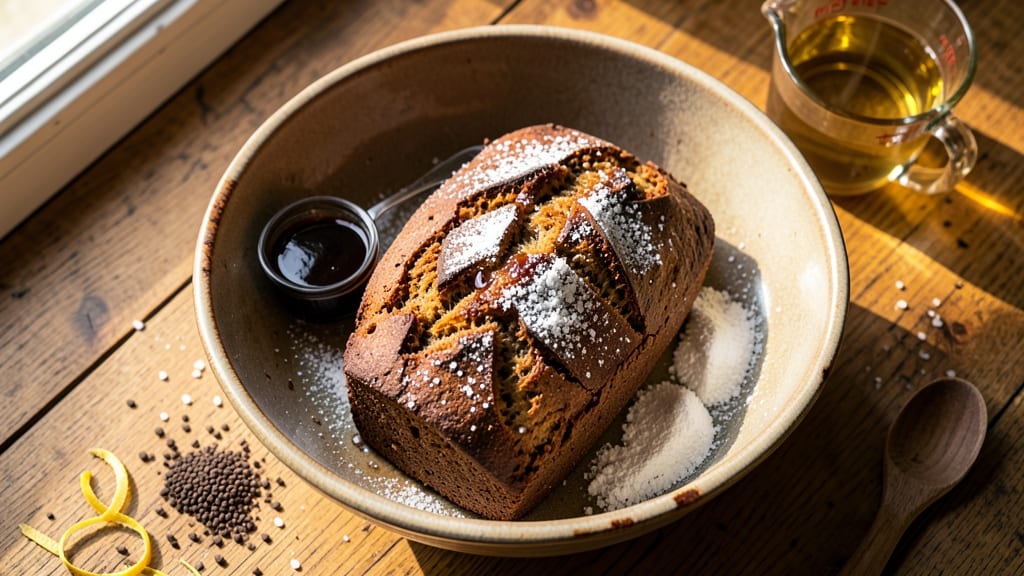
This American pumpernickel bread recipe delivers the perfect balance of deep molasses tang and crispy crust—no fancy equipment required. The secret lies in a slow fermentation process that develops rich, caramelized flavors while creating that signature dark crust.
I’ve perfected this recipe over years of baking, ensuring every slice has the right balance of chewiness and crunch.
The beauty of this recipe is its simplicity: just five core ingredients—flour, water, yeast, molasses, and a touch of coffee—transform into a loaf that tastes like a bakery favorite.
The molasses provides that signature tang, while the coffee enhances depth without overpowering. Proofing the dough overnight is key to achieving that dense, satisfying texture.
By the time it emerges from the oven, you’ll have a loaf with a crusty exterior and a moist, slightly sweet interior that’s perfect for sandwiches or toast.
The aroma alone will have everyone asking for seconds. This recipe is vegetarian-friendly, though optional ingredients like honey or eggs can be added for variation.
Store it at room temperature for up to 3 days or freeze for longer shelf life. Slice it thick for open-faced sandwiches or toast it for a hearty breakfast. Here’s how to make it—step by step.
Ingredients for american pumpernickel bread
Five core ingredients transform into bakery-style pumpernickel with deep molasses character and signature crust.
| Ingredient | Amount | Notes |
|---|---|---|
| Unbleached All-Purpose Flour 🌾 | 5 cups | Plus 1 tbsp for dusting |
| Active Dry Yeast 🍞 | ¼ oz | Or 2.25 tsp (1 package) |
| Granulated Sugar 🍚 | ¼ cup | For yeast activation |
| Unsweetened Molasses 🍯 | ½ cup | Dark, robust variety |
| Instant Coffee Granules ☕ | 1 tbsp | Or 1 tsp finely ground |
| Warm Water 💧 | 1 ½ cups | 110°F for yeast activation |
| Kosher Salt 🧂 | 1 ½ tsp | Diamond Crystal preferred |
| Vegetable Oil 🫒 | 2 tbsp | For dough enrichment |
| Cornmeal 🌽 | ¼ cup | For dusting loaf pan |
| Coarse Sea Salt 🧂 | 1 tsp | For crust enhancement |
The flour forms the foundation—King Arthur or Caputo bread flour yields superior texture due to higher protein content. Molasses quality is non-negotiable: Goya or Brer Rabbit brands deliver that authentic tang without bitterness. Instant coffee granules provide depth without overpowering; Starbucks or Folgers work well. Yeast must be fresh—test by dissolving in warm water with sugar; it should foam within 5 minutes. For optimal results, source ingredients from Whole Foods bulk bins or specialty baking stores where turnover is high.
No unsweetened molasses? Dark corn syrup at half the amount mimics the caramel notes, though purists will notice the difference. Substituting coffee with 1 tsp espresso powder intensifies flavor without altering texture. Diamond Crystal kosher salt is preferred due to its coarse texture, but Morton canola salt works in a pinch. For gluten-free adaptation, replace flour with King Arthur gluten-free 1:1 blend and reduce yeast by 20%. The vegetable oil can be swapped for melted coconut oil for a neutral flavor profile, though it may slightly alter the crumb structure.
Proofed dough maintains peak freshness when refrigerated for up to 3 days in an airtight container. For longer storage, freeze fully baked loaves wrapped in parchment and foil for 3 months. Reheat slices at 350°F for 5 minutes to restore crispness. The crust develops best when sliced 1 hour after baking—this prevents gumminess. Store cut loaves in a bread box to maintain moisture; plastic bags trap steam and soften the crust prematurely.
Why You'll Love This Recipe
- No-Knead Magic: I swear by this dough—just mix, let it rise, and forget about it. The molasses and coffee granules do all the heavy lifting while I’m scrolling through my phone or watching a show.
- Deep, Smoky Richness: That molasses isn’t just sweet—it’s complex, with a slow-brewed depth that pairs perfectly with the coffee’s bitterness. Honestly, it tastes like a bakery loaf without the bakery price tag.
- Breakfast-to-Toast Star: Slather it with butter for breakfast, toast it for sandwiches, or cube it into soup—this bread works hard for me. My kids even fight over the crust scraps. (Yes, even on a Tuesday night.)
- Budget Loaf, Long Shelf Life: A single batch feeds my family for days, and the dense texture means it stays fresh longer than store-bought. Between us, I’ve had this bread last a full week without turning stale—unheard of for homemade bread.
Step-by-step instructions for American pumpernickel bread
Transform simple ingredients into a rich, molasses-kissed loaf with this precise baking method.
Activate the Yeast with Molasses and Coffee
In a large mixing bowl, combine the 1.5 cups warm water (should be 110°F—test by sprinkling a pinch of flour in; it should dissolve slowly), 0.25 cup granulated sugar, 0.5 cup unsweetened molasses, 1 tbsp instant coffee granules, and 0.25 oz active dry yeast. Let this mixture sit for 10-15 minutes until it becomes frothy and bubbly—this confirms the yeast is active.
Here's the thing—molasses and coffee are powerful flavor agents, but they also slow yeast activation. If you don't see bubbles after 15 minutes, your yeast may be dead or the water too warm. Start over with fresh yeast and cooler water. The froth should double in volume and have a slightly sweet, earthy aroma.
Develop the Dough with Oil and Salt
Add the 5 cups unbleached all-purpose flour and 1.5 tsp kosher salt to the yeast mixture. Stir with a wooden spoon until a shaggy dough forms, then add the 2 tbsp vegetable oil. Knead by hand on a lightly floured surface for 8-10 minutes until the dough is smooth, elastic, and springs back slowly when pressed.
I press down gently on the dough during the first minute—this prevents it from curling and ensures even contact with the surface. The oil here creates a tender crumb while allowing the molasses to distribute evenly. If the dough feels too sticky, add 1 tbsp flour at a time until it comes together cleanly but remains slightly tacky.
First Rise for Flavor Development
Place the dough in a lightly oiled bowl, cover with a damp kitchen towel, and let it rise in a warm place for 1-1.5 hours until it has doubled in size. The molasses and coffee will make this dough rise more slowly than traditional bread—don't rush it. You'll know it's ready when the dough leaves a noticeable indentation when pressed gently with a finger.
This first rise is critical for developing the bread's deep, complex flavor. The molasses and coffee compounds need time to meld with the gluten structure. If your kitchen is cold, place the bowl on top of a warm oven (70°F) with the light on to maintain consistent warmth. Avoid direct heat—it can overproof the dough.
Shape and Second Rise
Punch down the dough to release air, then divide it into two equal portions. Shape each into a log by rolling from one end to the other, sealing the seam tightly. Place the logs seam-side down in a 9x5-inch loaf pan that's been lightly dusted with 0.25 cup cornmeal. Cover again and let rise for another 45-60 minutes until the dough has risen about 1 inch above the pan.
For a professional finish, I use the "stretch and fold" method during shaping: stretch the dough from the center outward to the edges, then fold it over itself. This creates surface tension that prevents the loaf from collapsing during baking. Sprinkle the 1 tsp coarse sea salt evenly over the top just before baking—this enhances the molasses flavor and adds texture.
Bake to Deep Color and Crusty Perfection
Preheat your oven to 375°F with a baking stone or inverted baking sheet on the middle rack. Place the loaf pan on the stone/sheet and bake for 35-40 minutes until the top is deep brown and the internal temperature reaches 190-200°F. The bread should sound hollow when tapped on the bottom.
Real talk: this bread needs that high heat to develop its signature dark crust. If the top browns too quickly, tent loosely with foil after 20 minutes to prevent burning while allowing the crust to set properly. The molasses will caramelize beautifully, creating that signature pumpernickel tang. Let the bread cool in the pan for 10 minutes before removing—this prevents crumbling.
Pro Tips For Making American Pumpernickel Bread
- Bloom the Yeast First: Skip the guesswork—mix the yeast, warm water (110°F), sugar, and a pinch of flour in a separate bowl for 5-10 minutes until frothy. If it doesn’t bubble, your bread will taste flat and dense, no matter how much you knead. I learned this the hard way after baking a brick that looked perfect but tasted like cardboard.
- Warm the Molasses: Thin the molasses with equal parts hot water before adding it to the dough—cold molasses thickens like syrup and throws off the yeast’s rhythm. Stir it into the wet ingredients first, then let it cool slightly before mixing with flour. Trust me, your dough will thank you with a lighter texture.
- Don’t Over-Knead: This dough is sticky and aggressive—stop when it passes the "windowpane test" (stretch a piece; if it’s translucent, you’re good). Overworking it develops too much gluten, and you’ll end up with a chewy loaf instead of the tender, slightly dense crumb pumpernickel should have. I used to fight the dough like it owed me money.
- Steam the First 15 Minutes: Place a metal bowl of boiling water in your oven before baking, then slide the loaf in. The steam keeps the crust from darkening too fast, giving you time to brush it with egg wash for a glossy finish. Without this, you’ll get a burnt exterior before the center is done—yes, even if your oven runs hot.
Storing and reheating this dish
Room Temperature Storage
Keep your pumpernickel loaf at room temperature in a bread box or cotton towel-lined basket for up to 3 days. The molasses and coffee flavors actually deepen over time, so don't rush to refrigerate.
I wrap my loaves in unbleached cotton towels—this breathes better than plastic and maintains that perfect crust-to-crumb ratio. Store in a cool, dark place away from direct sunlight to prevent the crust from drying out too quickly. 🌾
Refrigerator Preservation
If you need to store for longer than 3 days, transfer the fully cooled loaf to an airtight container or zip-top bag with a paper towel inside to absorb excess moisture. Refrigerated, it stays fresh for 5-7 days, though the crust may lose some crispness.
To revive, slice and warm in a 350°F oven for 5 minutes with a splash of water in the pan to restore moisture. I always slice before refrigerating—this prevents the loaf from becoming dense and gummy.
Freezer-Friendly Technique
For maximum freshness, freeze fully baked and cooled loaves wrapped in parchment paper followed by plastic wrap or aluminum foil. This prevents freezer burn and preserves the crust's integrity. Label with the date and store for up to 3 months.
When ready to use, thaw at room temperature overnight, then slice and toast for best results. I've found that thick slices (about ½ inch) reheat more evenly than thin ones—just pop them in a toaster oven at 375°F for 3-4 minutes.
Reviving Stale Slices
If your pumpernickel loses its crunch, don't toss it! Slice the bread and arrange on a baking sheet. Brush lightly with water or milk and bake at 350°F for 5-7 minutes until golden and crisp. This works especially well for open-faced sandwiches or French toast.
For extra flavor, add a sprinkle of cinnamon sugar or coarse sea salt before reheating. I use this trick to transform stale slices into a breakfast centerpiece—game-changer! 💡
Crust Maintenance Tips
The key to keeping the crust crisp is proper storage. Avoid plastic bags—they trap steam and soften the crust. Instead, store wrapped in parchment paper or beeswax wrap in the fridge. For extra crunch, slice the loaf 1 hour after baking while still warm.
The crust will set properly and stay crisp for days. If you're prepping for meal prep, slice and freeze individual portions—just toast directly from frozen for 4-5 minutes at 375°F. This keeps the texture perfect without soggy centers. ✨
Nutrition facts
Frequently asked questions
Why does this recipe use coffee in pumpernickel bread?
The coffee enhances the bread's depth without overpowering the molasses flavor. Just 1 tbsp instant coffee granules adds a subtle earthiness that mimics the roasted notes of traditional pumpernickel. It also helps balance the sweetness of the molasses while reinforcing that signature tang. Think of it as a secret weapon for complexity!
Can I make this bread without molasses?
You can substitute ½ cup dark corn syrup for the molasses, though purists will notice a slight difference in flavor. The corn syrup mimics the caramel notes but lacks the deep tang that makes pumpernickel special. For a more authentic taste, try ½ cup blackstrap molasses—it's stronger and more robust than regular molasses.
How do I know when the dough is properly kneaded?
The dough is ready when it's smooth, elastic, and springs back slowly when pressed with your finger. Knead for 8-10 minutes by hand—it should feel firm but slightly tacky, not stiff or sticky. If it sticks too much, add 1 tbsp flour at a time until it comes together cleanly. The molasses makes the dough denser, so don't expect it to feel like light white bread dough.
Why does my pumpernickel bread turn out dense instead of crusty?
Dense bread usually means the dough wasn't proofed long enough or baked at too low a temperature. Ensure your oven reaches 375°F and bake for 35-40 minutes until the internal temp hits 190-200°F. Also, let the dough rise until it doubles in size during both rises—molasses slows fermentation, so patience is key! For extra crust, sprinkle coarse sea salt on top before baking.
Can I add seeds or nuts to this recipe?
Try adding ¼ cup sunflower seeds or ½ cup chopped walnuts for texture. Fold them into the dough during the last 2 minutes of kneading so they distribute evenly. For extra flavor, toast the seeds/nuts first—this enhances their nuttiness. Just reduce the flour by 1-2 tbsp to keep the dough workable.