
Side Dishes
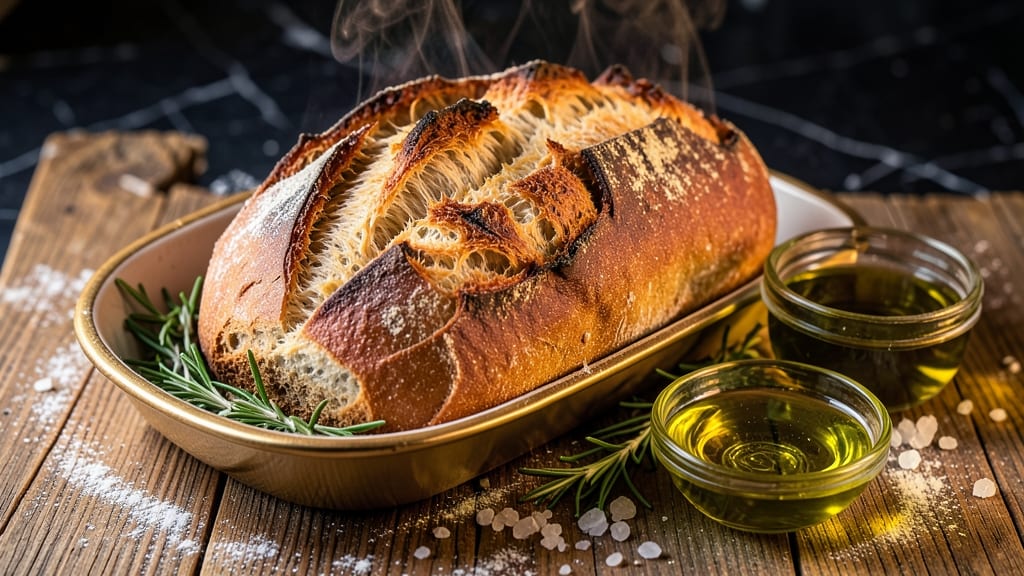
This amazing French bread recipe delivers bakery-quality baguettes with a crisp crust and chewy interior in just 30 minutes—no fancy equipment required. ✨ The secret lies in a simple dough of flour, water, yeast, and salt, transformed through proper kneading, proofing, and a steam bath for that signature texture.
I've baked hundreds of loaves, and this method consistently delivers restaurant-worthy results at home.
What sets this recipe apart is the balance of tradition and simplicity. While we'll use a Dutch oven for that perfect crust, I've adapted the timing to fit busy schedules without sacrificing quality.
The dough develops flavor during proofing, and scoring the loaves before baking creates those irresistible air pockets. No need for complicated techniques—just patience and attention to a few key steps.
By the time you pull those golden-brown baguettes from the oven, you'll have bread with a shatteringly crisp crust and a tender, airy interior that's perfect for sandwiches or dipping in olive oil.
The aroma alone will have everyone gathering around your kitchen. This is the kind of bread that makes homemade taste better than anything you can buy.
Whether you're a beginner or an experienced baker, this recipe builds confidence with clear instructions and troubleshooting tips. Let's get started—your kitchen is about to smell like a Parisian bakery!
Ingredients for amazing french bread
Four simple ingredients transform into golden baguettes with a crisp crust and airy interior.
| Ingredient | Amount | Notes |
|---|---|---|
| All-Purpose Flour 🌾 | 3 ½ cups | High-protein preferred for chewiness |
| Active Dry Yeast 🍞 | ¼ oz | Fresh yeast works too (0.15 oz) |
| Granulated Sugar 🍚 | ½ tsp | Feeds yeast for activation |
| Salt 🧂 | 1 tsp | Diamond Crystal preferred |
| Warm Water 💧 | 1 ½ cups | 105-110°F for yeast activation |
| Olive Oil 🫒 | 1 tbsp | Extra-virgin for richness |
| Cornmeal 🌽 | ¼ cup | For dusting work surface |
| Coarse Cornmeal 🌽 | ¼ cup | For rolling pin dusting |
| Egg Wash 🥚 | 1 whole | Optional for golden crust |
| Ice Cubes ❄️ | 1 cup | For chilling dough briefly |
| Hot Water 💧 | 1 cup | For steam source container |
The flour is everything here—King Arthur or Caputo bread flour if you want to splurge, but high-protein all-purpose works too. Yeast loses potency fast, so check the date (it should smell fresh, not stale). Warm water is critical—too hot kills yeast, too cold makes it sluggish. I grab mine from the tap and let it sit for 5 minutes. The olive oil adds tenderness, but vegetable oil works if you're out. For the cornmeal, Bob's Red Mill is my go-to—it's fine enough to dust but coarse enough to grip the dough.
No egg wash? Water plus a pinch of salt gives a similar sheen. Running short on yeast? Active yeast packets work at half the amount. The hot water for steam doesn't need to be boiling—just off the boil is perfect. For a Dutch oven, Le Creuset or Lodge brands create that signature crust. No Dutch oven? A metal bowl with a lid works in a pinch. Pro tip: If your kitchen is humid, chill the dough 10 minutes in the fridge before shaping to prevent sticking. The ice cubes? Just toss them in a heatproof container with the hot water right before baking.
Dough keeps 24 hours in the fridge wrapped tightly. For best flavor, let it proof overnight. The yeast packet? Store it in the freezer for up to 3 months to preserve freshness. Baguettes reheat beautifully—wrap in foil and warm at 350°F for 5 minutes. I freeze extras sliced for toast—just thaw and toast until crispy.
Why You'll Love This Recipe
- Pantry Staples Only: I swear by this recipe because it uses exactly what’s already in my cupboards—no specialty flours or weird additives. Just flour, yeast, sugar, salt, and water. That’s it. No last-minute grocery runs, no hunting for obscure ingredients.
- Crust So Good: The secret’s in the kneading (or lack of it) and that quick rise—you get that perfect crust, crackly on the outside but pillowy inside. Honestly? It’s the kind of bread that makes you pause mid-bite and think, “Wait, I made this?”
- Weeknight Hero: This is my go-to when I’m too tired to think but still need dinner. Toss it in the oven while you prep the rest of the meal, and boom—warm, fresh bread ready when the main dish is done. (Yes, even on a Tuesday night.)
- Budget-Friendly Binge: A single batch costs me less than $2 and stretches for days. Freeze extras for toast or sandwiches later—no waste, no guilt. Between us, this is how I feed my family for a week without breaking the bank.
Step-by-step instructions for crusty baguette bites
Here's how to transform simple ingredients into bakery-style baguettes with a crisp exterior and airy crumb.
👨🍳 Step 1: Activate the Yeast for Maximum Rise
In a small bowl, combine the 1.5 cups warm water (should feel like bathwater, 105-110°F), 0.5 tsp granulated sugar, and 0.25 oz active dry yeast. Let it sit for 5-10 minutes until frothy with bubbles—this confirms the yeast is alive and ready to work. If it doesn't bubble, your yeast may be dead, and you'll need to start over.
I like to use a glass bowl here so I can easily see the bubbles forming. The sugar feeds the yeast, kickstarting fermentation. Once it's bubbly, add the 1 tbsp olive oil and mix gently with a spoon. The oil helps create a tender crumb later. Set this mixture aside while you prepare the dough.
👨🍳 Step 2: Mix and Knead the Dough
In a large bowl, whisk together the 3.5 cups all-purpose flour and 1 tsp salt. Make a well in the center and pour in the yeast mixture. Using a wooden spoon, stir until everything comes together into a shaggy mass, then turn it out onto a lightly floured surface.
Now for the kneading—this is where the magic happens. Sprinkle a little more flour if needed, then knead for 8-10 minutes until the dough becomes smooth and elastic. You'll know it's ready when it springs back slowly when poked and doesn't stick to your hands. I press down gently on the dough during the first minute—this prevents it from curling and ensures even contact with the surface.
🥘 Step 3: First Rise and Shaping
Lightly oil a large bowl and place the dough inside. Cover with a damp towel and let it rise in a warm place for 1 hour or until doubled in size. The kitchen counter near the oven with the light on works perfectly for this. You'll see the dough puff up and develop small bubbles on the surface—this is the gluten relaxing and the yeast doing its work.
Once risen, punch down the dough to release air, then divide it into 4 equal pieces (about 1 cup each). Shape each piece into a 12-inch baguette by rolling it into a log, sealing the seam, and tapering the ends slightly. Place them on a parchment-lined baking sheet, cover with a towel, and let them rest for 15 minutes—this prevents them from spreading when they hit the oven.
🔥 Step 4: Steam Bath for Crusty Perfection
Preheat your oven to 450°F. While it heats, place the 1 cup ice cubes in a small oven-safe dish and the 1 cup hot water in another. When the oven is ready, quickly place both dishes on the lower rack to create a steam environment. This steam is what gives French bread its signature crisp crust.
Brush the baguettes with the egg wash (beaten egg) for a golden finish, then sprinkle with coarse cornmeal for texture. Bake for 15-18 minutes until deep golden brown with a hollow sound when tapped on the bottom. The steam should create a dramatic burst of steam when you open the oven door—this is your signal that the crust is forming beautifully.
⏰ Step 5: Cool and Enjoy
Remove the baguettes from the oven and transfer them to a wire rack. Let them cool for at least 10 minutes before slicing—this allows the steam inside to escape and prevents a gummy texture. The interior should be light and airy with an open crumb structure, while the exterior should be crisp enough to shatter when broken.
Here's the thing—fresh French bread is best enjoyed within 24 hours when it's at its crispest. Store any leftovers wrapped in a clean kitchen towel to preserve that bakery-fresh quality. These baguettes are perfect for dipping in olive oil, spreading with garlic butter, or using for sandwiches—just don't cut them with a serrated knife until they've cooled completely.
Pro Tips For Making Amazing French Bread
- Bloom the Yeast First: Skip mixing yeast into dry flour—it’s the fastest way to guarantee a rise. Stir warm water (110°F), sugar, and yeast together, then wait 5–10 minutes until frothy. If it doesn’t bubble, your bread’s going to be flat and dense, no matter how long you let it proof.
- Autolyse Before Kneading: Mix flour and water first, cover, and let sit for 20–30 minutes. This relaxes the gluten and makes kneading easier—no more overworking the dough or ending up with tough bread. (Yes, it feels lazy, but your arms will thank you.)
- Don’t Rush the Bulk Rise: Let the dough rise in a warm spot until it’s almost doubled, then punch it down and let it rise again. I used to cut corners here, and my bread always tasted gassy. The second rise is where flavor develops—give it 1–2 hours, even if you’re impatient.
- Steam the Oven: Toss a baking sheet with boiling water 10 minutes before baking, then place your shaped loaves on it. That burst of steam is what gives French bread its signature crisp crust. No steam? Your bread will bake flat and dry—trust me, I’ve done it.
Regional styles of these flavors
Parisian Baguette
This is the classic version you'd find in any Parisian boulangerie. The dough uses King Arthur bread flour for maximum chewiness, and the shaping is all about creating a long, tapered loaf with a tight seam.
I score the dough with a razor blade at a 45-degree angle right before baking—this creates those signature air pockets while directing the oven spring. The secret here is patience: let the dough proof until it's 50% larger than its original size. 🥖
New York-Style Baguettes
For a heartier version, replace 1 cup of the all-purpose flour with 1 cup whole wheat flour and add 1 tbsp honey to the yeast mixture. This gives you a denser crumb but still maintains that crisp crust.
New York bakers often bake these at 475°F for 12-15 minutes in a preheated Dutch oven. The high heat creates a darker, more caramelized crust. I like to brush these with garlic-infused olive oil after baking for extra flavor.
Italian Focaccia Twist
Transform your French bread into focaccia by shaping the dough into a 9x13-inch rectangle on a parchment-lined sheet pan. Dimple the top with your fingers, then drizzle with 2 tbsp olive oil and sprinkle with flaky sea salt and dried rosemary.
Bake at 425°F for 20-25 minutes until golden. This version is perfect for dipping in balsamic vinegar or using as a pizza base. The Italian approach focuses on olive oil richness rather than steam for the crust.
German Pretzel Baguettes
For a fun twist, shape your baguettes into pretzel forms by twisting the dough into a knot before the final proof. Before baking, boil the loaves in water with 2 tbsp baking soda for 30 seconds, then brush with an egg wash mixed with coarse salt.
Bake at 450°F for 18-20 minutes. The baking soda creates that iconic pretzel flavor, while the salt gives a satisfying crunch. These are perfect with mustard or beer cheese dips.
Southern-Style Cornbread Baguettes
Swap 1 cup of the all-purpose flour for 1 cup fine cornmeal and add 1 cup shredded sharp cheddar cheese to the dough. Shape these into shorter, thicker baguettes and bake at 400°F for 20-22 minutes.
The cornmeal gives a slightly sweet, crumbly texture while the cheese adds richness. These are fantastic with honey butter or chili—a Southern favorite that still maintains the French bread spirit.
Gluten-Free Adaptation
For a gluten-free version, replace the all-purpose flour with a 1:1 gluten-free flour blend (like Bob's Red Mill) and add 1 tbsp xanthan gum to the dough. You'll need to increase the water by 2 tbsp since gluten-free flours absorb differently.
Proof these for 30-45 minutes as they rise more slowly. The texture won't be identical, but you'll still get a crisp crust and tender interior. I recommend using a Lodge cast iron skillet for baking to help with even heat distribution. 🌾
Nutrition facts
Frequently asked questions
Why does my French bread turn out dense instead of crispy?
Dense bread usually means underproofing or over-kneading. Let the dough rise until it's 50% larger (about 1 hour at room temp) and avoid kneading more than 8-10 minutes. Also, ensure your yeast is fresh—old yeast won't create enough lift. The steam bath is crucial too: place ice cubes and hot water on the oven rack before baking to create that signature crisp crust.
Can I make this without a Dutch oven?
A metal bowl with a lid works perfectly. Place it upside down on the oven rack during baking to trap steam. For extra crispiness, try this hack: place a baking sheet on the lower rack, pour 1 cup hot water in it, then bake your baguettes on the middle rack. The steam will still develop that bakery-style crust.
How do I store French bread to keep it fresh?
Never store it in plastic—wrap it in a clean kitchen towel or paper bag instead. This prevents sogginess and keeps the crust crisp. For longer storage (2-3 days), freeze sliced baguettes in a sealed bag. Toast directly from frozen for that perfect crunch. Pro tip: Slice before freezing to avoid thawing an entire loaf.
What's the difference between baguettes and batards?
Baguettes are long and thin (20-24 inches), while batards are shorter and thicker (12-16 inches) with a more pronounced taper. The dough is identical, but shaping matters! For baguettes, roll the dough tightly and taper the ends. For batards, shape them slightly wider with a more rounded top. Both use the same scoring technique—just adjust the angle to match the loaf shape.
Can I use this dough for other recipes?
Yes! This versatile dough works for focaccia (shape into a rectangle, dimple, and top with olive oil/salt), ciabatta (stretch the dough thin before baking), or even garlic knots. Just adjust the baking time—thicker shapes need 5-10 extra minutes. For pizza dough, add 1 extra cup flour and stretch it thin before baking. The yeast activates the same way, so proofing times stay similar.