
Side Dishes
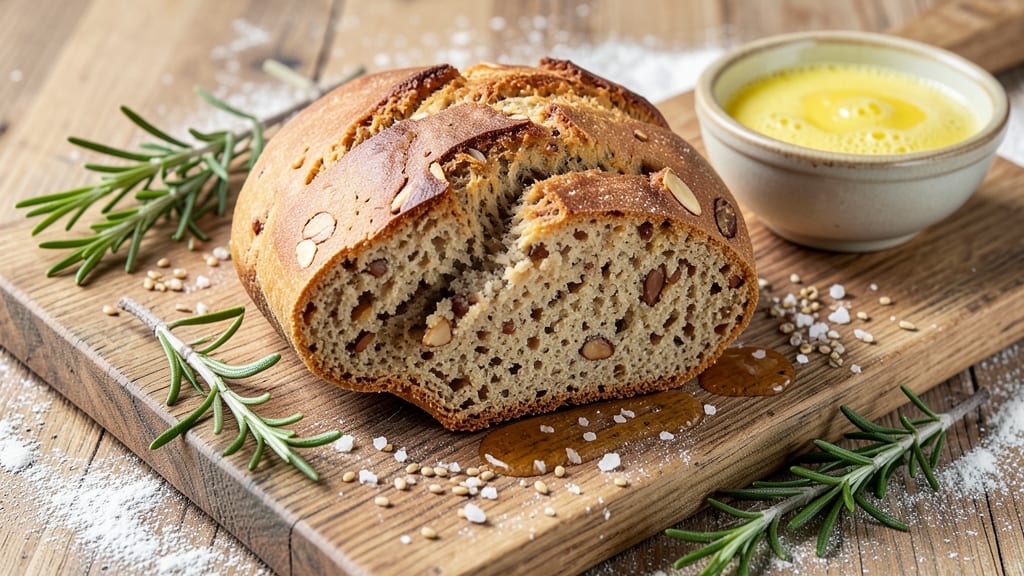
This almond pulp bread recipe transforms leftover almond pulp into a moist, nutty loaf that rivals traditional bread—without any waste. 🌱 The secret lies in balancing almond pulp’s natural oils with flaxseed binders and aquafaba for structure, creating a dense yet tender crumb.
Perfect for vegans or anyone looking to reduce food waste, this recipe turns a byproduct into something extraordinary.
What sets this bread apart is its rich texture—neither dry nor crumbly—thanks to precise hydration and a touch of apple cider vinegar for lift. Unlike almond flour bread, this version uses pulp, which adds depth and moisture without altering the loaf’s structure.
The result? A slice that’s hearty enough for sandwiches but delicate enough to enjoy on its own.
Baking at 350°F for about 40 minutes yields a golden crust and a crumb that stays soft for days when stored in an airtight container. The nutty flavor shines through, making it a standout for toast, charcuterie boards, or as a side.
No special equipment is needed—just a standard loaf pan and patience for proofing.
For best results, let the dough rest overnight in the fridge for deeper flavor development. This bread also freezes beautifully, so you can bake a batch ahead and enjoy it whenever cravings strike. Ready to bake something both purposeful and delicious?
Ingredients for almond pulp bread
Pantry staples meet almond pulp magic for a bread that’s both purposeful and delicious.
| Ingredient | Amount | Notes |
|---|---|---|
| Almond Pulp 🌰 | 2 cups | Fresh from almond milk processing |
| All-Purpose Flour 🌾 | 1 ½ cups | White or whole wheat blend |
| Ground Flaxseeds 🌿 | ½ cup | Mixed with 1.25 cups water for binder |
| Aquafaba 🥫 | ½ cup | Liquid from canned chickpeas |
| Apple Cider Vinegar 🍎 | 1 tbsp | For lift and tang |
| Granulated Sugar 🍚 | ¼ cup | Or coconut sugar for refined option |
| Baking Soda 🧂 | 1 tsp | Diamond Crystal preferred |
| Salt 🧂 | ½ tsp | Fine sea salt |
| Olive Oil 🫒 | ¼ cup | Extra-virgin for richness |
| Water 💧 | ¾ cup | Room temperature |
| Active Dry Yeast 🍞 | 1 tsp | Or 1 packet instant yeast |
| Maple Syrup 🍁 | 1 tbsp | For subtle sweetness |
Almond pulp is the star here—freshly processed from almond milk making gives the best texture. If you don’t have access to fresh pulp, almond flour works in a pinch (though the texture will be slightly drier). The flaxseed binder is non-negotiable for structure—Bob’s Red Mill ground flaxseeds are my go-to. Aquafaba, the chickpea brine, acts like egg whites, giving lift and moisture. Grab a can of chickpeas, drain them, and save that liquid—it’s free and versatile. For yeast, Trader Joe’s instant yeast packets are foolproof and last longer than individual envelopes.
No aquafaba? Vegan egg substitute (like Ener-G) works at the same ratio, though texture may differ slightly. Substituting almond flour for pulp? Add an extra 2 tbsp olive oil to compensate for lost moisture. The apple cider vinegar might seem like a small amount, but it’s key for that tender crumb—Bragg’s is my favorite. For sugar, coconut sugar adds subtle caramel notes, but regular granulated works perfectly fine. If you’re worried about the dough being too sticky, wet your hands before handling it—it makes shaping a breeze.
This dough needs time to develop flavor, so overnight refrigeration is ideal. Store it in an airtight container with a damp towel to prevent drying. The baked loaf keeps well at room temperature for 3 days wrapped in a clean kitchen towel, or 1 week in the fridge. For longer storage, slice and freeze—it reheats beautifully in a toaster or oven. The crust gets crunchier as it sits, so toast it fresh for the best experience. Leftovers? Toss them in a baggie with a slice of bread to keep it soft.
Why You'll Love This Recipe
- No-Fuss Mixing: I swear by the aquafaba trick—just whisk it like egg whites, and boom, you’ve got a light, airy crumb without cracking an egg. The almond pulp adds natural sweetness while keeping the dough silky, so no overworking or kneading battles here.
- Nutty Warmth: That almond pulp isn’t just filling—it’s flavor-packed. The ground flaxseeds add a subtle earthiness, and the apple cider vinegar gives it a faint tang that cuts through the richness, like a cozy hug in bread form. Honestly, it tastes like a bakery loaf but with half the guilt.
- Meal Prep MVP: Slice it, toast it, or pack it—this bread holds up for days without getting stale. I keep a batch in the freezer for lazy mornings, and it reheats in seconds. (Yes, even on a Tuesday night.)
- Budget Bright Spot: Almond pulp is the unsung hero here—often free or cheap from almond milk makers, and it replaces pricey add-ins. The aquafaba saves money too, plus you’re using pantry staples. My wallet and my taste buds win.
Step-by-step instructions for almond pulp bread
This nutty, moist loaf comes together with simple steps and zero waste—perfect for repurposing almond pulp.
👨🍳 Step 1: Mix the Flaxseed Binder and Activate the Yeast
In a small bowl, whisk together the 0.5 cup ground flaxseeds with 1.25 cups water (this makes the flax "egg" binder). Let it sit for 5 minutes until it thickens into a gel-like consistency—this replaces traditional eggs and adds moisture. In another bowl, combine the 0.75 cup water, 1 tbsp maple syrup, and 1 tsp active dry yeast. Let this mixture sit for 5-10 minutes until it becomes foamy and bubbly. This tells you the yeast is alive and ready to work its magic.
Here's the thing—if your yeast doesn't foam, it's dead. Don't panic, but start over with fresh yeast. The flax binder should thicken noticeably, so if it stays runny, let it sit another 2-3 minutes. Both these steps are your foundation for a light, airy crumb.
👨🍳 Step 2: Combine Wet Ingredients for a Nutty Base
In a large mixing bowl, whisk together the 2 cups almond pulp, 0.25 cup olive oil, and 0.25 cup granulated sugar until smooth. The almond pulp gives this bread its signature nutty flavor and tender texture. Add the foamy yeast mixture and the flax binder, stirring until fully incorporated. You'll notice the batter thickens slightly as the flax gel blends in—this is exactly what we want.
Next, stir in the 0.5 cup aquafaba and 1 tbsp apple cider vinegar. The aquafaba adds protein and helps create that signature bread texture, while the vinegar gives a subtle tang that balances the sweetness. Mix until everything is homogenous—no streaks of almond pulp or vinegar should remain. This is your wet ingredient base, and it should look like a thick, nutty batter.
👨🍳 Step 3: Fold in Dry Ingredients Gently
In a separate bowl, sift together the 1.5 cups all-purpose flour, 1 tsp baking soda, and 0.5 tsp salt. This step is crucial for even distribution of leavening agents. Gradually add the dry ingredients to your wet mixture, folding gently with a spatula. The goal is to combine just until no dry spots remain—overmixing develops gluten and makes the bread dense. You'll see a shaggy dough form that's slightly sticky but manageable.
Don't skip the gentle folding. This bread relies on the moisture from the almond pulp and aquafaba, so handle it with care. If the dough feels too sticky, you can wet your hands slightly to prevent sticking. The texture should be soft and slightly tacky, similar to a moist cake batter. This consistency ensures a tender crumb rather than a dry, crumbly loaf.
🔥 Step 4: Let the Dough Rest and Rise
Transfer the dough to a lightly greased 9x5-inch loaf pan. Smooth the top with a wet spatula, then cover the pan with a damp kitchen towel. Let it rise at room temperature for 1 hour. You'll know it's ready when the dough has puffed up noticeably and looks about 50% larger than when you placed it in the pan. This rise develops the bread's structure and ensures a light texture.
I know it's tempting to rush this step, but don't skip it. The almond pulp needs time to hydrate fully, and the yeast needs time to create air pockets. If your kitchen is cold, you might need to extend this to 1 hour 15 minutes. The dough should spring back slowly when gently pressed—this is your visual cue that it's ready for the oven.
🔥 Step 5: Bake to Golden Perfection
Preheat your oven to 350°F while the dough rises. Once the dough has doubled in size, place the loaf pan in the center rack of your oven. Bake for 45-50 minutes until the top is golden brown and a toothpick inserted into the center comes out clean. The bread should have a beautiful crust with a moist, nutty crumb inside. If the top browns too quickly, tent the pan with foil after 25 minutes to prevent over-browning.
Here's the moment that matters: the bread is done when it passes both the color test and the toothpick test. The internal temperature should reach 190-200°F. Let it cool in the pan for 10 minutes before transferring to a wire rack. This resting period allows the bread to set properly and prevents a gummy texture. Slice when completely cool—this bread tastes even better the next day, so it's worth the wait!
Pro Tips For Making Almond Pulp Bread
- Hydrate the Almond Pulp First: Let it sit in warm water for 10 minutes before mixing—this breaks down the fibers and makes the dough smoother. I used to skip this and ended up with a gummy, uneven texture that took forever to bake.
- Mix Flaxseeds Last: Sprinkle the ground flaxseeds over the dry ingredients after combining wet and dry—this keeps them from clumping into dense little rocks. (Yes, I’ve pulled them out of my bread before.)
- Don’t Overmix the Aquafaba: Whisk it just until soft peaks form—overbeating turns it into meringue, which can make the bread dense. I learned this after one batch collapsed like a sad soufflé.
- Use a Toothpick for Doneness: Stick it in the center when the crust is golden—if it comes out clean, it’s done. Relying on time alone is risky; this bread dries out fast if overbaked. (Trust me, I’ve made that mistake.)
Best sauces and condiments for this recipe
Honey-Glazed Spread
Drizzle 2 tablespoons honey mixed with 1 teaspoon lemon juice over warm slices for a sweet contrast to the bread’s nutty depth. I love using Manuka honey for its floral notes, but any raw honey works.
Brush lightly on toasted bread before serving—it caramelizes beautifully under the broiler for 1-2 minutes if you want extra richness. 🍯
Almond Butter Swirl
Mix ¼ cup almond butter (creamy or crunchy) with 1 teaspoon maple syrup and spread it on slices before toasting. For a showstopper, pipe dollops of the mixture onto the bread and broil for 30 seconds to create a golden crust.
This adds a creamy, protein-packed layer that pairs perfectly with the bread’s texture. Maranatha or Justin’s brands work well.
Spiced Nutella Twist
Combine 2 tablespoons Nutella with ½ teaspoon cinnamon and pinch of cayenne for a spicy-sweet spread. Warm the mixture slightly to make it easier to spread, then top with toasted hazelnuts for crunch.
This fusion of Italian chocolate and warm spices elevates the bread’s natural nuttiness. Store-bought Nutella works, but homemade versions with less sugar taste even better. 🌶️
Herbed Olive Oil Drizzle
Infuse 2 tablespoons extra-virgin olive oil with 1 teaspoon dried rosemary and ½ teaspoon garlic powder, then drizzle over toasted slices. Let it sit for 5 minutes to absorb into the bread’s crumb.
The Mediterranean flavors complement the almond’s earthiness without overpowering it. Use a garlic-infused olive oil from Trader Joe’s for convenience.
Cream Cheese & Jam
Spread 2 tablespoons vegan cream cheese (like Kite Hill) on toasted bread, then top with 1 tablespoon raspberry jam. The tangy jam cuts through the bread’s richness, while the cream cheese adds a velvety texture.
For a gourmet touch, sprinkle with crushed pistachios before serving. This combo is perfect for breakfast or light snacks.
Smoky Tahini Dip
Whisk 3 tablespoons tahini with 1 tablespoon lemon juice, 1 teaspoon smoked paprika, and 1 tablespoon water until smooth. Serve as a dip for bread slices or drizzle over toasted pieces.
The smoky, sesame-rich flavor adds a Middle Eastern twist that pairs surprisingly well with the bread’s nutty profile. Use Bella brand tahini for the best consistency. 🔥
Nutrition facts
Frequently asked questions
Can I substitute almond pulp with almond flour in this recipe?
You can try, but the texture will differ slightly. Almond pulp creates a denser, moister loaf with richer flavor, while almond flour makes a lighter but drier bread. If substituting, add 2 extra tablespoons olive oil to compensate for lost moisture. For best results, stick with fresh almond pulp for that signature nutty depth.
Why does my dough feel too sticky? How do I handle it?
This is normal—the almond pulp and aquafaba create a naturally sticky dough. Wet your hands before shaping or use a lightly oiled spatula to prevent sticking. If the dough feels unmanageable, chill it for 15 minutes before transferring to the pan. The stickiness ensures a tender crumb, so don't overcompensate with extra flour.
Can I make this bread without aquafaba?
Yes! Replace the 0.5 cup aquafaba with 0.5 cup vegan egg substitute (like Ener-G) or an extra 1 tbsp flax binder. The texture will be slightly denser, but still delicious. For extra lift, add 1 tsp baking powder to the dry ingredients. Aquafaba mimics egg whites' structure, so these swaps help maintain it.
How do I store almond pulp bread to keep it fresh?
Wrap cooled bread in a clean kitchen towel and store in an airtight container at room temperature for 3 days. For longer storage, slice and freeze—reheat in a toaster or oven. The crust gets crunchier over time, so toast fresh slices for the best experience. The towel prevents drying out better than plastic wrap.
What if my bread doesn't rise properly?
Check your yeast first—it may be expired. Test it by mixing with warm water and sugar; if it doesn't foam in 5-10 minutes, replace it. Also ensure your kitchen is 70-75°F (yeast works best in warm environments). If rising fails, try a second rise in a warm oven with the light on for 10 minutes before baking.