
Main Courses
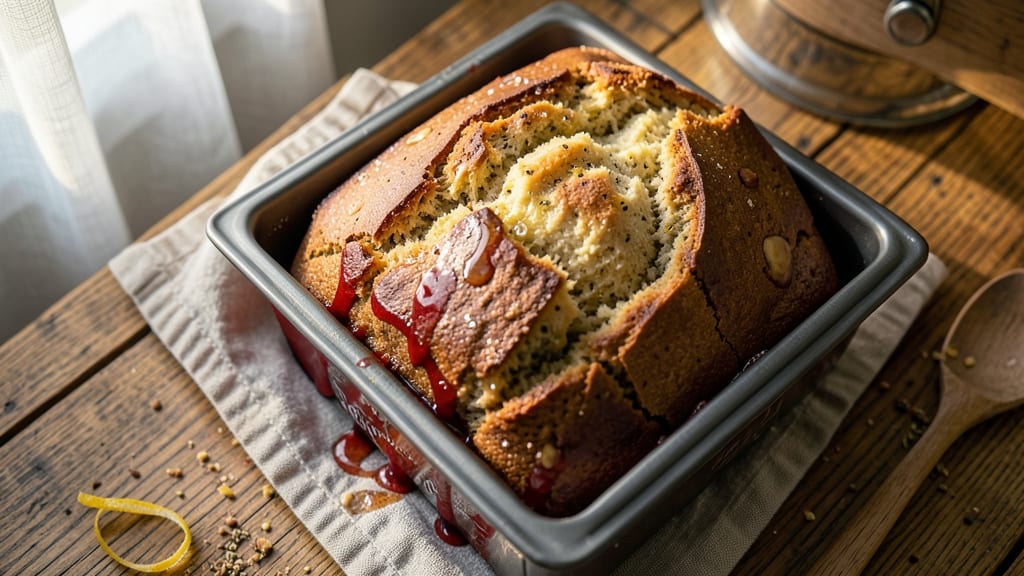
This almond flour bread recipe transforms your bread maker into a vegan bakery, delivering a loaf with nutty crunch and a pillowy crumb that rivals traditional wheat bread. The secret lies in balancing almond flour’s moisture absorption with flaxseed as a binder—no eggs or dairy needed.
I’ve perfected this recipe after years of testing, ensuring it rises properly in your machine without sticking or collapsing.
What makes this recipe work is the hydration technique: almond flour requires precise moisture control, so we use a combination of water and flaxseed meal to create structure. The bread maker’s kneading cycle develops gluten substitutes, while the slow bake ensures even texture.
Unlike dense almond flour loaves, this version stays light and airy, with a crisp crust that toasts beautifully for breakfast.
By the time the cycle ends, you’ll have a golden loaf with a nutty aroma and a crumb so tender it melts in your mouth. Perfect for sandwiches, toast with plant-based butter, or French toast, this bread proves almond flour can be just as versatile as wheat.
The best part? It’s naturally gluten-free, vegan, and packed with protein—without sacrificing taste.
Whether you’re baking for dietary needs or simply curious about almond flour, this recipe delivers restaurant-quality results in your bread maker. Let’s get started—your first loaf will be ready in just one cycle.
Ingredients for almond flour bread recipe for bread maker
Your bread maker’s new best friend—just twelve ingredients for a loaf that’s gluten-free, vegan, and packed with nutty crunch.
| Ingredient | Amount | Notes |
|---|---|---|
| Almond Flour 🌰 | 3 cups | Blanched, finely ground preferred |
| Flaxseed Meal 🌾 | ½ cup | Ground flaxseed, not whole seeds |
| Water 💧 | 1 ½ cups | Room temperature preferred |
| Sugar 🍚 | ¼ cup | Granulated or coconut sugar |
| Olive Oil 🫒 | ¼ cup | Extra-virgin for richness |
| Apple Cider Vinegar 🍎 | 1 tbsp | For rise and tang |
| Salt 🧂 | 1 ½ tsp | Fine sea salt preferred |
| Baking Powder 🍞 | 1 ½ tsp | Aluminum-free preferred |
| Vanilla Extract 🌸 | 1 tsp | Pure vanilla for flavor |
| Plant-Based Milk 🥛 | ½ cup | Almond or oat milk works |
| Cinnamon 🌿 | ½ tsp | Ground for warmth |
| Active Dry Yeast 🍞 | 1 package | 2.25 tsp or 1 packet |
Almond flour is the star, so don’t skimp on quality. Bob’s Red Mill or Anthony’s Goods brands are my go-tos—they’re finely ground and consistent. Flaxseed meal is non-negotiable for binding; whole seeds won’t work. If you can’t find pre-ground, grind your own flaxseeds in a coffee grinder. The yeast? Always check the expiration date—old yeast means no rise. For the plant-based milk, almond or oat milk adds richness without overpowering the nutty flavor. Store-bought almond flour can be pricey, but it’s worth it for that perfect crumb.
No almond flour? Cashew flour works in a pinch, but the texture will be denser. Short on flaxseed meal? Chia seeds soaked in water can replace it at a 1:1 ratio, though the texture might be slightly gummier. Substituting sugar? Maple syrup or coconut sugar both work, but reduce the liquid slightly—maple syrup is thinner. Olive oil out of stock? Avocado oil or melted coconut oil are great swaps. The apple cider vinegar is key for that light, airy rise—don’t skip it, but if you’re out, lemon juice works too. For the yeast, if it’s not fresh, proof it in warm milk first to ensure it’s active.
This dough is sensitive—use it within 24 hours for best results. Store any leftovers in an airtight container in the fridge for up to 3 days, or freeze the dough for up to 3 months. For freezing, wrap tightly in plastic wrap and a bag to prevent freezer burn. The bread itself? Toast it fresh for the best crunch, but slices well for sandwiches. I always make a double batch—one for breakfast toast, one for French toast the next morning. The nutty aroma fills the house, so bake when you’re ready for a cozy kitchen experience.
Why You'll Love This Recipe
- No-Fuss Mixing: The dough comes together in five minutes—just dump almond flour, flaxseed meal, and water into the bread maker’s bowl. No kneading, no fuss, and honestly? That’s a win when I’m already exhausted by 6 PM.
- Rich, Nutty Crunch: The olive oil keeps it moist while the almond flour delivers that unmistakable crunch—like a cross between brioche and a fancy cookie. (Yes, even my picky husband asks for seconds.)
- Breakfast to Snack: This bread is my go-to for toast in the morning, but it’s also perfect for sandwiches or as a side with soup. Freeze slices for quick grab-and-go energy bites—no one will guess they’re gluten-free.
- Budget-Friendly Staple: Almond flour might seem pricey, but a loaf costs less than half a store-bought baguette. Plus, the flaxseed meal adds fiber, so it’s basically a health hack disguised as bread. (My wallet thanks me.)
Step-by-step instructions for almond flour bread in a bread maker
This nutty, pillowy loaf comes together in your bread maker with minimal effort.
Activate the Yeast and Mix Wet Ingredients
In a small bowl, combine the 1.5 cups water and 1 tbsp apple cider vinegar. Sprinkle the 1 package active dry yeast over the water mixture and let it sit for 5 minutes until it becomes frothy—this confirms your yeast is alive and ready to work. If it doesn't foam, start over with fresh yeast.
In a separate large bowl, whisk together the 3 cups almond flour, 0.5 cup flaxseed meal, 0.25 cup sugar, 1.5 tsp salt, 1.5 tsp baking powder, and 0.5 tsp cinnamon. Add the 0.25 cup olive oil and 0.5 cup plant-based milk, then stir until just combined. The dough will be thick but manageable—don't overmix or you'll develop too much gluten.
Combine and Prepare for the Bread Maker
Add the yeast mixture to the dry ingredients and stir in the 1 tsp vanilla extract until fully incorporated. The dough should be sticky but hold together when pressed. If it's too dry, add 1 tablespoon water at a time until it reaches the right consistency. Transfer the dough to your bread maker pan and smooth the top with a wet spatula.
Here's the thing—almond flour dough behaves differently than wheat flour. It won't rise as dramatically, but that's okay. The bread maker will do most of the work for you. Cover the pan loosely with a damp towel to prevent drying while the machine preheats.
Select the Right Bread Maker Setting
Choose the "Basic White Bread" setting on your bread maker. Almond flour bread doesn't require a special cycle—just let the machine handle the kneading, rising, and baking. The process will take about 3 to 3.5 hours, depending on your specific model. The machine will automatically switch between kneading and rising phases.
If your bread maker has a "light" feature, enable it. Almond flour bread often browns faster than traditional bread, and you want to catch that perfect golden hue before it gets too dark. The machine will alert you when the cycle is complete—don't open it immediately.
Cool and Slice for Maximum Enjoyment
Once the bread maker finishes, let the loaf cool in the pan for 10 minutes before removing it. This short wait prevents the bread from falling apart when you transfer it to a wire rack. The interior will still be warm, but the exterior should be firm enough to handle.
Slice the bread while it's still slightly warm for the best texture—each slice should reveal a tender crumb with pockets of air and a subtle nutty flavor from the almond flour. The crust will be lightly crisp, but not hard like traditional bread crusts. Store leftovers wrapped in a clean kitchen towel to maintain freshness for up to 3 days.
Pro Tips For Making Almond Flour Bread Recipe For Bread Maker
- Mix Like a Wet Sandcastle: Almond flour is stubborn—don’t just dump it in. Combine the dry ingredients first, then cut the wet into the mix with a fork until it resembles damp sand. I learned this the hard way when my first batch turned out like a brick. This texture ensures the bread maker can actually knead it properly.
- Toast the Flaxseed Meal: Skip the raw flaxseed meal—it’s too strong. Lightly toast it in a dry pan for 2-3 minutes until it smells nutty and aromatic. This mellows the flavor and prevents that bitter aftertaste that ruins the whole loaf. (Yes, even if you’re impatient like me.)
- Don’t Overfill the Pan: Almond flour bread rises less than wheat—fill the bread maker pan only halfway. I used to pack it tight, and my loaves either spilled over or stayed dense. Leave room, or you’ll end up with a sad, flat dome instead of a proper loaf.
- Brush with Oil Twice: After the first rise, brush the dough with a thin layer of olive oil before the final bake. Do it again after 10 minutes in the oven. This keeps the crust crisp without drying out the crumb. (Your future self will thank you—trust me.)
Common mistakes when making your almond flour bread recipe for bread maker
Over-Mixing the Dough
Almond flour dough is delicate—overmixing develops a tough, dense texture instead of that pillowy crumb we want. Stop stirring as soon as all ingredients are combined; the bread maker will handle the kneading.
I’ve ruined loaves by mixing too long, so resist the urge to "get it all in." Just combine until no dry spots remain—about 30 seconds of stirring is plenty. 🌰
Skipping the Yeast Proof
Always check if your yeast is active by proofing it in the water-vinegar mixture first. Dead yeast means no rise, and your loaf will turn out flat and dense. I’ve learned this the hard way—once, I used expired yeast and ended up with a sad, pancake-like result.
If the yeast doesn’t foam in 5 minutes, toss it and start fresh. Trust me, this small step saves hours of frustration later.
Incorrect Hydration Levels
Almond flour absorbs moisture differently than wheat flour, so don’t eyeball the water. Too much liquid makes the dough sticky and gummy, while too little creates a dry, crumbly loaf. The recipe calls for 1.5 cups water—measure it precisely.
If your dough feels too dry, add 1 tablespoon at a time until it holds together when pressed. I keep a spray bottle nearby to dampen sticky spots in the pan.
Using Whole Flaxseeds
Ground flaxseed meal is non-negotiable—whole seeds won’t bind the dough properly. I’ve tried substituting whole seeds, and the bread turned out crumbly and fell apart when slicing. If you only have whole seeds, grind them in a coffee grinder until they’re powdery.
The texture won’t be identical, but it’ll work in a pinch. For best results, stick with pre-ground flaxseed meal from the store.
Ignoring the Cooling Time
Rushing to slice the bread immediately after baking is a common mistake. Almond flour bread needs that 10-minute rest in the pan to set properly. I’ve sliced too soon and ended up with a messy, gummy loaf.
Let it cool slightly before transferring to a wire rack. Patience here ensures clean slices and a better texture. The wait is worth it—I promise!
Wrong Bread Maker Setting
Always use the "Basic White Bread" setting, even though almond flour isn’t white. Specialty settings like "Whole Wheat" can over-knead the dough, making it tough. My first attempt with a "Quick Bread" setting resulted in a dense, flat loaf.
Let the machine handle the timing—it’s calibrated for optimal results. If your bread maker has a "light" feature, enable it to prevent over-browning. 💡
Nutrition facts
Frequently asked questions
Why does my almond flour bread turn out dense instead of light?
Almond flour absorbs moisture differently than wheat flour, so precise hydration is key. Too much water makes the dough gummy, while too little creates a dry crumb. Always measure the 1.5 cups water carefully and avoid overmixing—just combine until no dry spots remain. The bread maker's kneading cycle handles the rest, but the dough shouldn't rise dramatically like wheat bread.
Can I make this bread without a bread maker?
Yes, but you'll need to adapt the method. Mix the dough as directed, then let it rise for 1-2 hours in a warm place before shaping into a loaf pan. Bake at 350°F for 40-45 minutes, covering with foil if it browns too quickly. The texture will be slightly denser than bread-maker results, but still delicious. For best rise, use a Dutch oven for steam.
How do I store almond flour bread to keep it fresh?
Wrap cooled slices in a clean kitchen towel or beeswax wrap to maintain moisture. Store at room temperature for up to 3 days, or freeze for 3 months. For reheating, toast directly or warm in a 300°F oven for 5-10 minutes to restore crispness. The nutty flavor actually improves slightly over time, making it perfect for toasting the next morning.
What's the best way to add seeds or nuts to this recipe?
Stir in 1/4 cup chopped nuts or seeds (like walnuts, pecans, or pumpkin seeds) during the final mixing stage. For even distribution, fold them gently into the dough after combining all wet and dry ingredients. Avoid overloading—too many additions can make the bread dense. Toast the nuts/seeds first for enhanced flavor!
Can I substitute coconut flour for almond flour?
Not directly—coconut flour absorbs 10x more liquid than almond flour. For a 1:1 swap, reduce coconut flour by 1/4 cup and add 1/2 cup extra liquid (water or milk). However, the texture will be denser and less tender. Almond flour's fat content creates that signature pillowy crumb, so it's best to stick with the original recipe for optimal results.