
Side Dishes
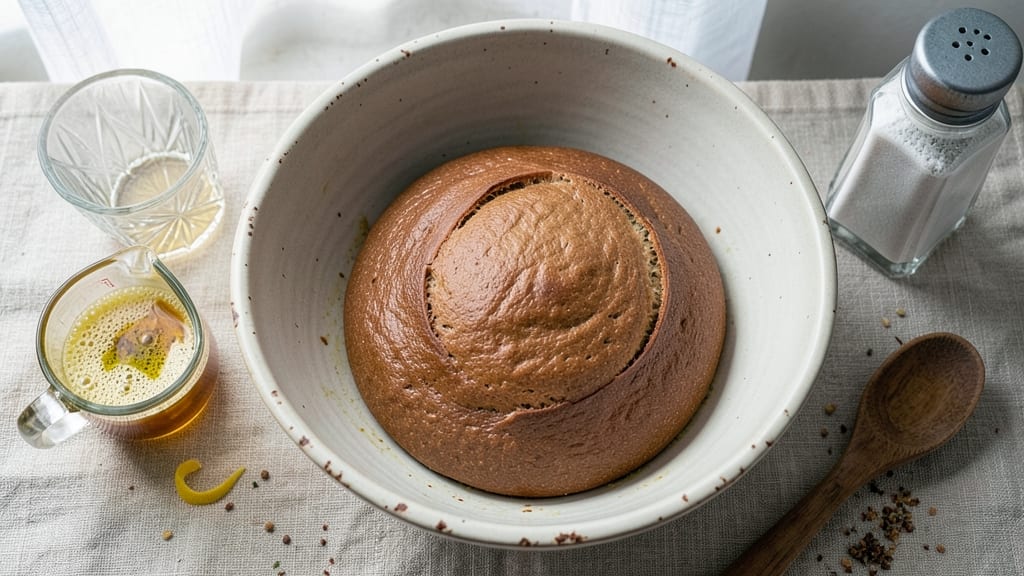
This all-wheat bread recipe delivers a nutty crust and open crumb that rivals artisanal bakeries—all with whole grain flour and minimal fuss. The secret lies in balancing hydration and kneading time to create a loaf that's hearty yet tender, perfect for sandwiches or toast.
I've perfected this version after years of experimenting with traditional yeast methods, ensuring reliability without requiring a sourdough starter.
The dough comes together with just five ingredients—whole wheat flour, water, yeast, salt, and a touch of honey for subtle sweetness—yet yields a loaf with complex flavor and satisfying texture.
Unlike many whole wheat recipes that turn dense, this method maintains an airy crumb by controlling gluten development through precise kneading and proofing times. The result? A loaf that's vegetarian-friendly, nutrient-rich, and packed with rustic character.
Baking at 375°F for 35 minutes creates that signature golden crust with a crisp exterior and soft interior, while the open crumb structure ensures every slice is moist. The nutty undertones from the whole wheat flour deepen as it cools, making it ideal for breakfast toast or dinner rolls.
This recipe proves whole wheat bread can be both nourishing and indulgent—no compromises needed.
For added customization, try mixing in seeds (sunflower or flax) or a sprinkle of dairy-free butter on top before baking. The base recipe remains foolproof, but these tweaks let you personalize it to your taste. Let's get started on your homemade loaf!
Ingredients for all wheat bread
Five core ingredients transform into a rustic whole wheat loaf with artisanal texture.
| Ingredient | Amount | Notes |
|---|---|---|
| Whole Wheat Flour 🌾 | 4 cups | Unbleached preferred for better texture |
| Active Dry Yeast 🍞 | ¼ tsp | Ensure freshness with expiration date check |
| Granulated Honey 🍯 | 1 tbsp | Substitute maple syrup for vegan option |
| Warm Water 💧 | 1 ½ cups | 110°F for optimal yeast activation |
| Diamond Crystal Kosher Salt 🧂 | 1 ½ tsp | Adjust to taste after mixing |
| Olive Oil 🫒 | 1 tbsp | For dough coating and crust |
| Sunflower Seeds 🌻 | ¼ cup | Optional for added texture |
| Flaxseeds 🌱 | ¼ cup | Optional for nutty flavor |
The whole wheat flour is non-negotiable for that signature nutty crust and open crumb—King Arthur or Bob's Red Mill brands deliver consistent results. If your flour tastes bitter, it's likely too old; check the package date and store in an airtight container. The active dry yeast must be fresh; test it by dissolving a pinch in warm water with a pinch of sugar—if it foams within 10 minutes, it's good. For the honey, local raw honey adds subtle floral notes, but any liquid sweetener works in a pinch. The warm water temperature is critical—too hot kills yeast, too cold slows activation. Use a thermometer if unsure.
No honey? Maple syrup or agave works perfectly for a vegan version. Running short on seeds? Skip them entirely—the base recipe still shines. The kosher salt enhances flavor without overpowering; Diamond Crystal measures differently than Morton, so adjust if using the latter. For the olive oil, extra-virgin adds richness, but any neutral oil suffices. Pre-mixed dough conditioners can be added (½ tsp) if you're concerned about density, though this recipe balances hydration naturally. The optional seeds? Toast them first for deeper flavor—just 2 minutes in a dry pan with a pinch of salt.
Store the baked loaf in a paper bag at room temperature for up to 5 days to maintain freshness. For longer storage, slice and freeze portions for toast—reheat in a toaster or oven for crispiness. The dough itself keeps 24 hours refrigerated or 3 days frozen (thaw overnight). Pro tip: Brush the cooled loaf with melted dairy-free butter for extra richness. This bread improves with age—day-old slices make the best toast.
Why You'll Love This Recipe
- Here’s what sold me: this bread stays fresh for days in the fridge, and the slices hold up perfectly for sandwiches—no soggy PB&J moments. My kids pack it for school, and I sneak a slice at my desk. (Yes, even on a Tuesday night.)
- No-Fuss Mixing: I swear by the honey here—it’s the secret that makes this dough actually tender, not dense like my first attempts with just water. Just toss everything in a bowl, let the yeast get cozy, and you’re done. No stand mixer, no stress.
- Sweet & Savory Balance: Between us, that honey isn’t just for sweetness—it rounds out the earthy whole wheat so every bite has this subtle, almost caramel-like depth. Slather it with butter or toast it plain; it’s the kind of bread that makes you pause mid-bite.
- Lunchbox Legend: Here’s what sold me: this bread stays fresh for days in the fridge, and the slices hold up perfectly for sandwiches—no soggy PB&J moments. My kids pack it for school, and I sneak a slice at my desk. (Yes, even on a Tuesday night.)
Step-by-step instructions for whole grain loaf with nutty crust and open crumb
Here's the method for a wholesome loaf with a crisp crust and airy interior—every detail matters.
Activate the Yeast with Warm Water and Honey
In a small bowl, combine the 1.5 cups warm water (tested at 110°F with a thermometer) with the 1 tbsp granulated honey and 0.25 tsp active dry yeast. Let this mixture sit for 5-10 minutes until it becomes frothy and bubbly. This confirms the yeast is alive and ready to work—if it doesn't bubble, your bread will be dense.
If the water isn't warm enough, the yeast won't activate properly. If it's too hot (above 120°F), you'll kill the yeast instantly. The honey here serves a dual purpose: it feeds the yeast while adding subtle sweetness to balance the earthy whole wheat flavor.
Mix the Dough with Whole Wheat Flour and Hydration
In a large mixing bowl, whisk together the 4 cups whole wheat flour and 1.5 tsp diamond crystal kosher salt. Create a well in the center and pour in the yeast mixture. Gradually incorporate the flour while stirring with a wooden spoon or dough whisk, adding the 1 tbsp olive oil once the mixture starts to come together.
The whole wheat flour will absorb more water than white flour, so don't be surprised if the dough feels shaggy at first. After about 5 minutes of mixing, the dough should begin to pull away from the sides of the bowl. If it's still too sticky, add 1 tablespoon of flour at a time until it reaches a soft but manageable consistency.
Knead the Dough for Optimal Gluten Development
Turn the dough onto a lightly floured surface and knead for 8-10 minutes by hand, or use a stand mixer with a dough hook attachment on medium speed for 6-8 minutes. You're aiming for a smooth, elastic dough that springs back slowly when poked. Whole wheat dough is denser than white flour dough, so it won't be as light, but it should still develop structure.
If the dough feels too dry, add 1 teaspoon of warm water at a time. Too wet? Sprinkle in 1 tablespoon of flour. The goal is a dough that's slightly tacky but not sticky enough to cling to your fingers. This kneading step is crucial—it develops gluten, which gives the bread its open crumb structure.
First Rise and Incorporate Seeds for Texture
Lightly oil a large bowl, place the dough inside, and cover with a damp kitchen towel or plastic wrap. Let it rise in a warm place (75-80°F) for 1-2 hours, or until it has nearly doubled in size. The dough will rise more slowly than white flour dough due to the whole wheat's higher protein content and density.
Once risen, punch down the dough to release air, then fold in the 0.25 cup sunflower seeds and 0.25 cup flaxseeds. These seeds will add nutty flavor and crunchy texture. Gently shape the dough into a round loaf and place it back in the oiled bowl to rise for another 30-45 minutes. This second rise ensures proper oven spring when baked.
Shape and Bake for a Crisp Crust and Open Crumb
Preheat your oven to 375°F with a Dutch oven inside for 30 minutes. This step is critical—it creates steam for that signature open crumb. Shape the dough into a round loaf and carefully transfer it to the hot Dutch oven using a well-floured towel. Cover with the lid and bake for 30 minutes.
After 30 minutes, remove the lid and continue baking for another 15-20 minutes until the crust is deep golden brown and the internal temperature reaches 205-210°F. Tap the bottom of the loaf—it should sound hollow. Let the bread cool on a wire rack for at least 1 hour before slicing, or the crumb will be gummy.
Pro Tips For Making All Wheat Bread
- Bloom the Yeast First: Skip mixing yeast directly into flour—it’ll wake up faster in warm water with honey. Stir together 1 tsp yeast, 1 tbsp honey, and ½ cup warm water (110°F), then wait 5–10 minutes until frothy. This guarantees your dough won’t taste flat or underproofed later.
- Weigh the Whole Wheat: Whole wheat flour packs differently than white flour—use a kitchen scale for accuracy. Measure by weight (e.g., 450g) instead of volume to avoid dense, gummy bread. (Yes, even if your recipe says "cups.")
- Knead Until Smooth: Whole wheat dough resists stretching like white flour—keep kneading until the surface feels silky, not sticky or crumbly. About 8–10 minutes by hand; the dough should spring back slowly when poked. No, it won’t look perfect, but that’s normal.
- Proof in a Warm Drawer: Skip the oven for proofing—pop your dough in a slightly greased bowl inside a turned-off oven with the light on (or a proofing box at 80°F). This keeps humidity high without overcooking the crust, especially with whole wheat’s heavier density. (Pro tip: Line the bowl with a damp towel for extra insurance.)
Health benefits of these flavors
Whole Grain Nutrition
This all-wheat bread delivers 100% whole grain goodness in every slice, providing 8 grams of fiber per serving—that's 32% of your daily needs! The fiber content helps regulate digestion and keeps you full longer, making it perfect for balanced meals.
Whole wheat flour also contains B vitamins like thiamine and niacin, which support energy metabolism. 💪
Protein Powerhouse
Unlike refined white bread, this recipe packs 7 grams of protein per serving thanks to the whole wheat flour. That protein comes from the plant-based gluten and natural proteins in the flour, making it an excellent choice for vegetarians or anyone looking to reduce meat consumption.
The seeds add extra protein too—sunflower seeds contribute about 3 grams per ¼ cup.
Heart-Healthy Fats
The olive oil and flaxseeds in this recipe provide monounsaturated fats and omega-3 fatty acids, both of which support heart health. Flaxseeds, in particular, contain plant-based omega-3s that help reduce inflammation.
Even the sunflower seeds contribute beneficial fats while adding satisfying crunch. These healthy fats also improve nutrient absorption from other foods you pair with your bread.
Blood Sugar Balance
Whole wheat bread has a lower glycemic index than white bread, meaning it causes a slower, steadier rise in blood sugar. The fiber and protein combination helps stabilize blood sugar levels, making this an ideal choice for those managing diabetes or insulin resistance.
The honey adds natural sweetness without spiking blood sugar like refined sugar would. ✨
Mineral-Rich Boost
This bread is loaded with essential minerals like magnesium (supports muscle function), zinc (boosts immunity), and iron (prevents fatigue). A single serving provides about 15% of your daily iron needs, which is particularly beneficial for plant-based eaters who may struggle with iron absorption.
The seeds further enhance this mineral profile with extra selenium and copper.
Antioxidant Advantage
The whole wheat flour contains phytochemicals and antioxidants that help combat oxidative stress in your body. These compounds, along with the flaxseeds, provide protective benefits against chronic diseases. The nutty flavor you taste comes from these beneficial plant compounds working together. 🌾
Nutrition facts
Frequently asked questions
Why does my whole wheat dough feel so sticky?
Whole wheat flour absorbs more moisture than white flour due to its higher protein and fiber content. The dough should be soft but manageable—add 1 tablespoon of flour at a time only if needed. Over-kneading can make it even stickier, so aim for 8-10 minutes by hand or 6-8 minutes in a mixer. The extra hydration helps create that signature open crumb!
Can I substitute honey with something else?
For a vegan option, use 1 tbsp maple syrup or agave. If you prefer no sweetener, skip it entirely—the dough will still rise, but the flavor will be more neutral. The honey primarily feeds the yeast and adds subtle sweetness, so alternatives work just fine.
How do I know when the bread is fully baked?
Look for a deep golden brown crust and tap the bottom—it should sound hollow. The internal temperature should reach 205-210°F. If unsure, slice a small piece: it should be fully set with no raw dough in the center. Overbaking can dry it out, so aim for 35-45 minutes total at 375°F.
What if my bread turns out dense instead of airy?
Dense bread usually means underproofed dough or insufficient kneading. Next time, let the dough rise until it nearly doubles in size (1-2 hours) and knead for the full 8-10 minutes. Also, ensure your yeast is fresh—it should foam within 5-10 minutes when mixed with warm water and honey. For extra lift, try adding ½ tsp vital wheat gluten to the flour.
Can I make this bread without a Dutch oven?
Yes! If you lack a Dutch oven, bake the loaf on a baking sheet lined with parchment paper. For steam, place a metal bowl of water in the oven during the first 15 minutes of baking. The crust won't be as crisp, but the crumb will still be open and flavorful. Preheat the oven for 30 minutes to mimic the Dutch oven's heat retention.