
Side Dishes
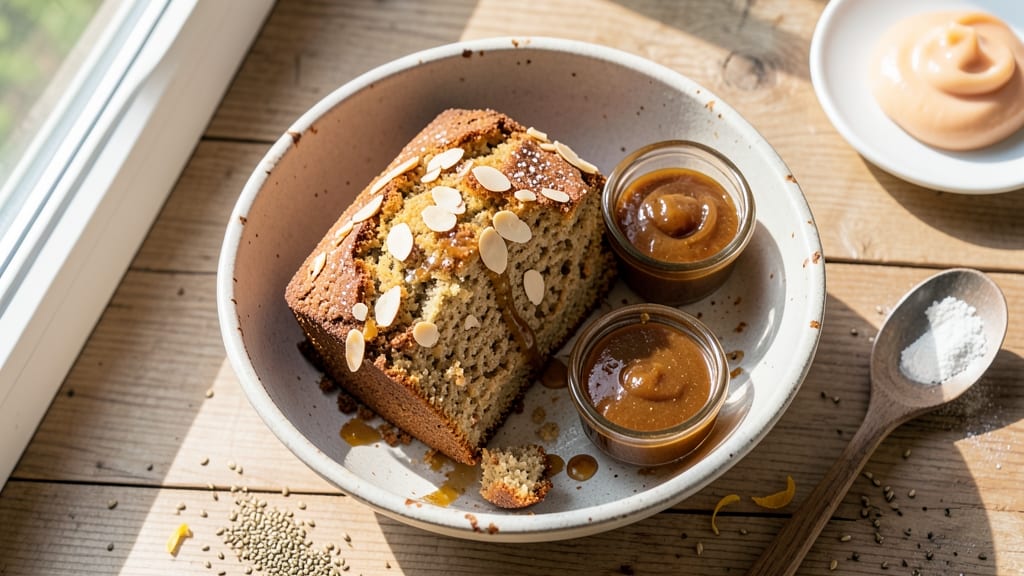
This almond flour and flaxseed bread recipe delivers a gluten-free loaf with nutty depth and satisfying crunch—perfect for sandwiches, toast, or serving alongside soups. The flaxseed acts as a natural egg substitute, binding the dough while adding fiber, while almond flour creates a tender yet sturdy crumb.
I developed this recipe after years of experimenting with gluten-free baking, and it finally achieves that light, airy texture without compromising flavor.
The secret lies in proper hydration and resting time. Unlike traditional bread, this recipe requires a longer mix time to fully develop gluten-free structure, followed by a 30-minute rest to relax the dough.
The result is a loaf with a golden crust and moist interior, where every bite reveals the subtle sweetness of almond flour and the satisfying crunch of toasted flaxseeds. No special equipment is needed—just a standard loaf pan and patience for the baking process.
What makes this bread truly special is its versatility. Use it for breakfast toast with avocado, as a base for open-faced sandwiches, or even as a side for hearty stews.
The nutty flavor pairs beautifully with both sweet and savory toppings, and the dense yet tender crumb holds up well to various fillings. Best of all, it stays fresh for up to 5 days when stored properly, making it ideal for meal prep.
For an extra boost of nutrition, consider adding chia seeds or sunflower seeds to the dough before baking. These additions enhance texture and provide additional healthy fats. The recipe also works well with optional herbs like rosemary or thyme for a savory twist.
Whether you're baking for dietary needs or simply exploring gluten-free options, this bread delivers restaurant-quality results at home.
Ingredients for almond flour and flaxseed bread
Gluten-free baking starts here—nutty almond flour meets fiber-rich flaxseed for a loaf that rivals traditional bread.
| Ingredient | Amount | Notes |
|---|---|---|
| Almond Flour 🌰 | 3 cups | Finely ground, blanched preferred |
| Ground Flaxseed 🌾 | ½ cup | Freshly ground for best binding |
| Water 💧 | 1 ¼ cups | Room temperature for best results |
| Applesauce 🍎 | ¼ cup | Unsweetened, for moisture |
| Maple Syrup 🍁 | ⅛ cup | Pure, for subtle sweetness |
| Baking Powder 🧂 | 1 tbsp | Aluminum-free preferred |
| Salt 🧂 | ½ tsp | Fine sea salt preferred |
| Psyllium Husk Powder 🌿 | 1 tbsp | Essential for structure |
| Olive Oil 🫒 | ¼ cup | Extra-virgin for richness |
| Chia Seeds 🌱 | ¼ cup | Optional for extra crunch |
| Rosemary 🌿 | 1 tsp | Dried, for savory depth |
| Sesame Seeds 🌾 | 2 tbsp | For topping, optional |
Almond flour quality makes all the difference. Bob's Red Mill or Anthony's Goods are my go-tos—they're finely ground and consistent. If you're buying whole almonds, pulse them in a food processor until ultra-fine (no almond meal texture). The flaxseed should be freshly ground right before mixing—pre-ground loses potency fast. For the psyllium husk, measure carefully; it's the secret to that perfect gluten-free crumb. Store almond flour in the freezer to prevent rancidity, but bring it to room temp before measuring.
No applesauce? Mashed banana or pumpkin puree works in a pinch, though the flavor shifts slightly. Swap maple syrup for agave or date syrup if preferred, but reduce by 10%—it's sweeter. The chia seeds are optional but add a nice texture contrast; if skipping, add an extra 1 tbsp of water. For a more savory loaf, dried thyme or sage can replace rosemary. The olive oil can be swapped for avocado or melted coconut oil, though flavor will differ slightly. Always measure baking powder fresh—old powder loses lift.
This dough needs patience. Mix everything, then let it rest 30 minutes before shaping—this relaxes the fibers for a better crumb. Store baked loaves in an airtight container with a slice of bread or apple to keep them fresh longer. Wrapped properly, they'll stay good for 5-6 days. For longer storage, freeze slices and toast directly from frozen. The sesame seeds on top? Toast them first for extra crunch—just 2 minutes in a dry pan.
Why You'll Love This Recipe
- No Mixer Needed: I swear by this recipe when I’m too tired to clean a bowl—just whisk the almond flour, flaxseed, and water in a bowl, then fold in the applesauce and maple syrup. Honestly, the dough comes together faster than most store-bought loaves, and it’s actually better.
- Sweet Without Sugar: Between the maple syrup’s caramel notes and the subtle nuttiness of almond flour, this bread tastes like a treat but won’t spike my blood sugar. The flaxseed adds a chewy texture that keeps it interesting—no weird aftertaste, just pure satisfaction.
- Breakfast to Brunch: I make this for toast with peanut butter on lazy mornings, but it’s also my go-to for brunch when I’m hosting. Slice it thick, toast it until golden, and slather it with almond butter—suddenly, you’ve got a crowd-pleaser without the fuss.
- Lasts a Week: This bread doesn’t dry out like regular loaves. I keep a loaf in the fridge all week, and it’s still soft enough to toast or slice for sandwiches. Between us, it’s my secret weapon for avoiding takeout lunches—plus, the flaxseed makes it feel like I’m eating something good for me.
Step-by-step instructions for almond flour and flaxseed bread
This gluten-free bread delivers a satisfying rise and nutty texture using simple techniques.
Create the Flaxseed Egg Substitute
In a small bowl, whisk together the 0.5 cup Ground Flaxseed and 1.25 cups Water. Let this mixture sit for 10 minutes until it thickens into a gel-like consistency—this is your egg replacement. The flaxseed binds the bread while adding fiber, and the gel helps create that tender crumb.
I like to test the consistency by lifting the bowl slightly—if it moves like thick pudding, it's ready. If it's still runny, add another 1 teaspoon Ground Flaxseed and let it thicken for 5 more minutes. This step is crucial for structure in gluten-free baking.
Mix Wet and Dry Ingredients Separately
In a large mixing bowl, combine the 3 cups Almond Flour, 1 tbsp Psyllium Husk Powder, 1 tbsp Baking Powder, 0.5 tsp Salt, and 1 tsp Rosemary. Whisk these dry ingredients together until evenly distributed—this ensures even rising and flavor throughout the bread.
In a separate bowl, mix the flaxseed gel, 0.25 cup Applesauce, 0.125 cup Maple Syrup, 0.25 cup Olive Oil, and 0.25 cup Chia Seeds. The applesauce adds moisture while keeping the bread light, and the chia seeds provide extra texture. Let this wet mixture sit for 2 minutes while you prepare your baking pan.
Combine and Bake for Perfect Rise
Pour the wet ingredients into the dry ingredients and stir gently with a spatula until just combined—overmixing develops gluten-like proteins in almond flour, which we want to avoid. The batter will be thick but workable. Transfer it to a 9x5-inch loaf pan lined with parchment paper, smoothing the top with a wet spatula.
Sprinkle the 2 tbsp Sesame Seeds evenly over the top for decoration and extra crunch. Bake at 350°F for 45-50 minutes, until the top is golden brown and a toothpick inserted in the center comes out clean. The bread should feel firm to the touch but still slightly springy.
Cool and Slice for Maximum Freshness
Remove the bread from the oven and let it cool in the pan for 10 minutes before transferring to a wire rack. This gradual cooling prevents cracking. Once completely cooled, slice with a serrated knife for clean cuts—almond flour bread can be dense if sliced too soon.
The bread will keep well at room temperature for 3 days or can be frozen for up to 1 month. For best results, store in an airtight container with a slice of apple or lemon to maintain freshness. This gluten-free loaf holds up perfectly for toast, sandwiches, or French toast.
Pro Tips For Making Almond Flour And Flaxseed Bread
- Mix Flaxseed First: Combine ground flaxseed with water before adding anything else—this gives the binder time to fully gel (about 5 minutes) so your bread doesn’t crumble like a sad sandwich. I learned this the hard way when my first batch fell apart at the seams.
- Use Cold Applesauce: Chill your applesauce in the fridge for 30 minutes before mixing—it thickens the batter just enough to prevent a gummy center. Warm applesauce makes the bread dense, and nobody wants a brick for toast.
- Bake Low and Slow: Start at 350°F (175°C) for the first 20 minutes, then drop to 325°F (160°C) until fully baked. Almond flour burns faster than you’d think, and a dark crust doesn’t mean it’s done—your bread needs to be golden inside too.
- Skip the Overmixing: Stir the batter just until combined—overworking it makes the gluten in the flaxseed (yes, it’s there) tighten up, leading to a tough, chewy loaf. Think "fold, don’t whip," and your bread will stay tender.
Troubleshooting perfect results
Dense or Gummy Texture
If your bread turns out dense or gummy, the issue is likely overmixing or insufficient hydration. Almond flour develops gluten-like proteins when overworked, so stir just until combined. For extra moisture, add 1 extra tablespoon of water or applesauce to the wet ingredients before mixing.
Also, ensure your flaxseed gel is properly thickened—it should hold its shape when spooned. 💧
Cracked Top or Uneven Rise
A cracked top usually means the dough was too stiff or baked at too high a temperature. First, check your baking powder—it should be fresh (test by mixing with water; it should fizz).
Preheat your oven for 15 minutes to ensure even heat distribution. For a smoother rise, gently press a few extra sesame seeds into the top before baking to create a "crack barrier."
Flat or Underbaked Center
This happens when the oven isn’t hot enough or the bread lacks structure. Double-check your oven temperature with an oven thermometer—many run 25-50°F cooler than set. If the center stays underdone, tent the bread with foil after 30 minutes to trap steam and finish baking.
For extra structure, add 1 extra tablespoon of psyllium husk powder to the dry ingredients.
Dry or Crumbly Bread
Dryness often stems from overbaking or too much almond flour. Remove the bread from the oven when the internal temperature reaches 205-210°F (use a thermometer). If the crumb is too crumbly, try replacing 0.25 cup of almond flour with oat flour for better moisture retention.
Store the bread in an airtight container with a slice of apple to prevent drying out.
Flaxseed Gel Not Setting
If your flaxseed gel stays runny, it’s likely under-mixed or too fresh. Whisk the flaxseed and water vigorously for 1 full minute to ensure proper emulsification. Let it sit for 10-15 minutes before using—if it’s still liquidy, add 1 extra teaspoon of flaxseed and wait another 5 minutes.
For a quick fix, mix in 1 teaspoon of chia seeds to help thicken the batter.
Bread Sticks to Pan
This is a common issue with gluten-free baking. Always line your pan with parchment paper and lightly grease it with olive oil before adding the batter. If the bread still sticks, try baking it on the middle rack for even heat distribution.
For stubborn cases, chill the dough for 15 minutes before baking to help it hold its shape better.
Nutrition facts
Frequently asked questions
Can I make this bread without a loaf pan?
For a free-form loaf, shape the dough into a round or oval on a parchment-lined baking sheet. Bake at 350°F for 35-40 minutes until golden. Brush with melted butter or olive oil after baking for extra moisture. This works especially well for dinner rolls or sandwich bread shapes.
Why does my almond flour bread taste bitter?
Bitterness usually comes from rancid almond flour or overbaking. Store almond flour in the freezer to prevent oxidation, and replace it if it smells nutty or stale. For flavor balance, add 1 extra teaspoon of maple syrup or 1 tablespoon of honey to the wet ingredients. Bake until the internal temperature reaches 205-210°F—overbaking intensifies flavors.
How can I make this bread sweeter for French toast?
For a sweeter loaf, increase the maple syrup to 0.25 cup and add 1 tablespoon of vanilla extract to the wet ingredients. You can also sprinkle 1 tablespoon of cinnamon into the dry mix. The extra sweetness will caramelize beautifully when dipped in egg batter and toasted.
Can I substitute flaxseed with another egg replacer?
Yes, but results may vary. For a 1:1 replacement, use 1 tablespoon chia seeds + 3 tablespoons water (let sit 5 minutes). For a lighter texture, try 1/4 cup unsweetened applesauce per egg. However, flaxseed provides the best binding and fiber content for this specific recipe.
Is this bread safe for nut allergies?
No, this recipe contains almond flour and is not safe for those with nut allergies. For a nut-free version, substitute almond flour with a blend of oat flour and coconut flour (use 2.5 cups oat flour + 0.5 cup coconut flour). The texture will be slightly denser but still delicious. Always check your flour sources for cross-contamination.