
Side Dishes
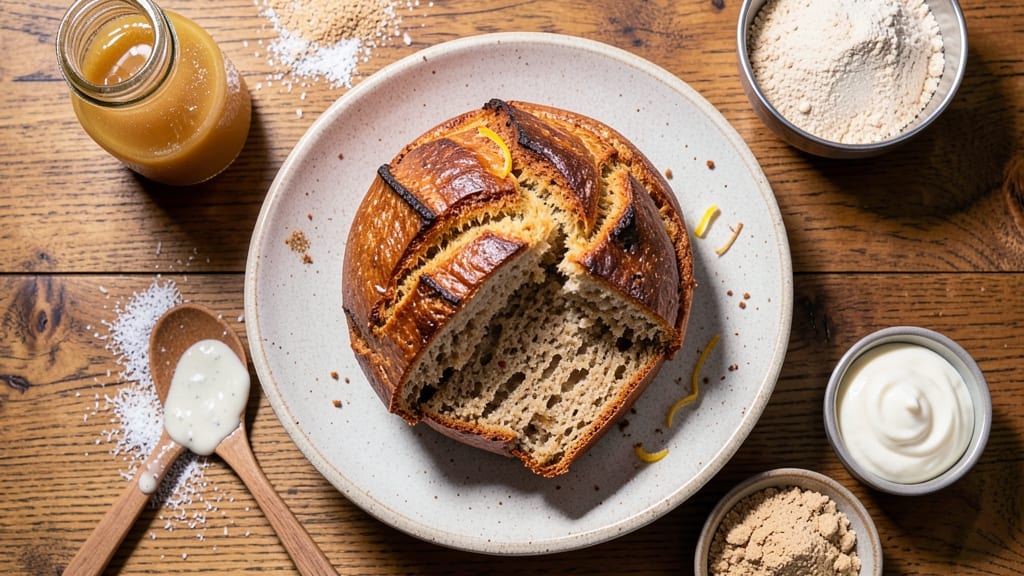
This almond flour and coconut flour bread recipe delivers a surprisingly light, gluten-free loaf that rises beautifully without traditional gluten binders. The secret lies in balancing these flours' unique properties—almond flour adds structure while coconut flour absorbs moisture like a sponge, creating a tender crumb.
I've perfected this recipe after years of experimenting with low-carb, grain-free baking, and it never disappoints.
The magic happens in the mixing: coconut flour requires extra hydration, so we use a combination of eggs (or flax eggs for vegan) and yogurt to create the right texture. A touch of psyllium husk powder acts as a natural gluten substitute, giving that coveted rise without artificial additives.
The result? A bread that's crisp on the outside, soft inside, and holds together beautifully—no crumbly mess here.
Baking time is 45-50 minutes at 350°F, yielding a golden loaf with a nutty aroma that's impossible to resist. This recipe works perfectly as a side for soups, a base for sandwiches, or toasted with butter and jam.
The best part? It's naturally gluten-free, egg-free (with substitution), and packed with healthy fats from the almonds.
For extra flavor, try adding seeds like sunflower or chia, or herbs like rosemary for a savory twist. The dough is simple to prepare but requires patience during the proofing stage—worth every minute for that perfect rise. Let's get baking!
Ingredients for almond flour and coconut flour bread
Balancing these gluten-free flours and binders creates a bread with restaurant-quality texture.
| Ingredient | Amount | Notes |
|---|---|---|
| Almond Flour 🌰 | 2 ½ cups | Blanched almond flour preferred |
| Coconut Flour 🥥 | ½ cup | Sifted for even distribution |
| Psyllium Husk Powder 🌿 | 1 tbsp | Key for gluten-free rise |
| Flax Eggs 🥚 | 3 whole | 1 tbsp ground flaxseed + 3 tbsp water each |
| Unsweetened Almond Milk 🥛 | 1 ½ cups | Room temperature preferred |
| Plain Vegan Yogurt 🍶 | ½ cup | Unflavored, full-fat recommended |
| Pure Maple Syrup 🍁 | 2 tbsp | For subtle sweetness |
| Apple Cider Vinegar 🍏 | 1 tbsp | Activates psyllium husk |
| Sea Salt 🧂 | 1 tsp | Diamond Crystal preferred |
| Baking Powder 🌶️ | 1 tsp | Aluminum-free recommended |
| Sunflower Seeds 🌻 | ¼ cup | Optional for texture |
| Extra-Virgin Olive Oil 🫒 | 2 tbsp | For greasing loaf pan |
The almond flour should be blanched for a milder flavor—Bob's Red Mill or Anthony's Goods are reliable brands. Coconut flour absorbs moisture aggressively, so measure it by weight if possible for precision. Psyllium husk powder is non-negotiable for the rise; NOW Foods organic version works perfectly. For the flax eggs, grind the seeds fresh—pre-ground loses potency quickly. The almond milk should be unsweetened to avoid altering the bread's delicate balance, and Silk or Califia Farms brands perform consistently.
No psyllium husk? Chia seeds soaked in water (1 tbsp chia + 3 tbsp water = 1 tbsp psyllium) work as a substitute, though texture may differ slightly. Substituting coconut flour with more almond flour (up to 1:1 ratio) reduces moisture absorption but sacrifices rise. For extra richness, cashew yogurt replaces almond yogurt 1:1, though flavor shifts noticeably. The sunflower seeds can be omitted entirely or swapped for chia or pumpkin seeds—toast them first for enhanced nuttiness. Diamond Crystal baking powder is preferred over aluminum-containing brands for a cleaner rise.
Mix the wet and dry ingredients separately before combining to prevent coconut flour from absorbing all the moisture prematurely. The dough will appear sticky but firm up during the 20-minute rest—resist the urge to overmix. Store wrapped in a bread bag at room temperature for 3 days or freeze sliced for 3 months. Reheat slices in a toaster or oven for best texture; microwave creates a rubbery exterior. For extra flavor, brush toasted slices with melted coconut oil before serving.
Why You'll Love This Recipe
- No-Fuss Mix-In: The psyllium husk powder does all the heavy lifting—no yeast, no kneading, just toss, bake, and boom. I’ve made this while scrolling through emails, and it still comes out tender. Honestly, the flax eggs bind it so well, you’d never guess it’s egg-free.
- Nutty-Creamy Magic: Almond flour gives it that rich, buttery depth, while coconut flour adds a subtle toasty note—like a cross between a brioche and a scone. Between us, I’ve had people ask if it’s gluten-free and if it’s sweet. (It’s neither. The flavor just wins.)
- Lunchbox Hero: Slice it thick for sandwiches that won’t flatten, or toast it for a breakfast that keeps you full until dinner. I pack it for work, freeze half the batch, and my kids beg for it in their school lunches. (Yes, even on a Tuesday night.)
- Zero-Waste Baking: Uses up pantry staples without breaking the bank—no wasted almond milk or leftover flours sitting in your cupboard. A single batch feeds my family for days, and the leftovers? They stay fresh for a week if you store them right. My secret weapon for lazy mornings.
Step-by-step instructions for almond flour and coconut flour bread
A gluten-free loaf with perfect rise and delicate texture—here's how to achieve it every time.
Prepare the Flax Eggs and Activate the Psyllium Husk
Start by making the flax eggs—combine 1 tablespoon ground flaxseed with 3 tablespoons water for each egg. Mix thoroughly and let sit for 5 minutes until they thicken into a gel-like consistency. This binding agent replaces traditional eggs while maintaining structure.
In a separate small bowl, whisk together the 1 tablespoon psyllium husk powder with 1 tablespoon apple cider vinegar and 1 tablespoon unsweetened almond milk. Let this mixture sit for 2 minutes—you'll see it transform into a thick, rubbery gel. This reaction is crucial for the bread's rise and moisture retention. The psyllium absorbs liquid and creates a network that mimics gluten's elasticity.
Combine Wet Ingredients for Even Distribution
In a large mixing bowl, combine the 1.5 cups unsweetened almond milk, 0.5 cup plain vegan yogurt, 2 tablespoons pure maple syrup, and the 1 teaspoon sea salt. Whisk until fully integrated—this creates your wet base. The almond milk and yogurt provide moisture while the maple syrup adds subtle sweetness that balances the nutty flavors.
Next, add the activated psyllium gel and the 3 whole flax eggs to the wet mixture. Stir gently but thoroughly to distribute these binding agents evenly. The goal is to create a smooth, thick batter that coats the back of your spoon. If the mixture looks too thin, add 1 tablespoon more almond flour—this ensures proper structure during baking.
Incorporate Dry Ingredients with Minimal Mixing
In a separate bowl, sift together the 2.5 cups almond flour and 0.5 cup coconut flour with the 1 teaspoon baking powder. Sifting prevents clumping and ensures even distribution of the baking powder throughout the batter. The coconut flour adds structure while the almond flour provides that signature nutty flavor and tender crumb.
Gradually fold the dry ingredients into the wet mixture using a silicone spatula, mixing just until combined. Overmixing develops gluten-like proteins in the almond flour, which can make the bread dense. Stop mixing when you still see small flour streaks—this creates a light, airy texture. For texture, fold in the 0.25 cup sunflower seeds if using, reserving a small handful for topping.
Prepare the Loaf Pan and Bake at Low Heat
Preheat your oven to 350°F and lightly grease a 9x5-inch loaf pan with 2 tablespoons extra-virgin olive oil, ensuring the bottom and sides are well-coated. Pour the batter into the prepared pan and smooth the top with a spatula. Sprinkle the reserved sunflower seeds evenly over the surface for added crunch and visual appeal.
Bake for 50-55 minutes until the top is golden brown and a toothpick inserted into the center comes out clean. The bread should have a slight springiness when pressed gently—this indicates proper rise. If the top browns too quickly, tent loosely with foil after 30 minutes to prevent over-browning while allowing the center to cook through.
Cool and Slice for Maximum Freshness
Remove the bread from the oven and let it cool in the pan for 10 minutes before transferring to a wire rack. This gradual cooling prevents cracking and allows the internal structure to set properly. The bread will continue to firm up as it cools, making it easier to slice without crumbling.
Slice the bread while still slightly warm for the cleanest cuts and best texture. Each slice should reveal a tender, slightly crumbly interior with a delicate golden crust. Store any leftovers wrapped in parchment paper at room temperature for up to 3 days or freeze for longer storage. The flavor improves slightly over time as the flours hydrate further.
Pro Tips For Making Almond Flour And Coconut Flour Bread
- Mix the coconut flour first: Coconut flour absorbs liquid like a sponge—don’t just toss it in at the end. Whisk it with your almond milk and flax eggs before adding anything else, then let it sit for 5 minutes. This prevents clumps and guarantees a smoother batter. (Yes, even if you’re impatient like me.)
- Preheat the pan properly: This isn’t your average bread—it needs a hot, dry surface to crisp up. Heat your loaf pan or baking dish in the oven for 10 minutes at 350°F before adding the batter. The extra heat helps the crust form faster and keeps the crumb from turning gummy. (I learned this the hard way after pulling out a sad, dense loaf.)
- Don’t overmix the psyllium: Psyllium husk powder is your secret weapon for structure, but too much handling turns the batter into glue. Mix it in just until combined—about 10 strokes max—then stop. Overworking it makes the bread dense and chewy instead of light and airy. (Trust me, your future self will notice.)
- Use cold almond milk: Warm or room-temperature almond milk makes the psyllium activate too quickly, leading to a gummy texture. Keep your milk cold until the last second, then add it to the dry ingredients. The cold liquid gives you more time to shape the batter before it gets sticky. (It’s weird, but it works.)
Serving suggestions for this almond flour and coconut flour bread
Toasted Jam Pairing
Spread a thin layer of strawberry or raspberry jam on warm slices and toast until lightly crisped. The natural sweetness of Smucker's Unsweetened Fruit Spread complements the nutty depth of the almond flour without overpowering.
For a savory twist, try fig jam with a sprinkle of flaky sea salt—the contrast is surprisingly elegant. 🍓
Savory Spreads
Use this bread as a base for hummus (I love Sabra Classic or homemade chickpea-based) with sliced cucumbers and cherry tomatoes. For a protein boost, layer with avocado mash, hemp seeds, and a drizzle of olive oil.
The bread's texture holds up beautifully to these spreads, making it perfect for open-faced sandwiches.
Breakfast Serving
Toast slices and top with almond butter (like Justin's Classic) and sliced banana for a quick breakfast. Add a sprinkle of cinnamon and a drizzle of maple syrup for extra warmth.
This combo feels indulgent but keeps it nutritious with no refined sugar. For a savory morning, try mashed avocado with chili flakes and a poached egg on top.
Soup Companion
Slice into thick rounds and serve alongside butternut squash soup or tomato basil soup. The bread's sturdy texture holds up to brothy soups without becoming soggy.
For extra flair, brush slices with garlic-infused olive oil before serving. A sprinkle of fresh thyme adds a fragrant touch that pairs beautifully with hearty soups. 🥄
Dessert Twist
Drizzle warm slices with melted dark chocolate (70% cocoa or higher) and crushed hazelnuts for a dessert-style treat. The bread's nutty flavor enhances the chocolate without competing. For a lighter option, top with whipped coconut cream and a few fresh berries—it's like a deconstructed cheesecake but guilt-free.
Nutrition facts
Frequently asked questions
Why does this gluten-free bread need psyllium husk?
Psyllium husk creates the rise and chewy texture that gluten normally provides. When mixed with liquid, it forms a gel that mimics gluten's elasticity, giving the bread structure without artificial additives. Without it, your loaf would be dense and crumbly.
Can I make this bread without flax eggs?
Yes! Use chia eggs (1 tbsp chia seeds + 3 tbsp water per egg) or aquafaba (3 tbsp chickpea brine per egg). For a dairy-based option, 1 tbsp melted coconut oil + 1 tsp baking powder per egg works too. The texture may vary slightly, but it'll still hold together.
Why does my coconut flour batter get too thick?
Coconut flour absorbs moisture aggressively—start with 1.5 cups almond milk and add 1 tbsp at a time until you reach a thick, spreadable consistency. The batter should coat the back of a spoon but still be pourable. Overmixing can also make it gummy, so fold gently.
How do I prevent the bread from cracking on top?
Score the top with a knife before baking, and avoid opening the oven door for the first 30 minutes. If the edges brown too quickly, tent with foil. The bread needs time to set properly—don't rush cooling it! A toothpick test (clean when done) is better than visual cues.
Can I add herbs or spices to this recipe?
Try 1 tsp dried rosemary or thyme for savory bread, or ½ tsp cinnamon for slightly sweet versions. For extra flavor, add 1 tbsp nutritional yeast (for cheesy notes) or zest from 1 lemon (bright citrus twist). Just reduce seeds slightly to balance texture.